If you searched 'grow light reviews 2020' and landed here in 2026, here's the honest answer: those 2020 reviews are still useful, but you need to know how to read them correctly. The core metrics that determined a good grow light in 2020 are the same ones that matter today. What has changed is the availability of better fixtures at lower prices, and the bar for what counts as 'efficient' has moved up. This guide walks you through what those 2020 reviews were actually measuring, how to evaluate any review using the right criteria, and how to make a confident purchase decision for your specific setup right now.
Grow Light Reviews 2020: How to Choose the Best LED

Marcus Caldwell
24 Mar 2026
What 2020 grow light reviews actually covered (and how to use them now)
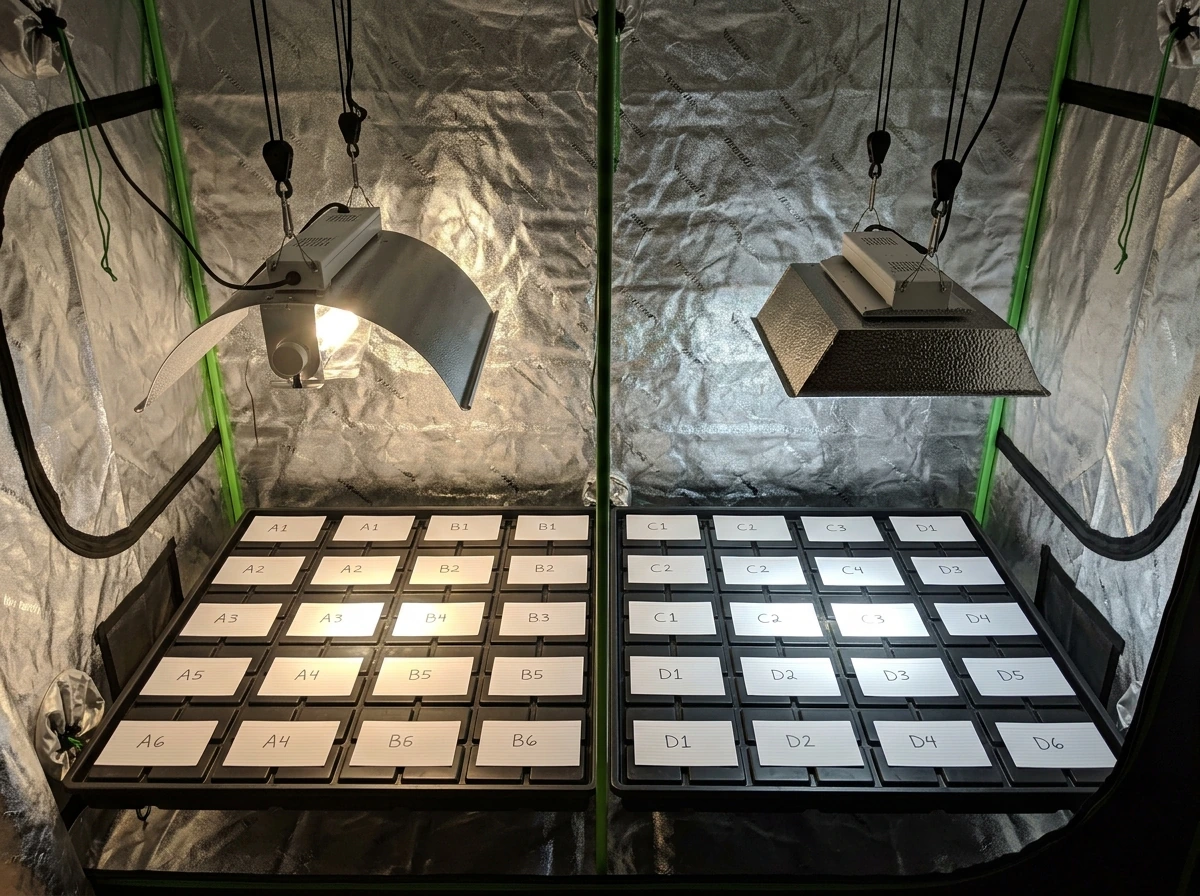
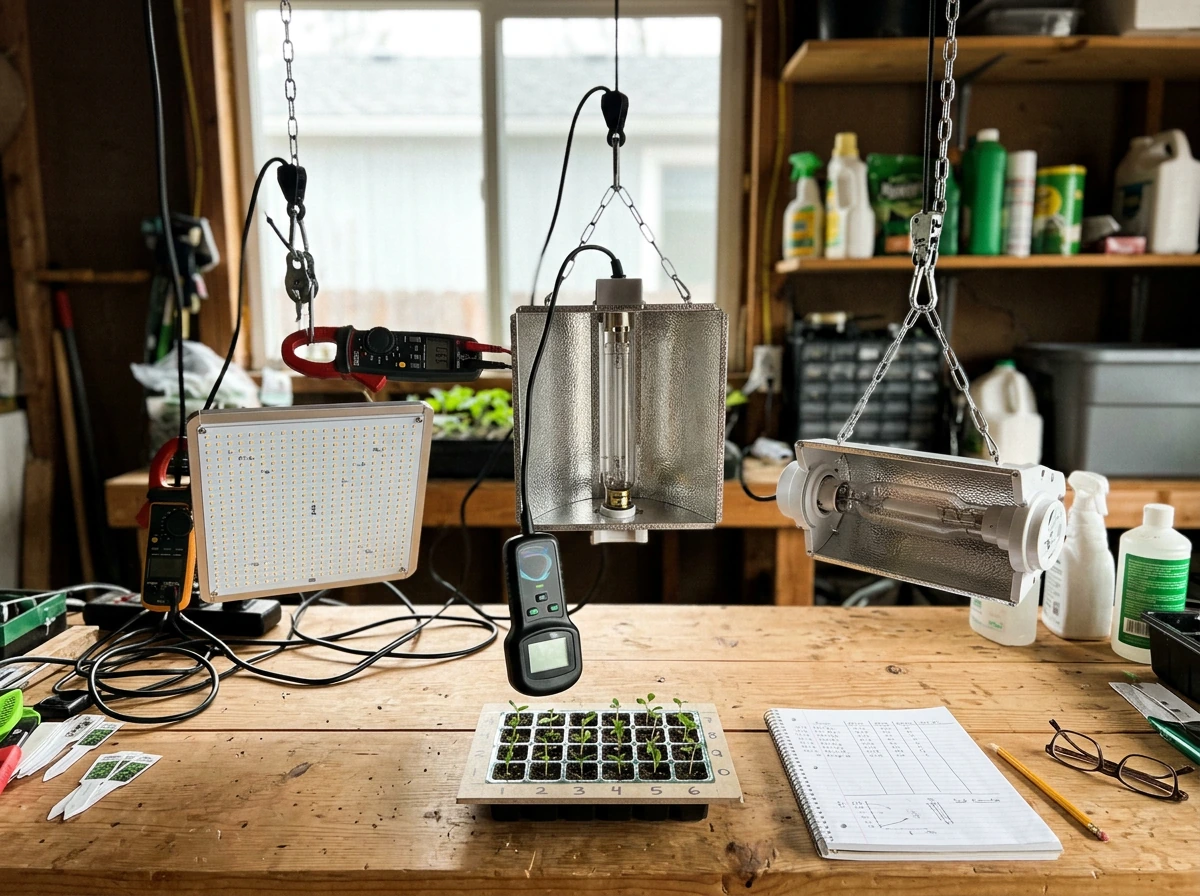
In 2020, the grow light review landscape was dominated by one big transition: LEDs were finally catching up to (and in many cases surpassing) HPS in both output and efficiency, and reviewers were scrambling to document that shift. Most credible 2020 reviews focused on a handful of LED panel and bar-style fixtures built around Samsung LM301H chips, which became a widely cited marker of quality at the time. Alongside those, reviewers were still benchmarking against double-ended HPS setups and occasionally against CMH (ceramic metal halide) and CFL options for smaller grows. If a 2020 review doesn't mention PPF, PPFD maps, or efficacy in µmol/J, treat it with skepticism regardless of how many stars it has.
The practical problem with using old reviews today is that model numbers change, SKUs get retired, and some fixtures reviewed in 2020 have been quietly revised with different drivers or diodes. Before acting on any 2020 review, verify that the exact model you're buying matches the tested unit. A simple serial number or SKU check on the manufacturer's current product page goes a long way. Our broader grow lights reviews resource covers current-generation options in more depth if you want a direct 2024-era comparison. best grow light reflector reviews
The metrics that actually matter in any grow light review
Whether a review is from 2020 or 2025, the same five criteria separate useful evaluations from marketing-dressed fluff. Here's what to look for in each.
Spectrum
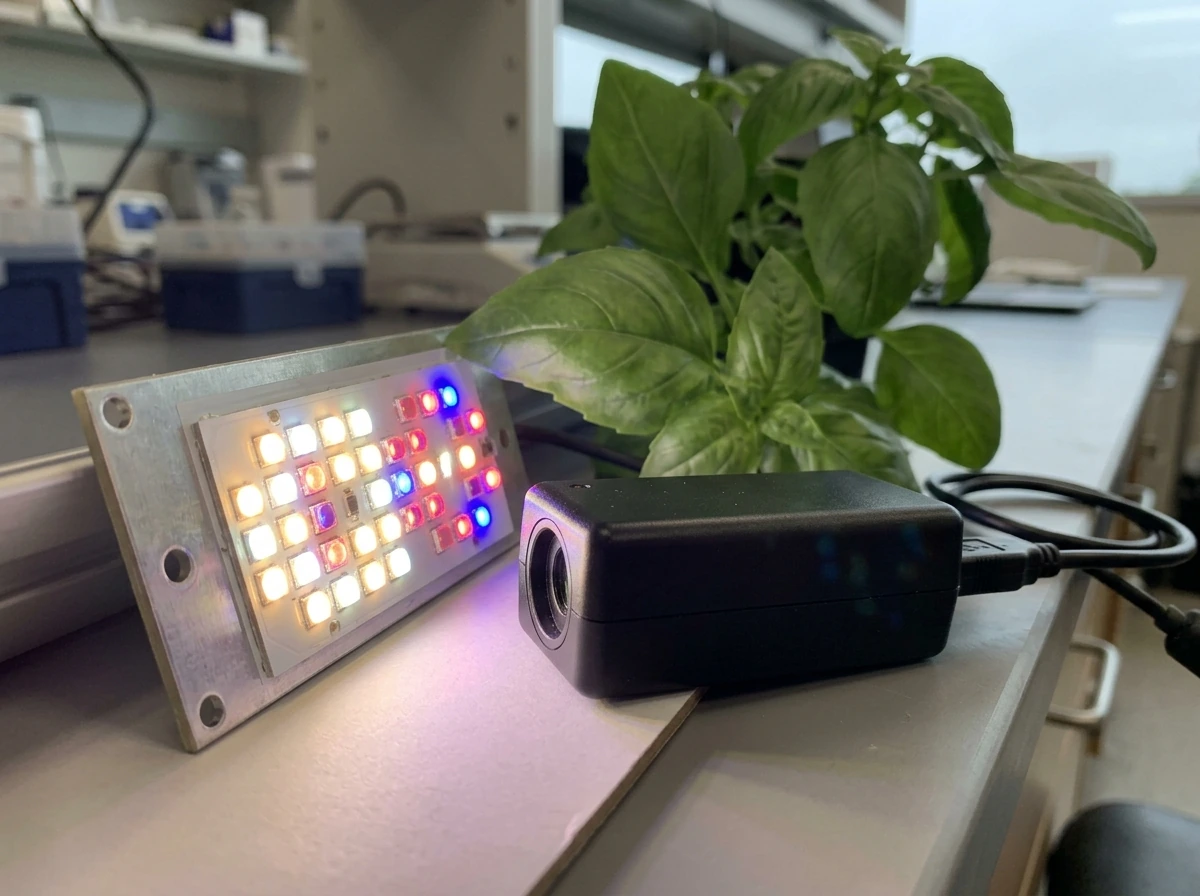
A 'full spectrum' claim on the box means almost nothing without specifics. What matters is whether the spectral distribution actually covers the photosynthetically active range (400–700 nm) with meaningful energy in the red and blue peaks, and whether the ratio is appropriate for your plant stage. Some 2020 reviews did good work here by publishing spectral plots or at least identifying the chip bins used. Samsung LM301H-based fixtures, for example, produce a broad white spectrum with a red channel that worked well across veg and flower. Be cautious with reviews that only describe spectrum as 'white' or 'full spectrum' without backing it up with a spectral chart or chip specification.
PPF and efficacy (µmol/J)
PPF (photosynthetic photon flux, measured in µmol/s) tells you the total light output of the fixture. Efficacy (PPE, in µmol/J) tells you how efficiently it converts watts into usable photons. These two numbers together are the most honest performance indicators in any review. In 2020, entry-level LED fixtures were testing around 1.0–1.7 µmol/J, while better-engineered fixtures hit 2.0 µmol/J and above. Double-ended HPS was benchmarked at roughly 1.7 µmol/J at the time. By comparison, high-efficiency white LED fixtures were reaching around 3 µmol/J, and blue-plus-red configurations could approach 4.1 µmol/J under ideal conditions. If a review doesn't include a measured PPF from a lab test report or integrating sphere, the output claims are essentially unverified marketing.
PPFD maps and coverage uniformity
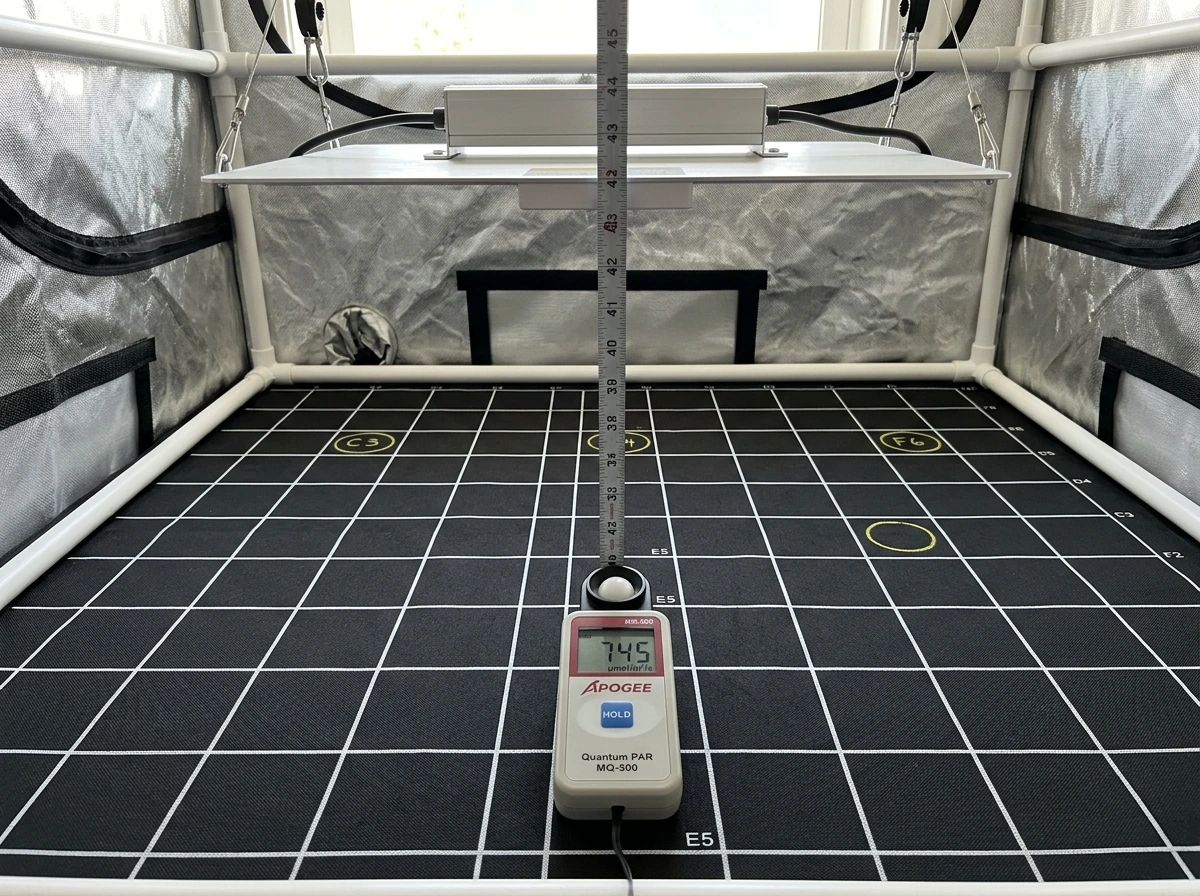
PPF tells you total output, but it says nothing about how that light lands on your canopy. PPFD (µmol/m²/s) maps show the spatial distribution of light intensity across the grow area. A fixture with a strong center peak and weak edges will burn your center plants while leaving the edges starved, and you'll only see that problem in a PPFD map. Look for reviews that include grid-style PPFD measurements, not just a single peak number. Credible reviewers like Coco For Cannabis normalize their comparisons by hanging fixtures at a height where the maximum PPFD lands between 950 and 1000 µmol/m²/s, which makes cross-fixture comparisons fair. If one review tests a light at 12 inches and another at 24 inches with no normalization, those PPFD numbers aren't directly comparable.
Dimming and control features
Dimming matters more than most beginners realize. Being able to run a fixture at 50% during seedling stage, then ramp it up for flowering, is both a plant health issue and a power bill issue. Quality 2020-era fixtures offered 0-10V dimming, step dimming, or compatibility with master controller systems. A 5-year warranty alongside proper dimming support was and still is a reasonable minimum bar for a 'serious' fixture. Reviews that ignore dimming range or don't mention controller compatibility are leaving out important long-term usability information.
Thermal management and build quality
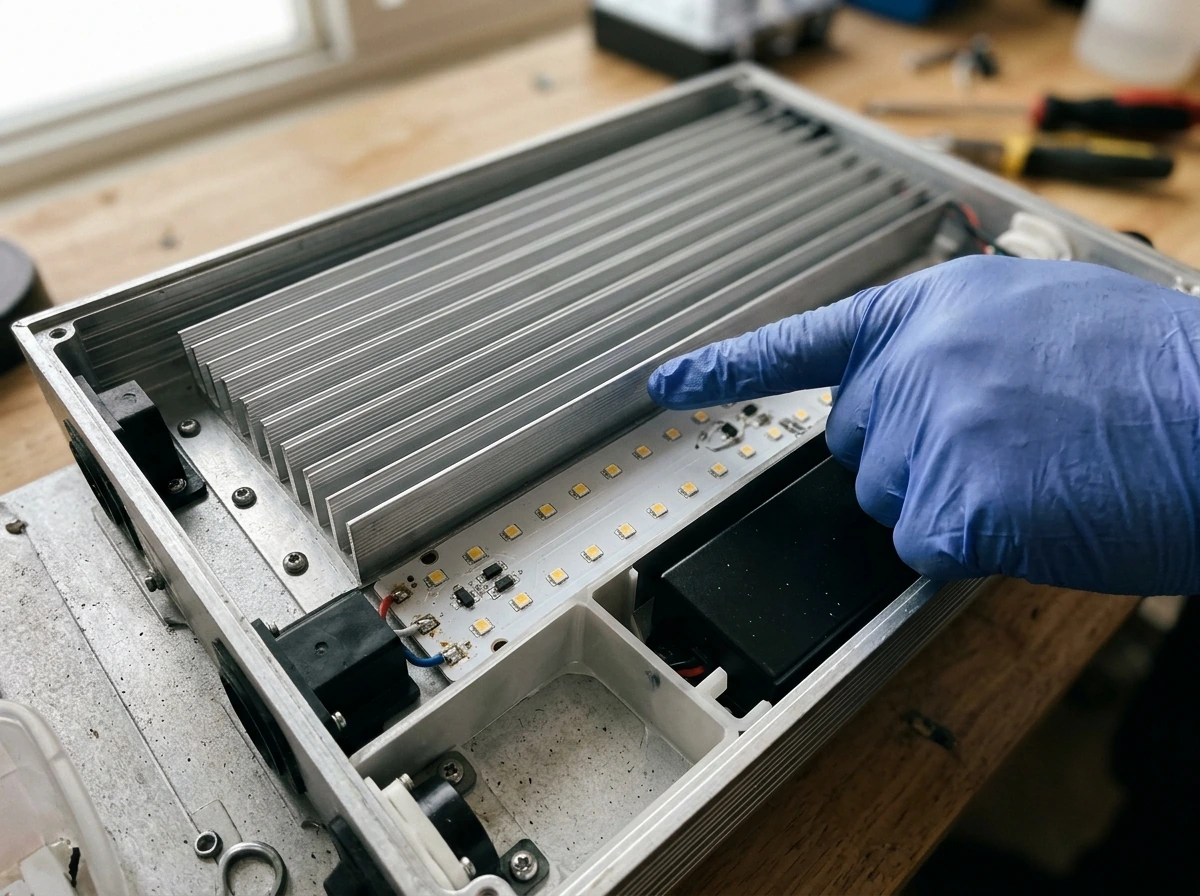
Heat is the primary killer of LED drivers and diodes. Good 2020-era reviews called out passive aluminum heat sinks, diode spacing, and whether LEDs were being under-driven relative to their maximum rated current (a reliability-extending practice). Under-driving diodes below maximum ratings extends lifespan significantly and tends to correlate with fixtures that hold up long-term. If a review praises a fixture but doesn't mention thermal design at all, that's a gap worth noting.
LED vs HPS vs CFL: how the 2020 comparisons actually stacked up
Here's a direct comparison of the light types that dominated 2020-era reviews, with performance anchors that hold up today.
| Light Type | Typical Efficacy (µmol/J) | Heat Output | Lifespan | Best Use Case | Key 2020 Limitation |
|---|---|---|---|---|---|
| Double-ended HPS | ~1.7 | Very high | 10,000–20,000 hrs | Large flowering rooms | High heat load, high operating cost |
| CMH / LEC | ~1.4–1.9 | High | ~20,000 hrs | Veg and small flowering | Less spectrum flexibility, warm-up time |
| CFL | ~0.8–1.2 | Moderate | 8,000–10,000 hrs | Seedlings, clones, micro grows | Low total output, poor scaling |
| Entry-level LED panel | ~1.0–1.7 | Low-moderate | 30,000–50,000 hrs | Small tents, hobby grows | Inconsistent specs, poor PPFD uniformity |
| Mid/high-tier LED (LM301H-based) | ~2.0–2.5+ | Low | 50,000+ hrs | All stages, 2x4 to 4x8 tents | Higher upfront cost |
| Commercial LED bar fixtures | ~2.5–3.0+ | Low | 50,000+ hrs | Multi-light setups, commercial rooms | Cost, overkill for small hobbyists |
The practical takeaway from 2020 reviews is that HPS wasn't losing to cheap LED panels, it was losing to well-engineered mid-tier LEDs. A lot of early 2020 review disappointment came from buyers who compared HPS to budget LED panels (which performed poorly) and concluded LED wasn't ready. The lights that were actually outperforming HPS were the ones scoring 2.0+ µmol/J with proper PPFD uniformity. CFL and CMH remained defensible for specific use cases (seedlings, small-space veg) but weren't competitive for full-cycle grows at meaningful yields.
A word on 'full-spectrum' LED claims: in 2020, almost every LED fixture was marketed as full-spectrum. What separated the real performers was whether the spectrum was backed by a spectral power distribution chart and whether the chip bins were identified. Generic 'full spectrum' language without supporting data is still a red flag today.
My recommendation on light type
If you're setting up or upgrading a grow today and looking at 2020-era review evidence, the clearest conclusion is: choose a quality LED fixture with a measured efficacy of at least 2.0 µmol/J, a published PPFD map, and a 5-year warranty. HPS is still viable for large dedicated flowering rooms where you can manage heat, but for most hobbyist tent and shelf setups, modern LED (including bar-style fixtures) is objectively the better long-term investment.
Matching wattage and output to your plant stage and grow size
One of the most common mistakes people make after reading a review is buying for wattage rather than PPFD targets. Your plant doesn't care how many watts a fixture draws; it cares how many µmol/m²/s it receives at canopy level. Stage-based PPFD targets are your actual sizing tool.
| Plant Stage | Target PPFD (µmol/m²/s) | Typical Photoperiod | Notes |
|---|---|---|---|
| Seedlings / Clones | 100–300 | 18–24 hrs | Too much intensity causes bleaching; start low |
| Vegetative | 400–600 | 18 hrs | Ramp up gradually from week 2 onward |
| Flowering / Fruiting | 700–900+ | 12 hrs (photoperiod plants) | High-DLI window; uniformity matters most here |
For sizing to your grow space, the most reliable method is to find a review that includes a PPFD map at your intended canopy distance, then check whether that map delivers your target PPFD across your actual footprint, not just the center. A fixture that hits 900 µmol/m²/s in the middle but drops to 300 at the edges of a 4x4 tent is not a 4x4 flowering light regardless of what the marketing says.
As a rough anchor for common tent sizes: a 4x4 veg or general-purpose grow typically needs a fixture delivering 250–600 PPFD across the canopy, which in practice requires a well-distributed 400–700W draw equivalent from a quality LED. A dedicated 4x4 flowering setup pushing 700–900 PPFD uniformly will need something in the 600–800W actual draw range from a quality fixture, or multiple smaller bars. A 2x4 tent is more forgiving and can often be covered well by a single 200–400W quality LED.
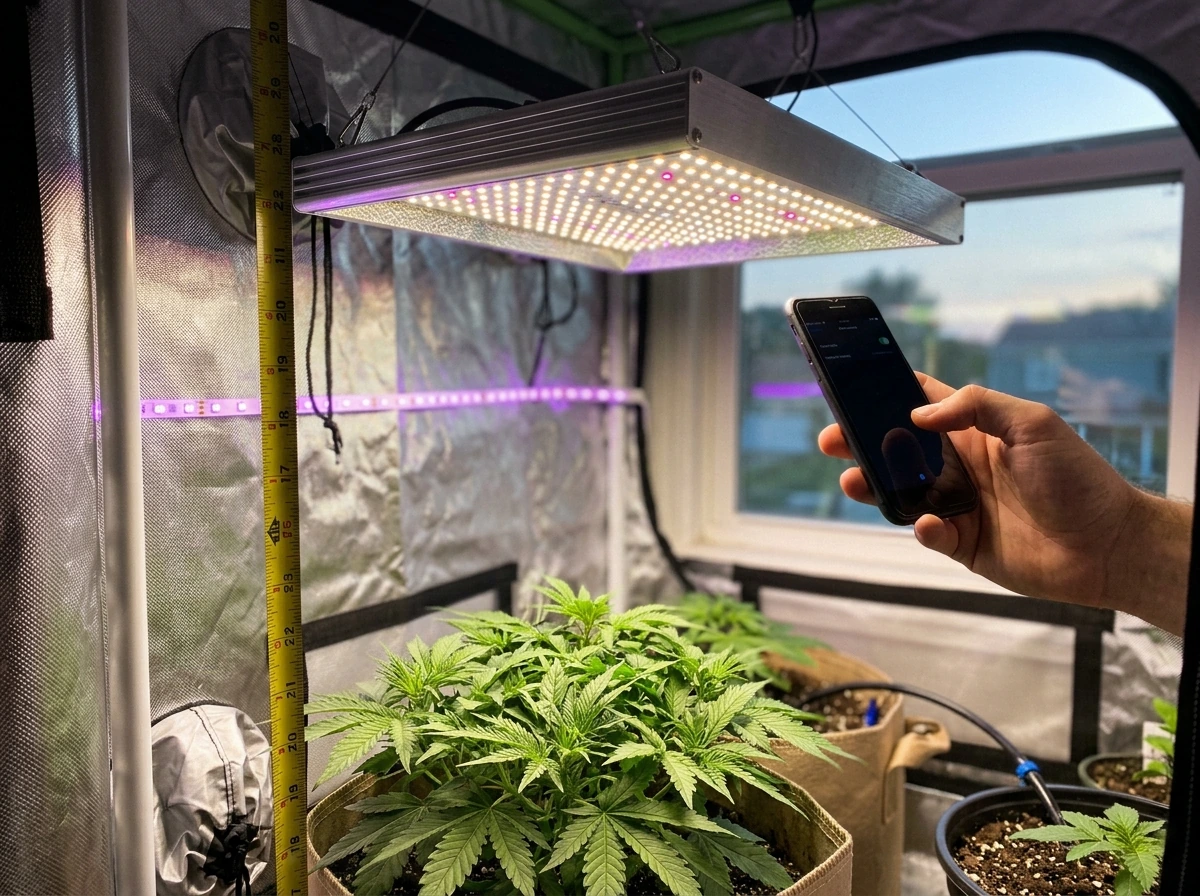
Distance matters too. Review PPFD maps are tied to a specific hanging height. If the review tests a fixture at 18 inches and your tent ceiling forces you to hang at 30 inches, the PPFD at canopy will drop noticeably. Most reviews in the 2020 era included this hanging height detail if they were credible; if one doesn't, that number is essentially meaningless for your setup.
The real cost of running your grow light long-term
The purchase price of a grow light is rarely the biggest number in its lifetime cost. Power draw, heat management costs, and eventual replacement parts usually add up to more. Here's how to think through the full picture.
Power and electricity
A year-long LED greenhouse study found 43% energy savings versus conventional HPS lighting in real operating conditions. That finding aligns with the efficacy gap: running a 500W LED at 2.5 µmol/J versus a 1000W HPS at 1.7 µmol/J delivers more photons for significantly less electricity. The math is simple: multiply your fixture wattage by your daily photoperiod hours by your local electricity rate, then multiply by 365. That's your annual electricity cost. For a 600W LED running 12 hours a day at $0.13/kWh, that's roughly $340/year just in electricity. An HPS setup producing the same light output would draw more watts and cost proportionally more.
Heat and cooling
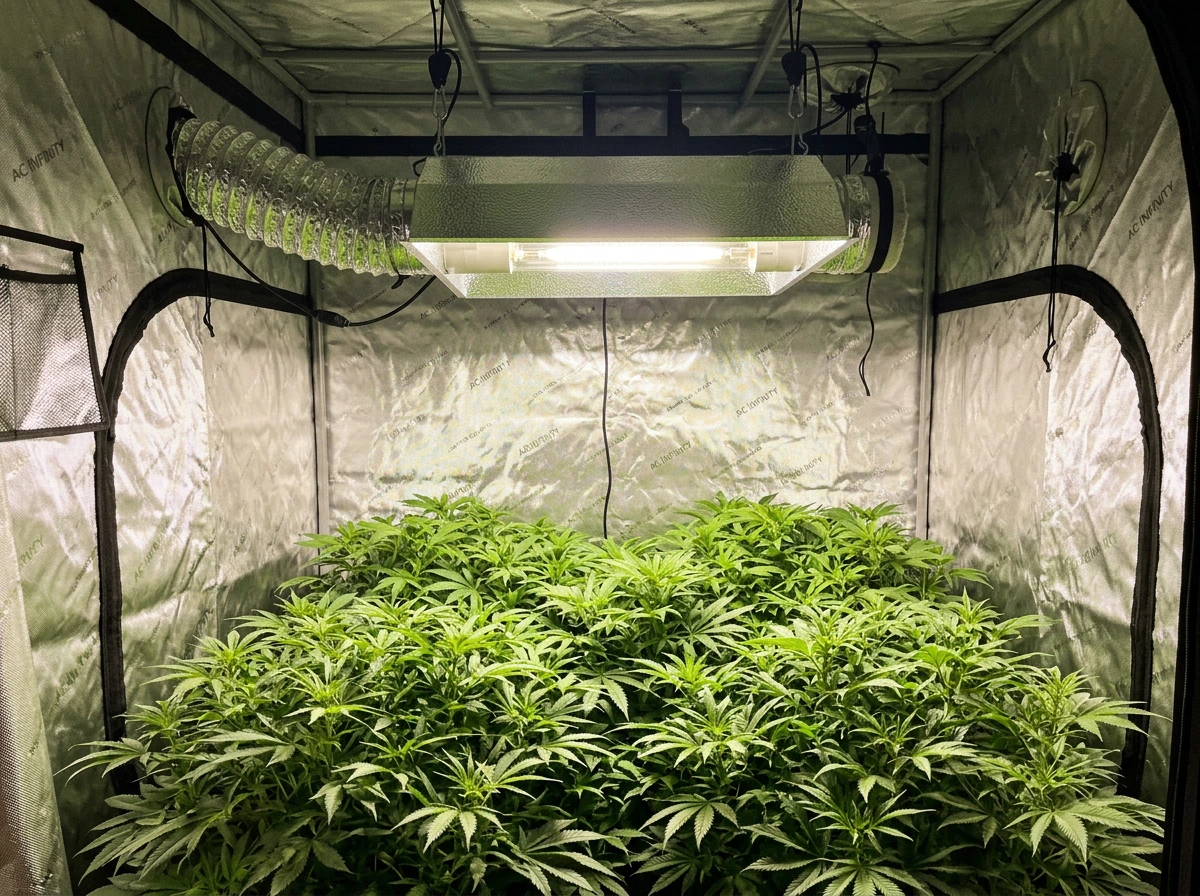
HPS and CMH generate substantial heat that requires active ventilation and often air conditioning, adding to both electricity costs and equipment complexity. Quality LED fixtures running at 2.0+ µmol/J produce dramatically less heat per photon delivered, which simplifies your HVAC math. In a tent setup, the difference between a good LED and an HPS often determines whether you need a portable AC unit, which can easily cost $200–400 upfront plus ongoing electricity.
Lifespan and warranty
The DLC (DesignLights Consortium) horticultural quality standard requires Q90 performance at or above 36,000 hours and a minimum 5-year warranty for qualifying fixtures. Q90 means the fixture maintains at least 90% of its initial photon output at 36,000 hours of operation. Some DLC-listed fixtures carry expected life assumptions of 50,000 hours. If a review's 'top pick' doesn't meet these thresholds, it's either a budget option being priced correctly or a product that shouldn't be positioned as a long-term investment. Reviews that praise a fixture but skip warranty details are leaving out a critical variable.
Replacement parts and driver longevity
Drivers (the power supply inside the fixture) are typically the first component to fail in an LED grow light. Quality fixtures use drivers from brands like Meanwell, which are well-regarded for longevity and have replaceable units available independently. If you're buying a fixture from a brand that uses a proprietary driver with no independent sourcing, you're dependent on that brand existing and supporting the product in 5+ years. This is worth checking before you buy, especially for fixtures reviewed in 2020 that may now be in grey-area support territory.
Real-world performance checklists by setup type
The criteria shift slightly depending on how you're growing. Here are practical checklists for the three most common hobby setups.
Grow tent setup
- Confirm the PPFD map covers your full tent footprint at your actual hanging height, not just center peak
- Check that the fixture's heat output won't require a second cooling device unless you've planned for that
- Verify dimming capability so you can match intensity to seedling, veg, and flower stages in the same tent
- Confirm fixture dimensions fit your tent crossbar layout (bar fixtures especially have width constraints)
- Look for a reflective environment correction in the review, or add 10–15% usable PPFD mentally if your tent is properly lined with Mylar
Shelf or rack setup
- Prioritize low-profile fixtures (T5-style or thin bar LEDs) that maintain adequate hanging distance from the canopy
- Verify PPFD at very short distances (12–18 inches) since shelf grows often constrain hang height severely
- Check thermal output closely; shelf environments have less airflow than tents and heat accumulates
- Confirm the fixture can run on standard outlet power without a dedicated circuit for small shelf setups
- For seedlings and clones specifically, look for reviews that test at low intensity settings, not just maximum output
Hydroponic system (DWC, NFT, ebb-and-flow)
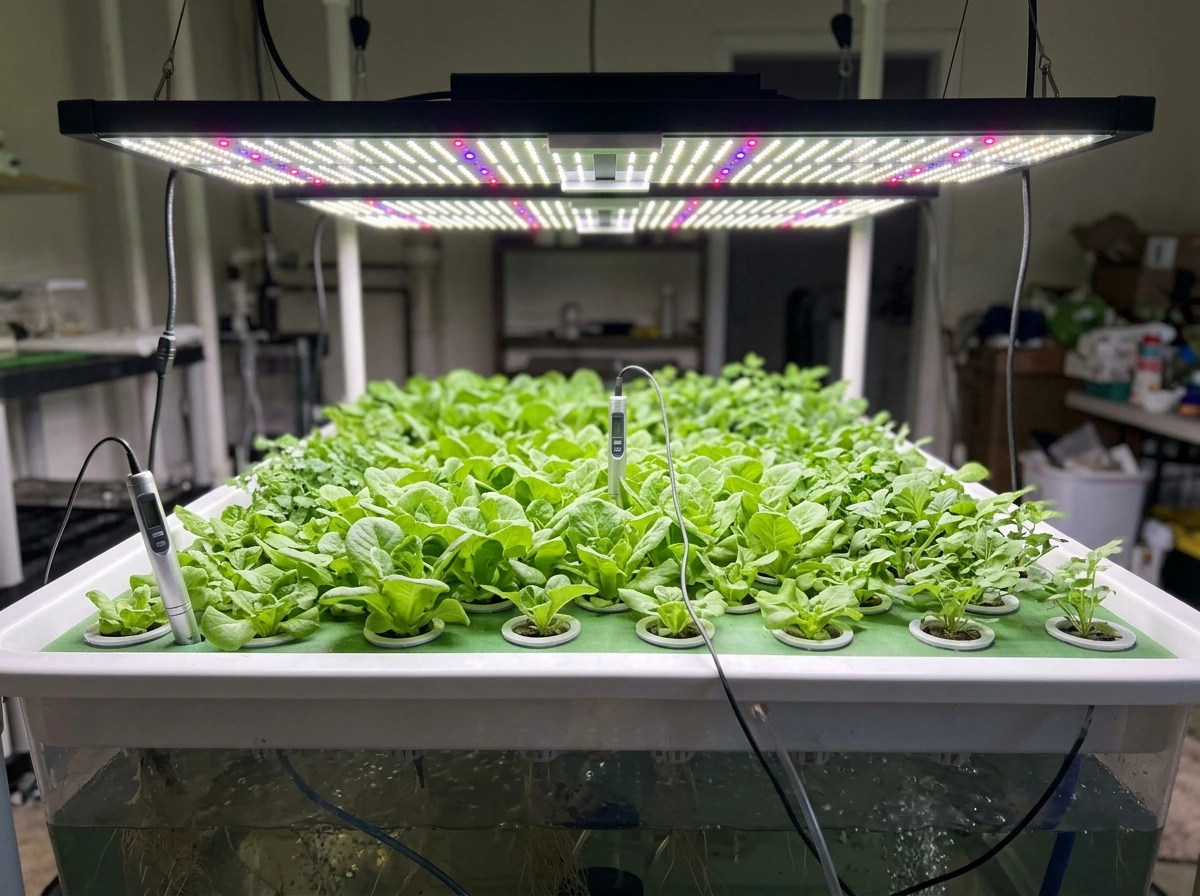
- Prioritize PPFD uniformity over peak numbers; hydro canopies are often flat and even, so edge-to-edge uniformity matters most
- Confirm the fixture's IP rating or ingress protection, particularly for humid environments with regular misting or condensation
- Look for reviews that test under reflective conditions, since many hydro setups use highly reflective growing trays and walls
- Plan lighting DLI (daily light integral) carefully since hydro plants can often handle higher daily light doses than soil plants
- Verify that the review's stage targets align with your specific crop, not just cannabis-centric PPFD targets
How to turn reviews into a shortlist and make an actual decision
Reading reviews without a decision framework just leads to paralysis. Here's the step-by-step method I use to get from 'I've read a bunch of reviews' to 'I know which fixture to buy.'
- Define your grow area footprint and primary plant stage first. Write down your tent or shelf dimensions and whether you're primarily vegging, flowering, or doing full-cycle grows. This determines your PPFD target range before you touch a single review.
- Set a minimum efficacy threshold of 2.0 µmol/J. Immediately discard any fixture (or review praising a fixture) that doesn't hit this number from measured data. If a review doesn't report efficacy in µmol/J at all, it's not a useful technical review.
- Require a PPFD map. The review must show spatial light distribution across your target footprint at a stated hanging height. A single peak PPFD number is not a PPFD map. If the fixture you're considering has no published PPFD map from any credible source, that's a hard stop.
- Check the review's test conditions. Was the fixture tested in a reflective enclosure or open air? What was the hanging height? Was any normalization applied? Open-air tests at arbitrary distances are significantly less useful than normalized comparisons. Adjust your expectations accordingly.
- Verify the exact fixture model against current listings. Confirm the model number, chip generation, and driver brand match between the reviewed unit and what's currently in stock. A 2020 review of a fixture using LM301H chips is only useful if the current production still uses the same chip bin.
- Cross-reference warranty and company longevity. Look for a 5-year warranty minimum and evidence that the brand is still actively selling and supporting products. A great review of a discontinued fixture from a brand that no longer answers support emails isn't useful.
- Run a basic TCO calculation. Multiply the fixture's actual wattage draw by your daily photoperiod hours, multiply by your electricity rate per kWh, and multiply by 365 days. Compare that number across your shortlisted options. A fixture that costs $100 more upfront but draws 150 fewer watts will pay back that difference in under a year in most cases.
- Narrow to two or three options and check for current hands-on reviews or grower community feedback from the past 12–18 months. Our grow light reviews 2024 coverage and the broader community resources can help you validate whether a 2020 top pick still holds up in current production runs.
- Buy based on your PPFD target and budget, not wattage claims. Once your shortlist meets the efficacy, uniformity, warranty, and TCO criteria, the tiebreaker should be which fixture delivers your target PPFD across your specific footprint at a hanging height that works for your space.
The core insight from working through hundreds of grow light reviews is that the lights that consistently performed well in 2020 and still perform well today share the same characteristics: measured efficacy at or above 2.0 µmol/J, honest PPFD maps that show uniform coverage rather than just a peak number, thermal management that keeps diodes running cool and long, and warranty terms that reflect genuine confidence in the product. Use them as your filter, and the remaining choices become much more manageable. grow light reviews 2024
FAQ
How can I tell if a “reviewed in 2020” grow light is the same model I’m buying today?
Check the exact SKU or part number and compare it to the manufacturer’s current listing, then verify the LED driver brand or driver model if that’s shown. If the seller only shows a broad product name (for example, “LM301H bar light”), you risk getting a revised board with different diodes or a different driver, which can change both efficacy and dimming behavior.
What’s the safest way to compare two lights when their PPFD maps use different hanging heights?
Use the review’s stated hanging height and, if possible, its map at that height, then confirm your own canopy distance before comparing. If the review lacks the test height, treat PPFD claims as weak, and only compare if you can find another source that reports normalized PPFD at a common mounting height.
Is it okay if a review only gives peak PPFD, not a PPFD grid?
Peak-only results are not enough for a reliable decision, because center coverage can look strong while the edges are underpowered. Look for grid measurements across the footprint or at least multiple measurement points, otherwise you may end up with uneven canopy growth and you’ll have trouble matching your target PPFD across the tent.
If a light has a high µmol/J number, does that guarantee it will perform well in my tent?
Not automatically. High efficacy helps, but performance can still be limited by poor uniformity, optics that don’t match your plant height, or dimming limits at your desired photoperiod. Confirm that the same fixture also publishes a usable PPFD map for the hanging height you will actually use.
Do I really need dimming for seedlings and veg, or can I just run full power?
Many seedlings and early veg setups benefit from dimming because they typically need lower canopy PPFD and gentler acclimation. If the fixture supports true 0-10V dimming (or reliable step dimming) verify the dimming range and whether it stays stable under your controller, otherwise “dimming capable” may still mean limited control.
What should I look for regarding warranty, if a review says the light is high quality?
Confirm the warranty length and the exact coverage terms, such as whether it includes drivers and if it covers output reduction performance. A short warranty (or warranty that excludes key components) is a practical red flag even when efficacy numbers look excellent.
How do I judge driver quality without opening the fixture or finding internal parts?
Look for the driver brand or driver model in the product spec, user manual, or credible teardown content. If the driver is proprietary and not independently identifiable, you are more dependent on ongoing manufacturer support, especially for 2020-era models where revision or discontinued parts can occur.
Are “full spectrum” LEDs always better for all growth stages?
No. “Full spectrum” marketing is not the same as a spectrum that provides the right balance across red and blue while staying within the photosynthetically useful range. For stage flexibility, prioritize reviews that show spectral power distribution or chip/bin details, and then match the spectrum intent to veg versus flowering targets.
What’s a realistic rule for using 2020 pricing, ratings, or recommendations in 2026?
Treat 2020 performance numbers as a technical reference, not a buying recommendation. Revisions, driver changes, and availability of newer competitors can shift value, so re-check that the current SKU still meets the same efficacy and warranty expectations before paying a premium for an older “best pick.”
If a review doesn’t mention PPF or efficacy units, can I still trust it?
You should be skeptical. Without measured PPF, µmol/J, or lab-style output documentation, you cannot verify the output claims or compare fairly against other lights. In that case, only consider the review if it provides enough third-party data to reconstruct performance at canopy level.