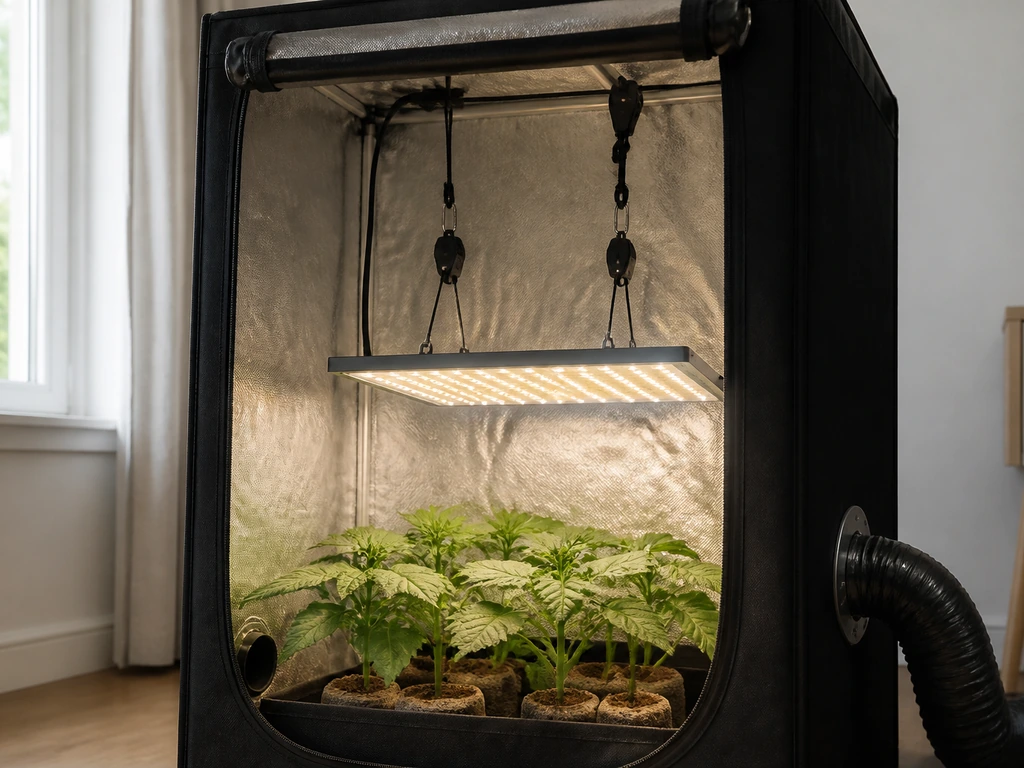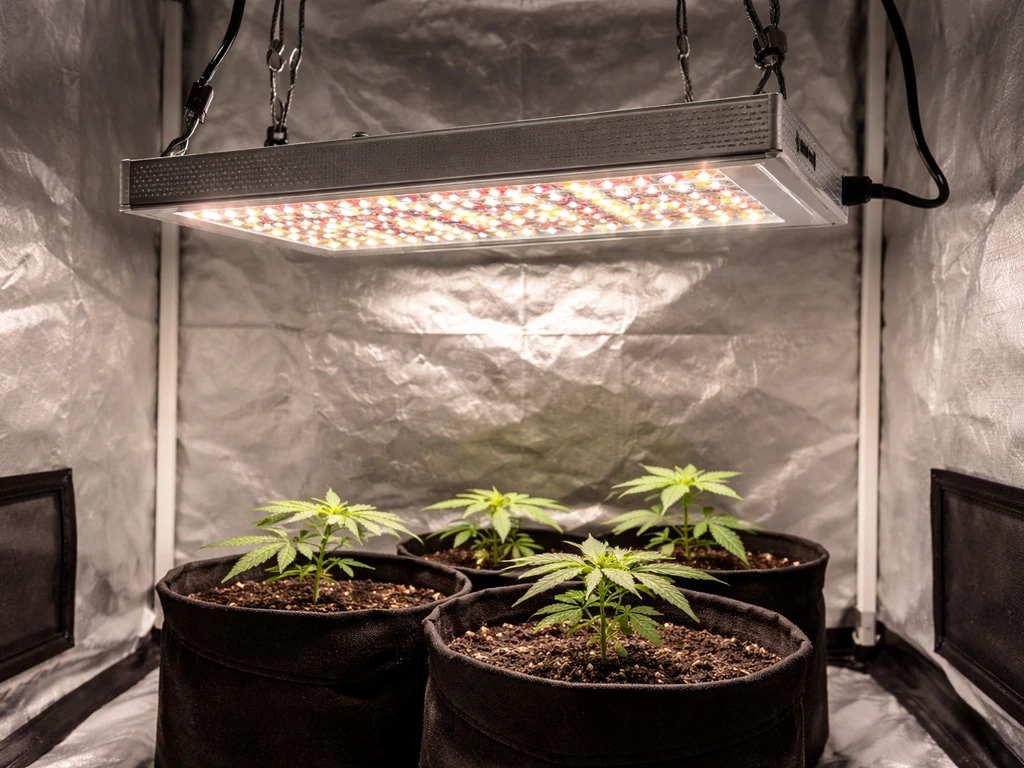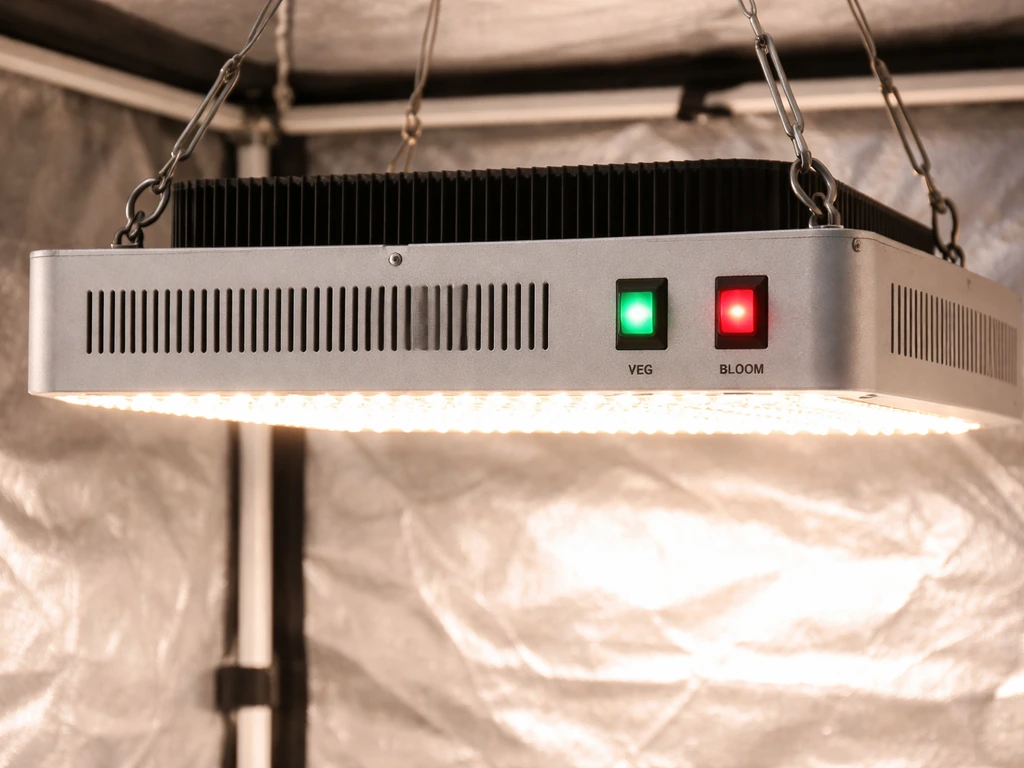
HLG (Horticulture Lighting Group) makes some of the most consistently recommended LED grow lights on the market right now, and for most indoor growers the HLG 550 V2 R-Spec or the HLG 650R will be the right call. If you want a hands-on perspective before buying, a garpsen grow light review can help you compare real-world results to the specs and charts here HLG 550 V2 R-Spec.
HLG Grow Light Review and Buying Guide by Wattage

Marcus Caldwell
2 May 2026
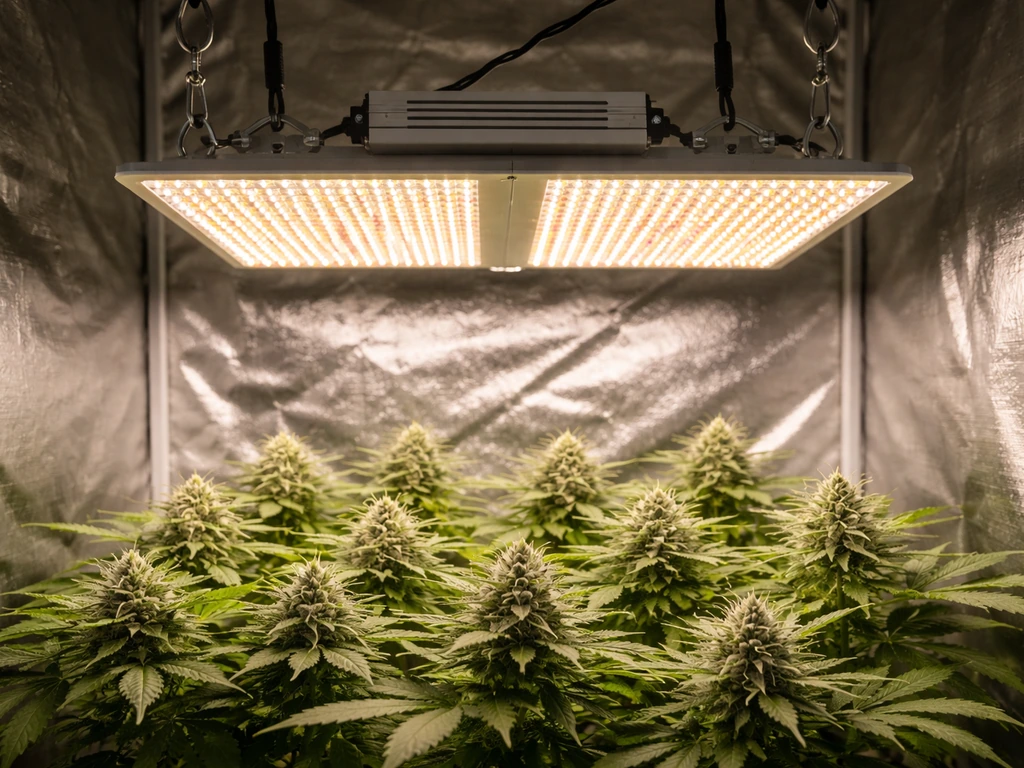
The 550 V2 covers a 5x5 flowering footprint, the 650R steps that up to a 4x4 or 5x5 with more intensity, and the HLG 350 Diablo is the go-to if you want a single-light workhorse that punches above its wattage. If you're working a smaller space, the HLG 100 V2 handles a 2x2 cleanly. The rest of this guide breaks down the full lineup, real performance numbers, and exactly how to size one to your tent.
What HLG actually is and who these lights are built for
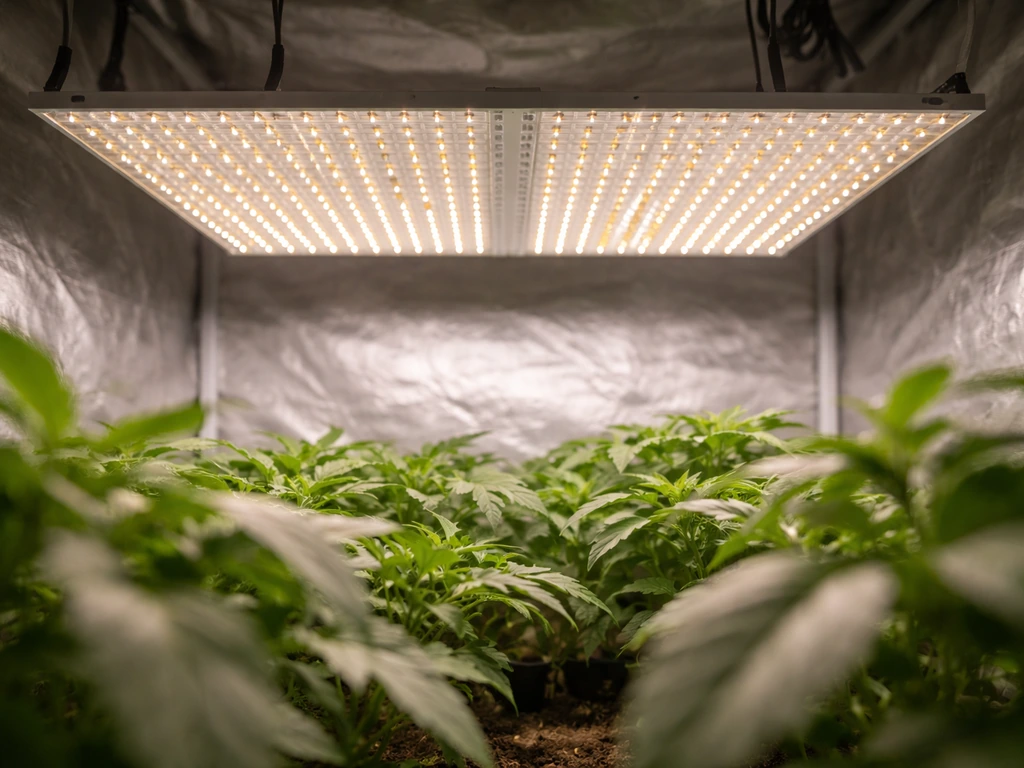
Horticulture Lighting Group is the company that effectively popularized the Quantum Board LED format for hobbyist growers. A Quantum Board is a large, flat PCB densely populated with small, efficient LEDs, usually Samsung diodes, spread across the board surface to produce even canopy coverage with relatively low heat concentration. HLG designs the fixtures in-house and pairs them with Mean Well drivers, which are an industry standard for reliability and dimming functionality.
These lights are best suited for serious hobbyists, small-scale cultivators, and anyone stepping up from blurple LEDs or HID setups. HLG is not the cheapest brand on the market, but the price gap over budget competitors narrows fast when you factor in efficiency and lifespan. The lineup now also extends into greenhouse and commercial configurations, like the HLG Greenhouse Pro HE, so this is not strictly a tent-light brand anymore, though that is where most buyers will be using them.
The HLG product lineup: wattages, boards, and spectrum options
HLG organizes its lineup roughly by wattage class, and within each class you will usually find at least a white-light (full spectrum) variant and an R-Spec variant. R-Spec means red-spectrum enhanced: the board mixes Samsung LM301H broad-spectrum diodes with LH351H V2 deep red 660nm diodes, which is particularly useful for flowering. The 4000K or 3000K white-light versions are more generalist and work well across veg and flower stages.
| Model | Draw (W) | Board/Diode Platform | Key Spectrum | Claimed Coverage (Flower) |
|---|---|---|---|---|
| HLG 100 V2 (4000K) | ~95W | QB 288, Samsung LM301B/H | Full spectrum white (4000K) | 2x2 ft |
| HLG 100 R-Spec | ~95W | QB 288, LM301H + LH351H 660nm | White + deep red enhanced | 2x2 ft |
| HLG 350R | ~320W | QB 288 Rspec, LM301H + LH351H 660nm | White + deep red enhanced | 3x3 – 4x4 ft |
| HLG 350 Diablo | ~330W | Diablo platform | Full spectrum + enhanced red | 3x3 – 4x4 ft |
| HLG 550 V2 R-Spec | ~480W | QB 288 Rspec, LM301H + LH351H 660nm | White + deep red enhanced | 5x5 ft (flower), 6x6 ft (veg) |
| HLG 650R | ~630W | QB 648, LM301H + LH351H 660nm | White + deep red enhanced | 4x4 – 5x5 ft (high intensity) |
| HLG Greenhouse Pro HE | Varies | Integrated reflector design | Full spectrum | Commercial/greenhouse rows |
The 650R is built on the QB 648 board platform, while the 550 V2 uses the QB 288 Rspec boards. That difference matters practically: the 650R concentrates more photons into the same footprint for higher PPFD, while the 550 V2 spreads its output across a slightly wider area. The 350 Diablo is HLG's answer to replacing a 600W HID at 330W draw with a claimed system efficacy of 2.80 µmol/J, which is among the better numbers in the mid-range class.
How these lights actually perform: what to look at beyond the spec sheet
Efficiency (µmol/J)
This is the number that tells you how well a light converts electricity into usable plant light. The HLG 350 Diablo is rated at 2.80 µmol/J, which is genuinely competitive for 2026. The 550 V2 R-Spec and 650R are in the same efficiency range. For context, anything above 2.5 µmol/J is considered high-efficiency in practical terms. HLG publishes efficiency reports for several models on their official downloads portal, so you can pull the actual lab data rather than relying on marketing copy.
PPFD and coverage uniformity
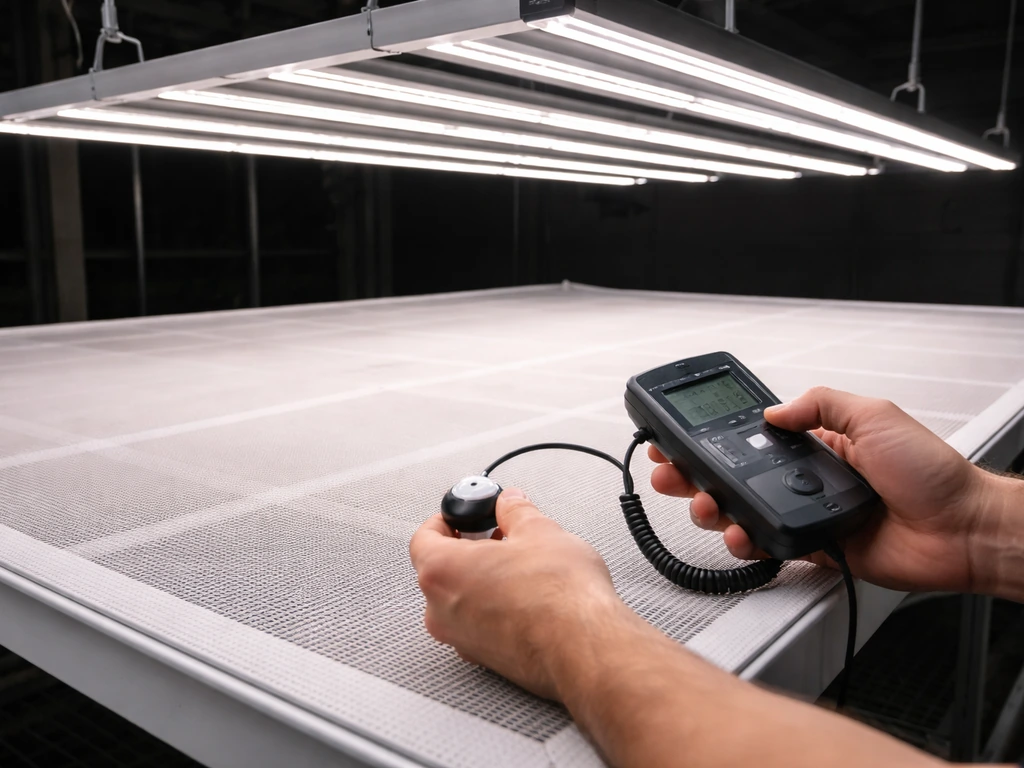
HLG publishes PPFD charts for models like the 650R at multiple hanging heights, and independent lab PPFD reports are available through their downloads page as well. When reviewing these, look at both the center-point PPFD and the average across the footprint. A light that hits 1,200 µmol/m²/s in the center but drops to 400 at the corners will underperform a light with a more even distribution averaging 900 across the canopy. The Quantum Board format generally produces good uniformity because the LEDs are spread across a large surface area rather than concentrated in a bar or chip.
Spectrum
The R-Spec and Diablo variants include deep red 660nm diodes blended with the broad-spectrum white LEDs. In practice, this adds a push in the red range that most growers associate with denser flowering. The 4000K white-only version of the HLG 100 is a cleaner, more neutral spectrum that works well for seedlings, clones, veg, or mixed plant growing where you do not need the extra red weight. Neither is wrong; they just suit different use cases.
Build quality and drivers
HLG uses Mean Well HLG-series drivers across the lineup. These are well-regarded, and the driver spec sheets confirm a '3 in 1 dimming function' on B and AB type variants, meaning you can dim by analog voltage signal, resistance, or PWM depending on your controller setup. The fixtures themselves are aluminum-framed and built to dissipate heat passively, which means no fans and no fan noise. The passive heatsink design works well in spaces with reasonable airflow, but in a sealed hot room the driver and boards will run warmer than spec, which can affect longevity if not managed.
Dimming and controls
Most HLG fixtures include a dimmer knob on the driver for manual adjustment. Higher-end models support external controller integration via the Mean Well driver's dimming input. This is useful for running a sunrise/sunset dimming schedule or for dialing back intensity during early veg without swapping the light. If controller integration is important to your setup, verify the driver type on the specific model before buying because not all variants have the same input options.
Model-by-model picks: which HLG light for which setup
Best for a 2x2 tent: HLG 100 V2 or 100 R-Spec
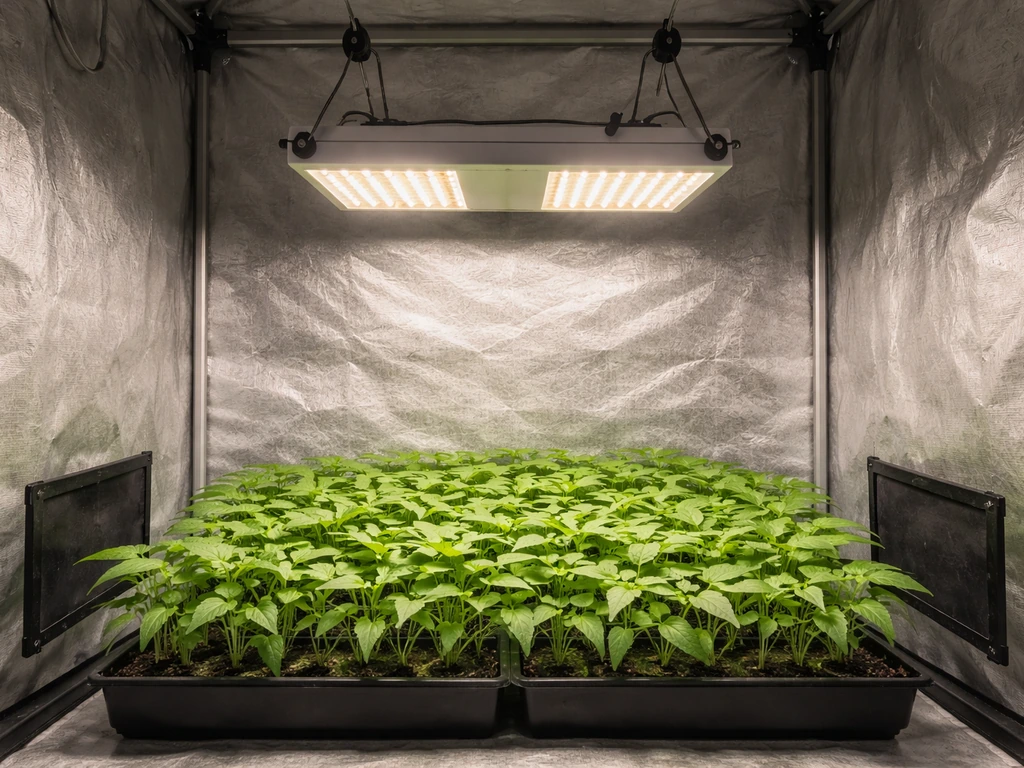
The HLG 100 V2 draws around 95W and is well-matched to a 2x2 flowering footprint. It runs 192 LEDs on a QB 288 board, produces even coverage for a small tent, and stays cool enough that heat management is rarely a problem at this scale. The 4000K version is a great all-rounder for herbs, seedlings, or a veg-only setup. If you are flowering a single plant or two and want the extra red push, the 100 R-Spec with its Samsung LM301H plus LH351H 660nm combination is the better call. Both carry a 3-year warranty.
Best mid-range: HLG 350 Diablo
At 330W draw with 2.80 µmol/J efficacy, the 350 Diablo is the most compelling mid-range option in the HLG lineup right now. It is spec'd to replace a 600W HID, which is a claim that holds up in practice based on community reports and published output numbers. It suits a 3x3 to 4x4 footprint in flower and makes sense for growers who want meaningful yield potential without running a 600W+ fixture. If you are coming from an HID background and want the most direct swap, this is the model to look at.
Best for a 4x4 to 5x5: HLG 550 V2 R-Spec
The 550 V2 R-Spec is the model that put HLG on the map for a lot of growers, and it still earns its reputation. The manufacturer rates it at 5x5 for flowering and 6x6 for veg, and the QB 288 Rspec boards with deep red 660nm diodes handle both stages well. At around 480W, it is a serious fixture that demands proper tent ventilation, but the passive cooling design means the only noise in your room is your exhaust fan. This is the best overall pick for a standard 4x4 or 5x5 tent.
Best for maximum intensity in a 4x4 to 5x5: HLG 650R
The 650R runs at about 630W and is built on the QB 648 board platform rather than the 288 boards in the 550 V2. That difference produces higher PPFD in the same footprint, making it better for light-hungry plants or for growers pushing CO2-supplemented environments where plants can actually use 1,000+ µmol/m²/s at canopy. HLG publishes PPFD charts for the 650R at both 24-inch and 30-inch hanging heights, and independent lab reports are available through their downloads portal. If you are running a 4x4 and want more headroom in intensity rather than coverage, the 650R is the better choice over the 550 V2.
Best for commercial or greenhouse runs: HLG Greenhouse Pro HE
The Greenhouse Pro HE is designed for rows of plants rather than tent canopies, with an integrated reflector design built to direct photons efficiently toward the canopy in open-space environments. It is not the right light for a 4x4 tent but is worth knowing about if you are planning a larger dedicated room or transitioning from a hobby setup to something more production-oriented.
Sizing an HLG light to your space: coverage, height, PPFD, and DLI
The manufacturer coverage claims are a starting point, not a guarantee. Coverage at what PPFD? At what height? These are the questions that actually matter. For flowering cannabis or high-light crops, you want to target roughly 600 to 900 µmol/m²/s at canopy for a 12-hour photoperiod, which works out to a DLI of about 26 to 39 mol/m²/day. For herbs, leafy greens, or veg-stage growth, 200 to 400 µmol/m²/s is more appropriate, and you can run longer photoperiods to build DLI without stressing the plant.
HLG publishes PPFD maps for models like the 650R at specific hanging heights, typically 24 inches and 30 inches above canopy. Use those charts to find what average PPFD the light delivers across your actual footprint at your intended hanging height, not just the center-point peak. If the light is dimmable (which all current HLG fixtures are to some degree), you can dial back intensity during early veg and ramp up as plants develop. That flexibility makes a single fixture more useful across the full grow cycle.
| Grow Space | Target PPFD (Flower) | Recommended Model | Draw (W) | Hanging Height (approx.) |
|---|---|---|---|---|
| 2x2 ft | 600–800 µmol/m²/s | HLG 100 V2 / 100 R-Spec | ~95W | 18–24 in |
| 3x3 ft | 700–900 µmol/m²/s | HLG 350R or 350 Diablo | ~320–330W | 18–24 in |
| 4x4 ft | 700–1,000 µmol/m²/s | HLG 550 V2 R-Spec (dimmed) or 650R | ~480–630W | 20–30 in |
| 5x5 ft | 600–900 µmol/m²/s | HLG 550 V2 R-Spec or 650R | ~480–630W | 24–36 in |
| Large room / greenhouse | Varies by crop | HLG Greenhouse Pro HE | Varies | Manufacturer spec |
DLI is calculated by multiplying average PPFD (in µmol/m²/s) by photoperiod hours, then multiplying by 3.6. For example, a light delivering 700 µmol/m²/s for 12 hours gives a DLI of about 30.2 mol/m²/day, which is squarely in the sweet spot for most flowering crops. If your PPFD is lower, extend your photoperiod slightly to compensate, within the plant's day-length requirements.
Value breakdown: what you actually pay per photon and over time
HLG lights are not cheap upfront. If you want a deeper walkthrough of day-to-day performance and real results, this HLG 600h grow light review breaks it down model by model and notes the practical tradeoffs. The 100 V2 sits around $150 to $180, the 550 V2 R-Spec is typically in the $550 to $650 range, and the 650R can run $700 to $900 depending on where you buy it. The 350 Diablo lands in the $400 to $500 range. These prices are meaningfully higher than the budget LED options you see from newer brands, but the efficiency numbers tell the rest of the story.
At 2. 80 µmol/J for the Diablo and comparable numbers for the 550 V2 and 650R, HLG fixtures convert electricity into usable light at a rate that significantly reduces operating costs versus older LED designs or HID lighting. Running a 330W light at $0. 15/kWh for 12 hours a day costs roughly $0.
59 per day, or about $18 per month. Over a 5-year lifespan, the operating cost difference between an efficient fixture and a less efficient one running at similar wattage adds up to hundreds of dollars. The Mean Well drivers are also a genuine reliability asset here: they are rated for tens of thousands of hours and are field-replaceable if something does go wrong, which is not something budget brands can offer.
The 3-year warranty on HLG products (confirmed across the 100 V2 and 100 R-Spec manuals, and consistent across the broader lineup) is a reasonable but not exceptional coverage period. Some competitors are moving to 5-year warranties, so it is worth checking the current warranty terms before purchase since HLG has updated these before. If you are comparing HLG against other premium brands, the warranty length, driver quality, and published performance documentation are all comparison points worth weighing.
For alternative brands in this performance tier, you might also look at reviews of other high-efficiency options to set realistic expectations across the category. If you want a closer look at one specific model in this HLG line, read the diamond series LED grow light review for real-world perspective.
Setup tips, common mistakes, and what to check before you buy
Getting setup right from day one
- Start with the light at the top of its height range and dim it to 75% during early veg. Ramp up intensity and lower the height as plants mature into flower.
- Use the PPFD charts from HLG's downloads page to confirm your actual hanging height delivers the intensity you want across your full canopy, not just in the center.
- HLG fixtures are passively cooled, so tent airflow matters more than with active-cooled lights. Make sure your exhaust fan creates enough air movement across the heatsink.
- The dimmer knob on the driver is your primary control. For controller integration, verify your driver type supports external dimming input before buying a separate controller.
- Mount the light using the included hang kit, but add a safety cable as a backup. These fixtures are not heavy, but the habit is worth building.
Common mistakes to avoid
- Hanging the light too close at full power during seedling or early veg stages causes bleaching and light stress. Start higher and dimmer.
- Choosing a model by its marketing wattage (e.g., '600W equivalent') rather than its actual draw. The Diablo draws 330W, not 600W, and that is the number that matters for your electrical circuit and operating cost.
- Ignoring the difference between center PPFD and average canopy PPFD when reading spec sheets. The peak number looks impressive but the average across your footprint is what your plants actually experience.
- Assuming the 5x5 flowering footprint means dense, high-PPFD coverage across the full 5x5. At the edges of any footprint claim, intensity drops. Size up if you want consistent intensity wall to wall.
- Skipping the official PPFD documentation. HLG publishes this for most models. There is no reason to guess when the data is available.
Pre-purchase checklist
- Confirm the actual draw wattage (not the HID-equivalent marketing number) and check your circuit can handle it with headroom.
- Download the PPFD chart for your specific model from HLG's official downloads page and verify the average PPFD at your intended hanging height across your footprint.
- Check whether the driver type on your chosen model supports external dimming input if you plan to use a third-party controller.
- Verify the current warranty terms directly on HLG's website before purchase, as warranty periods and terms can be updated.
- Confirm the hang height range fits your tent. The 650R at full power needs more distance than the 100 V2, and low-ceiling tents can limit your options.
- Look at whether you need a white-light spectrum (better for multi-stage or general growing) or an R-Spec variant (better for dedicated flowering rooms).
- Check the driver model number and cross-reference the Mean Well spec sheet to confirm dimming compatibility if that feature matters to your setup.
FAQ
Is the hlg grow light review advice about 4x4 or 5x5 coverage actually reliable, or do I need to verify PPFD myself?
You should verify. Use the published PPFD maps at your exact hanging height, then compare center and average across the full footprint. Manufacturer “coverage” claims are a starting point, and the average PPFD is usually what determines whether flowering crops reach the target DLI without underfeeding.
What hanging height should I assume when choosing between the 550 V2 and the 650R?
If you plan to hang at 24 inches, the 650R typically gives you more usable intensity headroom across the canopy. If your setup forces a higher hanging height, check both 24-inch and 30-inch PPFD maps, then size based on average PPFD at that height rather than the peak at center.
Can I run one HLG Quantum Board light through veg and flower by adjusting settings?
Yes, as long as you respect the spectrum and intensity needs. R-Spec models add deep red for flowering, but they can still handle veg if you dim appropriately. For seedlings, clones, or mixed plants where you want a cleaner spectrum, the 4000K white versions are often easier to manage because they avoid overemphasizing red.
Do I need an external dimmer/controller, or is the built-in knob enough?
The knob is fine for manual tuning, especially if you start at a lower output and ramp up every few days. If you want automated sunrise/sunset or day-to-day scheduling, you must confirm the specific Mean Well driver’s dimming input type on the exact model and variant, since not every version supports the same controller method.
How do I calculate whether my HLG light will hit the DLI range mentioned in the buying guide?
Start with average PPFD, not the center value, then multiply by your photoperiod hours and multiply by 3.6 to convert to mol/m²/day. If your average PPFD is lower than expected, it is usually better to extend photoperiod slightly than to push intensity to extremes quickly, especially early in flowering.
What’s the biggest mistake people make when reading PPFD charts for HLG fixtures?
Using only the center-point PPFD. Center peaks can look excellent but hide steep drop-offs at the edges, which reduces average canopy light and can lead to inconsistent development. Always compare the average across the footprint at your working height.
Are R-Spec lights worth it if I’m growing non-cannabis crops like herbs or leafy greens?
Often, a 4000K white-light (non-R-Spec) model is the cleaner choice for herbs and leafy greens, since you may not need as much deep-red emphasis. If you do use an R-Spec, plan to verify that the added red does not cause you to over-target flowering-style intensity and shorten your ideal growth dynamics.
Will the passive cooling design be a problem in a hot, sealed grow space?
It can be. Because there are no fans, the system relies on airflow to move heat away from the aluminum frame and driver components. In a sealed hot room, driver and board temperatures can run higher than lab conditions, which may affect long-term longevity, so plan on stronger exhaust or airflow management.
How important are Mean Well drivers, and can they be replaced if something fails?
Mean Well HLG-series drivers are known for reliability, and the key practical benefit is serviceability. If a driver ever fails, a compatible replacement is typically feasible compared to fully sealed, non-serviceable budget fixtures. Still, confirm the driver variant for your exact model before relying on replacement availability.
What warranty expectations should I have for an hlg grow light review decision?
HLG’s coverage is commonly 3 years on the lineup discussed in the guide, but warranty terms can change over time. Before buying, check the current manual or listing for the specific SKU and confirm what is included, since some brands vary how they handle drivers versus boards.
Is the 350 Diablo always the best mid-range pick for people coming from HID, or are there tradeoffs?
It’s a strong HID swap option because it targets a similar performance class at much lower wattage, but you still need to match the footprint and canopy targets. If your grow requires a larger even coverage area, the 550 V2 or 650R may reduce edge under-lighting compared to relying on the Diablo’s intensity in a smaller zone.
What should I do if my tent is smaller than the fixture’s stated flowering footprint?
You generally have two workable options: (1) run the fixture at a lower output and keep the canopy closer to the light so your average PPFD stays in range, or (2) accept that you will get more intensity than needed at least in the center and dim down during early stages. In all cases, base the decision on average PPFD at your real hanging height, not the maximum coverage claim.