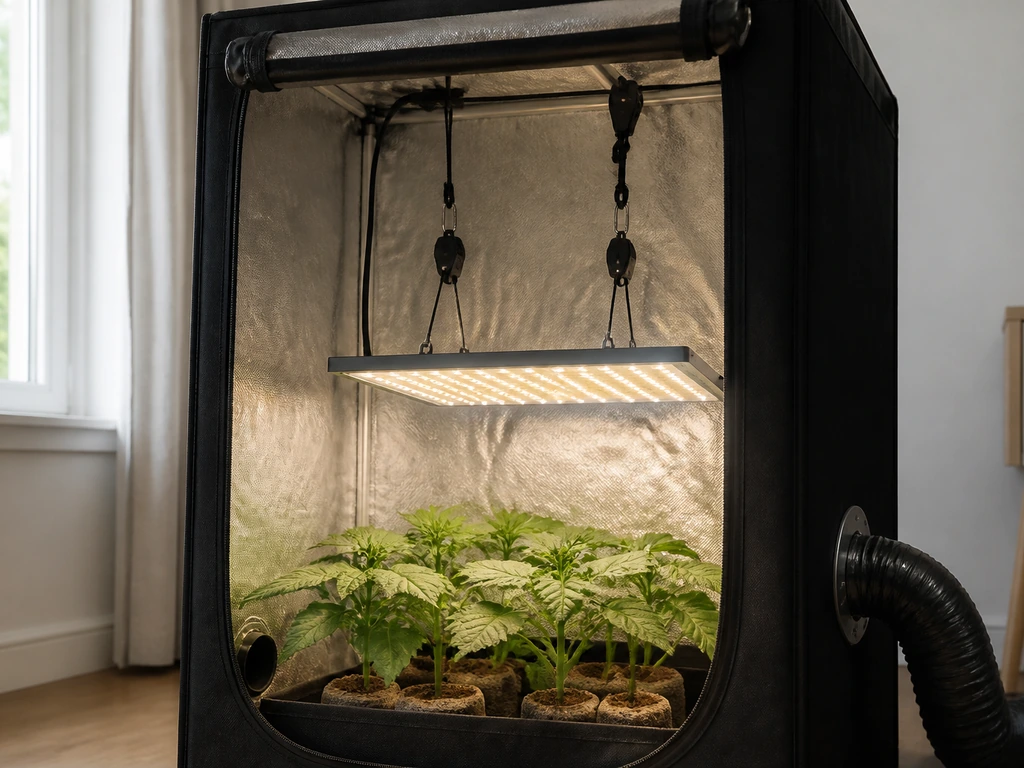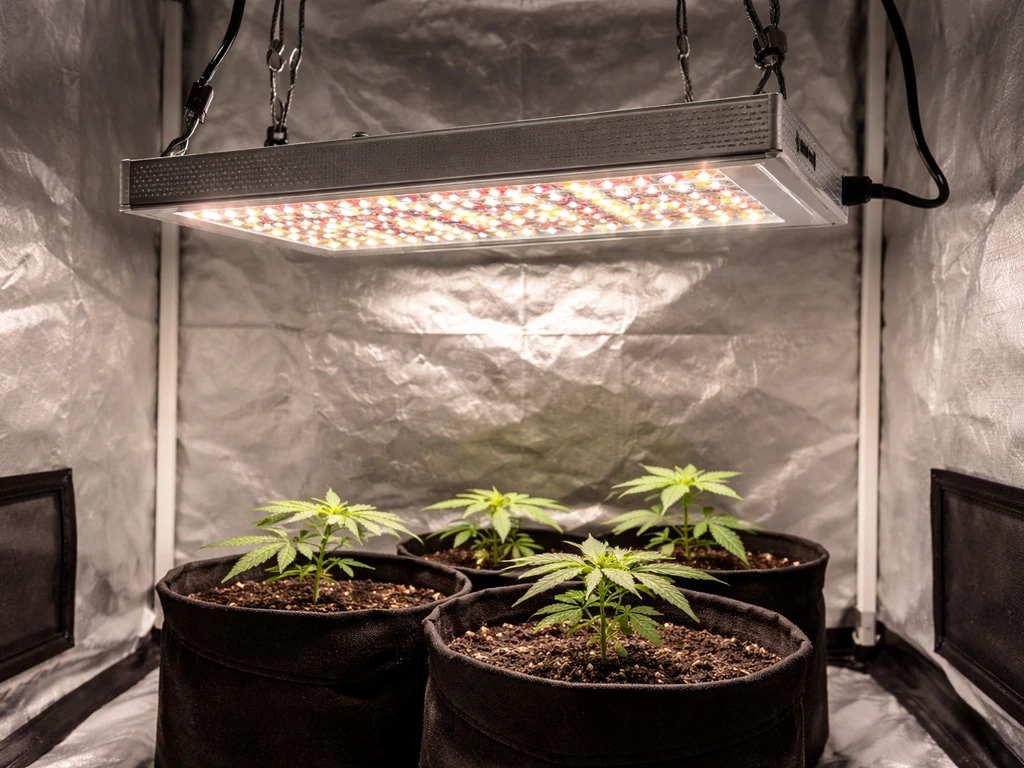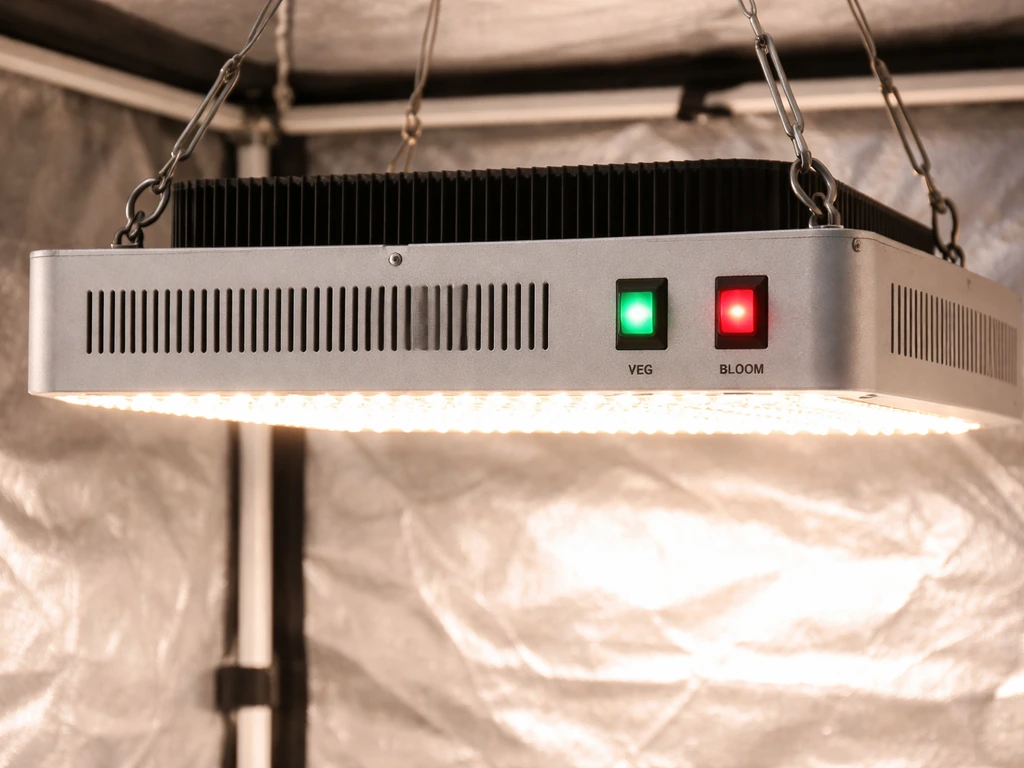
Sonlipo grow lights are a mid-range LED panel brand that shows up a lot in budget and intermediate grow light searches. They use Samsung LM281+ diodes, offer multi-mode spectrum switching (VEG, BLOOM, VEG+BLOOM), and come in a range of wattages from around 200W up to 800W. Some models perform reasonably well for the price. Others have generated enough reliability complaints, including a handful of serious electrical safety reports, that buying one without doing your homework first is a real risk. This guide breaks down the main models, what actual coverage and output to expect, and whether a Sonlipo is the right call for your setup or whether you should be looking elsewhere.
Sonlipo Grow Light Reviews: Real Performance, Coverage, Value

Marcus Caldwell
7 May 2026
What Sonlipo makes and which models are worth looking at
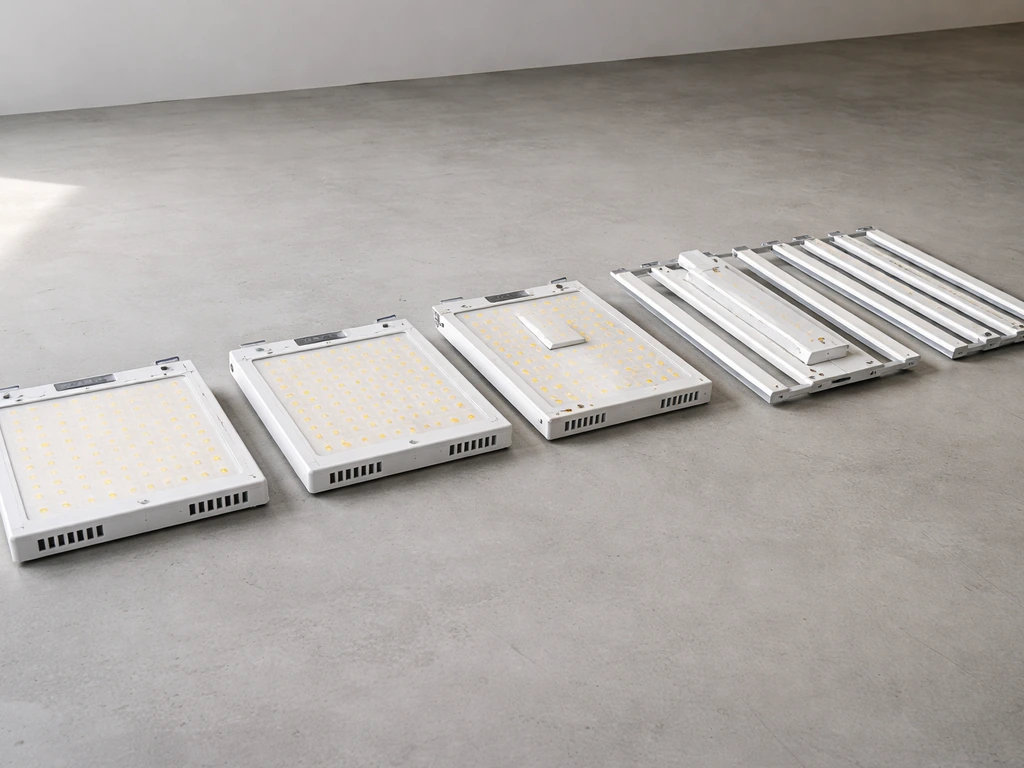
Sonlipo's current lineup spans two main series: the SPF (panel, bar-style hybrid) and SPC (square panel) lines, plus some SPB and SPQ models. The core models you'll run into most often are the SPF2000 PRO (200W, marketed for 3x3 to 4x4 ft), the SPC2500 (250W, 4x4 ft claim), the SPF4000PRO (400W, 5x5 ft), the SPC6500 (450W, up to 5x5 ft), the SPQ4000 (450W, 4x4 to 6x6 ft depending on stage), and at the top end the SPF6000PRO (600W, 6x6 ft) and SPF8000 PRO (800W, 7x7 ft). All of the current lineup uses Samsung LM281+ or Samsung 2835 diodes, which is a legitimately good chip choice at this price tier. Most models include a dimmer knob, a built-in timer function, and the three-mode spectrum switch.
The models that get the most real-world discussion are the SPC2500 and the SPC/SPF 4000-class lights. The SPF2000 PRO and SPB2400 are popular entry points. If you're shopping for a 3x3 tent, the SPB2400 or SPF2000 PRO are the relevant options. For a 4x4, the SPC2500 or SPF4000PRO are the ones to evaluate. Anything larger than a 4x4 tent pushes you toward the SPC6500 or SPQ4000.
Real-world output, coverage footprint, and mounting height
Marketing PPFD numbers from Sonlipo's own pages should be taken with a grain of salt. The SPC6500 page, for instance, claims up to 1,965 µmol/m²/s from a 450W fixture, and the SPF2000 PRO claims 1,460 µmol/m²/s at 200W. These figures are almost certainly peak-center measurements taken at close range, not average canopy values across a 4x4 footprint. In practice, one user who tested the SPC6500 found actual power draw sitting between 340 and 360 watts rather than the rated 450W, which is a meaningful gap if you're calculating intensity per watt.
Coverage claims also stretch optimistically. The SPF2000 PRO is marketed up to a 4x4 ft footprint, but at least one grower running eight plants in a 4x4 tent found the light insufficient for that space. That matches what the specs actually suggest: 200W across 16 square feet is only 12. 5W per square foot, which is on the thin side for dense canopies at flower.
A more realistic use case for the SPF2000 PRO is a 3x3 tent or a 2x4 shelf grow. The SPC2500 at 250W fares similarly, the SPB2400 manual (a closely related 250W model) explicitly lists "perfect for 3x3 ft, max coverage 4x4 ft" with a recommended hanging height of 1 to 5 feet, which is a honest and useful spec.
For a genuine 4x4 grow with light-hungry plants, you want to be looking at the SPF4000PRO (400W) or the SPC2500 pushed hard in BLOOM mode at close range. The SPC6500 and SPQ4000 at 450W are the right size for a 4x4 in flower or a light-supplemented 5x5 in veg. One user described the SPC2500 covering a nearly 3x5 room "perfectly on high power," which is in line with what a 250W panel should realistically deliver in that footprint for vegetative growth.
| Model | Rated Power | Realistic Coverage (Flower) | Realistic Coverage (Veg) | Key Feature |
|---|---|---|---|---|
| SPF2000 PRO | 200W | 2x3 to 3x3 ft | 3x3 ft | Dimmer + timer, VEG/BLOOM modes |
| SPC2500 / SPB2400 | 250W | 3x3 ft | 3x4 to 4x4 ft | Samsung LM281+, IP42/IP65, 3 modes |
| SPF4000PRO | 400W | 4x4 ft | 4x5 ft | Dimmer + timer, 5x5 ft max claim |
| SPC6500 / SPQ4000 | 450W | 4x4 ft | 5x5 ft | Gradual brighten/darken, UV+IR |
| SPF6000PRO | 600W | 5x5 ft | 6x6 ft | Top-of-range panel |
| SPF8000 PRO | 800W | 6x6 ft | 7x7 ft | Largest current SKU |
Spectrum breakdown and how it fits different plant stages
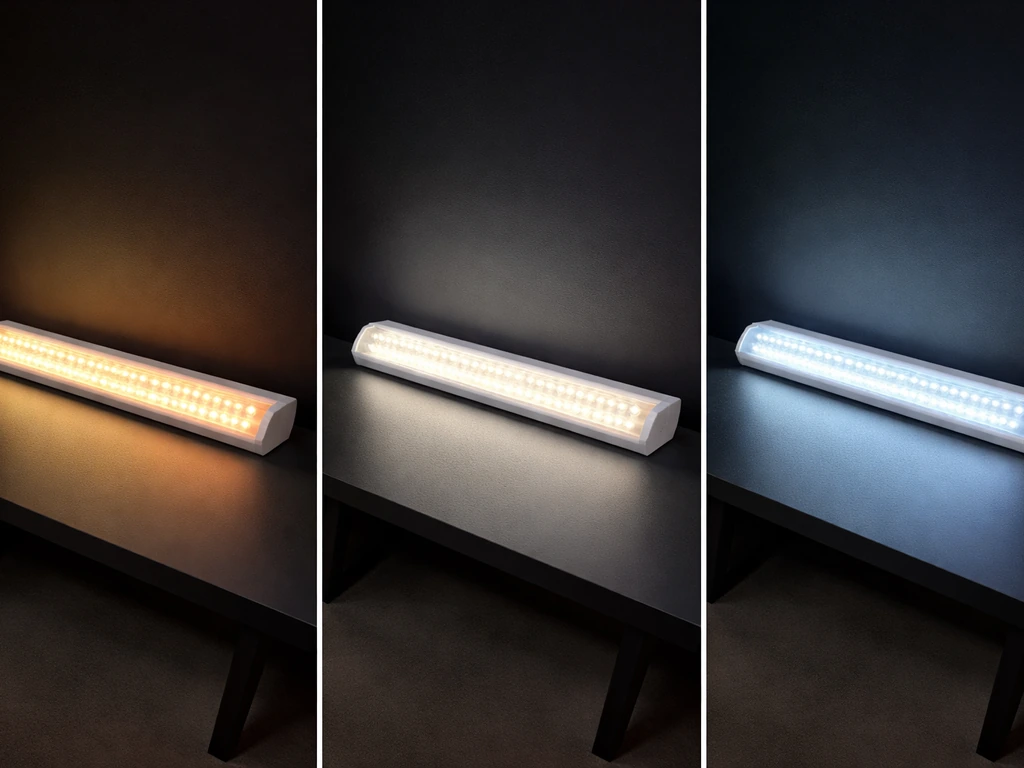
Sonlipo's spectrum approach is actually one of the stronger points in their lineup. Across the SPC and SPF series, you get a mix of 3000K, 4000K, 5000K, and 6500K white LEDs combined with 660nm red, 740nm infrared, and 390nm UV diodes. This is a genuinely broad, plant-usable spectrum rather than a blurple or narrow-band setup. The 3000K and 4000K channels lean toward flower support, the 5000K and 6500K channels support vegetative growth, and the 660nm and 740nm additions cover the Emerson effect and far-red signaling that matters for flowering response and internodal stretch control.
The three-mode switch (VEG, VEG+BLOOM, BLOOM) lets you tune the output to your plant stage. In VEG mode you're leaning on the cooler whites and less on the 660nm channel. In BLOOM mode you're pushing the red and far-red harder. VEG+BLOOM runs everything together, which is a useful all-purpose setting for mixed-stage grows or seedlings through late veg. The SPC6500 also includes a "SUNSHINE" gradual brighten and darken function that mimics a natural dawn-dusk ramp, which is a nice touch for stress-sensitive plants.
For seedlings and clones, dial the dimmer back to 30 to 50% and keep the fixture 18 to 24 inches above the canopy. For vegetative growth, 50 to 75% in VEG mode at 18 to 24 inches works well. For flower, run BLOOM mode at 100% and drop the light to 12 to 18 inches from the canopy depending on your space. The SPQ4000 manual notes a suggested VEG dim range of 50 to 80% and BLOOM at 100%, which is a reasonable starting guide for the whole series.
Build quality, heat, controls, and the reliability problem
This is where Sonlipo reviews get complicated. On the hardware side, the fixtures use passive cooling (no fans) across most models, which keeps noise down and eliminates fan failure as a concern. The SPB2400 carries an IP65 waterproof rating, and the SPC2500 is rated IP42, so moisture resistance varies by model and is worth checking before buying. The dimmer knobs on some models reportedly behave inconsistently below 25% power, which isn't a dealbreaker but is worth knowing if you need precise low-end dimming for seedlings.
The bigger issue is electrical safety and long-term reliability. There are documented user reports of Sonlipo SPC6500 units catching fire before a year of use, with the company refusing warranty repair. Separately, other reviewers flagged small electrical burns and short circuits appearing in Amazon review photos for related models. One buyer raised the absence of an independent PPFD chart as a red flag and returned their unit for a Lumatek instead.
These aren't isolated complaints about dim output or minor build issues, they're serious enough that you should factor them into any purchasing decision, especially for unattended grow setups. If you are also comparing brands, reading a dommia grow light review can help you weigh safety, build quality, and real-world performance before buying.
The claimed service life varies by model too: the official SPC2500 page lists 30,000 hours, while the SPB2400 manual (a closely related unit) states 50,000 hours. That inconsistency in Sonlipo's own published documentation doesn't inspire confidence in the brand's quality control standards.
Efficiency and what it actually costs to run
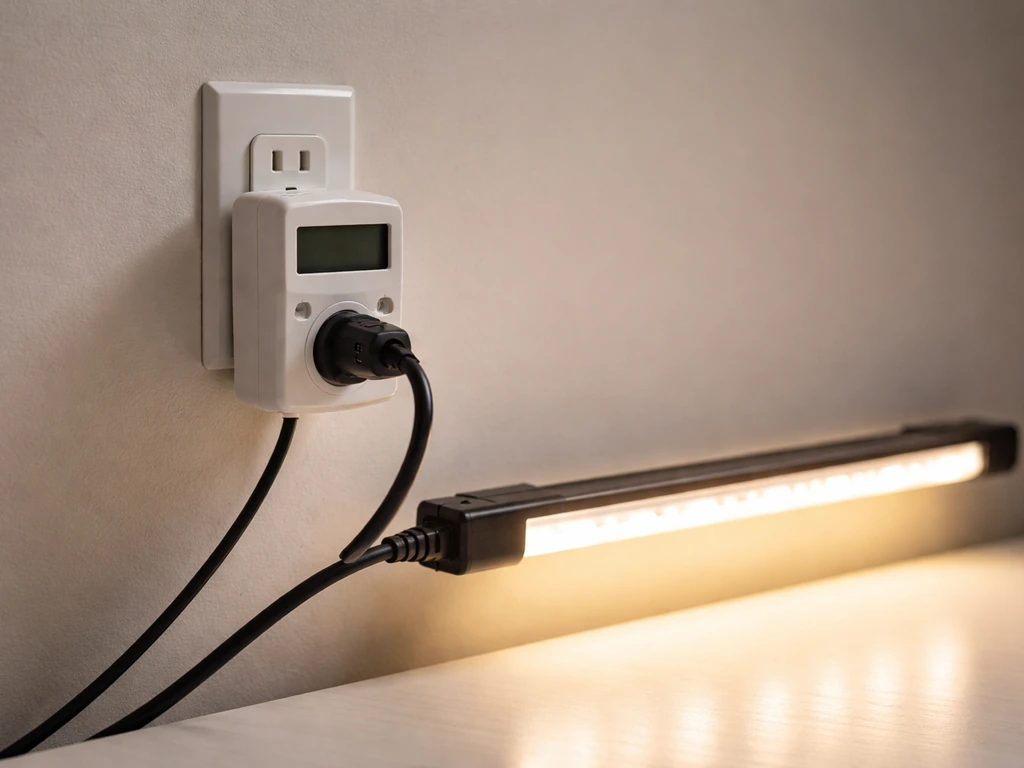
Samsung LM281+ diodes are genuinely efficient at the chip level, rated around 2.1 to 2.3 µmol/J at the diode itself. How that translates at the fixture level depends on driver quality and thermal management, and Sonlipo doesn't publish third-party verified efficacy numbers. Taking the SPC6500 as an example: the page claims 1,965 µmol/m²/s from 450W, but user-measured draw was closer to 340 to 360W. If that PPFD figure is real and measured at a consistent canopy distance, the efficiency could be decent. But without an independent test, you're trusting marketing copy.
For running cost comparison, a 400W Sonlipo SPF4000PRO running 18 hours a day in veg costs roughly 2.6 kWh per day, or about $0.35 to $0.45 per day at typical US electricity rates (around $0.13 to $0.17 per kWh). Over a 60-day veg cycle that's $21 to $27, before flower. That's in line with comparable third-party panel lights at the same wattage. The efficiency question is less about the per-kWh cost and more about whether the output justifies the electricity: a poorly performing 400W fixture that only delivers effective light to a 3x3 canopy is worse value than a well-designed 300W bar light that covers the same footprint more uniformly.
How Sonlipo compares to the alternatives
Sonlipo sits in a crowded tier alongside brands like Mars Hydro, AC Infinity, Spider Farmer, and a wave of smaller Amazon brands. The spectrum design is competitive, the Samsung diode choice is appropriate, and the price point (typically $80 to $200 depending on model) is reasonable on paper. Where it falls short compared to established brands is in driver transparency, warranty follow-through, and third-party performance verification. Mars Hydro and Spider Farmer both publish independent PPFD maps and have more consistent warranty service track records. AC Infinity's IONFRAME series adds app control and is priced similarly to the upper Sonlipo SKUs.
Bar-style LED fixtures from brands like Spider Farmer's SE series or AC Infinity's bar lights also tend to outperform square panel designs on uniformity, spreading light more evenly across a canopy rather than concentrating intensity at the center. If canopy uniformity matters to your grow (and it does in flower), bar-style fixtures at a similar price point are worth a direct comparison before committing to a Sonlipo panel.
Other budget-tier panels like those from Leoter and Lordem operate in a similar price range and share some of the same tradeoffs around unverified PPFD claims and limited warranty support. If you are also comparing Lordem grow lights, this Lordem grow light review can help you judge performance and reliability before you buy Leoter and Lordem.
If you are also comparing Leoter grow light options, it helps to check their published PPFD and warranty details, since unverified output claims are a common tradeoff in this budget tier.
Who should buy a Sonlipo and who should pass
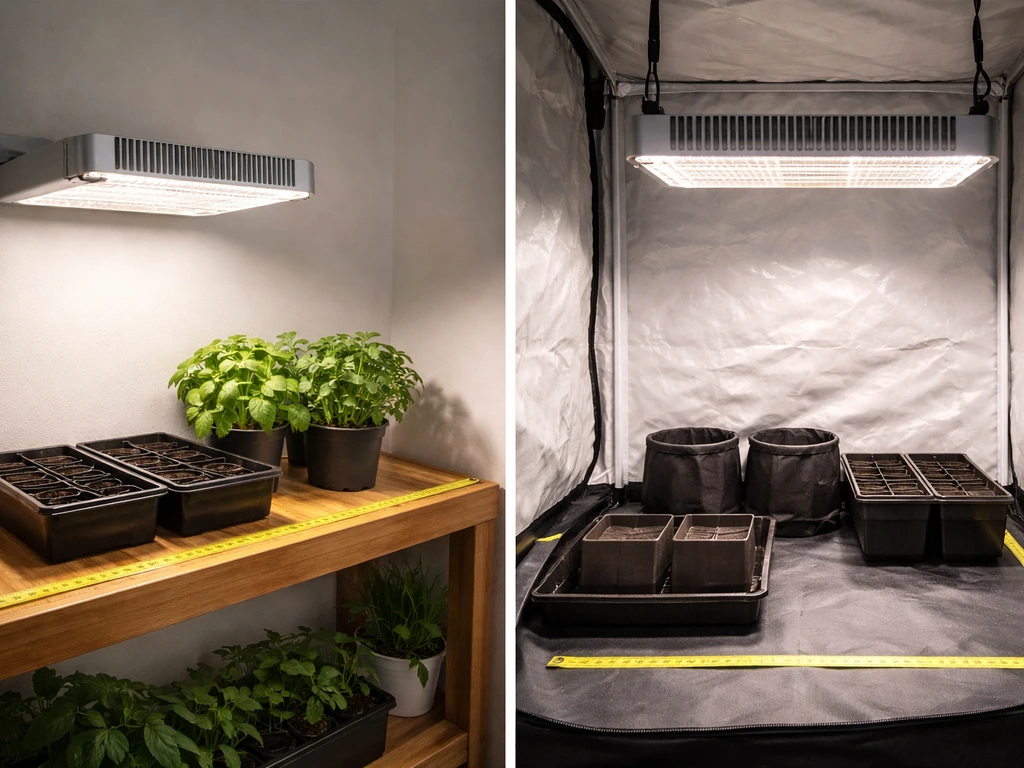
Sonlipo makes sense for a specific type of buyer: someone growing herbs, leafy greens, or low-light houseplants in a small shelf or tent, with the fixture supervised regularly and not running unattended for long stretches. The spectrum is well-designed, the controls are useful, and the Samsung diode quality is real. For a beginner growing basil and lettuce on a 2x2 shelf, the SPF2000 PRO or SPB2400 is a functional, affordable option.
For serious cannabis cultivation, dense flowering canopies, or any setup where the light runs unattended overnight, the documented fire incidents and warranty refusal reports are disqualifying. The lack of independent PPFD verification also makes it hard to know whether you're actually getting the intensity you're paying for at canopy level. Growers in that category should be looking at Spider Farmer, Mars Hydro, or AC Infinity fixtures in the same price range, all of which have better documented performance histories and more reliable after-sale support.
- Buy Sonlipo if: you're growing herbs or low-demand plants, you have a small 2x2 to 3x3 space, budget is tight, and you'll be monitoring the light regularly
- Skip Sonlipo if: you're growing cannabis in flower, running the light unattended, need verified PPFD data for dialing in intensity, or want strong warranty backup
- Skip Sonlipo if: your grow space is 4x4 or larger and you need consistent intensity across the whole canopy — the panel design struggles with uniformity at that scale
- Consider alternatives if: you're comparing at the $150 to $250 price point — Spider Farmer SE series and AC Infinity IONFRAME offer better documented output and more consistent reliability in that range
Picking the right Sonlipo model for your specific space
If you've decided a Sonlipo fits your situation, here's how to match the model to your space. Start by measuring your actual grow area in feet, not your tent's maximum footprint. A 4x4 tent has 16 square feet, but plants, pots, and airflow gaps typically reduce your usable canopy to around 3x3 to 3.5x3.5 feet. Use the realistic coverage column in the table above, not the marketing maximum.
- Measure your actual canopy footprint (not just the tent size) and target 25 to 50W of actual draw per square foot for flowering plants, 15 to 25W per square foot for veg and herbs
- Check the specific model's IP rating: if your grow space gets humid, look for IP65 (like the SPB2400) rather than IP42 (SPC2500)
- Verify actual wattage draw against the rated spec before trusting coverage claims — the SPC6500 draws 340 to 360W despite a 450W rating, which shifts your coverage math
- For a 2x2 to 3x3 space: SPF2000 PRO or SPB2400 (250W class)
- For a 3x3 to 4x4 space in veg, or 3x3 in flower: SPC2500 or SPF4000PRO (400W class for flower)
- For a 4x4 in flower or 5x5 in veg: SPC6500 or SPQ4000 (450W class)
- If the model you're considering doesn't have a published PPFD map (not just a single peak number), ask the retailer for one or check the manual hosted on Manuals+ before buying
One last practical step: before you buy, search the specific model number alongside "fire," "short circuit," or "warranty" on Reddit and Amazon. The SPC6500 fire reports are serious enough that they changed my recommendation for that particular model. If those searches come back clean for the SKU you're considering, and the price, coverage, and spectrum specs match your space, Sonlipo can be a workable choice for lower-stakes grows.
If you specifically want the telos grow light review angle, it helps to compare those findings against the Sonlipo model reliability and performance notes above Sonlipo can be a workable choice. For anything more demanding, put that money toward a brand with a cleaner reliability record. For anything more demanding, put that money toward a brand with a cleaner reliability record, and you can compare options with an o2 grow emitter review.
FAQ
Are Sonlipo grow lights safe to run unattended at night?
Only if you treat them as a supervised device. Because there are user reports of serious electrical failures on some models, avoid leaving them running without periodic checks, especially for higher watt fixtures, humid tents, or older wiring. If you must use them unattended, add a properly rated surge protector and a timer, and consider using a smoke or fire alarm in the grow area.
Which Sonlipo model is the safest bet for a 3x3 tent?
If you are buying specifically for a 3x3 footprint, the SPF2000 PRO or SPB2400 class is typically the better size match than stepping up to 4x4-rated options. That said, safety concerns vary by SKU, so search the exact model number for “fire” and “short circuit” results before purchase, and verify the moisture rating (IP42 versus higher) if your grow runs humid.
How should I set the dimmer for seedlings and avoid stretching?
Use a conservative starting point, 30 to 40% in VEG mode, and keep the fixture distance in the 18 to 24 inch band. If seedlings are stretching, increase light output first before lowering the fixture, and only raise it gradually after you confirm leaf color and stem thickness.
Do Sonlipo lights have consistent dimming below 25% power?
Some buyers report the dimmer behaving inconsistently at low levels. If you rely on precise low-light output for clones or late seedling stages, test the lowest setting for stability once installed. A workaround is to avoid the lowest range and instead adjust by increasing distance slightly for finer control.
Are Sonlipo IP ratings reliable for humid grow tents?
Moisture resistance depends on the specific model, for example IP65 on the SPB2400 versus lower ratings on others. If you spray, use high humidity, or run a condensation-prone tent, prioritize the higher IP-rated SKUs, keep the driver side away from direct water exposure, and ensure the fixture is mounted so airflow can dry around the enclosure.
Why do Sonlipo PPFD numbers seem higher than real-world results?
Marketing PPFD is often a peak-center measurement at close distance, not an average across the whole canopy. If you want a more realistic approach, match your growing stage to a conservative canopy assumption, then use a meter or at least verify with independent PPFD maps from your exact model if available.
What does the “Veg+BLOOM” mode change in practice?
It combines the white channels with the red channel output, so you get a more continuous spectrum rather than a mostly cooler or mostly red-biased profile. It is useful for mixed-stage grows, but if you are trying to optimize flowering response, you may still want to switch to BLOOM mode when you flip so red and far-red emphasis increases.
Is a Sonlipo bar-style model better than the square panel versions?
Often yes, mainly for uniformity. Bar-style designs tend to spread intensity more evenly across a canopy, which reduces hotspots and helps dense flower canopies. If your grow depends on even coverage, treat bar-style Sonlipo options as a priority versus square panels of the same wattage.
What is a realistic power draw to expect versus the rated wattage?
User-reported draw can be meaningfully lower or different from the label, for example one measured draw around the mid-300W range for a fixture marketed as 450W. Because driver efficiency and thermal behavior vary by model, do not rely on the rated wattage alone for operating cost or for lumen or PPFD expectations.
How do I choose fixture height if I do not have a PPFD meter?
Use the distance bands provided by the brand as starting points, then adjust based on plant response. If leaves fade or internodes lengthen, move closer gradually within your safe distance range; if you see clawing, darkening, or stress in flower, move farther or reduce dimmer output.
Do I need to worry about driver or warranty support before buying?
Yes, especially in this price tier. Beyond initial performance, check whether the brand provides responsive warranty service for your exact SKU and region. If there are repeated reports of warranty refusal for specific models, that should weigh more than the diode or spectrum claims.
Can I use a Sonlipo for cannabis, or should I switch brands immediately?
If your goal is dense, high-demand flowering and the light will run unattended, the reported electrical issues on some Sonlipo models make them a higher-risk choice. For cannabis, many growers prioritize brands with independent performance verification and more consistent after-sale reliability, then use Sonlipo only for lower-stakes, supervised grows.
What is the best way to verify coverage for my specific tent size?
Start with usable canopy area, not the maximum tent size. For example, a 4x4 tent can end up closer to a 3x3 to 3.5x3.5 usable footprint due to pots and airflow space. Then choose a model sized for that usable area, and if possible confirm coverage with a meter at canopy height after setup.
What should I do in the first week after installing a Sonlipo light?
Run it for short sessions first, check the driver side and wiring for unusual heat, confirm the timer and dimmer function properly across the range you plan to use, and keep the fixture supervised during early trials. If you notice flicker, burning smell, or abnormal warmth near connections, stop using it and return or service the unit promptly.