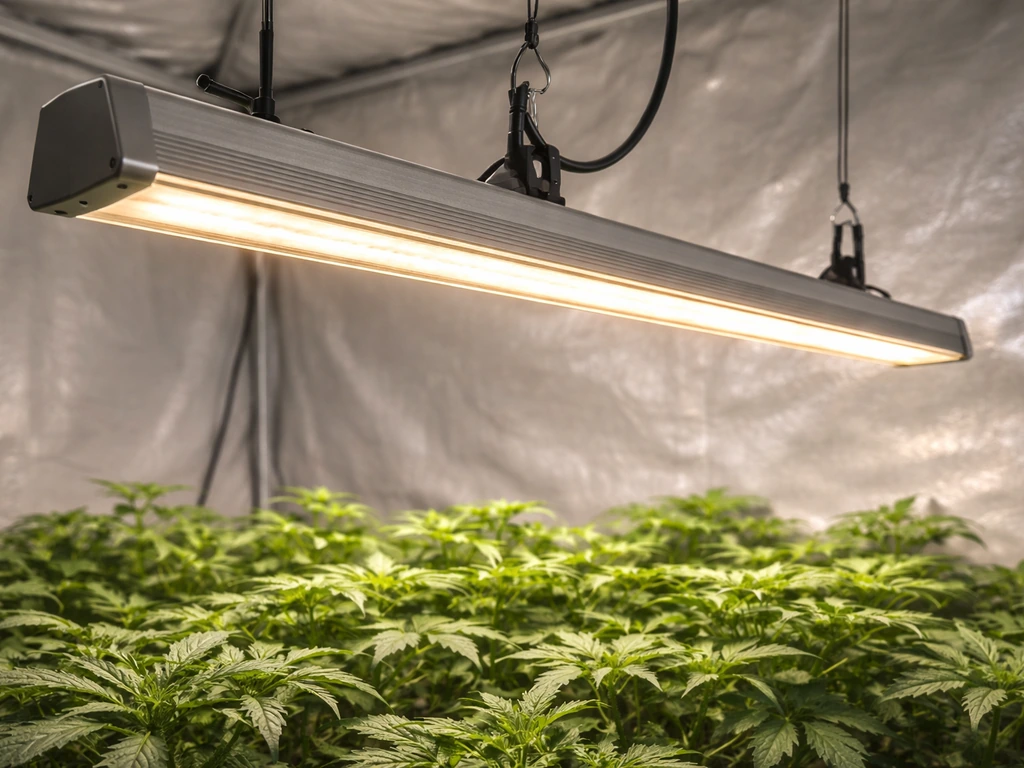
Induction grow lights are a genuinely useful middle ground between old-school HID and modern LED, and a handful of models are worth buying today depending on your space and goals. The iGrow 400W and Sun-Light Series 400W are the most commonly reviewed options, both covering roughly a 3.5 to 4 foot square footprint, both rated for 100,000-hour bulb life, and both priced higher upfront than comparable LEDs but lower in heat output and maintenance hassle than HPS. If you want a direct recommendation: the iGrow 400W is the better-documented choice for a 4x4 tent, the Sun-Light Series 400W suits growers who want separate vegetative and flowering bulbs in the same fixture, and either beats HID hands-down for longevity and running cost over a 5-year window.
Induction Grow Lights Reviews: Best Models for Indoors

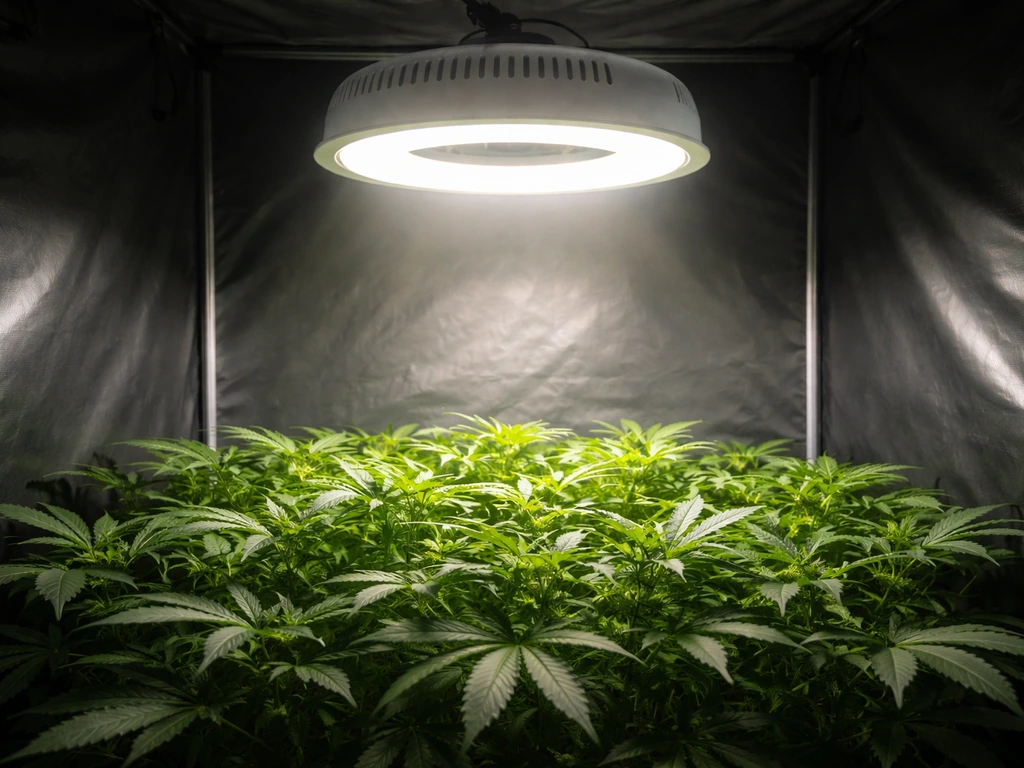
What induction grow lights actually are (and how they perform for plants)
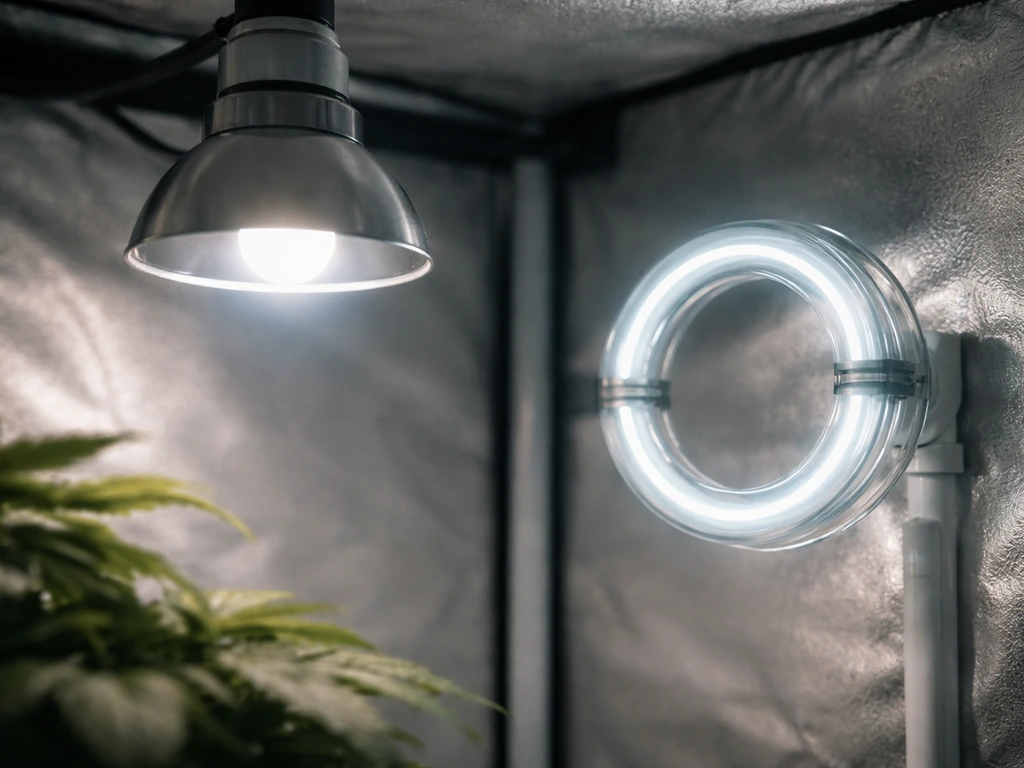
Induction lights, sometimes called electrodeless lamps, generate light through electromagnetic induction rather than a physical electrode arc. The coil excites mercury gas inside the bulb, producing UV radiation that then hits a phosphor coating to emit visible light. The key practical result: no electrodes to burn out, which is why manufacturers can credibly claim 100,000-hour bulb lifespans. That's roughly 11 years at 18 hours per day, which no HID and very few LEDs can match. If you are comparing different induction grow light brands, you can also look for grow lights for orchids reviews to see how real-world setups perform.
For plant growth, what matters is whether the spectrum and intensity are adequate at canopy level. Induction fixtures use phosphor blends tuned for either broad-spectrum vegetative growth or flowering, and some brands sell both bulb types for the same fixture housing. The spectrum sits somewhere between the aggressive blue-heavy output of MH and the red-heavy push of HPS, which makes induction a reasonable all-in-one light for growers who don't want to swap bulbs through the whole cycle. PAR output at canopy is competitive with HID in the same wattage class when the fixture is positioned correctly (6 to 12 inches above the canopy for most 400W units), and light distribution tends to be even with minimal hot spots.
One practical quirk worth knowing: induction lamps reach about 75 to 80 percent of full output the moment they switch on, then ramp up to 100 percent over 60 to 180 seconds depending on the model. That's essentially instant compared to HPS (which needs a full warm-up period and can't restrike hot), but it's not quite the instant-full-power behavior of LED. After a brief power interruption, induction lamps restrike hot without waiting to cool down, which is a real advantage over HID in environments with unstable power.
How to compare induction grow lights (what the review methodology covers)
Because there's no industry-wide standard for testing induction lighting systems, comparing models requires looking at a consistent set of metrics yourself rather than trusting any single lab number. Here's what I look at when evaluating any induction grow light, and what you should demand from any review you read.
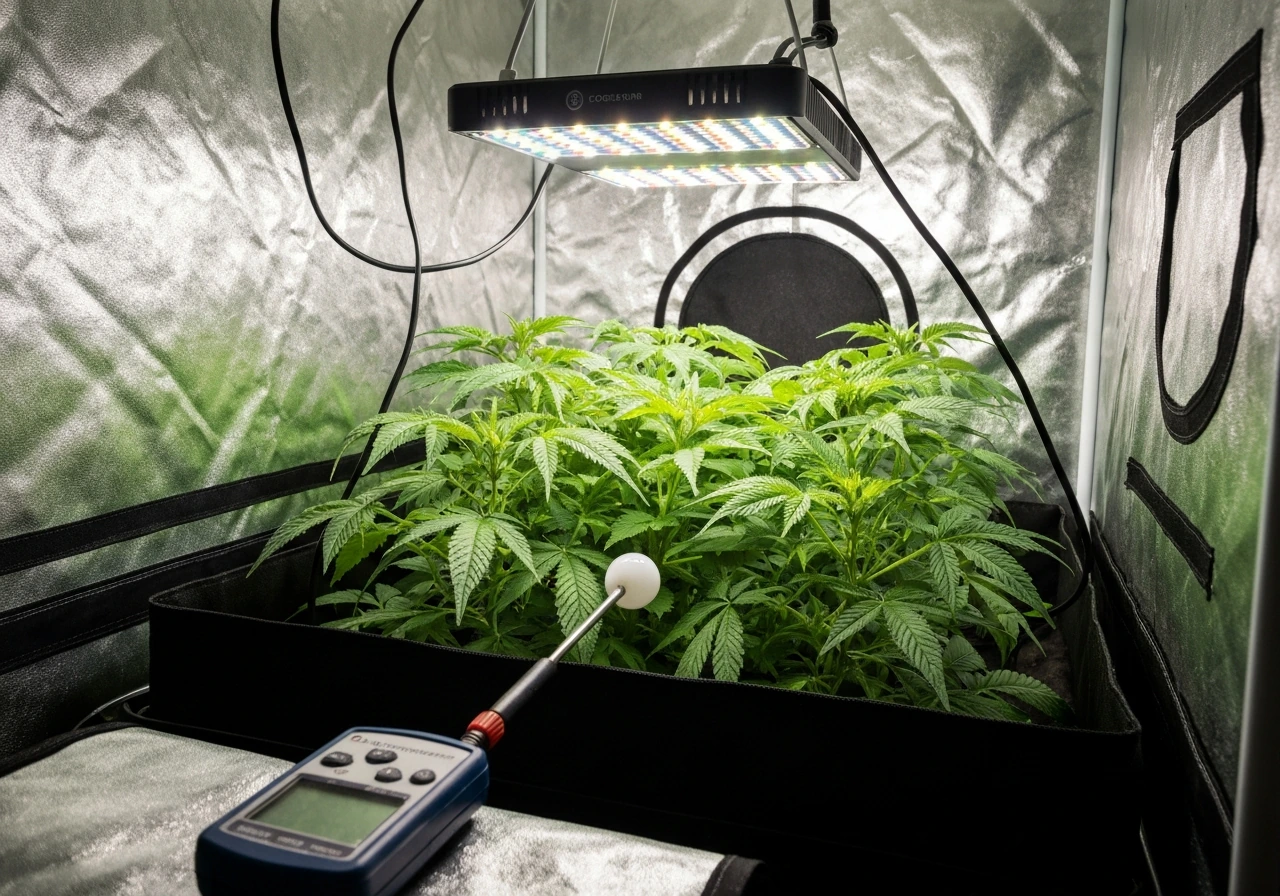
- PPFD (photosynthetic photon flux density) at canopy: measured in µmol/m²/s at the actual hanging height recommended by the manufacturer, not at an arbitrary distance. For the iGrow 400W, GrowersHouse ran a PAR test at 6 inches above the canopy. For the Phantom GL250, the brand publishes a PPFD footprint map using a documented two-light layout in a 4x4 tent.
- Coverage footprint: the area where PPFD is adequate for the growth stage in question. A claimed 4x4 footprint may be accurate for veg but fall short at the edges during flowering when you need 600+ µmol/m²/s.
- Efficacy (µmol/J): how efficiently the fixture converts watts into photons. Induction is generally less efficient than current-generation LED panels but more efficient than HPS at the same wattage.
- Spectrum suitability: whether the bulb spectrum matches the growth stage. Look for fixtures that specify separate veg and bloom bulbs, or a broad phosphor blend that covers both.
- Thermal management: ballast temperature under sustained load, and whether the fixture housing acts as an effective heat sink. Poor thermal design shortens phosphor life and can trigger thermal-protection cycling.
- Lifespan claims and warranty: the bulb lifespan claim (100,000 hours is common for quality induction), the ballast warranty (5 years is the benchmark), and whether parts are still available for the brand.
- Controls: dimming capability, timer compatibility, and whether the fixture can be networked or daisy-chained.
One caveat I apply to every induction review, including my own: phosphor degradation is the primary mechanism behind lumen decline in induction lamps, and that decline accelerates with heat. A fixture that claims 100,000 hours may hit that number in hours but deliver significantly less usable light toward the end. Always look for L70 ratings (the point at which light output falls to 70 percent of initial) rather than raw hour claims.
Best induction grow light options by grow space and use case
Here are the models worth considering today, organized by coverage need. The induction grow light market is narrower than the LED market, so there aren't dozens of options to sort through, which actually makes the decision easier.
iGrow 400W: best for a 4x4 tent, all stages
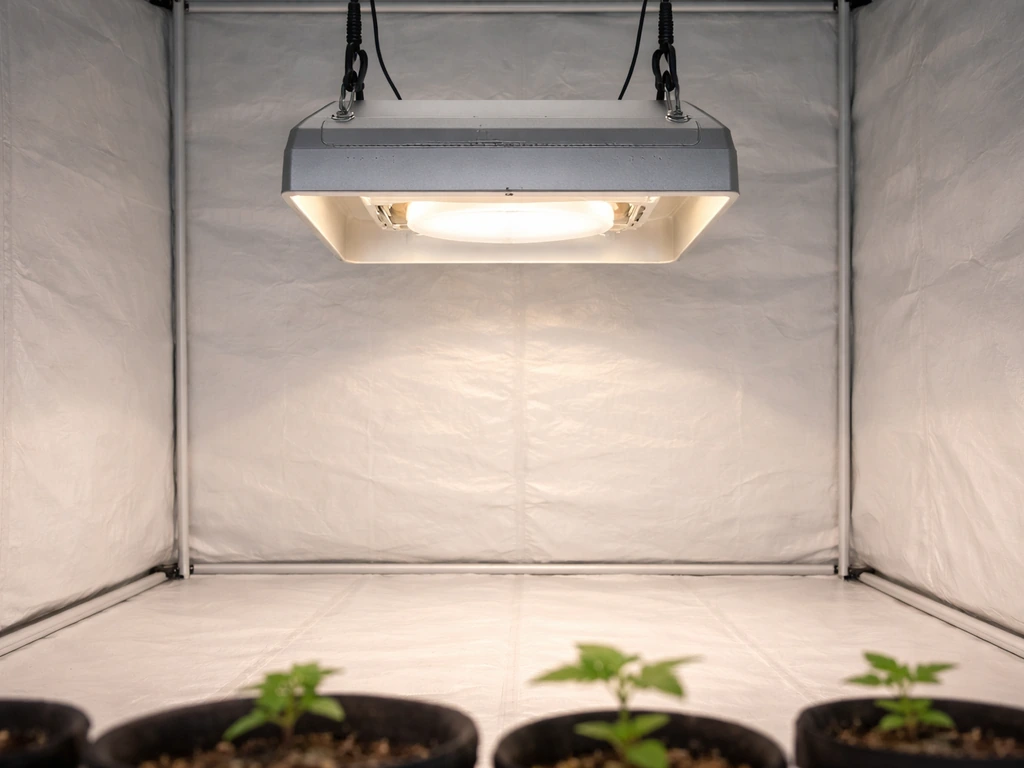
The iGrow 400W is the most tested induction fixture in the hobbyist grow space. GrowersHouse ran a PAR test and documented coverage for a 4x4 footprint, and the results are competitive with a 600W HPS in terms of even canopy coverage. At 6 inches above the canopy, the manufacturer claims intensity equivalent to a 1000W HPS hung at 24 inches, which is a bold claim but one that directionally reflects the efficiency advantage of running a light close to the canopy. The fixture and bulb both carry a 5-year warranty, instant-on behavior is confirmed, and there's no HID-style warm-up delay. It's a solid, well-documented all-rounder for a 4x4 space through veg and flower.
Sun-Light Series 400W: best for growers who want veg/bloom bulb flexibility
The Sun-Light Series 400W is notable because it's one of the few induction fixtures with specifically tuned bulb variants: a vegetative growth bulb described as full spectrum for seedlings and non-flowering plants, and a separate flowering bulb for bloom cycles. The fixture covers a 3.5x3.5 foot area (about 12 square feet), has no flicker or glare, and starts instantly. Bulb lifespan is rated at 100,000 hours with a 5-year ballast warranty. The slightly smaller footprint compared to the iGrow means it's best suited to a 3x3 or small 4x4, or used in pairs for a larger space. If you want to dial in spectrum by growth stage without buying two different fixtures, this is the more flexible pick.
Phantom GL250: best for two-light 4x4 setups and PPFD documentation
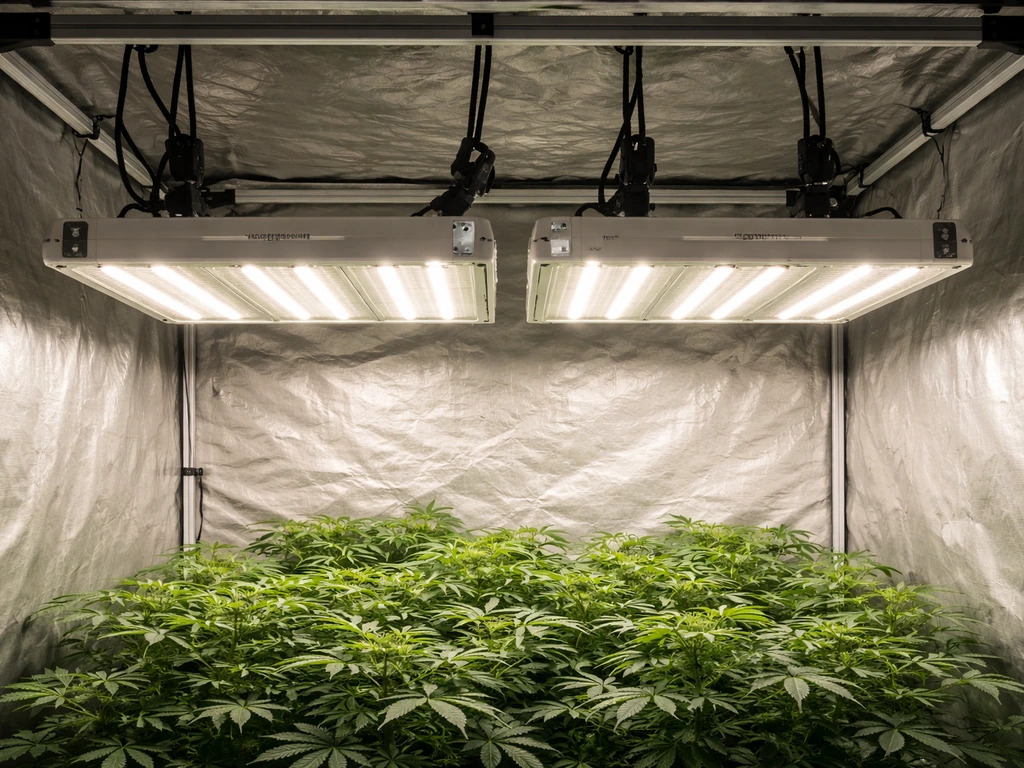
The Phantom Cultivar GL250 is a lower-wattage option designed to be used in pairs, with the brand publishing a detailed PPFD footprint map for a two-light, 4x4 tent layout. For growers who want documented, measurement-based coverage data rather than marketing claims, this is a more transparent starting point. It's also a reasonable choice for smaller tents (a single unit for a 2x4 or 2x2 with supplemental lighting) or for growers who want more coverage granularity by adding units incrementally.
| Model | Wattage | Coverage | Bulb Lifespan | Warranty | Best Use Case |
|---|---|---|---|---|---|
| iGrow 400W | 400W | 4 x 4 ft | 100,000 hrs (claimed) | 5 years (fixture + bulb) | All-stages, 4x4 tent, single-fixture setup |
| Sun-Light Series 400W | 400W | 3.5 x 3.5 ft | 100,000 hrs (claimed) | 5 years (ballast) | Growers swapping veg/bloom bulbs, 3x3 to small 4x4 |
| Phantom GL250 | 250W | 2 x 4 ft (single), 4x4 (paired) | Not publicly specified | Varies by retailer | Two-light 4x4 setups, documented PPFD data priority |
Value and running cost: what induction actually costs over time
Induction grow lights cost more upfront than comparable HPS or budget LED panels. A quality 400W induction fixture typically runs $300 to $600 depending on brand and configuration, compared to $80 to $150 for a basic 400W HPS kit or $150 to $350 for a mid-range LED panel. The value calculation shifts significantly once you factor in bulb replacement and electricity.
A standard HPS bulb needs replacement every 10,000 to 20,000 hours, meaning you'd replace it 5 to 10 times before an induction bulb theoretically needs replacing. At $30 to $60 per HPS bulb, that's $150 to $600 in bulb costs alone over 100,000 hours. Induction also runs cooler than HPS, reducing cooling costs in enclosed tents, and the ballast doesn't cycle heat as aggressively. Current-generation LED panels with high-quality diodes are the toughest competition here: good LEDs have comparable lifespans and better efficacy, but induction wins on spectrum consistency over time (LEDs shift spectrum as diodes degrade; induction's phosphor decline is more gradual and uniform).
Electricity cost at 400W running 18 hours per day works out to roughly 7.2 kWh per day. At $0.15/kWh (a reasonable US average), that's about $1.08 per day, or $32 to $33 per month. Over a 5-year warranty period, electricity alone costs around $1,970. That makes the purchase price of the fixture a relatively small part of total cost of ownership, which is a good argument for buying quality over cheap.
Setup, placement, and tuning for each growth stage
Induction fixtures are simpler to set up than HID in that they don't require a separate remote ballast or capacitor, and there's no warm-up protocol to follow. Hang height is the main variable you'll adjust throughout the grow cycle. Because PPFD is highly sensitive to distance, measure at the exact hanging height you plan to test, since raising or lowering the light can substantially change PPFD values Hang height is the main variable you'll adjust throughout the grow cycle..
Seedlings
Start seedlings with the fixture at the high end of the recommended range: 12 inches above the canopy for a 400W unit is a reasonable starting point. Seedlings are sensitive to intense light, and even at 12 inches, induction output is enough to drive healthy early growth without stress. Watch for any stretching (a sign the light is too far) or bleaching and curling (too close or too intense).
Vegetative growth
Drop the fixture to 8 to 10 inches above the canopy as plants develop. If you're using the Sun-Light Series, this is when you'd want the vegetative-spectrum bulb installed. Target PPFD in the 400 to 600 µmol/m²/s range for most plants in veg. Induction's even light distribution across the coverage footprint means edge plants typically receive more consistent light than with a single-point HPS source.
Flowering
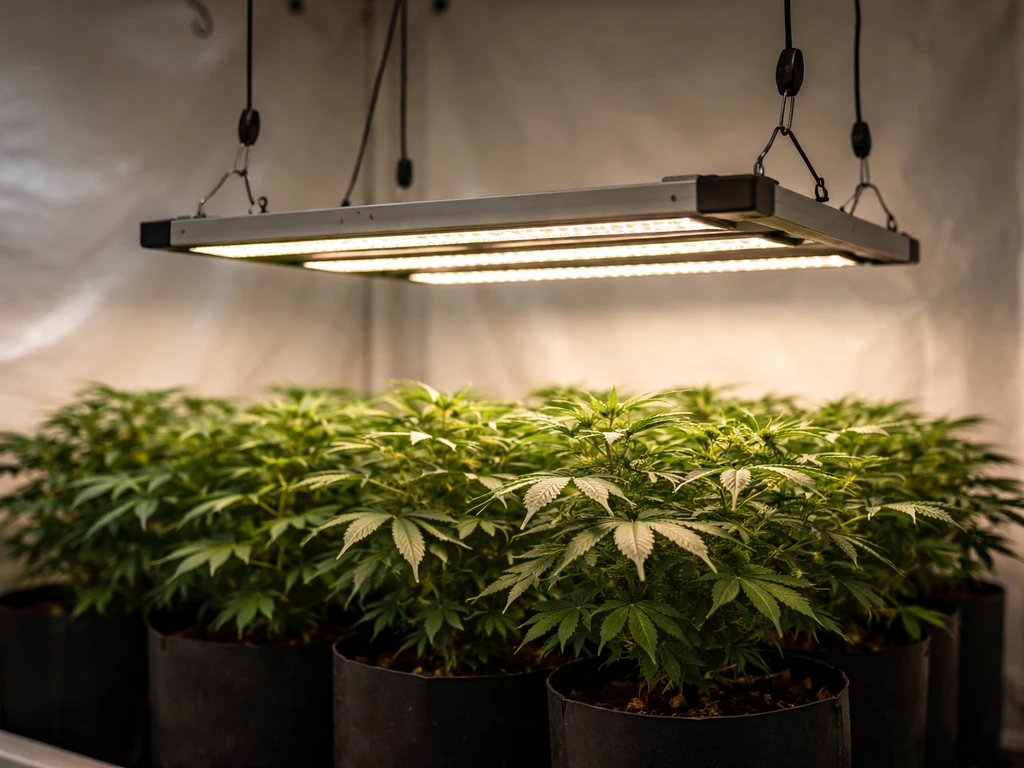
Move the fixture to 6 to 8 inches above the canopy for flowering, which matches both the iGrow and Sun-Light Series manufacturer guidance. Switch to a flowering-spectrum bulb if your fixture supports it. Target PPFD in the 600 to 900 µmol/m²/s range for most flowering plants. At 6 inches, the iGrow 400W's manufacturer claims intensity comparable to a 1000W HPS at 24 inches, which aligns with the higher canopy intensity needed for dense bud development. Monitor canopy temperature closely at this hang height, especially in enclosed tents.
Heat and thermal management during setup
Keep the ballast section of the fixture well-ventilated. The ballast metal case should have a clear conduction path to the fixture housing, which is how most quality induction fixtures manage heat. If your grow space runs consistently above 85°F (29°C), consider additional exhaust capacity. Running the ballast hot continuously accelerates phosphor degradation and can trigger thermal-protection cycling, where the fixture trips, cools, and restarts, disrupting your photoperiod and stressing plants.
Real-world pros and cons: who should buy induction and who should skip it
Induction grow lights occupy a specific niche. They're not the right choice for everyone, and being honest about that is more useful than generic enthusiasm.
Genuine advantages
- Exceptional bulb longevity: 100,000 hours is a credible claim, making bulb replacement a non-issue over a typical 5 to 10 year grow setup
- No warm-up or cool-down delay: restrike is instant after a power interruption, unlike HPS which requires a full cool-down before relighting
- Lower heat output than HPS: easier to manage tent temperatures, especially in smaller enclosed spaces
- Even light distribution: fewer hot spots than single-ended HPS, more consistent canopy coverage across the footprint
- Long warranty coverage: 5-year fixture and bulb warranties from quality brands are genuinely meaningful in this category
- Spectrum flexibility: some fixtures support both veg and bloom bulb variants in the same housing
Real limitations
- Higher upfront cost than both budget LED and HPS kits
- Lower efficacy than current top-tier LED panels: modern LEDs at 2.5 to 3.0 µmol/J beat induction's typical 1.0 to 1.5 µmol/J range
- Limited market and fewer models to choose from, meaning fewer competitive price points and less community testing data
- No standardized testing across brands makes cross-brand PPFD comparisons difficult to trust without independent verification
- Dimming is rare: most induction fixtures run at fixed wattage, limiting your ability to tune intensity for different growth stages without adjusting hang height
- Parts availability is a legitimate long-term concern: the induction grow light market is smaller than LED or HPS, and some brands have limited service infrastructure
Who should buy induction
Buy induction if you want a genuinely low-maintenance fixture over a long grow career, you're running a space where HPS heat is a problem but you're skeptical of early-generation LEDs, or you have an existing induction fixture and are evaluating whether to stick with it. It's also a smart choice for growers who've had HID ballast failures and want something more mechanically simple.
Who should skip induction
Skip induction if raw efficacy and photon-per-dollar output matter most to you (current LED wins that comparison cleanly), if you need dimming controls or smart timer integration, if your budget is tight and you need the cheapest fixture that works, or if you want the widest possible support community and review data. If you're looking for grow light heaven reviews specifically, compare their listed performance and reliability claims against the canopy-level metrics this guide recommends. Budget grow light options and science-focused LED panels like the Grow Light Science Grow 200 or Grow 300 will likely outperform induction on efficiency metrics for a similar or lower investment. If you want a quick sense of how the Grow Light Science Grow 300 performs in real grows, check the Grow Light Science Grow 300 review for its setup and results Grow Light Science Grow 200 or Grow 300. If you're considering the Grow Light Science Grow 200, this review style comparison can help you see whether it beats induction for your budget and canopy needs. If you're specifically searching for a budget grow lights review, it's worth comparing induction against LED panels and HPS kits using the same canopy-level metrics Budget grow light options.
Common questions about induction grow lights: reliability, heat, controls, and warranty
Are induction grow lights reliable long-term?
Generally yes, but with a caveat: reliability is closely tied to thermal management. Fixtures that keep the ballast and lamp within operating temperature ranges consistently deliver on the 100,000-hour claim. Fixtures that run hot (due to poor ventilation or ambient temperatures above their design range) experience faster phosphor degradation and shorter ballast life. The 5-year warranty on quality brands is a real signal of manufacturer confidence in reliability, but make sure you're buying from a brand where warranty service is actually accessible.
How hot do induction fixtures run?
Significantly cooler than HPS at the same wattage, but not as cool as LED. A 400W induction fixture in a 4x4 tent will raise ambient temperature meaningfully. The heat is primarily ballast heat rather than radiant heat from the lamp, which is a different heat profile than HPS but still requires adequate exhaust. If your grow space already struggles with heat during summer months, factor in the extra thermal load before committing.
Can I dim induction grow lights or use them with a timer?
Timer compatibility: yes, induction fixtures work fine with standard outlet timers since instant-on behavior means there's no warm-up concern. Dimming: mostly no. The vast majority of induction grow light fixtures run at a fixed wattage and do not support phase-cut or 0-10V dimming. If intensity control matters to you, your primary adjustment tool is hang height, not wattage. This is a meaningful limitation compared to modern LED panels that offer full-range dimming.
What does the warranty actually cover and how hard is it to use?
The best induction warranties (iGrow's 5-year fixture and bulb, Sun-Light Series' 5-year ballast) cover both the fixture hardware and the lamp itself, which is unusual and valuable. The key question is service accessibility: confirm that the brand has a real RMA process and US-based support before purchasing. For a niche product category with limited retail competition, buying from a brand with documented customer service history matters more than it would for a mainstream LED panel.
If you're still weighing whether induction is the right category for your setup, comparing it directly against tested LED options across different budgets and grow stages is a useful next step. Once you've confirmed induction fits your needs, the iGrow 400W is the place to start for a 4x4 space, and the Sun-Light Series 400W earns a close look if you want bulb-level spectrum flexibility without buying two fixtures.
FAQ
Do induction grow lights really need to be hung differently than HPS or LED during the whole grow cycle?
Yes, but the main adjustment is height rather than warm-up timing. Induction turns on nearly at operating output and then ramps over about 1 to 3 minutes, so you can fine-tune hang height based on stretching, canopy uniformity, and leaf color, not on day-to-day warm-up delays like HPS.
How can I tell if a 400W induction fixture’s “footprint” matches my tent size without relying on marketing area claims?
Use coverage in square feet only as a starting point, then verify edge performance. Look for a PPFD or PAR footprint map, or if it is not provided, approximate by placing photometer readings (or using a simple phone-based PAR meter app if that is all you have) at the corners at your planned hang height, then compare those values to the center.
What spectrum should I buy for induction if my grow has one fixture for both veg and flower?
If you want one fixture only, choose the model that ships with a broad-spectrum or all-in-one phosphor blend, because swapping bulbs is the most reliable way to dial veg versus flower targets. If the fixture supports separate vegetative and flowering bulbs, plan your transition timing to match when you physically install the flowering bulb, not just when you flip the photoperiod.
Is it worth chasing the “100,000 hour” claim, or should I plan around lumen drop instead?
Plan around output maintenance, not raw hour marketing. Prioritize an L70 rating or any published lumen maintenance curve, because phosphor degradation accelerates with heat. Also factor in how hot your tent runs, since two fixtures both labeled 100,000 hours can diverge if one operates consistently above its design thermal range.
Does induction flicker matter for plants, and how do I check it in reviews?
Plants can tolerate a lot, but flicker can still complicate camera recordings and can correlate with perception of “uneven” light. In reviews, look for statements about no flicker, stable output, and glare reduction, then confirm by observing whether you see persistent hot spots or uneven leaf coloration across the canopy.
Will induction work with my existing timer setup, and what about restarting after a power outage?
Most induction fixtures run fine with standard outlet timers because they do not require warm-up like HPS. After a power interruption they restrike quickly without waiting to cool, which helps prevent photoperiod disruption, but you should still avoid frequent brownouts if your wiring is questionable.
Can I dim induction lights to reduce intensity instead of lowering hang height?
Usually no. Most induction fixtures are fixed-output and do not support true phase-cut, 0-10V, or wide-range dimming. If you need dimming, your practical tools are hang height adjustments, shorter photoperiod, or choosing a fixture that explicitly advertises dimming controls.
How do I estimate total cost of ownership beyond electricity and bulb replacement claims?
Include fixture warranty coverage and the likelihood of needing service. Even if induction has longer lamp life, the ballast and bulb are separate replacement scenarios, and availability matters. If you are in a high-temperature tent, also budget for better exhaust and airflow hardware because thermal headroom directly impacts degradation rates.
What thermal details should I check before installing a 400W induction fixture in an enclosed tent?
Confirm ballast ventilation requirements and whether the ballast case stays within spec. If your space often sits above about 85°F (29°C), assume you need stronger exhaust and intake so the ballast does not cycle on thermal protection, since cycling can disrupt your photoperiod and stress plants.
Are induction fixtures “cooler than HPS” in a way that meaningfully changes my ventilation requirements?
They are generally cooler than HPS, but ballast heat still raises the tent air temperature. The heat profile is different, so you may reduce radiator-like exhaust needs, yet you should still verify canopy temperature and airflow. If your summers are borderline, you cannot treat induction as heat-free.
Does the fixture color or reflector design affect results with induction?
Yes, because induction can produce more even distribution but the final uniformity still depends on optics and how light reflects within your tent. Two fixtures with similar PPFD at the center can differ at the edges if one uses better diffusion or a more suitable reflector geometry.
Is induction a good choice for seedlings, or is it too intense at recommended hang heights?
Induction can be used for seedlings if you start high enough and watch response. Begin at the upper end of the hang-height range, then adjust based on stretching (too far) and bleaching or leaf curl (too close or too intense), since canopy sensitivity varies by cultivar and whether you are using added CO2.
What’s the most reliable way to compare induction grow light reviews when testing standards are inconsistent?
Demand consistent canopy-level metrics at a clearly stated hang height and include uniformity information. If a review only talks about wattage, “equivalent HPS,” or raw brightness, it is less useful than a PPFD or PAR at the center and corners of the target footprint, especially for your actual tent dimensions.