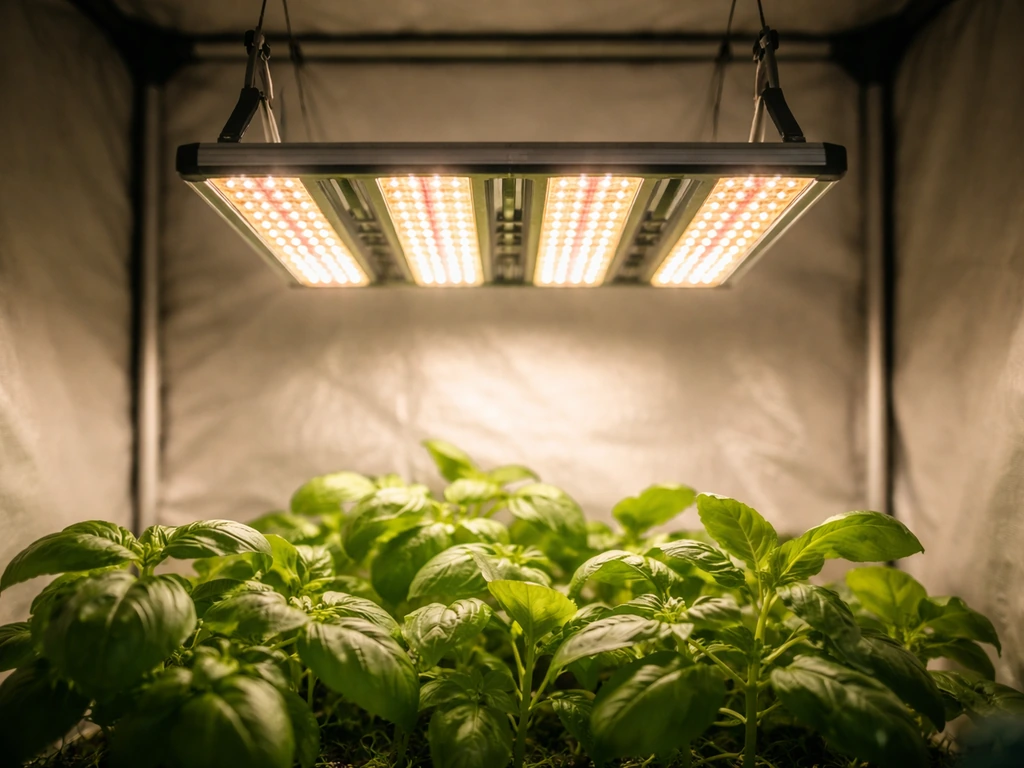
Yintatech LED grow lights are budget-friendly panels that cover the basics for small to mid-size indoor gardens, but the wattage numbers printed on the box are marketing figures, not real power draw. If you can work around that and set realistic expectations, some models, particularly the 1500W and 3000W variants, deliver usable full-spectrum light for seedlings and vegetative growth in tents up to about 4×4 ft. They are not the most efficient panels on the market, and independent PPFD data is scarce, so I'll walk you through what the specs actually mean, where these lights perform, and where they fall short compared to similarly priced alternatives.
Yintatech Grow Light Review: Models, Coverage, PPFD, Value

Marcus Caldwell
12 May 2026
Quick verdict: who should buy a Yintatech and who should skip it
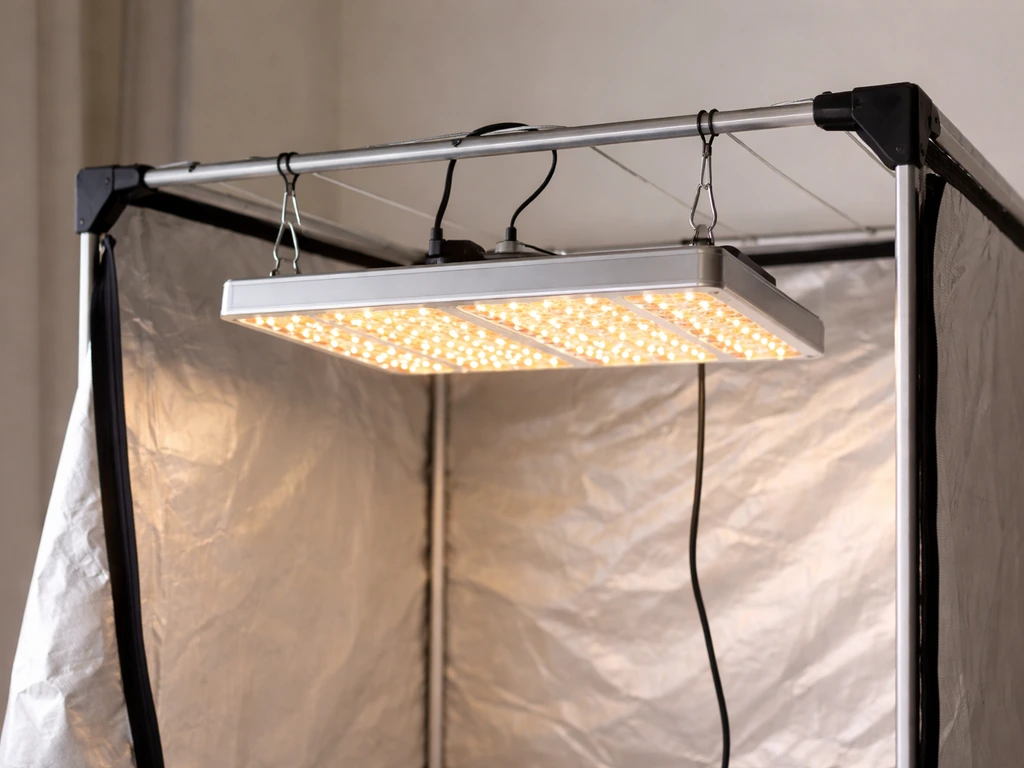
Yintatech lights make the most sense for beginner hobbyists growing herbs, leafy greens, or low-demand houseplants who want something cheap and plug-and-play. The dual-switch design, daisy chain capability, and wide claimed coverage make them approachable for a first grow tent. If you are growing cannabis through flower or any crop that demands consistent, measurable PPFD above 600 µmol/m²/s across the full canopy, these lights are not a reliable choice. The lack of published PAR maps and the inflated wattage labeling make it hard to dial in your grow with confidence. Growers willing to invest a bit more should look at brands with transparent efficiency specs, which I cover in the comparison section below.
What you're actually buying: models, specs, and features
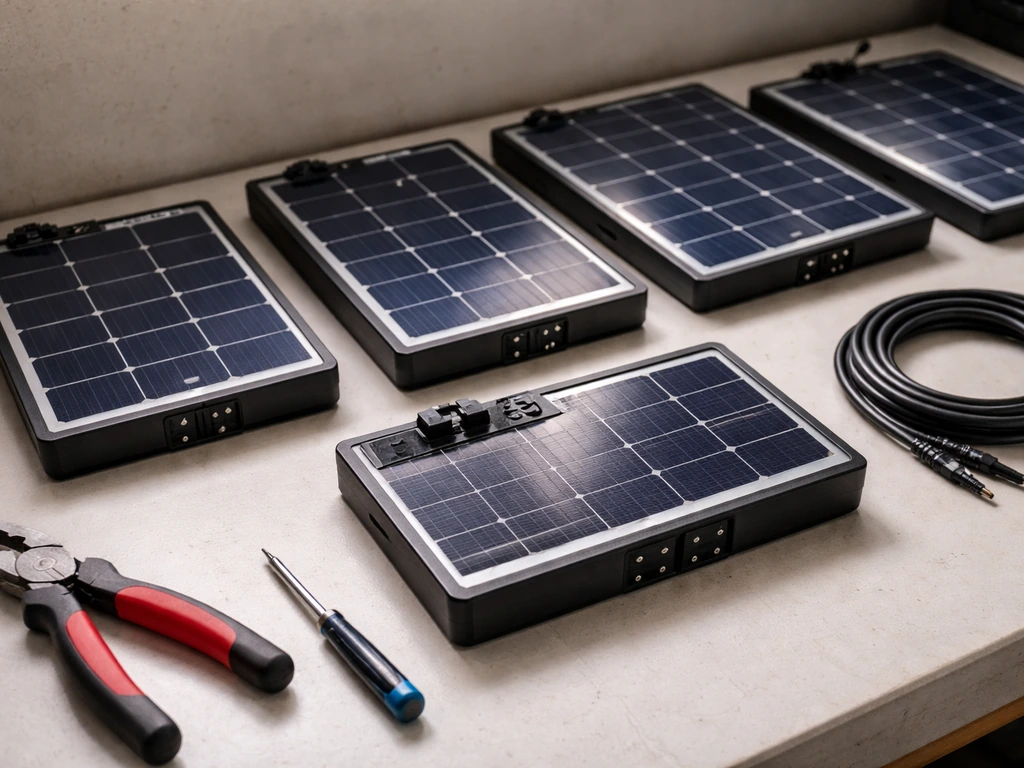
Yintatech sells several panel variants, and the model lineup follows a pattern that is common among budget marketplace brands: the listed wattage is a theoretical peak based on every LED running at max, not the actual wattage the driver pulls from the wall. Here is a breakdown of the most commonly searched models.
| Model | Advertised Wattage | LED Count / Type | Spectrum Claim | Stated Coverage | Notable Features |
|---|---|---|---|---|---|
| YINTATECH 1000W | 1000W (marketing) | Not specified in most listings | Full spectrum, VEG/BLOOM dual switch | 3×3 ft core / 3.5×3.5 ft max | Aluminum base plate, daisy chain, dual switch |
| YINTATECH 1500W (variant A) | 1500W (marketing) | 150 pcs 10W LEDs | 380–800 nm, red/blue/IR/UV/white | 4.5×4.5 ft core / 5.9×5.9 ft max | Dual switch (VEG/BLOOM), daisy chain |
| YINTATECH 1500W (variant B) | 1500W (marketing) | 130 pcs 15W LEDs | Full spectrum, UV & IR, dual chip | Similar to variant A | Dual switch, daisy chain |
| YINTATECH 2000W / 3000W | 2000–3000W (marketing) | 1152 pcs (3000W claims Samsung diodes + IR) | Full spectrum, dimmable | 3000W: 6×6 ft stated | Dimmable, daisy chain, Samsung diodes (3000W listing) |
| YINTATECH 4000W | 4000W (marketing) | Not specified | Full spectrum | 5×5 ft stated | Higher output panel for larger tents |
A few things to flag here. The 1500W model appears in at least two configurations sold under the same name, one using 150 pcs of 10W diodes and another using 130 pcs of 15W dual-chip diodes. This kind of inconsistency across listings is common with Yintatech and makes it worth reading the exact listing carefully before buying.
The spectrum claim of 380–800 nm covers visible light through near-infrared, and the inclusion of UV and IR channels is a genuine differentiator from bare red/blue blurple panels. That said, the ratio and intensity of each channel are not published, so you cannot verify whether the UV and IR output is meaningful or just token coverage.
The 3000W model's claim of Samsung diodes is notable if accurate, since Samsung LEDs generally offer better efficiency and consistency than generic diodes, but that claim appears in a third-party marketplace listing rather than a verified spec sheet.
Coverage area, mounting height, and real PPFD expectations
This is the section that matters most for your grow, and it is also where Yintatech's transparency is weakest. The brand does not publish PAR maps or PPFD data at standard mounting heights. What we have are coverage footprint claims and some community grow logs to work from.
For context on what good performance looks like: a well-performing LED at 18 inches above canopy should deliver roughly 800–1000 µmol/m²/s at center with corner readings no more than 25% lower (so around 600–750 µmol/m²/s at corners) for a reasonably uniform canopy. That is an acceptable uniformity target for vegetative growth. Flowering cannabis or fruiting crops want center PPFD closer to 1000–1200 µmol/m²/s with similar uniformity.
Based on the stated footprints and the typical output I've seen from comparable budget panels in this wattage tier, here is a practical guide for mounting heights and expected use cases. These are working estimates, not instrumented measurements from Yintatech's own data.
| Model | Recommended Mounting Height | Estimated Usable Coverage | Likely PPFD Range at Canopy (estimate) | Best Stage |
|---|---|---|---|---|
| 1000W | 18–24 inches | 2.5×2.5 to 3×3 ft | 400–700 µmol/m²/s (estimated) | Seedling / early veg |
| 1500W | 18–24 inches | 3×3 to 4×4 ft | 500–800 µmol/m²/s (estimated) | Veg / light flowering |
| 3000W (Samsung diodes) | 18–24 inches | 4×4 to 5×5 ft | 600–900 µmol/m²/s (estimated) | Veg / flowering |
| 4000W | 18–24 inches | 4.5×4.5 to 5×5 ft | 700–1000 µmol/m²/s (estimated) | Veg / flowering |
The stated 5.9×5.9 ft max coverage for the 1500W is almost certainly a canopy-edge figure measured at very low PPFD. I would not plan a grow around it. Stick to the core coverage numbers: treat a 1500W Yintatech as a 3×3 to 4×4 ft panel for any crop that needs more than minimal light. If you want to verify actual output yourself, you need a quantum PAR meter (not a phone app, which can be unreliable for grow light calibration) placed at canopy height at multiple points across the footprint.
Build quality, heat, noise, and what the warranty actually covers
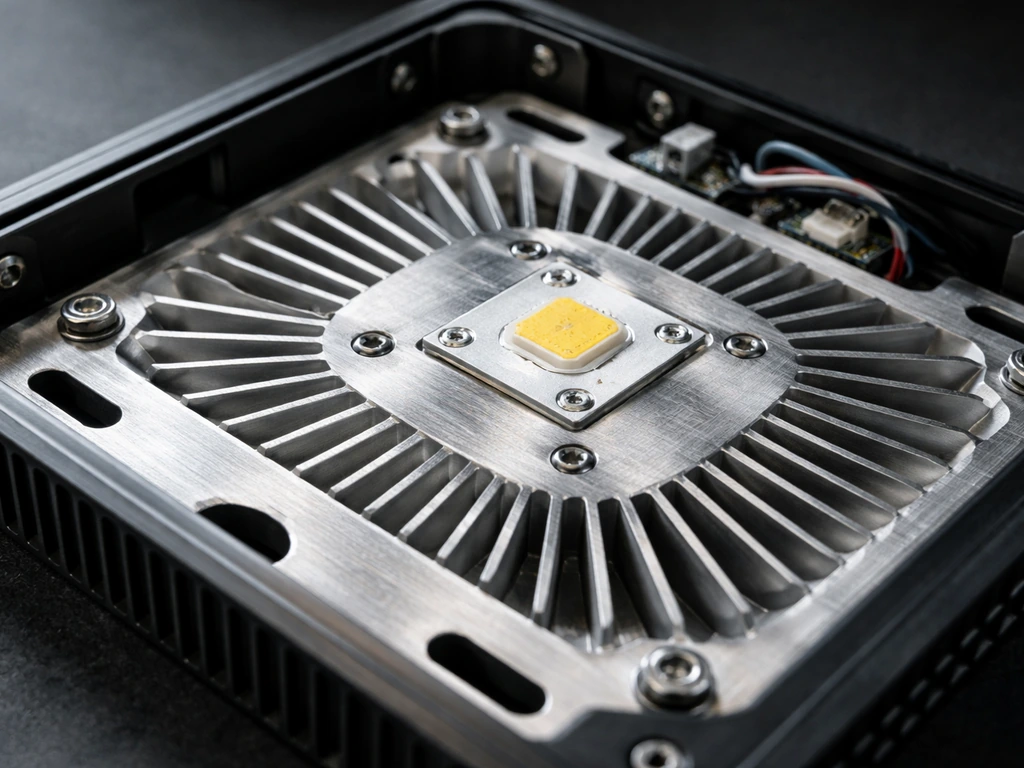
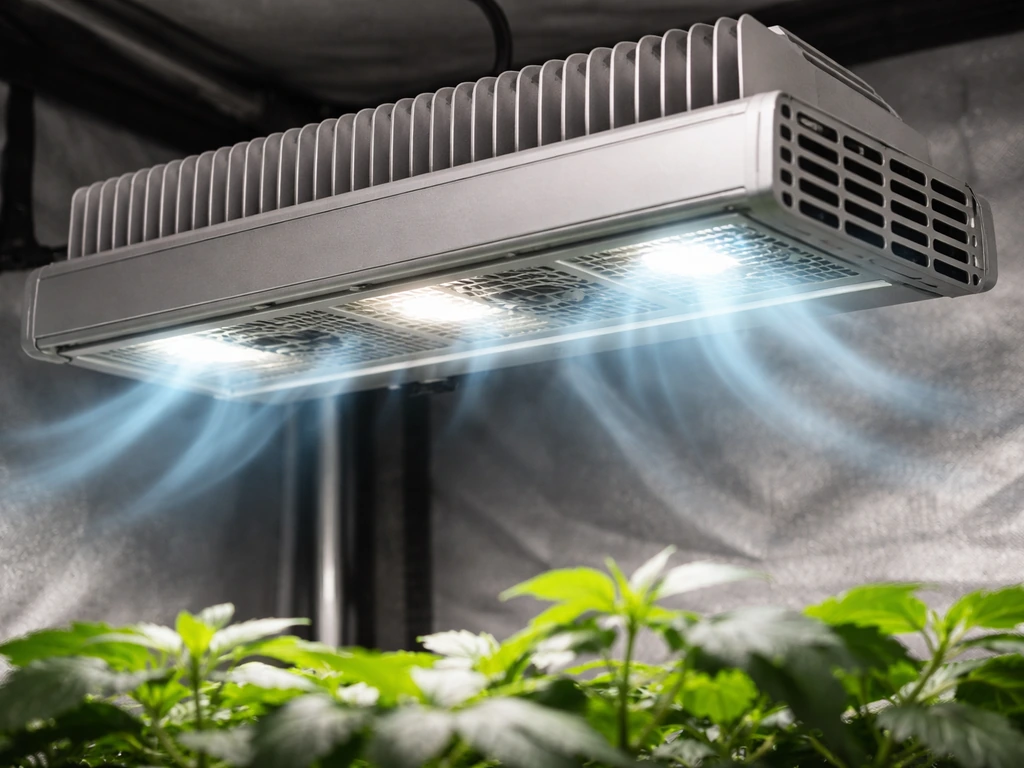
Yintatech panels use an aluminum base plate for heat dissipation, which is standard and functional at this price point. The 1000W and 1500W models are passive-cooled (no fan), which means dead silence during operation and no moving parts to fail. That is a genuine advantage for stealth grows or noise-sensitive environments, though passive cooling does put more responsibility on the aluminum heat sink to manage thermal load. Running the light on the VEG-only switch rather than both switches at once will reduce heat and extend diode life in smaller, less-ventilated spaces.
Driver quality is one of the harder things to verify in budget lights. Yintatech listings do not specify the driver brand. A low-quality driver can cause flicker (problematic if you are sensitive to it or using time-lapse photography) and shortens overall light lifespan. Grow journal references suggest the lights work as advertised out of the box, but long-term durability beyond 12–18 months is anecdotal at best.
If you are also looking at Sylstar options, this sylstar grow light review can help you compare real-world performance and value before you buy. The 3000W model claiming Samsung diodes is a step up in component quality if the claim holds, since Samsung LEDs have better binning consistency and longer rated lifespans than generic alternatives.
Warranty terms are not prominently disclosed in most Yintatech marketplace listings, which is a red flag. For comparison, reputable grow light brands typically offer 2-year warranties with direct customer support. If you cannot find a clear written warranty before purchasing, assume post-sale support will be minimal. Buy through a platform with a buyer protection policy (Amazon, for example) rather than directly from a third-party storefront, so you have a fallback if the unit fails early.
Best use cases by plant stage and crop type
The dual VEG/BLOOM switch system gives you a practical way to control intensity without a dimmer. Running just the VEG switch activates the blue-dominant channels, which suits seedlings and clones that need gentler light. Flipping on both switches activates the full spectrum including red, IR, and UV channels for vegetative growth and early flower. Here is where each model fits best.
- Seedlings and clones: Any Yintatech model works well here on the VEG switch only, mounted at 24–30 inches. Light demand is low and these lights have no trouble delivering sufficient intensity at reduced output.
- Herbs and leafy greens (basil, lettuce, spinach): The 1000W or 1500W is a good match. These crops do well at 200–400 µmol/m²/s, which is well within what these lights deliver in a 2×2 to 3×3 ft area.
- Vegetative cannabis or tomatoes: The 1500W covers a 3×3 ft tent adequately for veg. The 3000W handles a 4×4 ft tent. Do not expect tight internodal spacing or fast growth comparable to higher-efficiency panels.
- Flowering cannabis or fruiting crops: Possible with the 3000W or 4000W in a conservatively sized tent (3×3 or 4×4), but PPFD uniformity is unverified and canopy penetration may be inconsistent without PAR maps to guide placement.
- Succulents and houseplants: Overkill for a single plant, but the 1000W at maximum height works fine as a supplemental grow light shelf setup.
How Yintatech compares to the competition at the same price
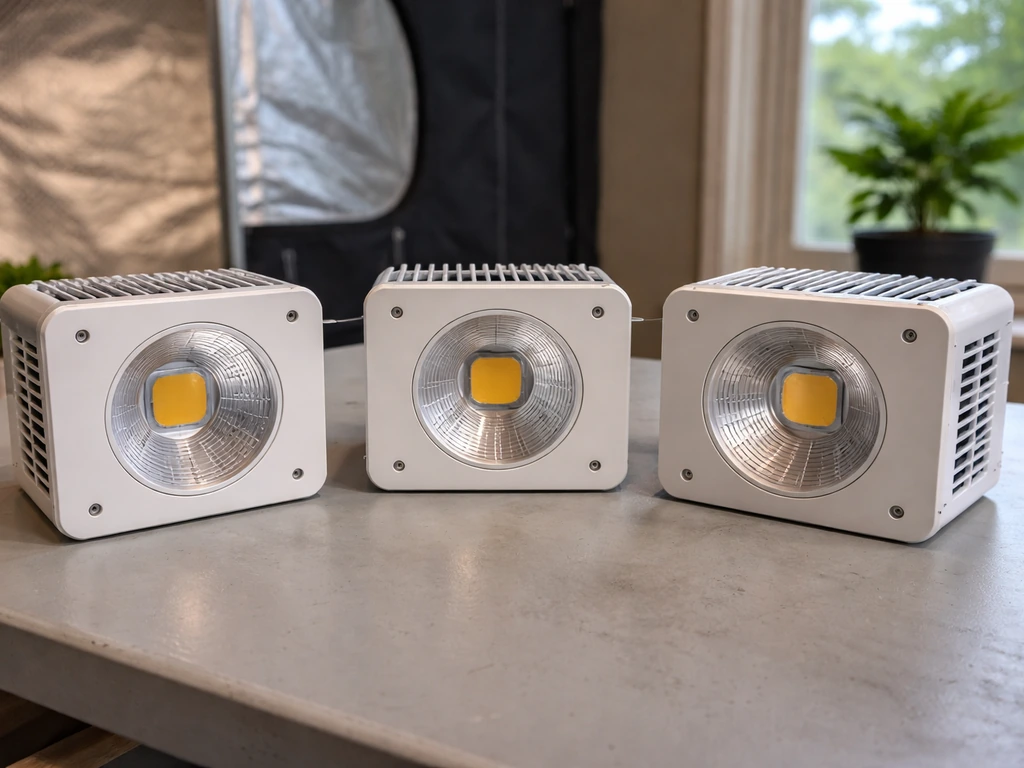
Budget grow lights occupy a crowded market, and Yintatech competes directly with brands like iPower, Mars Hydro's entry-level range, Viparspectra's budget line, and Spider Farmer SF series at the low end. Here is how the key factors stack up.
| Brand / Model | Actual Power Draw (approx.) | Diode Brand | PAR Map Published | Dimmer | Warranty | Best For |
|---|---|---|---|---|---|---|
| Yintatech 1500W | ~150–200W (estimated) | Generic / unspecified | No | No (dual switch only) | Unknown / unclear | Beginners, herbs, veg |
| iPower 1000W | ~100–130W (estimated) | Generic | No | No | 1 year typical | Beginner / budget veg |
| Viparspectra XS1000 | ~100W actual | Samsung LM301B | Yes | Yes (0–100%) | 3 years | Seedling / veg / light flower |
| Mars Hydro TS600 | ~90W actual | Epistar | Yes (basic) | No | 3 years | Seedlings / herbs |
| Spider Farmer SF-1000 | ~100W actual | Samsung LM301B | Yes | Yes | 3 years | Veg / light flower |
| Chilled Pucks / modules | Variable | Top-bin LEDs | Yes | Yes | 3–5 years | Advanced / commercial |
The pattern here is clear. Yintatech's main competition from Spider Farmer and Viparspectra in the same price bracket offers genuine advantages: transparent actual wattage, published PAR maps, known diode brands ([Samsung LM301B is a benchmark for efficiency in this tier](https://img. spiderfarmer. eu/wp-content/uploads/2024/08/SF-SE-04-SE-SERIES-USER-MANUAL-20240619.
pdf)), and longer warranties. For roughly the same money as a Yintatech 1500W, you can buy a Spider Farmer SF-1000 or Viparspectra XS1000 with 100W actual draw, Samsung diodes, a dimmable driver, and 3-year warranty support. Coco For Cannabis reports that in an [official PAR test](https://www. cocoforcannabis.
com/grow-light-guide/viparspectra-xs-1000-par-test-review/), the ViparSpectra XS-1000 delivered an average PPFD of about 620 µmol/m²/s. For most growers, that trade is worth making. The Yintatech 3000W's claim of Samsung diodes is intriguing if accurate, and it could offer better value at that model's price point, but verify the diode claim in the specific listing you are buying from before committing.
Other budget alternatives like iPower grow lights share many of Yintatech's limitations (no PAR maps, generic diodes), so the comparison is less favorable in that direction too. In particular, reading iPower grow light reviews can help you compare real watt draw, coverage claims, and long-term reliability before you buy iPower grow lights.
If your budget stretches further, brands focused on premium build and diode quality, such as those reviewed elsewhere on this site, offer substantially better canopy penetration and efficiency for flowering-stage crops.
Buyer checklist and setup tips to get results quickly
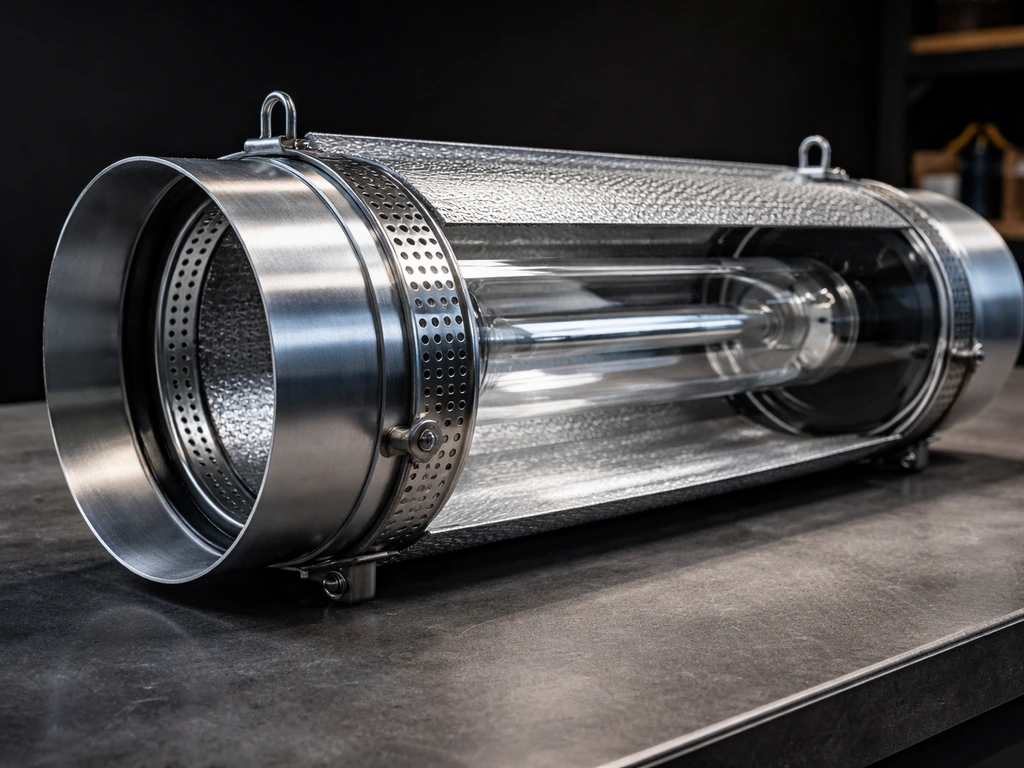
If you've decided a Yintatech fits your needs, here is how to set it up right from day one and avoid the most common mistakes. If you want a deeper walkthrough, read this cool tube grow light review before choosing a different setup.
- Match the model to your actual tent size, not the max coverage claim. Use the core coverage figure. For a 3×3 tent, the 1500W is the minimum. For a 4×4, go to the 3000W.
- Start with the VEG switch only for seedlings and clones. Mount at 24–30 inches and watch for bleaching or stretching over the first week, then adjust.
- For vegetative growth, run both switches at 18–24 inches. Check plants every two days for signs of light stress (bleaching at tips, leaf curl) and raise the light if needed.
- Use a real quantum PAR meter to measure PPFD at canopy height before committing to a final hanging position. Phone apps are not reliable for LED grow lights. Aim for 400–600 µmol/m²/s for veg and 600–900 µmol/m²/s for early flower.
- Keep ambient temps in your grow space below 85°F (29°C). Passive-cooled panels are heat-sensitive in hot environments, and elevated room temps will shorten diode life.
- Use the daisy chain feature only if you need to link multiple panels. Ensure your circuit can handle the combined actual load, not the marketing wattage number.
- Buy through a platform with buyer protection. Yintatech's own warranty terms are unclear from most listings, so having Amazon or a similar platform as a fallback is important if the unit fails.
- Run a light schedule of 18/6 for veg and 12/12 for flower. There is no built-in timer on these panels, so use a plug-in outlet timer, which you should be using regardless of light brand.
- If you notice flicker (visible to the naked eye or on video), the driver may be low quality. Document it and return under buyer protection if within the return window.
- After your first grow cycle, reassess. If you are seeing slower growth, stretching, or uneven canopy development versus expected results, it is worth investing in a light with published PAR data for your next run.
Bottom line: Yintatech grow lights are an acceptable entry point for low-demand crops and beginner growers who want something cheap and simple. They are not a long-term solution for anyone serious about yield or flowering performance. If you are already considering alternatives, the Spider Farmer SF series, Viparspectra XS range, and options reviewed across this site in the same budget tier will give you more transparency and better long-term support for roughly the same investment.
FAQ
How can I confirm the real power draw of a Yintatech grow light before relying on the “1500W” or “3000W” label?
Use a plug-in watt meter and test each switch setting separately (VEG only, BLOOM only if applicable, and both). Compare the measured watts to the listing claims, and expect the wall draw to be far below the printed “W” in most budget panel listings.
Will a Yintatech panel overheat if I run it in a small tent with poor airflow?
Passive-cooled panels depend heavily on ambient airflow and heat escape. If your tent is tightly enclosed, mount the light on standoffs for better clearance, monitor diode or housing temperature after 1 to 2 hours, and consider increasing exhaust or adding gentle circulation to avoid thermal throttling.
Are the UV and IR channels actually useful, or are they mostly marketing?
They may help at the margins, but without PAR maps or channel intensity breakdown you cannot verify their contribution to plant response. Treat them as a bonus, not as the core reason to buy, and judge overall performance by measured PPFD at canopy height rather than by the wavelength range alone.
What PPFD target should I use for clones versus flowering if I cannot get official PPFD numbers from Yintatech?
For clones, many growers target roughly the vegetative range, then step up gradually once growth stabilizes. For flowering and fruiting, plan around the 1000–1200 µmol/m²/s center range concept described in the review, and prioritize uniformity by adjusting height and checking corner readings with a quantum PAR meter.
Is there a safer way to check whether the light is evenly distributed across the tent than trusting the “footprint” claims?
Yes, map it yourself. Measure PPFD at canopy height at least 5 points (center plus corners and one mid-point per axis). If corner readings drop far more than expected, raise uniformity by reducing effective footprint (use the panel over a smaller area) or by adjusting mounting height carefully.
Can I use a phone app to estimate PAR or PPFD for a Yintatech light?
Generally no. Phone sensors do not measure quantum flux reliably, and results can be inconsistent across camera models and exposure settings. If you want actionable numbers, use a true quantum PAR meter and keep the sensor level and distance consistent across measurements.
Does the VEG/BLOOM switch behavior match what growers expect for seedlings and early flower?
Switching is practical, but confirm your own outcome because channel ratios are not well documented. Start with VEG only for seedlings and clones, then switch to both only after plants establish and your canopy measurements indicate you are within your desired PPFD range.
What sign of driver issues should I look for, like flicker, before I mount the light permanently?
Test the light in a dim room and check video or time-lapse with your phone camera (many phones will show flicker bands if the driver is unstable). If you notice obvious flicker or instability, return it early rather than waiting for symptoms like shorter lifespan.
How long should I realistically expect a budget Yintatech panel to last?
Beyond short-term operation, durability claims are usually anecdotal with these marketplace brands. If you need multi-year reliability, prioritize listings that clearly state warranty terms and provide component specifics. For long-term use, plan a lifecycle budget that includes possible replacement within 1 to 2 growing seasons.
What should I do if two Yintatech listings for the same “1500W” name show different diode counts or configurations?
Treat them as different products. Verify the exact LED count, diode type (single or dual-chip), and actual driver watt output if stated, then base your decision on what the listing measures in practice (your own watt meter and PPFD mapping). Do not assume the canopy coverage will match between variants.
Is it better to run the light dimmed or higher when targeting a specific PPFD with a Yintatech panel?
Because these models often do not include true dimming, your main controls are mounting height and switch selection. If you need a tighter PPFD target without losing uniformity, adjust height in small increments, then re-check both center and corners with a PAR meter.
What buying strategy reduces the risk with warranty and support on Yintatech lights?
Buy through a platform with clear buyer protection and easy returns, and only keep the order if the listing includes a written warranty or service terms. If warranty language is vague or missing, assume you will rely on the return window rather than long-term manufacturer support.