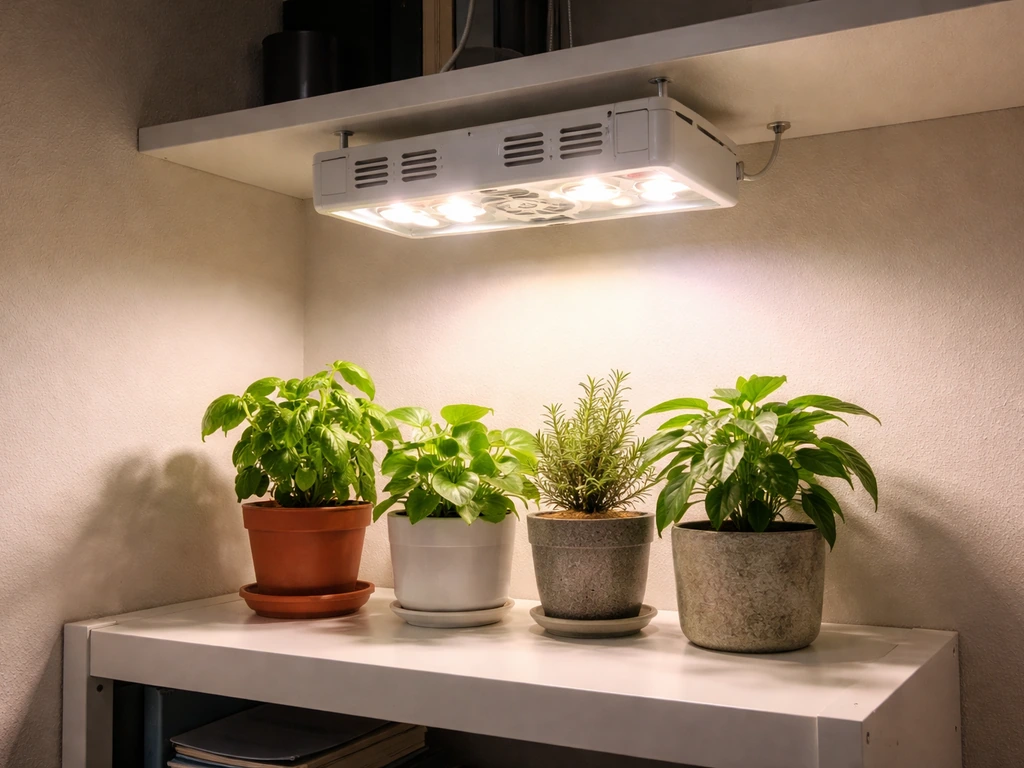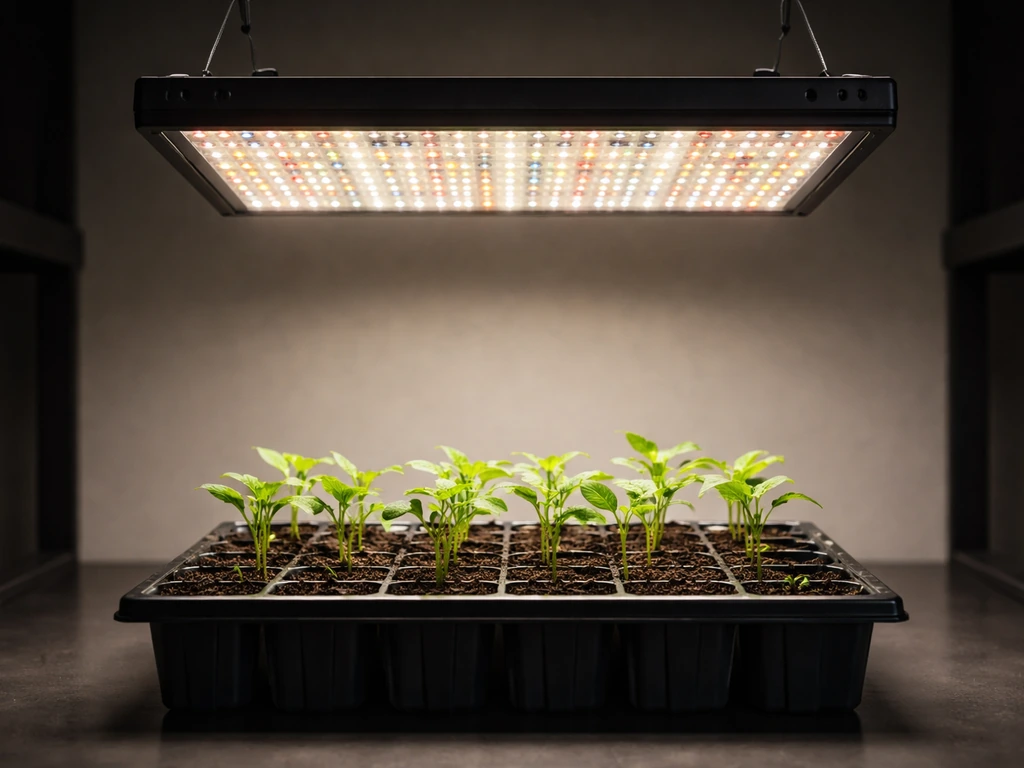
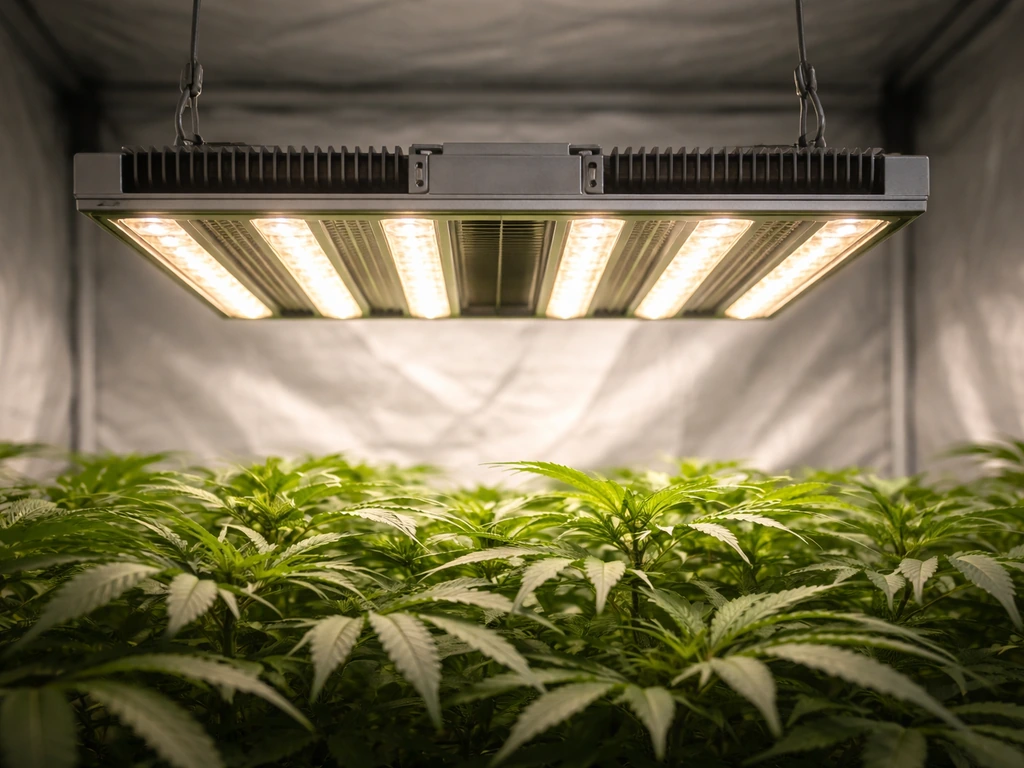
The Gn Telos 0010 is a 242 W passive-cooled LED grow light built around Cree XPG3 white LEDs with 660 nm photo-red enhancement, putting out roughly 610 µmol/s PPF at about 2.0 µmol/J efficacy. It covers a 1.0 m × 1.0 m footprint usefully for flowering and is a solid, well-engineered option for serious hobbyists who want a fanless, silent, durable fixture. It is not the cheapest light at this wattage, and the base 0010 lacks dimming, which is a real limitation. But if you want something built to last, with real IP66 weatherproofing and 3-year (extendable to 5-year) warranty backing, it earns its price for a single-tent 1 m² grow.
Gn Telos 0010 LED Grow Light Review: Test Results and Fit

Marcus Caldwell
30 Apr 2026
What the Telos 0010 is and who it's actually for
The Telos 0010 is made by Telos Lighting, a UK-based horticultural lighting company. It is not a budget Amazon light or a white-label Chinese panel with a new sticker. It's a professionally engineered fixture with third-party certifications (CE, RoHS, EMC/EMI), IP66 ingress protection, and datasheets that hold up to scrutiny. The target user is an indoor grower who takes their setup seriously but is not operating a commercial greenhouse. Think: a dedicated hobby grower running a 100 cm × 100 cm tent, possibly growing cannabis, herbs, or fruiting crops, who wants a quiet, reliable light they can forget about for years rather than replace every season.
It's worth flagging upfront that "Gn Telos 0010" as a search term likely reflects people seeing the product referenced in UK hydro communities and forums like UK420, where real-world grow photos of the 0010 circulate frequently. The light is sold through UK retailers including Leeds Hydroponics and London Grow, and it's specifically the base 0010 model this review covers, not the Pro Slimline or Mesh variants (which have meaningfully different specs and features, covered below for comparison). If you are searching for the Lonwon grow light review, this Telos 0010 write-up is a useful point of comparison for pricing and performance review covers.
Unboxing, build quality, and key specs
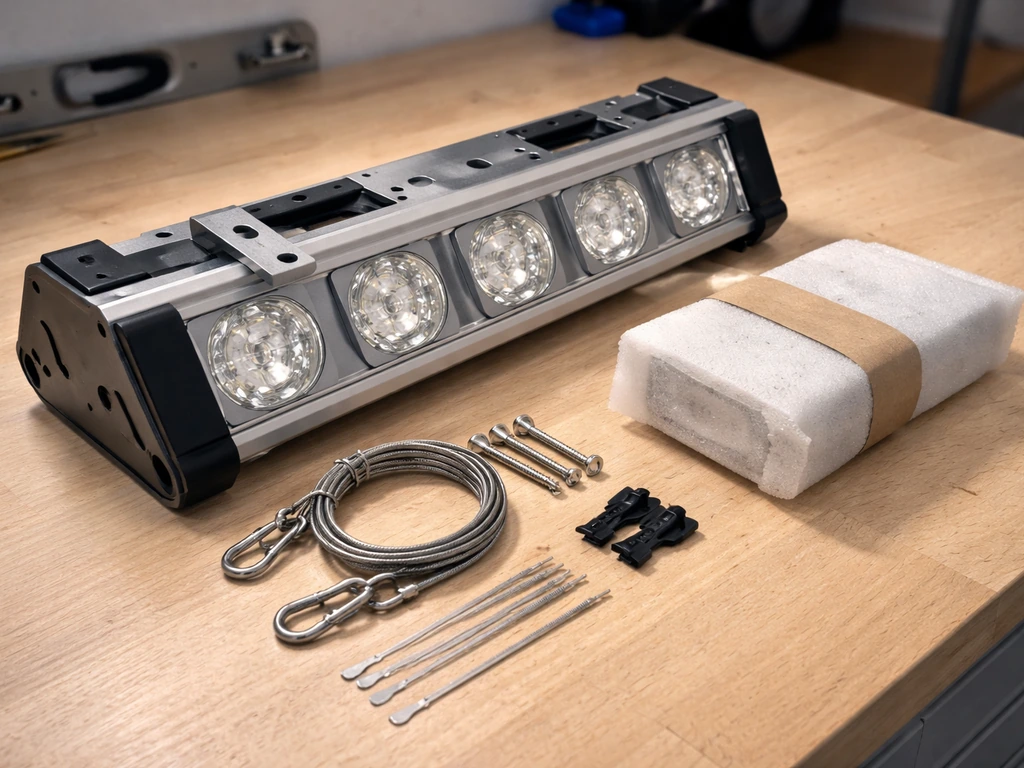
The 0010 measures 475 mm × 249 mm × 160 mm and weighs 10 kg including the driver. That weight is significant. This is not a lightweight panel you clip to tent poles with a bungee cord. It needs a proper hanging rail or a sturdy tent bar. Build quality is excellent: the passive heatsink housing is solid aluminum, there are no fans or moving parts whatsoever, and the IP66 rating means it can handle humidity, splashes, and a condensation-heavy grow room without concern. The holographic optics use a single-stage design with a claimed 93% transmission efficiency, and the beam angle is 91.6 degrees, which suits shorter hanging heights well.
| Spec | Value |
|---|---|
| Rated power input | 242 W (range 235–250 W) |
| PPF (light output) | ~610 µmol/s |
| Efficacy | ~2.0 µmol/J |
| Dimensions (L×W×H) | 475 mm × 249 mm × 160 mm |
| Weight (lamp + driver) | 10 kg |
| Spectrum | Full spectrum, ~390–780 nm |
| Color temperature | 3158 K |
| CRI | 83.7 |
| Beam angle | 91.6° |
| LED technology | Cree XPG3 white + XPEHE 660 nm |
| Cooling | Passive (fanless, natural convection) |
| Dimming | Non-dimmable (fixed driver) |
| IP rating | IP66 |
| Certifications | CE, RoHS, EMC/EMI |
| Warranty | 3 years (extendable to 5 years on registration) |
| Max linked units (daisy chain) | 6 |
The spectrum covers the full photosynthetically active range from roughly 390 to 780 nm, with the 660 nm red peak enhanced specifically for flowering response. The color temperature of 3158 K sits in a warm white range, which is why the spectrum looks pinkish-white rather than blueish. CRI of 83.7 means plants look close to natural under it, which is also useful for spotting pest or deficiency issues at a glance.
Coverage, PPFD, and real-world plant performance
The Telos 0010 datasheet provides honest coverage and PPFD data, which is more than most budget brands bother to do. At 1 m hanging height, the unit covers a 1.5 m × 1.5 m area with an average PPFD of 227 µmol/m²/s. That sounds low for flowering, and it is for that footprint size. For a tighter 1.0 m × 1.0 m area (the sweet spot for this fixture), you'd expect average PPFD to climb closer to 400–500 µmol/m²/s at that same height based on the beam geometry, which is adequate for vegetative growth and the lower end of flowering needs. The GroWell layout guide specifically lists one Telos 0010 as the recommended fixture for a 1 m × 1 m area, referencing a PPF of around 630 (which lines up roughly with the datasheet's 610 figure). GroWell's LED grow light layout guide recommends one Telos 0010 for a 1 m × 1 m area and gives a corresponding total PPF of 630.
At 3 m height the light fans out to cover 4.4 m × 4.4 m but PPFD drops to just 23.6 µmol/m²/s, which is far below what any crop needs. That extreme height data is irrelevant for tent growing; it's commercial greenhouse geometry. In a practical 1.0 m × 1.0 m tent scenario hanging at 40–60 cm above canopy, this fixture is producing PPFD levels competitive with other quality 240 W LEDs. The Telos Mesh variant claims 598–630 µmol/m²/s uniformity over a 100 cm × 100 cm footprint, and the base 0010 should perform in a comparable range at similar heights, given the close PPF figures.
Real-world plant performance feedback from growers on UK forums is generally positive for vegetative growth and flowering, with users reporting good canopy penetration. The main caveat is that the 0010 can be too intense at close range for small seedlings, a theme that comes up repeatedly in community discussions about the Pro variant too.
How the 0010 performs at each growth stage
Seedlings and early propagation
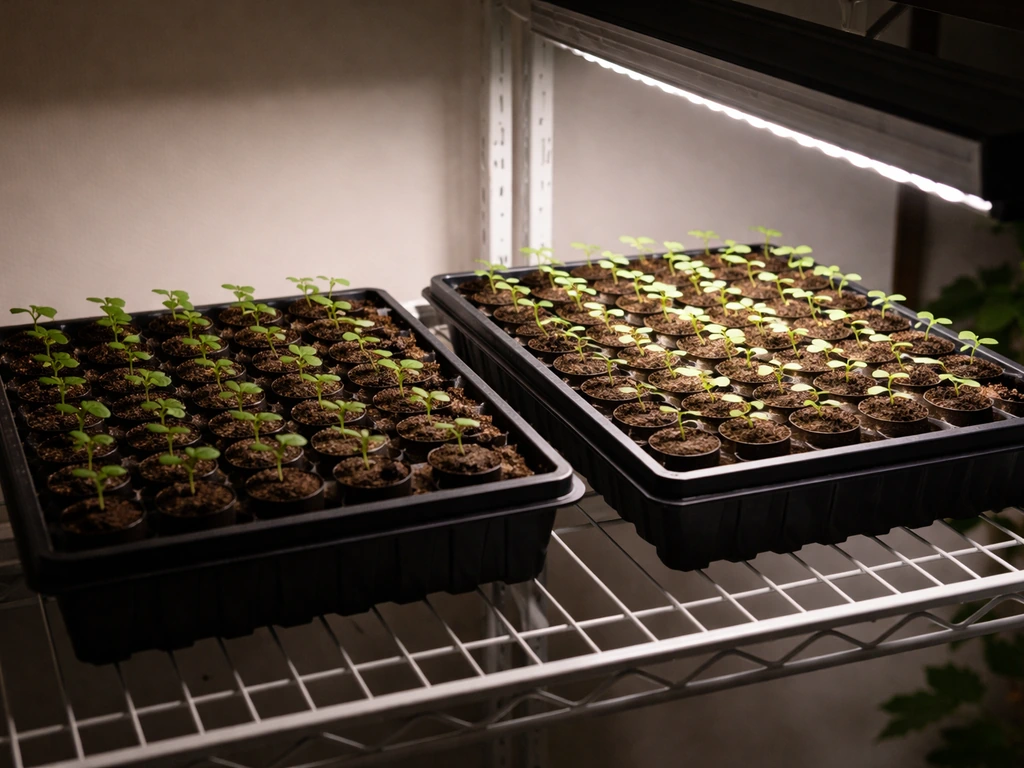
This is the 0010's weakest stage, not because the light is bad, but because it lacks dimming. Seedlings need low PPFD, typically under 200 µmol/m²/s. With a non-dimmable 242 W fixture, your only option is to raise the light significantly higher than normal, reducing intensity through distance. Multiple growers suggest hanging at 80–100 cm or more above the propagation tray during the seedling phase. Some simply use a cheap small propagation light for the first two weeks and switch to the Telos at transplant, which is honestly the more practical approach if you're serious about seedling success.
Vegetative growth
Veg is where this light starts to shine. With a 1 m × 1 m canopy and the light hung at 50–70 cm, you're delivering solid PAR for fast vegetative growth. The full spectrum with the 3158 K white base encourages healthy leaf development, and the 660 nm enhancement provides enough red to keep internodal spacing compact even on light-hungry crops. Aim for an 18/6 schedule for most vegetative plants. The light is well-suited to herbs, leafy greens, and cannabis in veg, delivering enough intensity for rapid growth without the heat stress risk that fan-cooled high-wattage fixtures can produce.
Flowering and fruiting
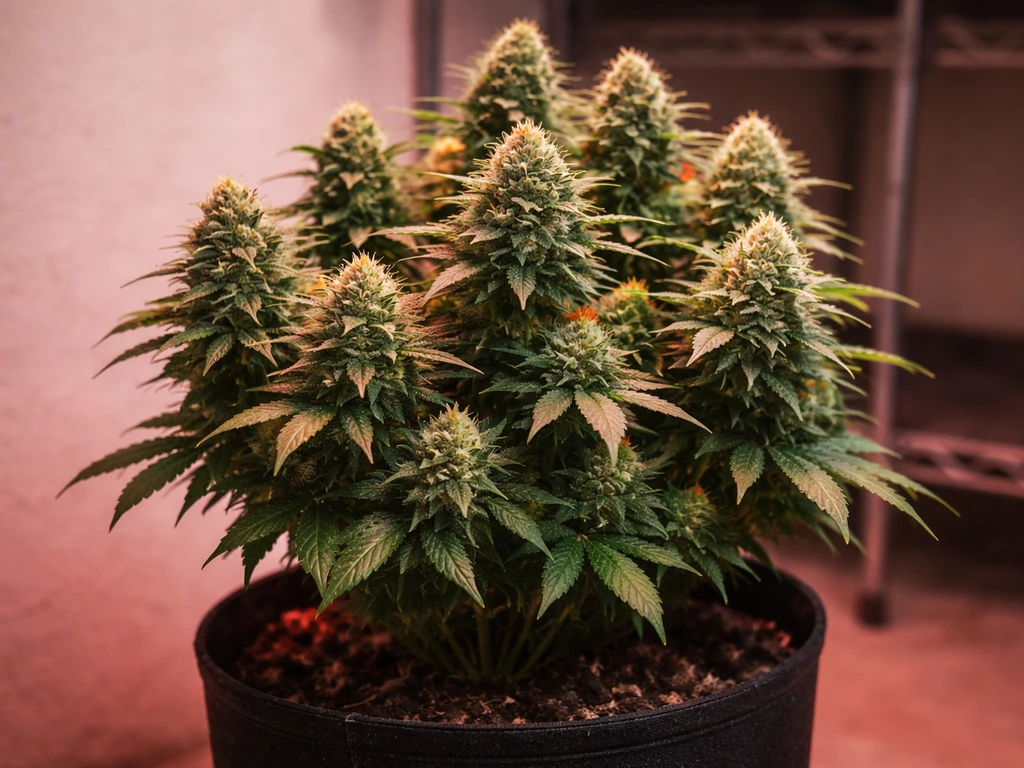
Flowering is this fixture's primary design target. The 660 nm photo-red enhancement is specifically valuable during bloom, promoting flower development and density. For a 1.0 m × 1.0 m footprint at 40–50 cm hanging height, PPFD levels are in the 500–700 µmol/m²/s range (estimated from datasheet geometry), which sits in the productive zone for most flowering crops. A 12/12 schedule for photoperiod crops, or 20/4 for autoflowering varieties, is standard. For higher-light crops like tomatoes or cannabis, growers pushing toward 800+ µmol/m²/s over a smaller footprint should tighten the canopy or consider running two units in tandem (the datasheet allows up to six linked).
Heat, power draw, and operating noise
The fanless passive cooling design is one of the 0010's strongest selling points. There is zero operating noise, which matters a lot if your grow space is near living areas. The passive convection system keeps components cool without moving parts, which also means nothing to break, nothing to clean, and no bearings to fail after 18 months. The nominal operating temperature range is 0–40°C, which covers almost every realistic grow room scenario.
At 242 W actual draw (the driver power input range is 235–250 W, so what the datasheet says is what you pay for), monthly electricity cost at UK rates of roughly 24p/kWh on an 18-hour daily schedule is around £31–32 per month. On a 12/12 flowering schedule that drops to approximately £21 per month. Compared to a 600 W HPS that also generates significant heat requiring extraction, the overall energy budget including cooling is substantially lower with the 0010.
The heatsink body does get warm during operation, which is expected with passive cooling. Do not place anything against the top of the fixture or restrict airflow around the heatsink fins. The IP66 rating means high-humidity environments are fine, but adequate tent ventilation still matters for plant health and for keeping the ambient temperature within the fixture's 40°C ceiling.
One safety note worth mentioning: the Telos 0010 carries a photobiological safety risk group 2 classification under EN62471:2009. Risk group 2 means you should avoid staring directly into the light at close range for extended periods. IEC material describing the 62471 framework notes that Risk Group 2 (RG2) products generally don’t pose a realistic optical hazard due to the aversion response to bright light. Standard practice of not looking directly at operational grow lights applies here more strictly than with a risk group 1 fixture like the Pro Slimline.
Setup, mounting height, and spacing recommendations
The 91.6-degree beam angle means the 0010 spreads light moderately broadly. For a 1.0 m × 1.0 m tent, hanging the fixture at 40–50 cm above the canopy gives the most efficient coverage for flowering. For veg, 50–70 cm is a good starting point. For seedlings without a separate propagation light, start at 90–100 cm and monitor for any light-stress signs (bleaching, taco-ing leaves) before lowering gradually.
- Seedlings: 90–100 cm above tray, monitor closely
- Vegetative stage: 50–70 cm above canopy
- Flowering stage: 40–50 cm above canopy
- Daily light schedule (veg): 18 hours on / 6 off
- Daily light schedule (bloom, photoperiod): 12 hours on / 12 off
- Daily light schedule (autoflowers): 18–20 hours on works well
- Maximum daisy-chained units on one circuit: 6
Because the 0010 is non-dimmable, height adjustment is your only tool for intensity control. Keep a measuring tape handy during the first two weeks at each growth stage and adjust incrementally. The unit's 10 kg weight means your tent hanging bars need to be rated appropriately. Check your tent's hanging capacity before you rig the light, and use proper adjustable rope ratchets rated above 10 kg.
For growers running multiple units in a larger space (for example, a 2.0 m × 1.0 m tent), two 0010 units side by side cover the footprint efficiently. The datasheet's provision for up to six linked units confirms Telos designed the system for multi-light arrays from the start.
Value for money: how the 0010 stacks up
Let's be direct: the Telos 0010 is not the cheapest 240 W LED you can buy. Comparable wattage lights from brands like Mars Hydro, Spider Farmer, or Viparspectra typically sell for £150–£250 in the UK market, while the Telos 0010 sits higher. What you're paying extra for is build quality (IP66, aluminum heatsink, passive cooling longevity), credible third-party certifications, UK retailer warranty support, and a fixture genuinely designed and tested by a horticultural lighting company rather than assembled to a price point.
| Light | Wattage | PPF (µmol/s) | Efficacy (µmol/J) | Dimming | Cooling | Warranty |
|---|---|---|---|---|---|---|
| Telos 0010 (base) | 242 W | ~610 | ~2.0 | No | Passive (fanless) | 3–5 years |
| Telos 10 Pro Slimline | 287 W | 703 | 2.5 | Yes (full range) | Passive (fanless) | 3–5 years |
| Telos 10 Pro Mesh | ~285 W | ~700+ | ~2.5 | Yes (app/wireless) | Passive (fanless) | 5 years (listed) |
| Typical 240W Spider Farmer / Mars Hydro | ~240 W | ~560–620 | ~2.3–2.6 | Yes (most models) | Active (fans) | 3 years (varies) |
| Generic 300W budget LED | ~250–280 W | ~400–550 | ~1.5–2.0 | Sometimes | Active (fans) | 1–2 years |
The most direct Telos comparison is against the Pro Slimline. At 287 W and 703 µmol/s PPF, the Pro Slimline delivers significantly more light output (about 15% more PPF) and adds dimming capability, which is a major functional upgrade. The Pro is also lighter at 6.5 kg versus the 0010's 10 kg. If you can stretch your budget to the Pro, the dimming alone makes seedling-to-harvest use far more manageable. The London Grow listing for the Pro Slimline sits at £444.95, which gives you a reference point. If the 0010 is priced meaningfully below that, the gap may justify it for growers who don't need dimming.
On a pure efficiency basis, 2.0 µmol/J from the 0010 is slightly behind modern top-tier fixtures at 2.5–2.9 µmol/J. It's not embarrassing, but it means for the same electricity spend, higher-efficiency alternatives produce slightly more photons. If energy cost is a primary driver for you, that's worth factoring in over a multi-year run. That said, the fanless longevity argument is real: no fan failure risk, lower long-term maintenance, and a claimed L90 lifetime on the Pro line of 85,000 hours gives confidence the whole Telos range is engineered for the long haul.
Compared to budget alternatives like those from Dorm Grow, Lonwon, Tmlapy, or Delponting that sit in the same wattage range, the Telos 0010 is in a noticeably higher build-quality tier. For readers specifically looking for a Dorm Grow LED light review, this article's value comparison section can help you judge how Dorm Grow models stack up. Budget lights often claim similar watt figures but deliver less actual PPF, shorter lifespans, and shakier warranty support. For a grower who plans to use the same light for five or more years, the Telos represents a better total-cost-of-ownership calculation even at a higher upfront price.
Honest pros, cons, and a buying checklist
What the 0010 gets right
- Completely silent: no fans, no noise, no moving parts to fail
- IP66 rated: genuinely built for humid grow environments
- Solid 3-year warranty, extendable to 5 years on product registration
- CE, RoHS, and EMC/EMI certified: not just marketing claims
- Cree XPG3 LEDs with targeted 660 nm enhancement: quality light biology
- Full-spectrum output from 390–780 nm suits the full growth cycle
- Up to six units linkable for larger spaces
- Long-term build quality justifies the premium over budget alternatives
What to watch out for
- No dimming on the base 0010: height adjustment is your only intensity control, which is clunky for seedlings
- Heavy at 10 kg: needs proper hanging support, not basic tent bars
- Efficacy at ~2.0 µmol/J is behind the Pro line (2.5 µmol/J) and some competing brands
- Risk group 2 photobiological safety rating: don't look directly into the light
- Higher upfront cost than budget alternatives at similar wattage
- No wireless or app control on the base model (Mesh variant only)
Before you buy: check these things
- Confirm your tent hanging bars can support at least 12–15 kg safely (the 10 kg fixture plus fittings)
- Decide whether you need dimming capability before committing to the base 0010 vs. the Pro Slimline
- Measure your grow footprint: the 0010 is ideally matched to 1.0 m × 1.0 m, not larger single-tent spaces
- Budget for a separate propagation light if you grow from seed regularly, since the 0010 is too intense at low heights for early seedlings
- Register the product immediately after purchase to qualify for the 5-year warranty extension
- Check that your tent ventilation can keep ambient temps below 40°C, the fixture's rated ceiling
- If running multiple units, plan your electrical circuit load: six units at 242 W each is 1,452 W total on one link, which requires appropriate wiring
The Telos 0010 is a genuinely good light for the right grower. If you want more context, read this tmlapy grow light review to compare performance and value buying checklist. If you're running a single 1 m × 1 m tent, value silence and reliability above all else, and don't mind working around the lack of dimming, it's a purchase you're unlikely to regret. If dimming matters to you (and honestly, it probably should), spend the extra and get the Pro Slimline. Either way, you're buying into a brand that publishes real datasheets, stands behind its products, and isn't just selling you a rebranded commodity panel.
FAQ
Is the Gn Telos 0010 safe to run for long hours (like 18/6 or 12/12) without overheating the driver or LEDs?
Yes, its passive design is built for continuous use in typical grow-room ranges, but you still need clearance around the heatsink fins. Keep the fixture unblocked from above and from the sides, and avoid mounting it inside a fully enclosed metal box or tight hood where airflow cannot move, since the stated operating ceiling (40°C) depends on natural convection.
How do I handle the lack of dimming if I grow seedlings in the same tent as veg and flower?
Use a separate propagation light for the first couple of weeks, or start with the 0010 hung much higher than normal (around 80 to 100 cm) and lower it gradually while watching for stress signs like bleaching or tacoing leaves. Height changes should be incremental, because intensity drops quickly with distance on this fixture’s beam.
What’s the best hanging height starting point for a 1.0 m × 1.0 m tent if I want a single schedule across veg and flower?
Start around 50 to 70 cm above the canopy for veg, then move to about 40 to 50 cm for flowering. Because the light is non-dimmable, the “one height fits all” approach usually causes either seedling stress (too close) or low flowering intensity (too high), so plan at least one adjustment during the transition.
Can I use the Telos 0010 for photoperiod plants and autoflowers at the same time in one tent?
It can work, but only if you accept conflicting light schedules. Autos generally need 18 to 20 hours on, while photoperiods need a strict dark period. If you must mix them, consider sectioning the tent with blackout material or use separate tents, because interrupting the photoperiod’s dark window can stall flowering.
Does the 660 nm enhancement mean I should run a different red-heavy schedule for flowering?
Not in the usual sense, since schedule controls duration and the spectrum is already part of the fixture. Instead, keep the standard photoperiod timing (12/12) or typical autoflower lighting (20/4), and use canopy management, plant density, and hanging height to fine-tune intensity rather than trying to “replicate” spectrum effects with lighting time.
What happens if my canopy is uneven, one corner is taller, and the light has a wide 91.6° beam?
Uneven canopy usually shows up as uneven development, with the highest tops taking more PPFD and potentially bleaching while lower areas lag. Because there’s no dimmer, the practical fix is canopy leveling during training and tying, and then making small height adjustments to protect the tallest plants. If the tent is crowded, consider whether a second unit or a different layout is needed instead of constantly lowering the whole light.
Is the IP66 rating enough for a humid tent, or do I still need ventilation?
IP66 helps protect the fixture from moisture and splashes, but it does not replace grow-room ventilation. You still need enough fresh air to control humidity and keep the ambient temperature within the fixture’s limit. High condensation can also affect fans, wiring, and tent materials even if the light itself tolerates wet conditions.
How should I mount a 10 kg fixture safely in a tent?
Do not rely on bungee cords or lightweight straps. Confirm your tent bar or hanging rail has a safety margin above 10 kg, use properly rated rope ratchets, and use two independent attachment points where possible. After installation, shake-test gently and re-check tension after the first 24 hours, since tent frames can settle.
What photobiological risk does EN62471 risk group 2 imply for everyday use?
It means you should avoid staring at the light up close for extended periods while it is operating. A practical approach is to wear eye protection if you must be near the beam for adjustments and to avoid leaning in directly under the fixture when it’s at seedling height. Normal working around the tent is fine, but extended direct viewing at close range is not.
If my goal is maximum flowering density, is buying one 0010 enough for tomatoes or cannabis?
Often one 1 m² fixture is workable, but pushing beyond typical 500 to 700 µmol/m²/s targets over a small area may require tighter canopy control or adding a second unit. The datasheet allows linking up to six units, so a common strategy is to expand coverage or run two lights side by side rather than forcing one light too low where parts of the canopy can be over-saturated.
How do I verify whether I’m in the right intensity range without buying a full PPFD meter?
If you cannot measure PPFD, use a response-based method: start with a conservative hanging height, then adjust every few days based on leaf response. Look for bleaching, clawing, or tacoing as signs of excessive intensity, and slow, stretched growth as a sign of too little. Once you find a stable height for veg and flower, keep that height as your “baseline” and only adjust for major changes in canopy height and training.
What’s a realistic electricity cost estimate if my schedule is not exactly 18 hours or 12 hours?
You can scale from the article’s baseline using wattage and your daily runtime. The light draws roughly 242 W, so kWh per day is 0.242 times hours. Multiply by your local pence-per-kWh rate, for example, 0.242 × 24.0p × 16 hours gives a daily cost you can compare across schedules.