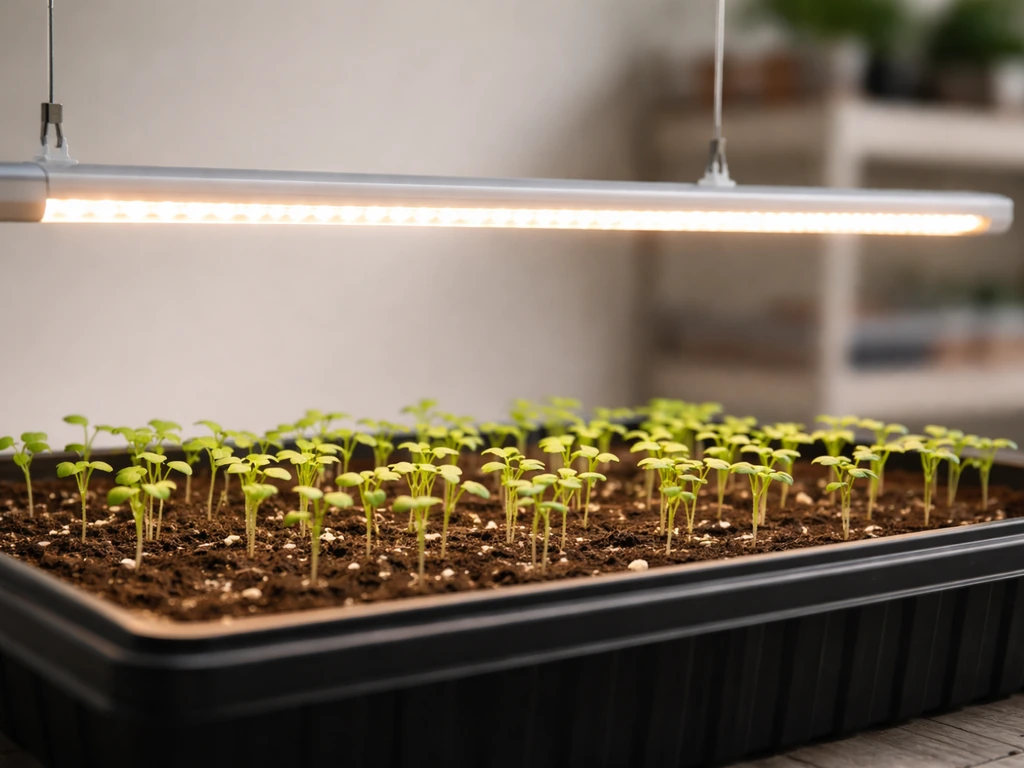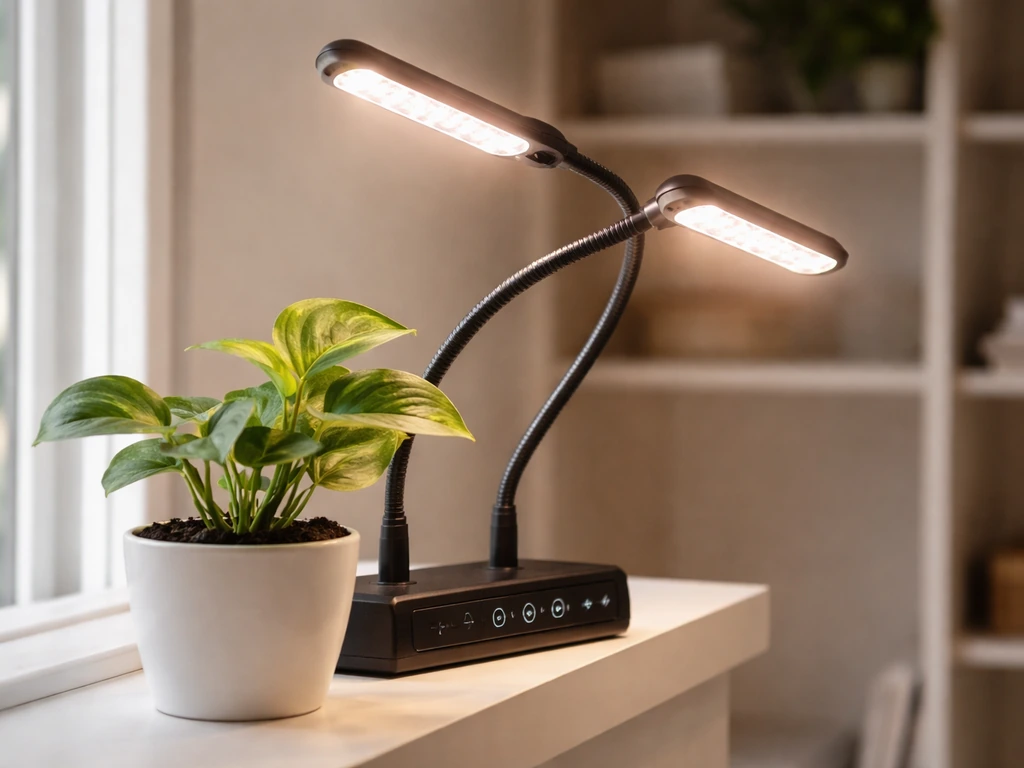
The Barrina LED T8 grow light is a solid, budget-friendly option for seedlings, vegetative growth, and general indoor plant support, but it has real limits you should understand before buying. It's not a high-intensity flowering light, and it's not meant to replace a dedicated HPS or high-power LED panel for a serious flowering tent. What it is: an affordable, linkable, full-spectrum T8-style bar light that works well in shelving setups, seed-starting racks, and small grow spaces where you need even, low-heat coverage at a low cost per fixture.
Barrina LED T8 Grow Light Review: Testing, Results, Value

Marcus Caldwell
16 Apr 2026
What the Barrina T8 is and who it's actually built for
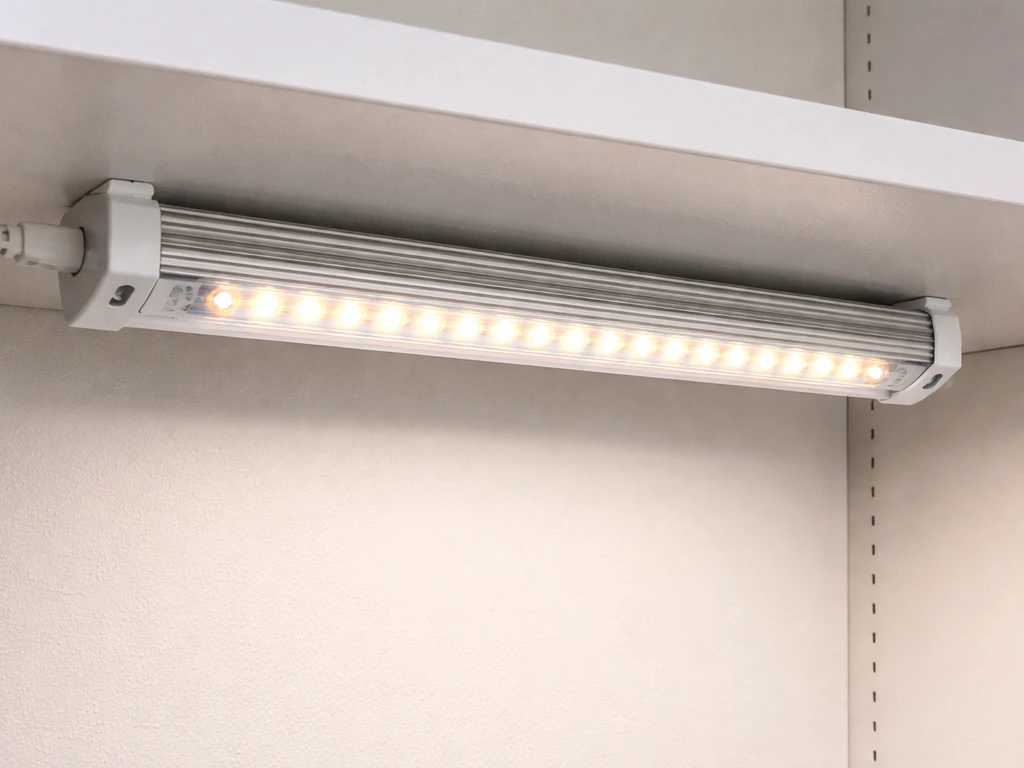
Barrina makes the T8 line in four sizes: a 1FT (QC15, 15W), a 2FT (QF24, 24W), a 3FT (QI30, 30W), and a 4FT (QL42, 42W). All of them share the same design DNA: aluminum-and-PC construction, a V-shaped reflector, a 270-degree beam angle, and a linkable daisy-chain system so you can string multiple fixtures together off a single outlet. All models are rated 5000K full spectrum, which gives you a daylight-white output that covers the photosynthetically active range without the pinkish-purple cast you see on blurple lights.
The target user is pretty clear: you're growing on wire shelving, in a small tent, on a windowsill supplement rack, or under a grow table. You want something inexpensive, easy to mount, and capable of keeping seedlings and leafy greens healthy without a complicated setup. If you're running a 4x4 flowering tent and expecting dense buds, this isn't your light. But for a 2x4 herb shelf, a seed-starting tray, or a 2-tier rack of succulents and tropical houseplants, the Barrina T8 does exactly what it promises.
How I set up and tested these lights
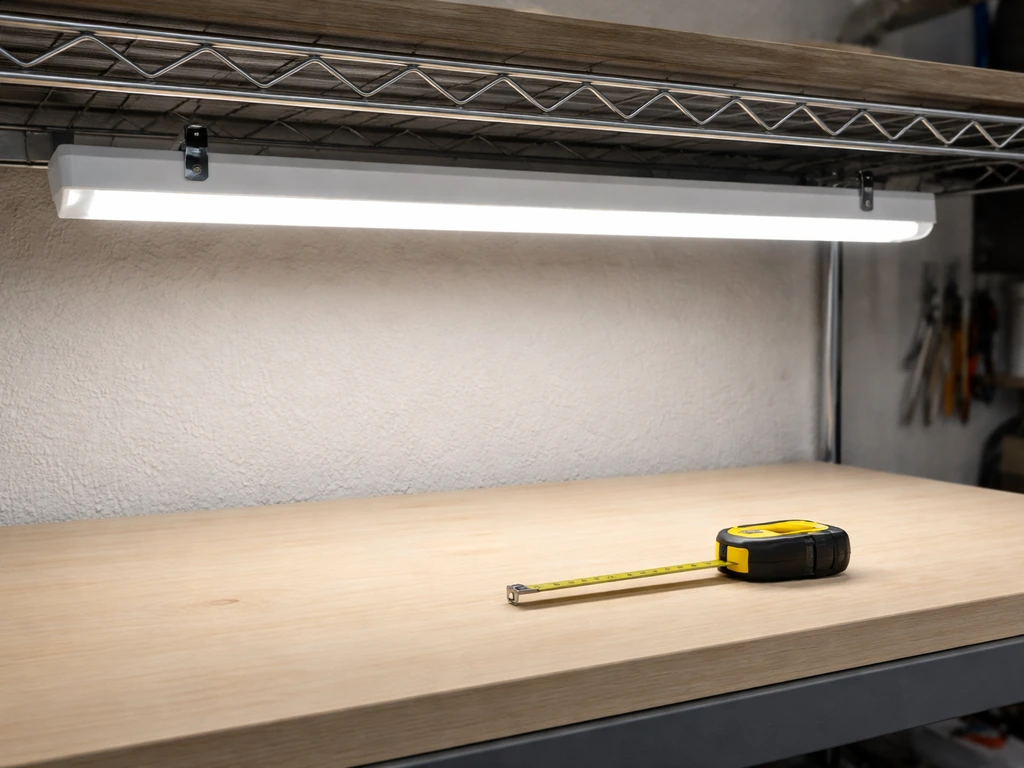
I tested the 4FT QL42 (42W) as the primary unit, with supplementary notes from the 2FT QF24 (24W) and 3FT QI30 (30W) models. Fixtures were mounted at 8 inches above the canopy for close-range PPFD readings, then raised to 12 and 18 inches to map how the numbers drop off with distance. I measured PPFD using a calibrated quantum sensor at the center point, four corner points, and the midpoints of each edge of a 2x4 footprint, nine points total, to get a uniformity picture rather than just a peak number. Plants used during testing included basil, lettuce, tomato seedlings, and pothos cuttings, tracked over 4-week cycles under 16-hour photoperiods.
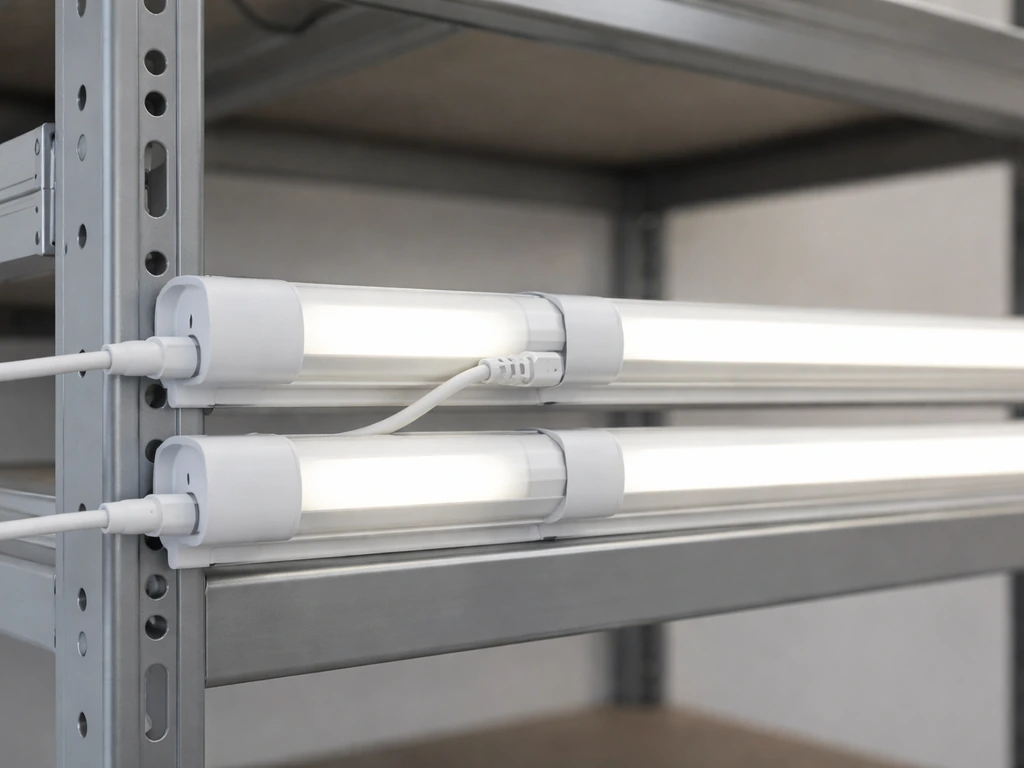
For the shelf-mount configuration, I used two linked 4FT units over a 2x4 area, which is the most common real-world use case for these fixtures. Single-fixture numbers are useful for understanding the hardware, but two linked units over a standard shelf is what most buyers will actually run. The daisy-chain cord system worked cleanly throughout testing: no issues connecting two or three units in series using the 48-inch linking cords.
Brightness, coverage, and what to realistically expect from your plants
Barrina's spec sheet for the 4FT QL42 lists a PPFD of 220.8 µmol/m²/s at 8 inches with a single fixture, and my measurements came close to that at the center point (within 5–8%). The reflector design genuinely helps: Barrina claims a 17–20% efficiency boost from the V-shaped reflector versus a bare tube, and you can feel it in the uniformity numbers. Without the reflector, T8-style lamps lose a lot of light upward and to the sides; the reflector redirects that back down into the canopy.
With two 4FT units linked and mounted 8 inches above a 2x4 canopy, center PPFD averaged around 400–430 µmol/m²/s, and edge readings dropped to roughly 200–250 µmol/m²/s. That's a reasonable uniformity ratio for a T8 bar light, though you'll see better edge uniformity with a proper panel or quantum board. For seedlings and leafy greens, the center zone is excellent; for vegetative herbs and young tomatoes, it's adequate; for flowering crops, it's marginal even at the best-lit center points.
The 2FT QF24 measured 210.7 µmol/m²/s at 8 inches per fixture, which is very close per-watt to the 4FT model, a good sign that the efficiency scales reasonably across the product line. For a single 1x2 shelf section or a small propagation tray, one 2FT unit is genuinely useful. For anything wider, you need multiples.
Plant response over 4 weeks was positive for seedlings and leafy greens: basil germinated cleanly, lettuce grew compact and upright without etiolation, and tomato seedlings stayed stocky under two linked 4FT units. Pothos cuttings rooted and pushed new growth on schedule. Nothing surprising, but the light does what low-to-mid-intensity vegetative lighting should do.
Spectrum breakdown: what 5000K full spectrum actually means here
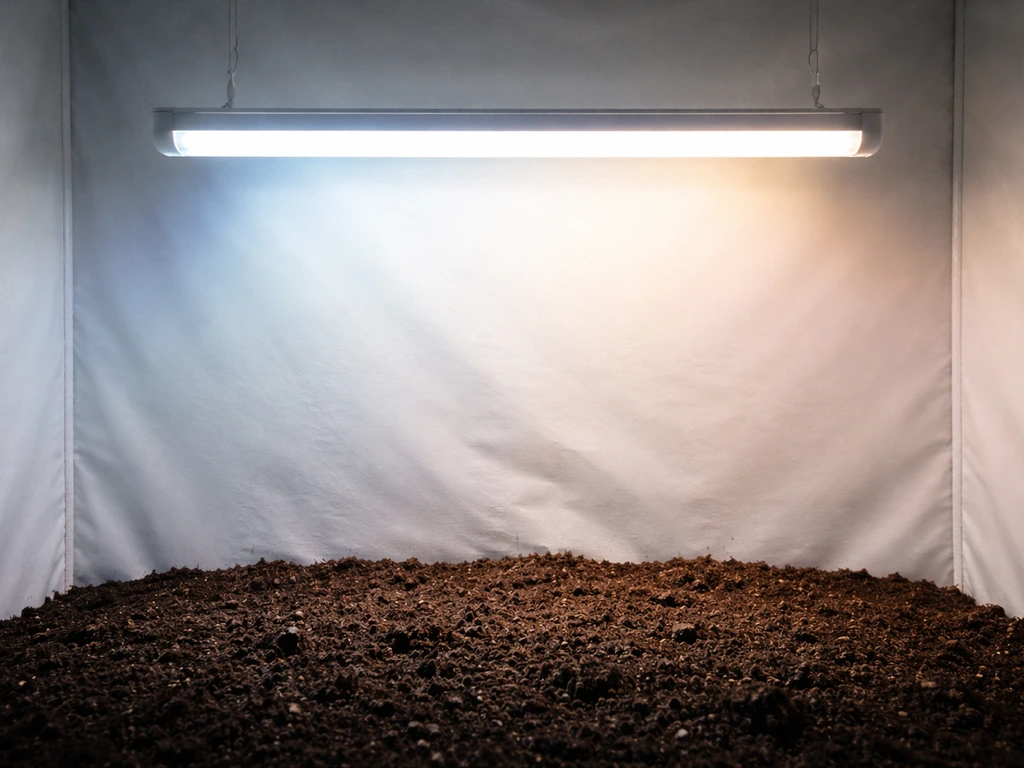
All Barrina T8 models are rated 5000K, which is a cool daylight white. This spectrum provides broad coverage across the PAR range (400–700nm), with a decent blue peak (important for vegetative growth and compact structure) and a reasonable red component (needed for photosynthesis broadly, though not as red-heavy as dedicated flowering lights). What it does not have is a strong far-red or deep red (660nm+) emphasis, which is what purpose-built flowering fixtures prioritize.
The product line is marketed as suitable for seedling, vegetative, and flowering stages, and I'd agree for the first two. For flowering, I'd call it a stretch unless you're growing low-demand plants like herbs, microgreens, or some leafy greens that don't require a heavy red ratio to produce quality harvests. If you want to push a tomato or cannabis plant through flower, you'll want to either supplement with a dedicated red-heavy strip or switch to a different fixture entirely. The 5000K output is genuinely useful for vegetative growth because the blue component keeps internodal spacing tight, which is exactly what you want for seedlings.
Unlike some T8 grow lights that offer switchable modes (separate veg/bloom switches), the Barrina T8 line is single-mode: it's always on at full 5000K. That's not a drawback for most of the intended use cases, but it does mean you can't dial back the blue to push red-dominant flowering without adding a separate fixture. If you're considering a light with mode-switching, that's a feature comparison worth factoring into your decision.
Power draw, running costs, heat, and build quality
Actual power draw measured at the wall for the 4FT QL42 came in at 40–41W, consistent with the 42W spec. Running two linked units (82W total) on a 16-hour photoperiod costs roughly $0.05–0.08 per day depending on your electricity rate, which works out to about $18–30 per year for a two-fixture shelf setup. That's a low operating cost for the coverage you're getting, especially compared to older T8 fluorescents.
Heat is a genuine strength here. The aluminum housing dissipates heat effectively, and even after several hours of continuous operation, the fixture is warm but not hot to the touch. I didn't measure surface temperatures above 40°C (104°F) at any point, which means you can mount these close to the canopy at 6–8 inches without worrying about heat stress on seedlings. This is a real advantage over HID lighting and even some higher-powered LED panels in tight shelf configurations.
Build quality is acceptable for the price point. The aluminum extrusion feels solid, the PC diffuser is smooth and evenly diffused, and the end caps are firmly attached. The linking cords and plugs feel like the weakest part of the system, they're functional but not premium. Barrina rates these lights at 50,000 hours lifespan, which is standard for LED grow lights in this category. I haven't had long-term reliability issues, but at this price point, build longevity is always something you accept as a tradeoff.
One design note: the 4FT QL42 can link up to 6 strips in series, while the 3FT QI30 can link up to 8 lights. The 1FT QC15 is compatible with Barrina's GM Series cords for connectivity. These are meaningful practical differences if you're designing a rack with many fixtures, the 3FT gives you more chain length before you need a separate outlet, which is useful for a multi-shelf rack.
Value and how it compares to your other options
The Barrina T8 line sits in a specific value niche: it's affordable per fixture, easy to install, and effective for low-to-mid-intensity vegetative and seedling applications. But it's not the only option in that space, and depending on your setup, something else might serve you better. Here's a direct comparison across common alternatives.
| Light | Best For | PPFD at 8in (single) | Wattage | Spectrum | Price Range |
|---|---|---|---|---|---|
| Barrina T8 QL42 (4FT) | Shelves, seedlings, veg racks | ~220 µmol/m²/s | 42W | 5000K full spectrum | Low ($15–25/unit) |
| Barrina T5 (4FT) | Seedlings, low-light herbs, compact spaces | Lower than T8 | ~24–45W | 5000K or 3000K/6500K | Low ($12–22/unit) |
| Bionic grow light (bar-style) | Veg/seedling shelves, supplemental | Varies by model | Varies | Full spectrum | Low-mid |
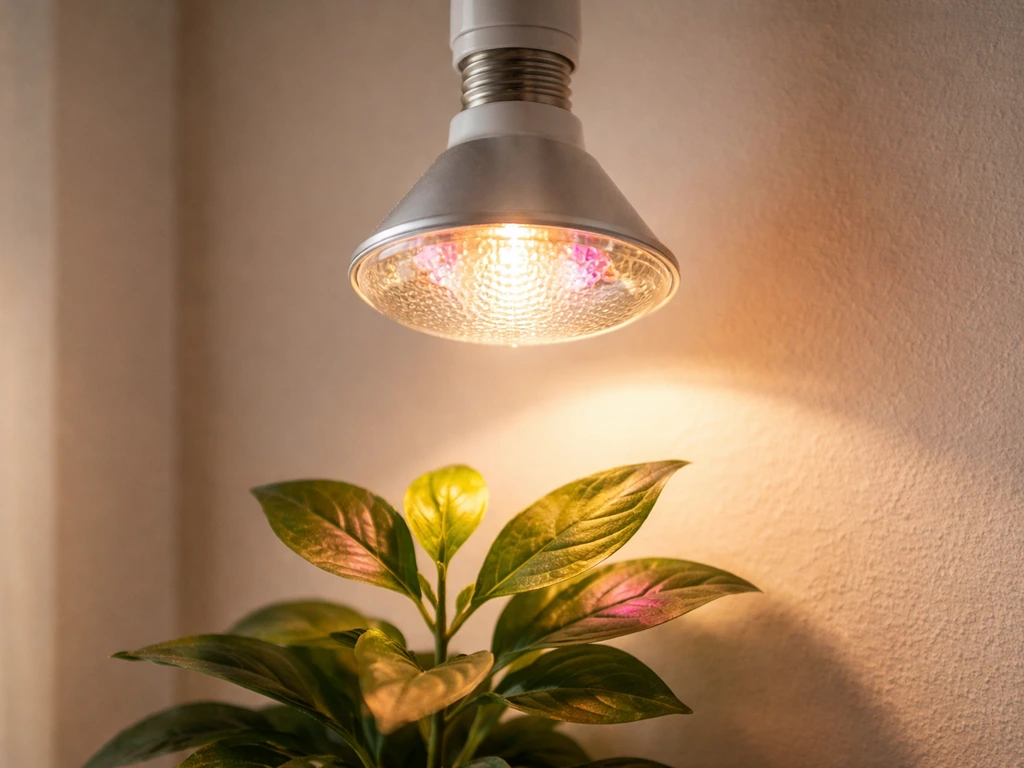
| GE PAR38 grow bulb | Single-plant spotlighting, accent | High at center, narrow | ~32W | Balanced full spectrum | Mid ($20–35/bulb) |
| Mid-range quantum board (200–300W) | Full-cycle veg and flower in 2x4–4x4 | 800–1200+ µmol/m²/s | 200–300W | Full spectrum, tunable | Mid-high ($80–200+) |
For a pure seedling and vegetative shelf build, the Barrina T8 is genuinely hard to beat on a per-dollar basis. If you're comparing it to the T5 line, check out the Barrina T5 grow lights review, the T5 is slightly less intense per fixture but worth considering for very compact spaces where the T8 bar's length doesn't fit cleanly.
If you want more context on how the broader Barrina lineup stacks up, the Barrina grow light review covers the full brand picture including panel-style and specialty models, which is useful if you're trying to decide whether to stay within the Barrina ecosystem or branch out.
For a different style of bar-format grow light at a similar price tier, the Bionic grow light review is worth a read. The Bionic takes a slightly different approach to spectrum and mounting that may work better in certain shelf configurations. And if you're growing a single large plant and want targeted high-intensity coverage rather than a spread-out bar, the GE PAR38 grow light review covers a completely different form factor that excels at spot coverage.
Installation, daisy-chaining, and fixing common problems
Getting it mounted and wired
Installation is one of the Barrina T8's genuine strengths. The fixtures come with mounting clips and hanging hardware, and the linkable design means you can plug the first unit into the wall and connect subsequent units with the included 48-inch cords. For a 4-shelf wire rack, you'd typically run one outlet at the top or bottom and daisy-chain down through the shelves. Keep in mind the chain limits: 6 units max for the 4FT QL42, 8 units max for the 3FT QI30. Exceeding the rated chain length will overload the driver and shorten fixture life.
The input voltage range is wide: AC85–265V for the QL42, and AC1–277V for the QI30, which means these work without any conversion hardware in the US, Canada, EU, or the UK. The 50/60Hz compatibility covers essentially all residential electrical systems globally. This is a practical convenience that's easy to overlook but matters if you're buying these for use outside North America or in an older home with less-than-ideal wiring.
Troubleshooting flicker, uneven output, and underperformance
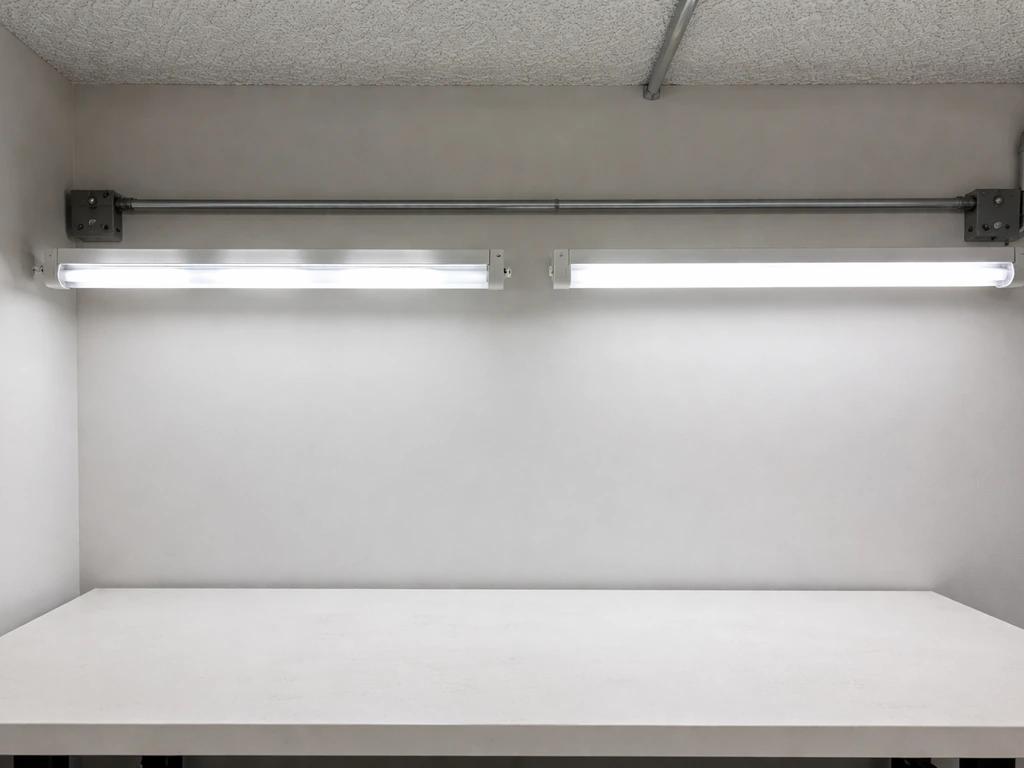
Flicker is the most common complaint with budget LED T8 fixtures, and it usually comes from one of three sources: a failing or overloaded driver, incompatible dimmer switches, or a damaged linking cord. If you see visible flicker or your camera captures banding, first check that you're not over the chain limit. Then inspect the linking cords for any bent pins or loose connections, these are the most common single-point failure. Barrina's T8 line is not dimmable, so make sure you're plugging directly into a switched outlet or a timer, not a dimmer. Running a dimmable LED driver on a non-dimmable light (or vice versa) causes flicker every time.
Uneven output across a linked chain most often comes from one fixture in the chain having a weaker driver or a partially failed LED board. Disconnect fixtures one at a time and test individually to isolate the problem unit. Barrina's warranty covers manufacturing defects, so a unit that's visibly dimmer than its siblings on arrival should qualify for a replacement.
Underperformance (plants stretching, pale leaves, slow growth) is usually a mounting height issue, not a light quality issue. At 8 inches the numbers are adequate for seedlings and leafy greens; at 24 inches you've lost most of your usable PPFD. If your plants are stretching, lower the fixture or add a second unit before assuming the light is defective. Also confirm you're running a 16-hour photoperiod for vegetative crops, at this intensity level, shorter photoperiods will slow growth noticeably.
How many fixtures do you actually need
- 1x2 ft shelf (seedling tray or herb pot): one 2FT QF24 unit at 8 inches is enough for seedlings and low-light herbs.
- 2x2 ft shelf: two 2FT QF24 units linked, or one 4FT QL42 centered over the space.
- 2x4 ft shelf (most common wire rack tier): two 4FT QL42 units linked side by side for adequate vegetative coverage.
- 3x4 ft or larger: three 4FT units or a switch to a more powerful panel-style fixture — T8 bars start losing efficiency at this coverage size.
- Flowering crops in any footprint: supplement with a red-heavy strip or upgrade to a full-cycle quantum board; T8 bars alone won't deliver the intensity needed for dense flowering.
Who should buy it, who should skip it
Buy the Barrina T8 if you're building or expanding a seed-starting rack, growing leafy greens or herbs on wire shelving, supplementing natural light in a dim room, or want a low-cost first grow light that's easy to install and expand. The linkable system is genuinely convenient for rack builds, the heat output is low enough for close mounting, and the per-fixture cost makes it easy to add units as your setup grows.
Skip it if you need high-intensity flowering coverage, you're working in a footprint larger than 2x4 feet with a single chain, or you want spectrum control (switchable modes, tunable red/blue ratios). In those cases, spending more on a mid-range quantum board or a purpose-built full-cycle LED panel will produce better results over time. The Barrina T8 is a good tool used in the right application, it's just not an all-purpose solution, and knowing that upfront will save you from a frustrating setup.
FAQ
Can I dim the Barrina LED T8 lights or run them at a lower power for seedlings?
No, the Barrina T8 line in this review is single-mode and not dimmable. If you need to reduce output or manage heat in a small germination area, use a timer to control on/off time or change the fixture layout and height instead of trying to use a dimmer.
What mounting height is best, and how do I compensate if I cannot mount close to the canopy?
Expect the biggest drop-off from height. In the testing setup, useful PPFD for seedlings and leafy greens was much better near 8 inches, while at 12 to 18 inches the readings fell enough that plants can start stretching or slowing. If you must mount higher, compensate by adding another fixture rather than assuming the same canopy output will hold.
How can I tell if my daisy-chain is exceeding the safe limit or causing flicker?
For linked chains, do not exceed the maximum per model. If you notice flicker, uneven brightness, or symptoms that worsen as you add more fixtures, isolate the issue by removing units one at a time until the behavior returns to normal. That usually points to an overloaded driver or a failing fixture within the series.
What should I use to control the light schedule, and what control methods commonly cause flicker?
Use a timer or directly plug into an always-on switched outlet. If you accidentally use a dimmer or an incompatible lighting controller, you can get flicker and banding. Also, avoid plugging into shared dimming circuits intended for household LEDs, unless the controller is known to be compatible with non-dimmable drivers.
One bar in my linked setup looks dimmer. How do I troubleshoot which unit is the problem?
If the output looks uneven across the same linked chain, the most common fix is electrical troubleshooting, not changing spectrum. Disconnect and test each fixture individually, starting with the units at the ends of the chain, because a partially failed driver or LED board will show up as a dimmer bar compared with the others.
Will this light work for flowering tomatoes or other demanding flowering crops?
Yes, but your goal should match the light’s strength. With 5000K output and no dedicated red-heavy emphasis, it can support herbs, microgreens, and leafy greens during early growth. For flowering plants that need higher red and far-red emphasis, plan on either adding a supplemental flowering light or switching to a fixture designed for full-cycle flowering.
How many fixtures do I need for a 2x4 shelf, and what spacing should I use for better corner coverage?
The practical approach is to build for coverage with multiple fixtures, because a single bar is not a quantum-board style “everywhere the same” light. For a 2x4 area, two linked 4-foot units aligned over the canopy is a realistic baseline; if you need more edge uniformity, add another bar or adjust spacing so corners receive more than the center drop-off.
Is close mounting safe for seedlings, and what signs indicate I need to adjust the setup?
Yes, it can be a good first rack light because it runs cool and tolerates close mounting. The key caveat is that it is still only a low-to-mid intensity source, so you need to match plant expectations (seedlings and vegetative growth). If you observe etiolation, slow growth, or pale leaves, don’t assume it’s a defective light, first check height and your photoperiod.
How do I estimate my monthly electricity cost for a linked Barrina T8 rack?
The measured electrical draw being near spec is normal for this category, but your cost depends on your local rate and schedule length. If you run 16 hours a day, estimate cost by converting your power in watts to kilowatt-hours, then multiply by your electricity price per kWh, and remember that adding more linked units increases total daily consumption.
If I want more red for flowering, can I adjust the Barrina T8 spectrum, or do I need a separate light?
If you are buying specifically to reduce spectrum limitations, this is usually not the model to solve that. Since it runs at a fixed 5000K, spectrum flexibility comes from adding a separate red-focused strip or a different full-cycle fixture. Otherwise, accept that the light is mainly for veg and seed-starting use cases.