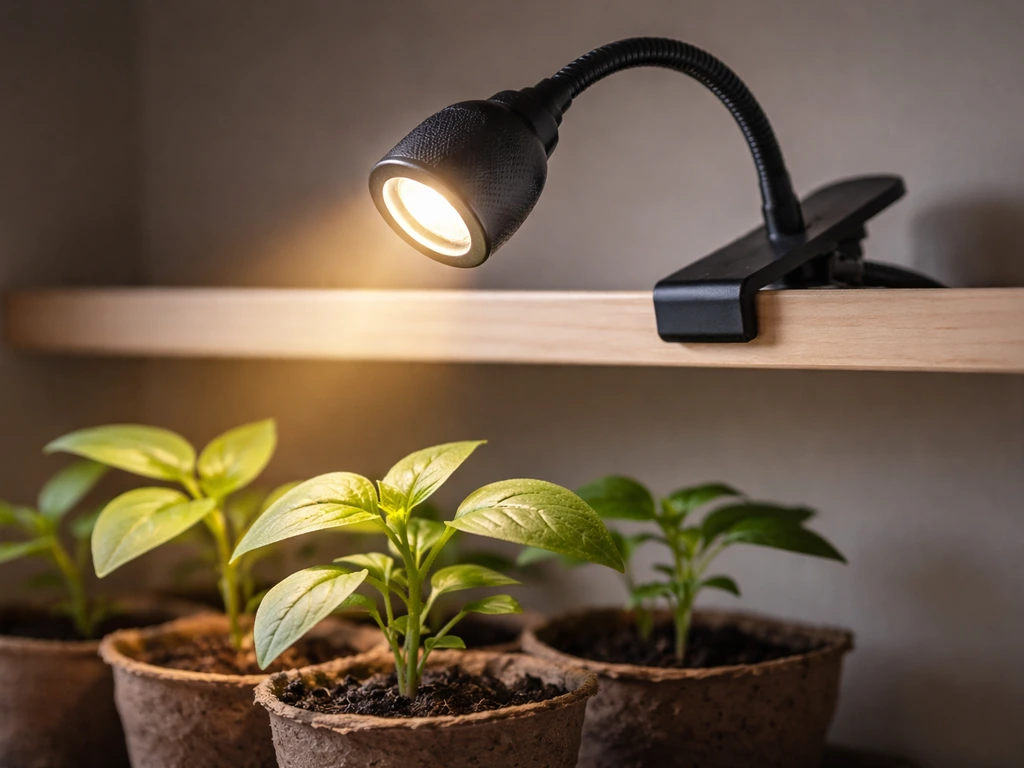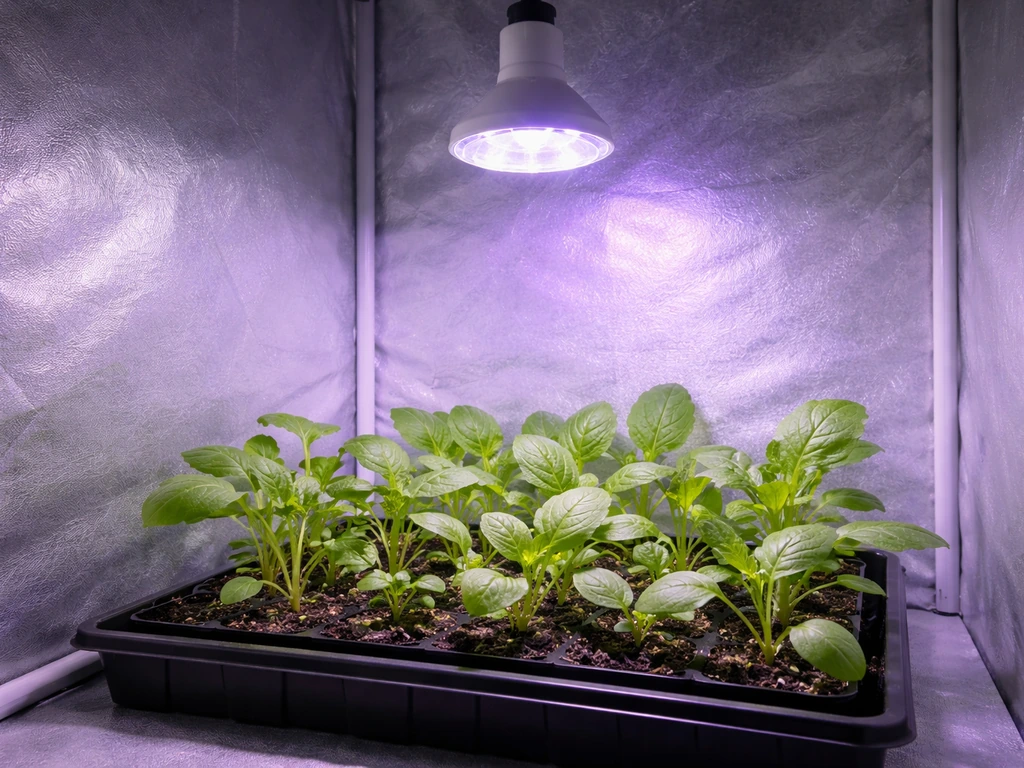
The Sansi 24W grow light is a legitimate, useful fixture for seedlings, propagation, and small indoor plants, but only if you use it correctly and match it to the right job. At 24 watts, you are not getting a main light for a full vegetable canopy, but for a compact herb shelf, a seed tray, or a few potted tropicals under supplemental light, it can deliver real results.
Sansi 24W Grow Light Review: Worth It for Indoor Plants?

Marcus Caldwell
22 Apr 2026
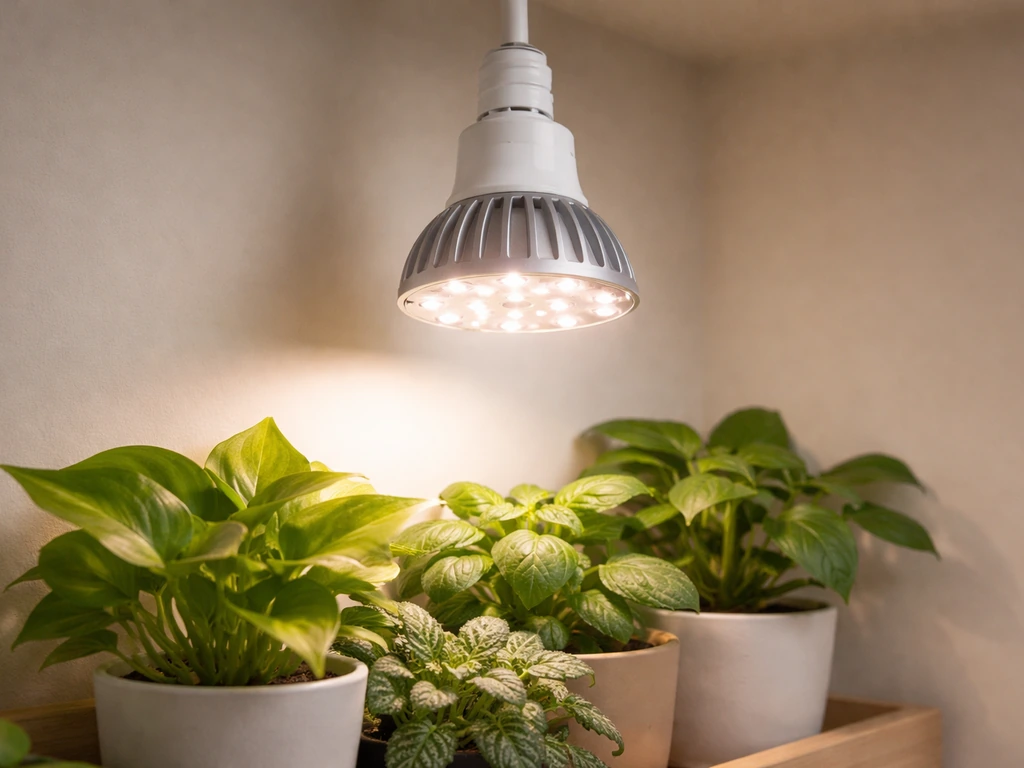
This review breaks down exactly what the 24W Sansi is (because there are actually several models), what the PPFD numbers mean in practice, and whether it earns its price compared to other 20 to 30W options. A Reddit thread comparing the Sansi 24W BR30 and PAR25 variants notes that users see confusing cone-angle or spec presentation and different claimed PPFD ratios across distance compare/clarify that Sansi’s 24W variants (BR30 vs PAR25) have different claimed PPFD outputs.
If you are searching for sansi grow light reviews, this section connects the published specs to real-world results you can expect.
Which Sansi 24W model are we actually talking about?
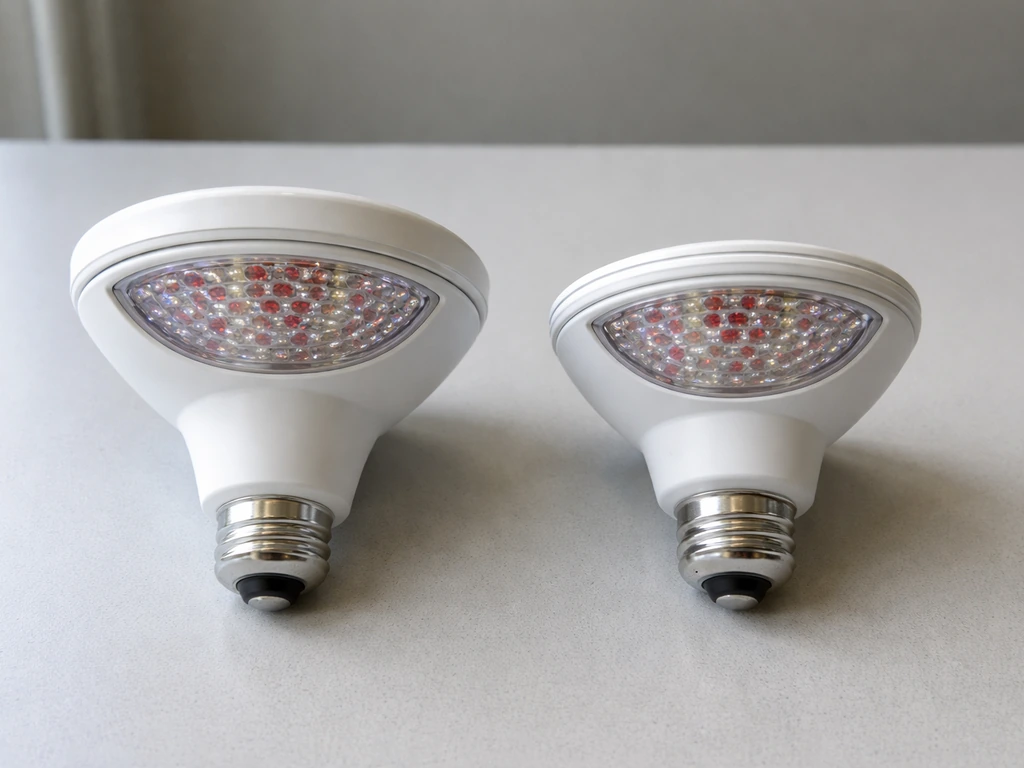
This is the first thing to sort out, because Sansi sells more than one 24W grow light and they are not identical. The most commonly encountered versions are the BR30 24W bulb (a standard screw-base format), the PAR25 24W bulb, and the C21GL-CE26-24W full-spectrum bulb (which appears in various instruction manuals and independent listings). There is also the TD02 24W, a clip-style fixture designed for desktop or shelf mounting, and the C21GL-JE26, another screw-base unit listed at 24W. All run on 120V AC in the US market; the TD02 has a variant rated 220 to 240V for international markets.
For most buyers searching this term, the relevant products are the BR30 24W and the PAR25 24W bulb variants, since those are the ones sold on Amazon and major US retail channels. The C21GL-CE26-24W is the model number you will find in the instruction manual for the full-spectrum bulb version. These models share a similar design philosophy but differ in optics and PPFD output, so check your model number before assuming one spec sheet applies to all.
Spectrum, LED design, and what growth stages it covers
Sansi markets the 24W lineup under a "full spectrum" label, which in practice means a white-dominant LED array centered around 4000K color temperature. That 4000K tuning sits between warm and cool white, giving you a reasonably balanced blue-to-red ratio that works across vegetative and early flowering stages without being optimized for either. Some variants, particularly the BR30 24W, also incorporate dedicated 660nm red and 730nm far-red diodes layered on top of the white base. The 660nm red pushes photosynthetic efficiency during flowering, and the 730nm far-red matters for triggering the end-of-day light signal that influences flowering initiation in some plants.
Sansi explicitly positions the full-spectrum 24W for all stages of plant growth, which is accurate with an asterisk: it genuinely covers germination, seedling, and vegetative stages well. For flowering and fruiting, the intensity at practical mounting distances becomes the limiting factor more than the spectrum itself. The secondary optical design on the C21GL-CE26-24W model achieves a PPF of 36.2 μmol/s, which is a solid but modest output for this wattage class. The TD02 clip-light version uses a 120-degree beam angle, giving broader but shallower spread compared to narrower PAR-style bulbs.
What PPFD numbers actually mean for your plants
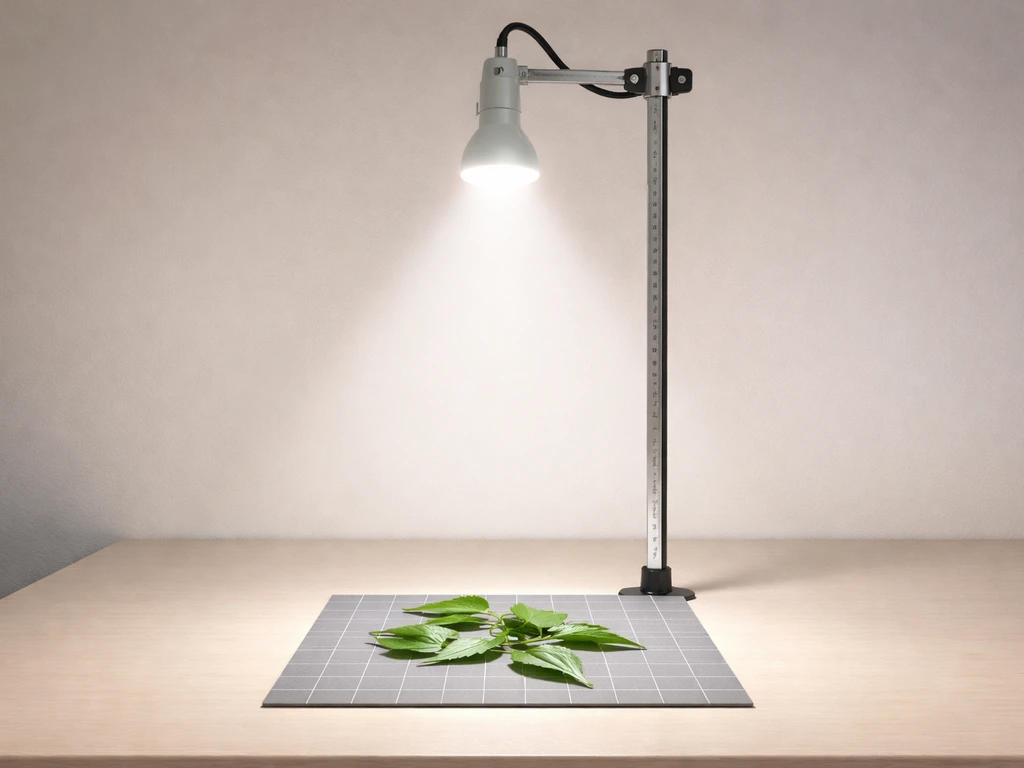
PPFD (micromoles per square meter per second) is the most useful single number for comparing grow lights, and Sansi publishes these figures per model. The PAR25 24W claims 227.5 μmol/s/m² at 1 foot. The C21GL-CE26-24W full-spectrum bulb manual reports 177. Judge.me’s listing for the SANSI BR30 24W repeats manufacturer-style specs of PPF 36.2 µmol/s and PPFD 177.06 µmol/s/m² at 1 ft. 06 μmol/s/m² at 1 foot. Both numbers drop sharply as you increase distance: the manual data for a comparable PAR30 class bulb shows PPFD falling from 177 at 1 foot to around 11 by 4 feet. That is an 85 to 90 percent drop over 3 extra feet, which is a physics reality, not a brand defect.
| Distance from light | Approx. PPFD (C21GL-CE26-24W) | Suitable for |
|---|---|---|
| 1 ft (30 cm) | ~177 μmol/s/m² | Seedlings, low-light houseplants |
| 1.5 ft (45 cm) | ~80–100 μmol/s/m² (estimated) | Herbs, lettuce, propagation |
| 2 ft (60 cm) | ~45–60 μmol/s/m² (estimated) | Supplemental light only |
| 4 ft (120 cm) | ~11 μmol/s/m² | Not useful for most plants |
To put those numbers in context: seedlings and low-light plants like pothos or peace lilies are happy at 50 to 150 μmol/s/m². Herbs and leafy greens want 150 to 250. Fruiting plants and flowers want 400 to 600 or higher for peak productivity. The Sansi 24W gets you into the herb and leafy green range at close distances, but it cannot realistically sustain flowering crops at any practical mounting height.
If you want to dig deeper before buying, look for detailed sansi grow light reviews that cover which 24W model fits your plants and how to set it up for the right PPFD. If you are specifically hunting for the best fit among Sansi 15W options, the Sansi 15W grow light review can help you compare output, coverage, and mounting height requirements.
How to set it up correctly
Mounting height and distance
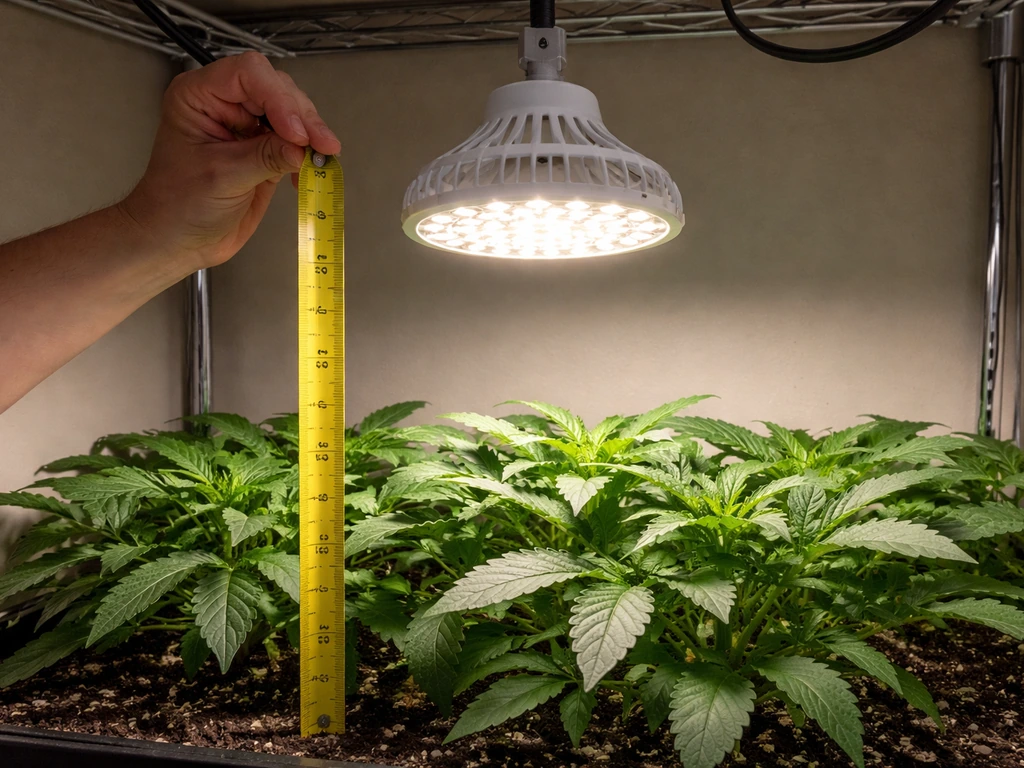
Start at around 12 to 18 inches above the canopy for most uses. Real-world growers using Sansi 24W bulbs report good results at about 1 to 1.5 feet, which aligns with the published PPFD data. Placing it closer than 10 to 12 inches can cause light burn on sensitive seedlings, and multiple users have flagged this on forums. If you are growing shade-tolerant plants or using the light as a supplement to natural light, 18 to 24 inches is fine. Just accept the PPFD will be modest at that height.
Photoperiod and daily run time
Most vegetative plants do well with 14 to 16 hours of light per day under a grow light at this intensity level. Seedlings are generally comfortable at 16 hours on, 8 hours off. If you are using the TD02 clip-light version, it has built-in timer modes at 3, 6, and 12 hours, which is a useful convenience for low-maintenance setups. For the screw-base bulb models, you will need an external timer, which adds a small cost but gives you full control.
Supplement light vs. main light
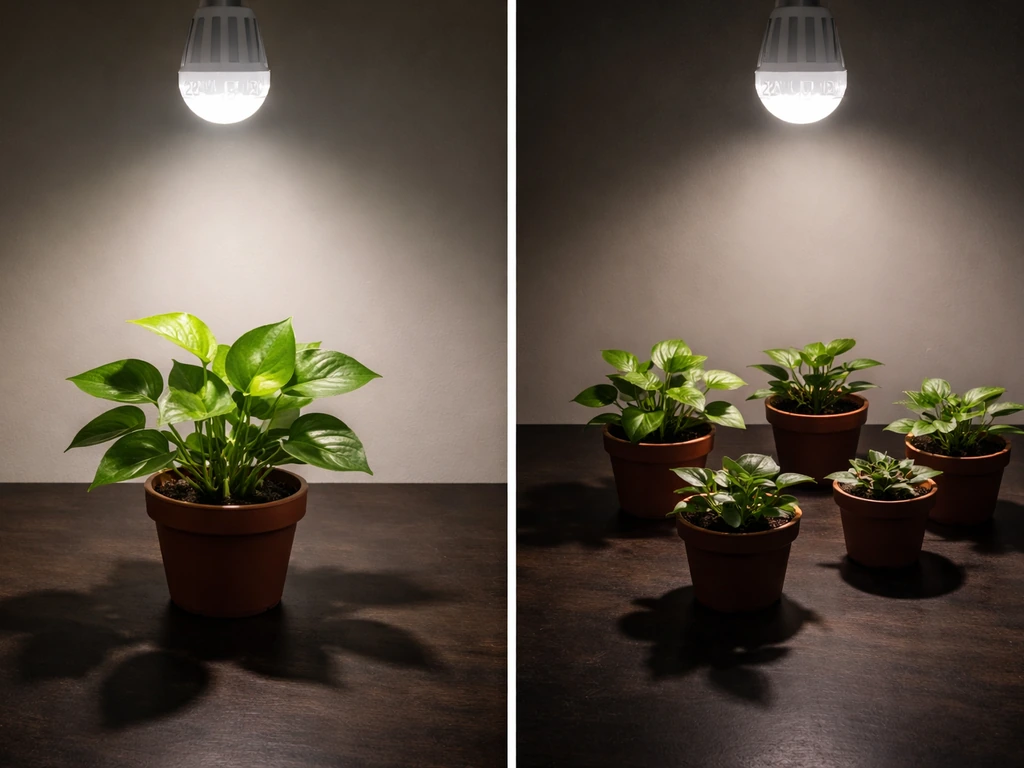
This distinction matters a lot with 24W fixtures. As a main light in a windowless space, one 24W Sansi bulb covers a realistic footprint of about 1 square foot to 1.5 square feet at useful intensity (150+ μmol/s/m²). That is roughly a single pot or a small cluster of seedling trays. As a supplement to a south-facing window, the effective coverage expands considerably because you are just topping off natural light rather than replacing it entirely. For a 2x2 foot shelf or rack, consider two bulbs for even coverage rather than relying on one.
Build quality, heat, and reliability
Sansi uses a ceramic heat-dissipation design on their LED chip packaging, which is one of the things that sets them apart from cheaper plastic-bodied grow bulbs. In practice, the 24W bulbs run warm but not hot to the touch after a few hours. The driver is integrated into the base of the bulb, which is standard for screw-base designs. The TD02 has a separate body and clip, with the driver housed in the main unit.
Reliability feedback from real users is mixed but not alarming. Some growers report bulbs lasting multiple years without issue. Others have had early failures and needed to contact Sansi support. Sansi's warranty for grow light bulbs in the US and Canada is 5 years, which is genuinely strong for this product category and most budget competitors do not come close to that. Customer support experiences vary: US buyers generally report smooth replacements, while some international (EU) buyers have described being asked to pay around 30 percent of the original price for replacement units under warranty. If you are outside the US or Canada, check the warranty terms carefully before buying.
One practical note on dimmers: some users report flickering when Sansi bulbs are used with incompatible dimmer switches. The screw-base bulbs are not universally dimmer-compatible, so run them on a standard on/off socket or use an inline timer rather than a dimmer unless Sansi specifically confirms compatibility for your model.
How it stacks up against other 20 to 30W grow lights
In the 20 to 30W grow light bulb segment, the main competitors are other screw-base grow bulbs from brands like Spider Farmer, GE Grow, and Soltech. Here is a practical comparison across the factors that matter most for buyers.
| Factor | Sansi 24W (BR30/PAR25) | Typical 20–30W competitor bulb |
|---|---|---|
| PPFD at 1 ft | 177–227 μmol/s/m² | 120–200 μmol/s/m² (varies widely) |
| Spectrum | Full spectrum 4000K + 660nm/730nm (some variants) | Full spectrum or red/blue blended |
| Warranty | 5 years (US/CA) | 1–3 years typical |
| Beam angle | ~120° (TD02), narrower on PAR variants | 60°–120° depending on model |
| Dimming | Not universally compatible | Varies; some have dedicated dimmers |
| Price range | ~$15–30 per bulb | ~$10–40 depending on brand |
| Timer built-in | TD02 only (3/6/12H modes) | Rare at this price point |
The Sansi 24W's main competitive advantages are the 5-year warranty and the PPFD output on the PAR25 variant, which sits at the high end for this wattage class. The GE Grow LED bulbs are cheaper and widely available but carry shorter warranties and lower PPFD claims. Spider Farmer's bar-style panels at similar wattages offer better canopy spread but cost more and require a dedicated mount rather than a standard fixture.
If pure cost-per-micromole is your metric, the Sansi PAR25 24W performs well for its price. If you want a wider spread without adding multiple bulbs, a small panel light in the 20 to 30W range will cover more ground, though usually at a higher upfront cost and with shorter warranty terms.
It is also worth noting that Sansi makes bulbs at other wattages in the same lineup. The 15W and 10W options step down for very small or low-light applications, while the 36W moves up for larger plants or taller ceilings. If you want to compare how the Sansi 10W option stacks up for very small setups, see the sansi 10w grow light review as a related alternative. If you are also considering the higher-output option, see the sansi 36w grow light review for a direct look at how the upgrade affects PPFD, coverage, and mounting distance. If you are between sizes, the 24W is the practical middle ground for a single-pot or small tray setup.
Who should buy the Sansi 24W, and who should skip it
Buy it if:
- You are starting seeds or rooting cuttings and need reliable close-range light for a small tray or propagation dome.
- You want to supplement a low-light room or north-facing window for a few houseplants or herbs.
- You are growing low to medium light plants like pothos, snake plants, herbs, or leafy greens in a compact space.
- You want a screw-base solution that fits a standard lamp or clamp fixture you already own.
- The 5-year warranty matters to you and you are in the US or Canada where support is straightforward.
- You are building a small multi-bulb rack and want consistent, documented PPFD numbers to plan spacing.
Skip it if:
- You want to flower tomatoes, peppers, or cannabis in a dedicated grow space. The 24W will not produce the 400+ μmol/s/m² those plants need at any practical height.
- You need to cover more than 1.5 square feet with a single fixture at useful intensity.
- Your ceiling or shelf height forces you to mount the light more than 2 feet above the canopy.
- You are outside the US or Canada and concerned about warranty support costs.
- You are planning to run the bulb on a dimmer switch without confirming compatibility first.
Common gotchas to avoid
The biggest mistake with small grow lights is mounting them too high and then wondering why plants are stretching or not thriving. Distance kills intensity fast. A Sansi 24W at 3 feet above the canopy is delivering almost nothing useful. Keep it at 12 to 18 inches for active growing applications.
The second gotcha is using one bulb and expecting full room coverage. One 24W bulb illuminates one pot well, not an entire shelf. If you have a 2-foot-wide shelf, use two bulbs spaced across it. The math works out: two PAR25 24W bulbs at 1.5 feet provide overlapping coverage that averages out to a workable intensity across a 2x1.5 foot footprint.
Third: do not conflate wattage with PPFD. A 24W bulb with good optics can outperform a poorly designed 30W bulb. Always compare PPFD at a stated distance, not raw wattage, when shopping in this category.
Practical next steps after reading this
- Identify your specific Sansi 24W model number (check the base of the bulb or the packaging) so you know which PPFD figure applies to your unit.
- Measure your mounting height. If your shelf or ceiling puts the bulb more than 18 inches from the plant canopy, buy a lower fixture, a clamp arm, or add a second bulb.
- Start with seedlings or herbs. Set the light at 14 to 16 inches above the tray, run it 14 to 16 hours per day, and check for stretch or bleaching after the first week.
- If you are supplementing a window setup, place the bulb 18 to 24 inches above the plants and run it during the darkest part of the day (early morning or evening).
- Register your warranty with Sansi after purchase. The 5-year coverage is one of the strongest selling points in this price range, but you want it on record.
FAQ
Which Sansi 24W model should I buy if I want the most usable light for seedlings and herbs?
If your priority is higher usable PPFD at typical mounting distances, the PAR25 24W variant is usually the best starting point. Make sure you confirm the exact model label (BR30, PAR25, or the C21GL-CE26-24W manual model), because the optics and PPFD output are not the same across the 24W lineup.
How close is too close for a Sansi 24W bulb, and what signs mean I should raise it?
Avoid going under roughly 10 to 12 inches for sensitive seedlings, since that can lead to light stress or burn. Raise the light if you see bleaching, crispy leaf edges, or the plant stops growing even though the days are long enough. If plants are stretching and leaning away, lower it a few inches and recheck for stress after a week.
Can I use a dimmer to reduce brightness and still keep plants healthy?
Be careful. Some Sansi screw-base bulbs can flicker with dimmers that are not compatible. For stability, use a standard on/off socket with a timer, or an inline dimmer only if the specific bulb model is confirmed compatible by the manufacturer.
What daily light schedule should I use if I do not know my plant’s stage or light tolerance?
Start with a conservative baseline: about 14 to 16 hours on for most vegetative growth with this intensity level, then adjust. If you are growing delicate seedlings, begin around 16 hours on and 8 hours off. If you notice stress, reduce daily hours first before changing distance.
Does “full spectrum” on the Sansi 24W mean it will fully support flowering and fruiting?
Not by distance alone. While the spectrum is suitable for all stages, flowering crops usually require much higher PPFD to be productive. With a 24W bulb, you typically need close placement and still may only achieve limited results compared to larger wattage fixtures or multiple bulbs.
How much coverage should I plan for on a shelf, and how do I space multiple bulbs?
Plan for about one pot to one and a half square feet per bulb at useful intensity, based on typical mounting distances. For a 2x2 foot rack, a single bulb is rarely enough; use multiple bulbs spaced across the shelf so that intensity is reasonably even, not concentrated under one spot.
Can I run a Sansi 24W bulb 24 hours a day to speed up growth?
Usually no. Plants need a dark period, and constant light can reduce performance for many species. If you want faster growth, adjust intensity through distance or add another bulb rather than switching to 24/7 lighting.
Why does a plant look pale or stretched, even though I’m using a grow light?
Two common causes are distance and coverage. Distance reduces PPFD quickly, so if the bulb is at 2 to 3 feet you may be underlighting. Also check whether the plant is within the focused area of one bulb, because a single 24W bulb often does not cover an entire shelf uniformly.
What temperature issues should I expect from the ceramic heat design?
The bulbs generally run warm but not dangerously hot to the touch after a few hours, which is one reason the ceramic design is viewed positively. Still, avoid enclosing the bulb in a sealed, non-ventilated shade housing, because trapped heat can shorten electronics lifespan.
What should I know about warranty coverage if I am outside the US or Canada?
The US and Canada warranty is strong (5 years), but international replacement terms can differ. If you are in the EU or elsewhere, verify whether replacements require partial payment before relying on warranty service.