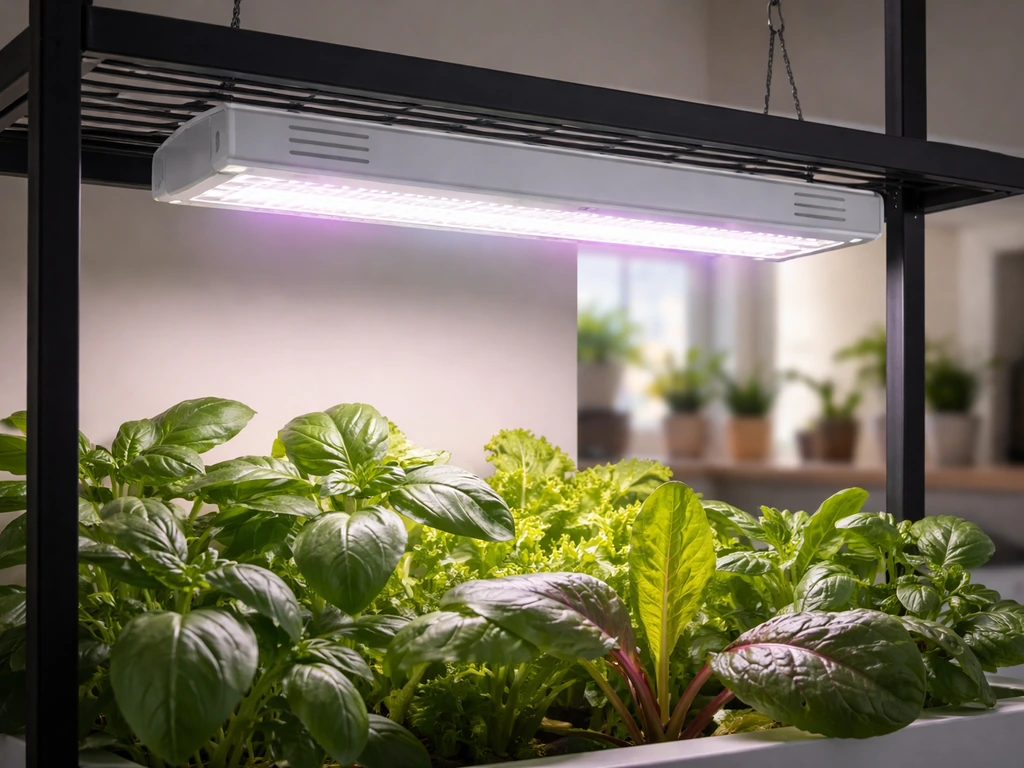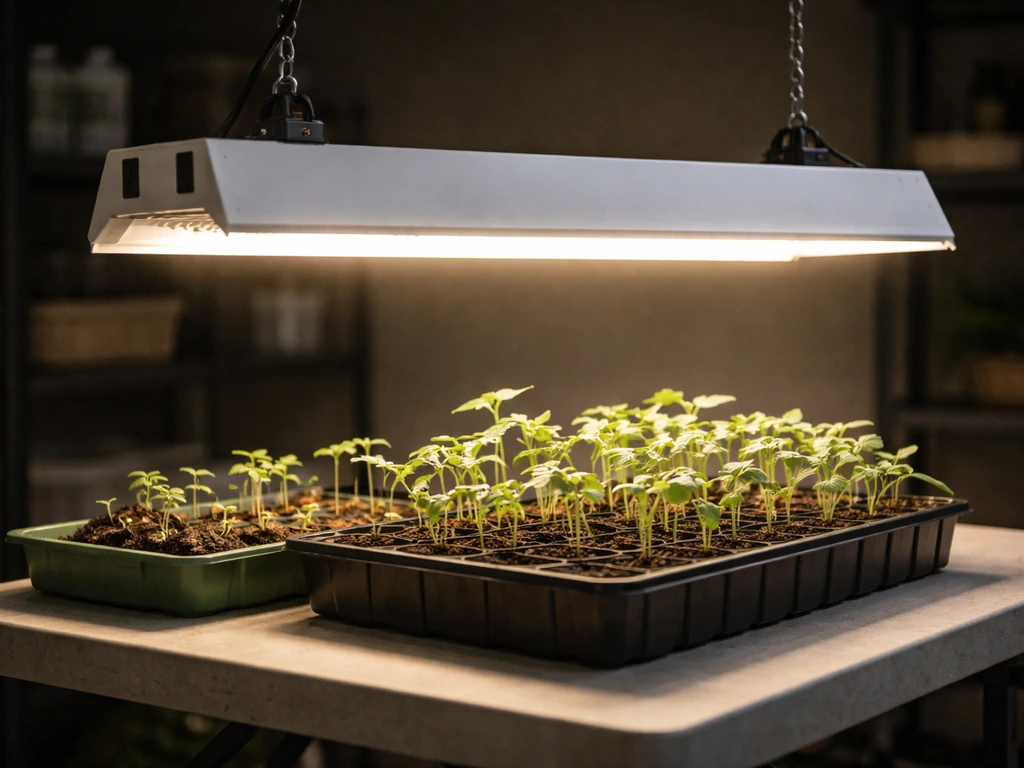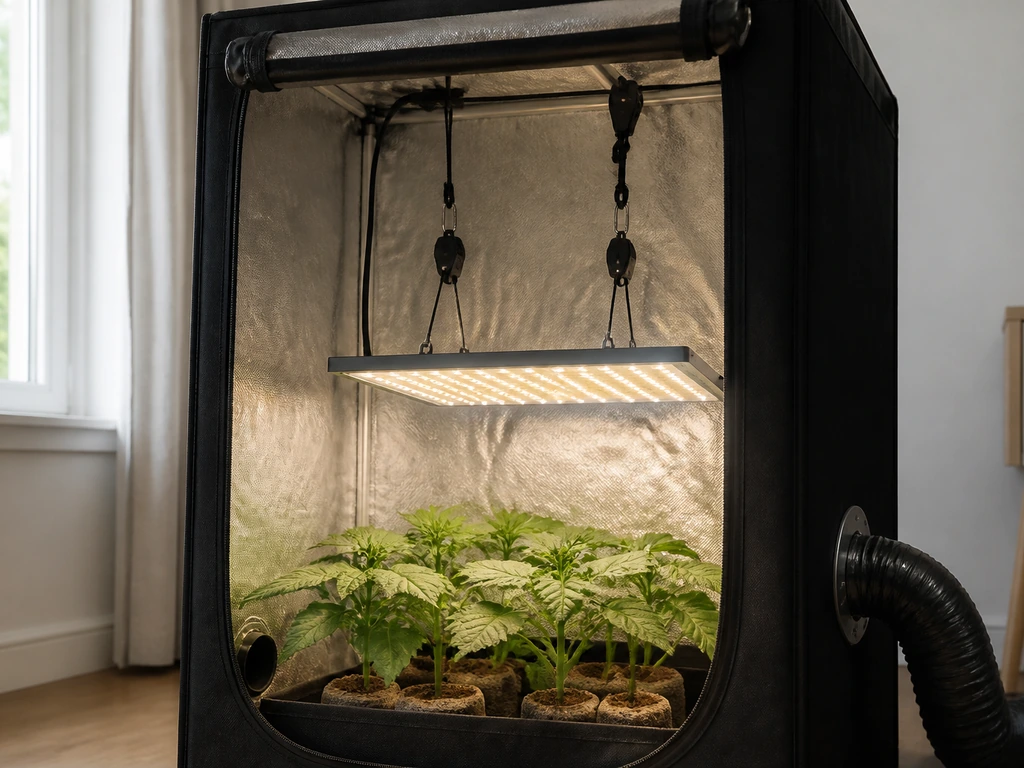
If you searched for "globe grow light review" hoping to find a deep dive on a specific branded fixture, here's what you need to know upfront: as of April 2026, there is no single product called "the Globe Grow Light." What that search term actually pulls up is a collection of globe-shaped LED grow light bulbs sold through major retailers like Home Depot and generic online marketplaces. The most commonly surfaced model is the HR-GL0301AA-41, a screw-base globe bulb listed under Home Depot's grow light bulb category. That's the product this review focuses on, but I'll also flag where other products sneak in under the same name so you don't accidentally mix up results.
Globe Grow Light Review and Buying Guide for Indoor Growers

Marcus Caldwell
12 Apr 2026
What a globe grow light actually is
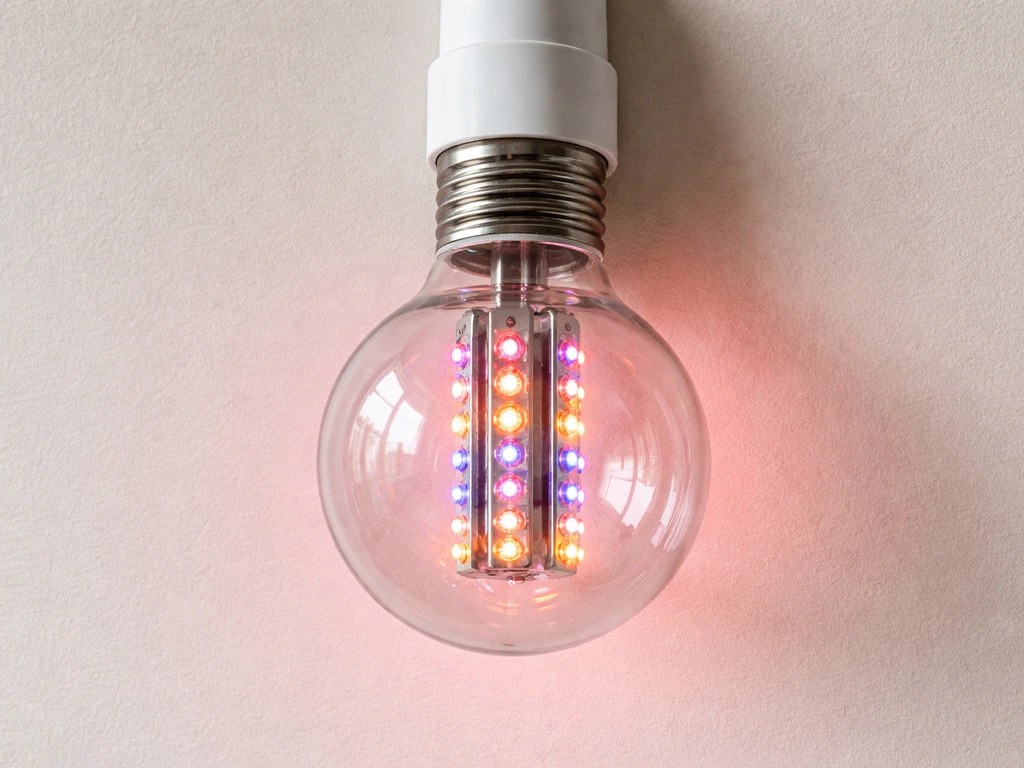
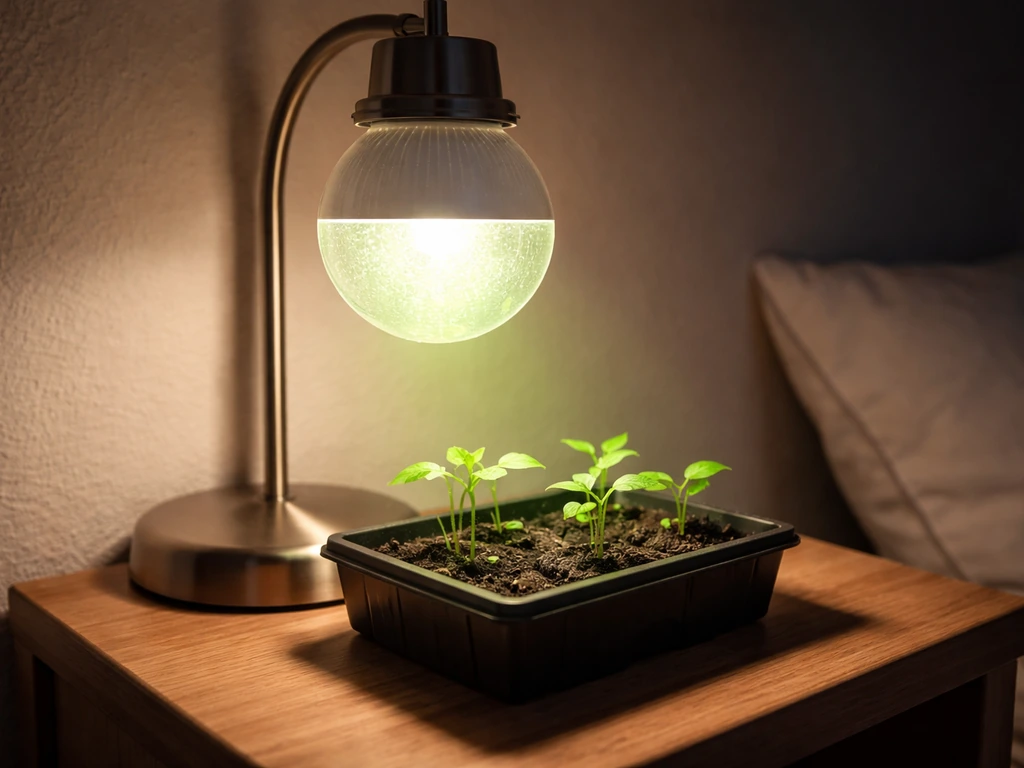
A globe grow light is a grow-spectrum LED bulb shaped like a traditional globe light bulb (the round, A-shape style), designed to screw into a standard E26 or E27 base. The HR-GL0301AA-41 fits an E26 socket, which means it drops directly into any standard lamp, clamp light, or pendant fixture you already own. That's basically the entire appeal: zero setup cost beyond a cheap clamp socket, and it blends into a living room or kitchen without looking like a piece of grow equipment.
These bulbs are not panel grow lights. They are not quantum boards. They are single-bulb, wide-angle light sources intended for small-scale supplemental or solo growing: a few herb pots on a windowsill, a single houseplant, or a starter tray of seedlings. If you're picturing a 2x2 or 4x4 grow tent operation, globe bulbs are not the tool for that job and no amount of clever positioning will change that.
One important naming problem: the classifieds and marketplace ecosystem has made "globe grow light" nearly meaningless as a product identifier. A Kijiji listing, for example, describes a "Globe Grow Light New 60 Watt" bulb that actually draws only 9 watts, using the 60W figure as an incandescent-equivalent claim. Meanwhile, E27 globe grow bulbs on Grandado and similar platforms group wildly different wattage variants under the same product title. This is a real issue for buyers: you can easily order what you think is one product and receive something with completely different output.
How it actually performs: output, coverage, and spread
Globe-shaped grow bulbs use a 360-degree or near-omnidirectional emitter layout, which sounds like an advantage but is actually a trade-off. The light spreads in all directions, including sideways and even slightly upward, so a meaningful portion of the output never reaches your plants. Compare that to a directional LED panel or a reflector-equipped bulb, where most lumens are aimed downward into the canopy.
For a 9-watt true draw bulb (the actual power figure behind many "60W equivalent" globe grow claims), you're looking at a photon output that's genuinely modest. Without a published PPFD map, I can't give you an exact number, and that's telling: no manufacturer spec sheet with PAR data or PPFD targets at measured distances surfaced for any of these globe grow light models. Based on wattage and typical LED efficacy for bulbs in this category (around 1. 0 to 1.
5 µmol/J), a 9-watt unit produces somewhere in the range of 40 to 80 µmol/s total output. At 6 inches from the bulb, PPFD at the center might reach 150 to 250 µmol/m², dropping off quickly past 8 to 10 inches. That's enough for low-light houseplants and seedlings, not enough for fruiting crops.
Coverage is the other honest limitation. At a practical hanging height of 12 inches, a single globe bulb provides useful light intensity over roughly a 6 to 8 inch diameter circle. For comparison, a dedicated small-footprint LED panel at the same wattage covers a 12x12 inch area more evenly. If you're growing a single 4-inch herb pot, that's fine. If you're trying to cover a seed tray, you'll need multiple bulbs.
Spectrum and modes: what the light actually gives your plants
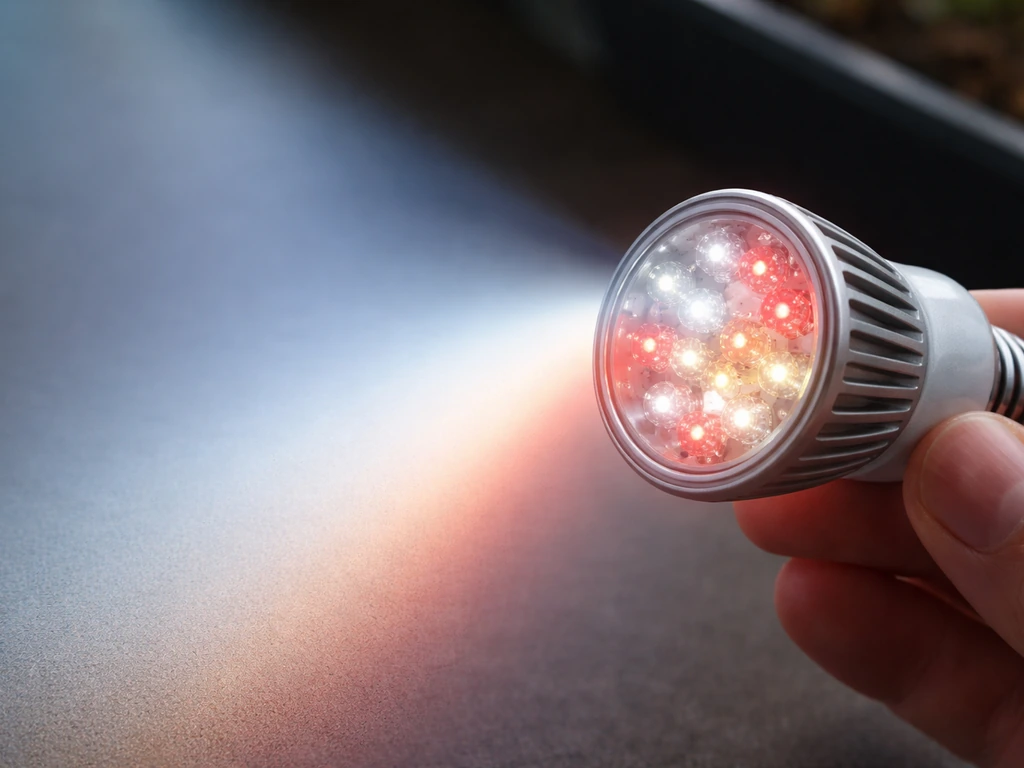
Most globe grow bulbs marketed for plant use run a broad-spectrum white LED (typically 4000K to 6500K) sometimes blended with red diodes to bump the red-to-far-red ratio. The HR-GL0301AA-41 listing on Home Depot does not publish a detailed spectrum graph, which means you're trusting the marketing copy more than you'd want to. Full-spectrum claims on bulbs in this price tier (usually under $20) typically mean a decent approximation of sunlight across the PAR range, but rarely the targeted red/blue peaks you'd get from a purpose-built LED fixture.
As for modes: there are none. The Kijiji listing explicitly confirms the globe grow light is non-dimmable, and that's the norm across this category. No veg mode, no bloom mode, no scheduling input. You get one spectrum at one intensity, on or off. That's a genuine limitation compared to even mid-range fixtures from brands that offer full-spectrum dimming and programmable modes. If mode switching matters to you, this isn't the right product class.
Build quality on globe grow bulbs is generally what you'd expect from a retail-channel product under $20: plastic housing, standard E26 base, passively cooled (no fan). The driver is integrated into the bulb base. Longevity claims vary wildly by brand, but budget globe bulbs typically carry a 25,000-hour rated lifespan, which sounds impressive until you factor in the modest light output that makes them useful for a limited range of applications anyway.
Power draw, efficiency, and real-world heat
The wattage confusion around globe grow lights is worth dwelling on. When a seller says "60 watt" and means "60W incandescent equivalent drawing 9 actual watts," the power efficiency story looks good on paper: 9 watts is cheap to run, about $0.013 per hour at $0.14/kWh. Run it 16 hours a day and you're spending roughly $0.21 per day. But efficiency is only meaningful relative to output, and 9 watts of grow-optimized LED output is not a lot. You're not saving money compared to a panel; you're just growing less.
Heat is a minor concern but not zero. A 9-watt bulb running in an enclosed socket or tight fixture can get warm. Passive cooling is adequate for the wattage, but avoid recessed housings or fully enclosed lampshades where heat accumulates. Globe bulbs have no thermal management beyond their housing material. For open clamp-light setups, this is a non-issue.
Noise: none. No fans, no driver buzz (in well-built units). If you're in a quiet room, a quality globe grow bulb is completely silent, which is a genuine plus over fan-cooled panels for living spaces.
What to expect at each growth stage
Seedlings
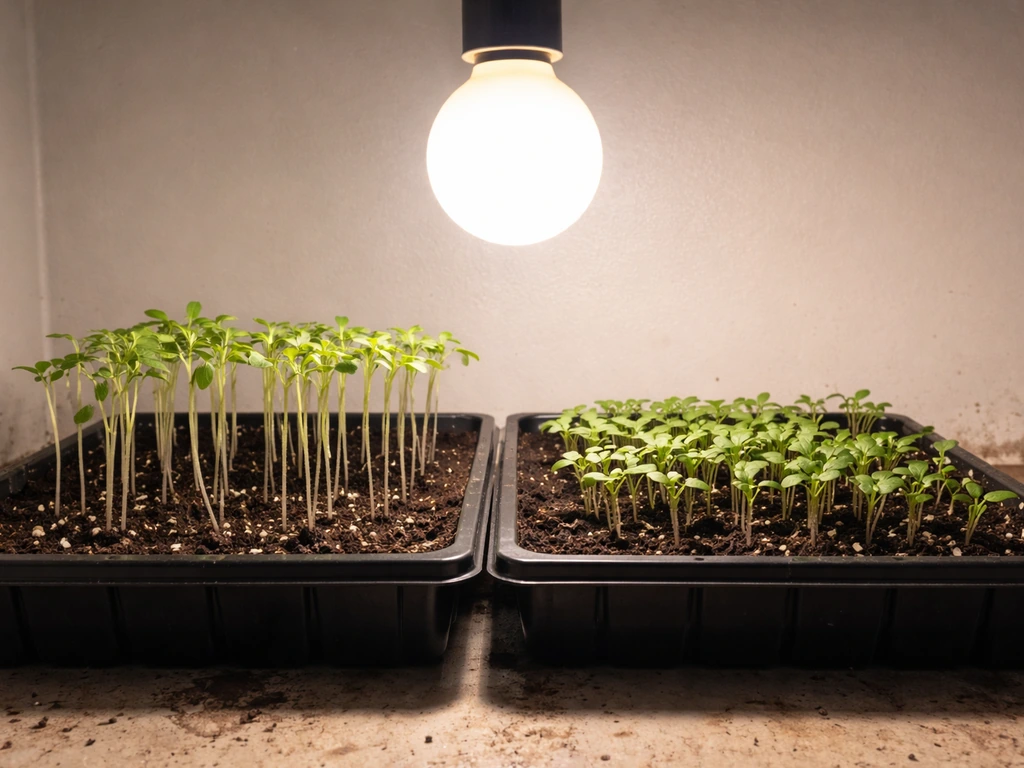
This is where globe grow bulbs actually perform reasonably well. Seedlings need relatively low PPFD (100 to 200 µmol/m² is sufficient for most species), and a globe bulb at 6 to 8 inches above a small tray can hit that range at the center. Keep the light on for 16 to 18 hours and most seedlings will germinate and establish without issues, provided you manage the light-to-seedling distance. Stretching (etiolation) is the main risk if the bulb is too far away.
Vegetative stage
Veg plants need 200 to 400 µmol/m² for steady, compact growth. A single 9-watt globe bulb can hit the lower end of that range at very close distances (4 to 6 inches), but coverage drops off fast. For a single small plant kept deliberately compact, like a basil or mint pot, you can make veg work. For anything larger or multi-plant, a single globe bulb produces uneven canopy growth because the center gets light and the edges don't.
Flowering and fruiting
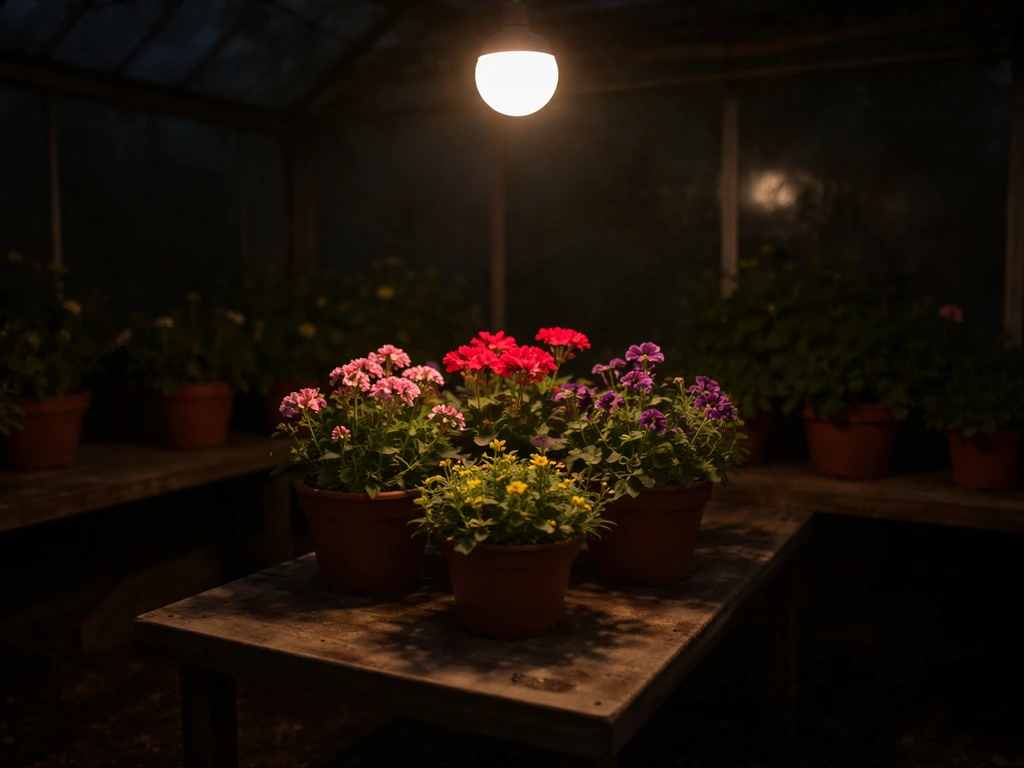
Honest answer: globe grow bulbs are not appropriate as a primary light for flowering or fruiting crops. Fruiting plants need 400 to 600+ µmol/m² consistently across the canopy, and a single globe bulb simply doesn't produce that output or coverage. You might get some marginal flowering on very compact, low-demand plants like certain herbs, but if you're growing tomatoes, peppers, or anything that needs strong bloom-stage light, you need a real fixture.
Hanging height, spacing, and which spaces this actually fits
Because globe bulbs are omnidirectional, height matters more than with directional panels. The practical sweet spot is 6 to 10 inches above the plant canopy for seedlings and small veg plants. Below 6 inches risks heat stress on tender seedlings (especially in warmer ambient conditions); beyond 12 inches and useful PPFD drops below the threshold for active growth on most crops.
For spacing multiple bulbs, place them 8 to 10 inches apart center-to-center to get any meaningful overlap at canopy level. A three-bulb setup in a small clamp-light strip can cover a standard 10x20 seedling tray passably for germination and early seedling stages. Beyond that, you're fighting the physics of a low-output omnidirectional source.
Space matching: globe grow bulbs work in open shelf growing, windowsill supplement setups, terrariums with tall access, and small propagation stations. They are not suited for grow tents (where you want downward-directed, high-intensity light), grow rooms, or any cultivation goal beyond small-scale supplemental or hobby growing.
Globe grow lights vs. the competition
To put the globe bulb's performance in context, here's how it stacks up against other common options in the small-grow and hobby-garden market:
| Light Type | True Wattage | Typical PPFD (12" height) | Coverage | Modes | Price Range | Best Use |
|---|---|---|---|---|---|---|
| Globe grow bulb (e.g., HR-GL0301AA-41) | 9W | ~100-200 µmol/m² (center) | 6-8" diameter | None, non-dimmable | $8-20 | Seedlings, single herb pots |
| Small LED panel (e.g., 20-30W quantum board) | 20-30W | 300-500 µmol/m² | 12"x12" to 18"x18" | Often dimmable | $30-70 | Seedlings through veg |
| Full-spectrum screw-base grow bulb (A19, directional) | 10-15W | 150-300 µmol/m² (center) | 8-10" diameter | None typically | $12-25 | Houseplants, herbs |
| Purpose-built herb garden grow light (e.g., countertop unit) | 15-20W | 200-350 µmol/m² | Matched to unit footprint | Timer, sometimes dim | $40-100 | Kitchen herbs, small veg |
The globe bulb's main advantage is convenience and price. If you already have a clamp light or lamp socket, the incremental cost is under $20. No mounting hardware, no hanging cables, no separate timer needed if you use a plug-in outlet timer. For someone who just wants to keep a basil plant alive through winter or start a dozen seedlings before spring transplant, that's a reasonable value proposition.
Where it falls short is anything that requires consistent, measurable light output across a defined footprint. For blank" rel="noopener noreferrer">daily light integral (DLI), if PPFD is constant it can be estimated by multiplying PPFD by the number of seconds in a day and dividing by 10^6 to convert from µmol to mol. If you've been reading about grow light setups and comparing specs, products like those covered in a luminar everyday grow light review show what purpose-built, footprint-matched fixtures deliver at a similar price point, and the performance gap is real.
If you're shopping in the decorative or countertop herb-garden category, it's also worth checking out sharper image grow light garden reviews for a sense of what an integrated, all-in-one herb growing system looks like versus buying bulbs separately.
Who should buy a globe grow light (and who should skip it)
Buy it if: you want cheap, discreet supplemental light for a single houseplant or a small seedling tray, you already have lamp sockets available, and you're not trying to flower or fruit anything that needs serious light intensity. Globe grow bulbs are also genuinely good as supplemental light alongside a south-facing window during low-light winter months.
Skip it if: you're growing in a tent or a dedicated grow space, you're trying to take plants through a full veg and flower cycle indoors, or you need measurable, consistent PPFD across a defined area. In those cases, a small LED panel or a fixture with published PPFD specs and at least basic dimming is a better starting point. Articles like the master garden grow light review cover options in the structured fixture category that are much better matched to serious indoor growing.
Also worth flagging: if you're specifically researching grow lights for larger plant collections or a more involved setup, reading the mother grow light review gives you a realistic sense of what high-output, purpose-built fixtures offer, which makes it easier to calibrate whether a globe bulb is ever the right tool for your situation or just the cheapest entry point.
The wattage confusion problem: don't get misled
Before you buy any globe grow bulb, verify the actual wattage draw, not the incandescent-equivalent number. A bulb listed as "60W" that draws 9 watts is not a 60-watt grow light. It's a 9-watt grow light with a marketing headline. The difference matters enormously for setting realistic expectations. If the product listing doesn't clearly state true wattage (sometimes listed as "actual watts" or "power consumption"), check the UL label photo or contact the retailer. Paying for a product based on an inflated equivalence claim and then being disappointed by the output is the most common complaint in this product category, and it's entirely avoidable.
The bottom line: globe grow lights are a legitimate but narrowly useful product. The HR-GL0301AA-41 and its generic counterparts do what they're meant to do for low-demand applications, and for under $20 in a socket you already own, the ask is reasonable. Just be honest with yourself about what you're growing and how much light it actually needs before you commit.
FAQ
Can I use a globe grow light for my grow tent instead of a real grow fixture?
Usually no. The bulbs are omnidirectional and relatively low-output, so a tent will not get consistent canopy intensity. If you still want to try, use them only as supplemental side lighting near the plants, and expect weaker results for the top half of the canopy compared with fixtures that aim downward.
How do I confirm the real wattage and avoid the “60W” marketing problem?
Look for “power consumption,” “input power,” or “actual watts” in the specs. If the listing only mentions “60W equivalent,” confirm the true draw from the retailer’s product details or the bulb label photo (often on the base). If you cannot find the draw, assume the output is closer to a low-watt LED bulb than a high-watt grow light.
What hanging height should I use for seedlings versus small veg plants?
For seedlings, start around 6 to 8 inches above the tray, then raise if you see stretching. For small veg, start closer to 4 to 6 inches for the lower edge of the needed intensity, but watch for heat and leaf stress, especially in warmer rooms or enclosed fixtures.
Why are my plants growing tall or looking pale with a globe grow bulb?
Most often it is distance or insufficient total coverage. If the bulb is too far, PPFD drops quickly, leading to etiolation. Also consider that one bulb may be lighting only the center of the plant, so the canopy edges stay underlit.
Is a globe bulb enough to germinate a full seed tray?
It can work for germination over a small section, but for a full tray you will usually need multiple bulbs because coverage is limited to a small circle. If you want even emergence, plan on spacing bulbs and moving them as seedlings fill out the tray, or rotate trays for uniformity.
Are globe grow bulbs dimmable, and can I adjust intensity for different growth stages?
Most are not dimmable, and changing brightness typically requires a different category of fixture or a compatible dimmer rated for the specific bulb type. Before buying, check for explicit dimming support in the listing, not just whether the socket is on a dimmer switch.
Can I use one globe bulb per plant, or do I need multiple?
For a single small herb pot or one compact plant, one bulb can be enough if you keep it close and manage the canopy size. For multiple plants or a wider plant, multiple bulbs or a directional fixture will give more even light, otherwise you will likely get a bright center and dim edges.
How hot do globe grow bulbs get, and is it safe for enclosed lamps?
At 9 watts of true draw they are usually not dangerous, but they can get warm in tight or enclosed housings. Avoid fully sealed lampshades or recessed fixtures that trap heat, and leave extra airflow. If the socket housing feels noticeably hot, increase ventilation or switch to a fixture with better thermal design.
What color temperature or spectrum should I choose if there are options (4000K, 5000K, 6500K)?
For seedlings and general growth, 4000K to 6500K is typically fine, and many “grow” globe bulbs blend in red to broaden the PAR range. If you see a spectrum claim but no spectrum details, treat it as marketing and focus on draw wattage and spacing, since those dominate real results at this budget level.
Do I need a timer for globe grow bulbs?
It depends on your routine, but using a plug-in outlet timer is one of the simplest ways to avoid accidental long photoperiods. Seedlings commonly do well with longer day lengths, while most veg plants still need a defined schedule. If you are experimenting, start with a consistent daily schedule rather than changing hours every day.
How can I tell whether the bulb is underpowered without PPFD measurements?
Use observable targets: compact growth and minimal stretching at the recommended distance, plus steady leaf color. If your plants require frequent distance adjustments to look healthy, or if growth stalls even when the bulb is close, it is likely too low-output or too narrow in effective coverage for your crop.
What is the most common buying mistake for “globe grow light review” shoppers?
Ordering based on incandescent-equivalent wattage instead of actual power draw. The second most common mistake is expecting tent-level performance from a single omnidirectional bulb. Verify watts, then size your setup by the area you need, not by the bulb’s marketing number.