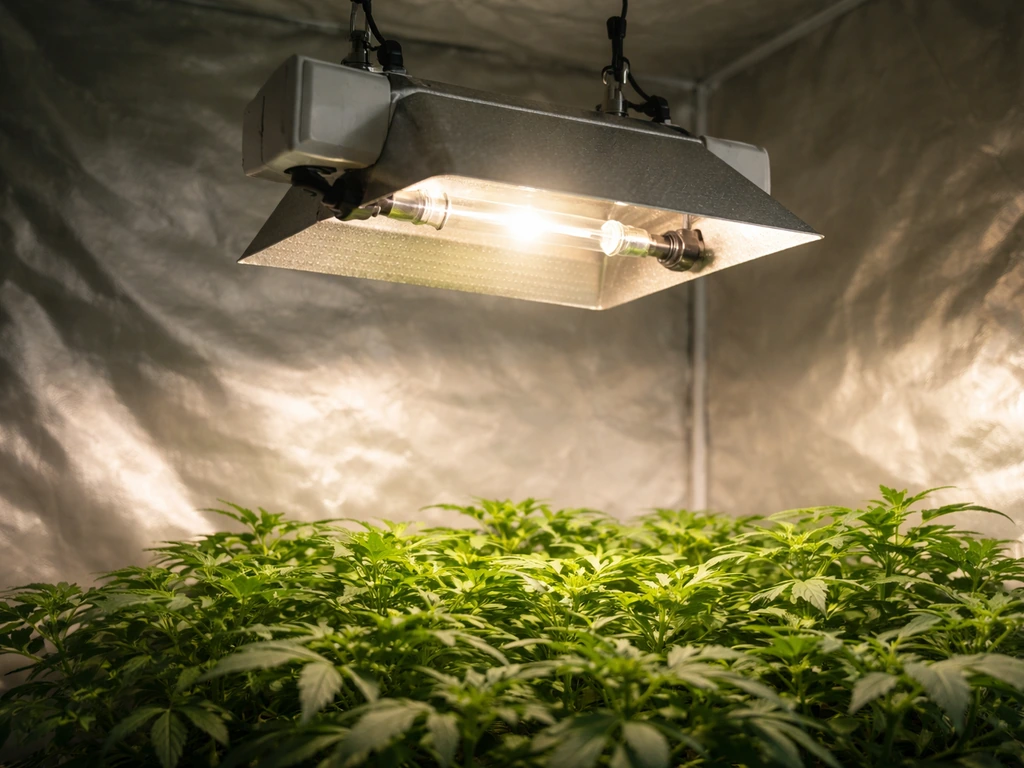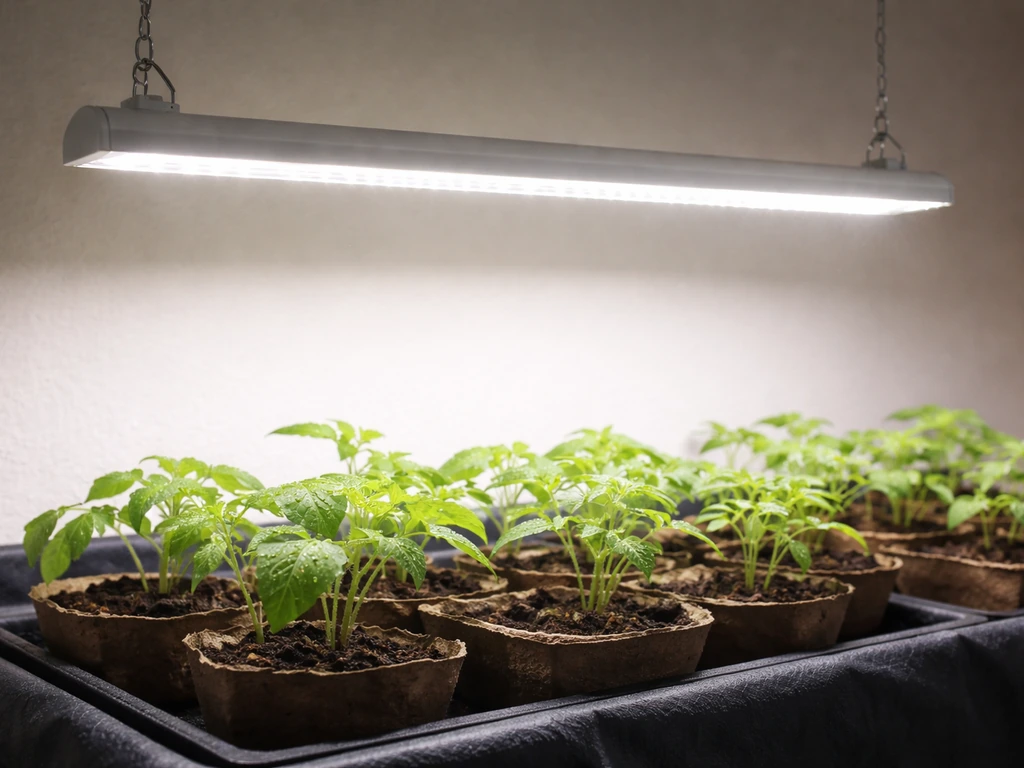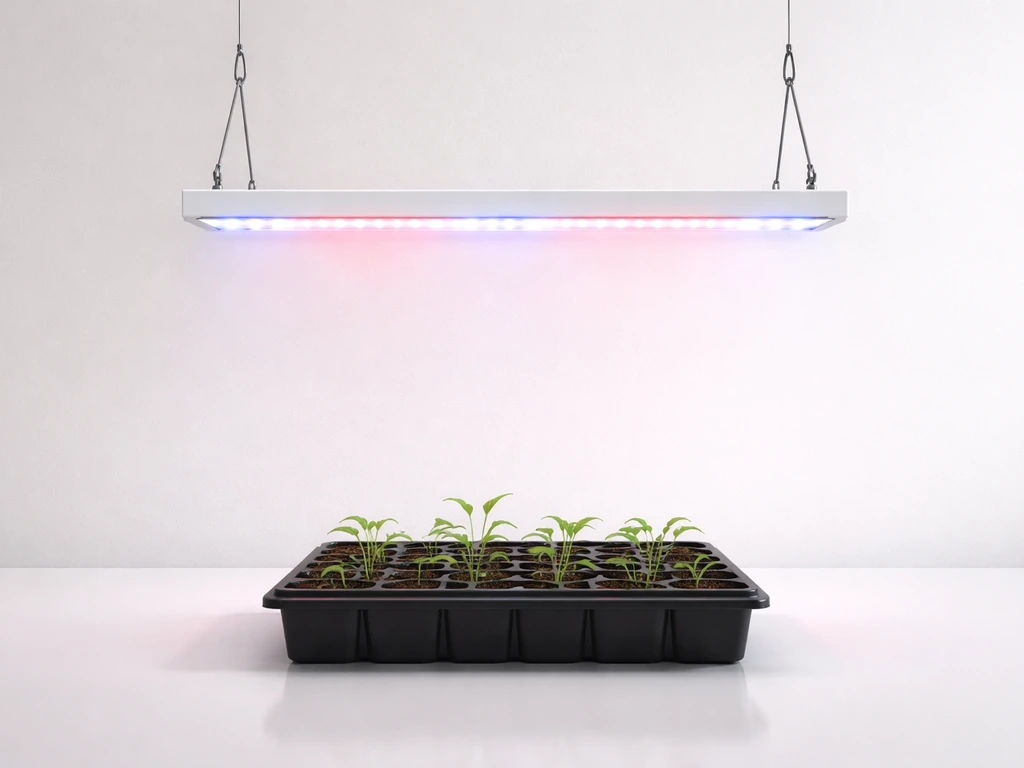
The Mars Hydro Mars II series (sold in 400W, 900W, and 1600W configurations) delivers decent broad-spectrum light for small-to-medium indoor gardens, but it belongs to an older generation of LED panel design that has largely been overtaken by newer quantum board and bar-style fixtures. LED Grow Lights Depot likewise notes that it was not able to reliably find an official Mars Hydro “Mars 2” “Mars II” model or specification page that clearly disambiguates versions and provides authoritative specs.
Mars 2 LED Grow Light Review: Specs, PPFD, and Best Use

Marcus Caldwell
13 May 2026
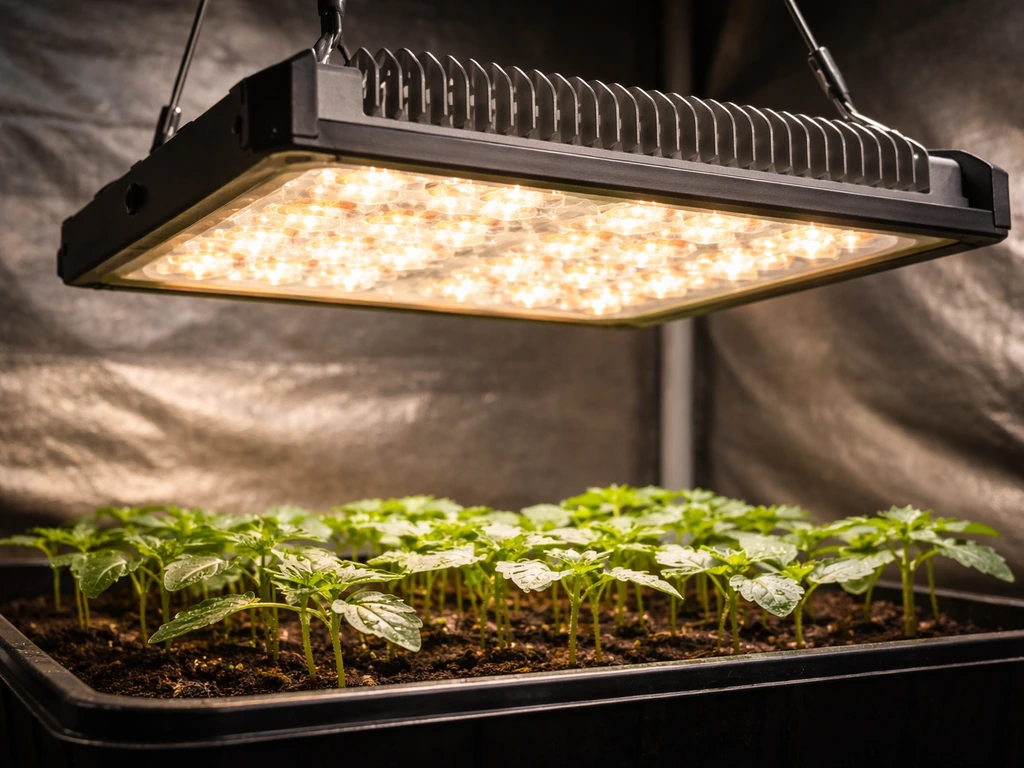
If you're running a 2x2 to 3x3 tent on a tight budget and can find a used or clearance-priced Mars II 400, it can still grow healthy plants through veg and modest flowering. But at today's retail prices, newer alternatives almost always give you more usable PPFD per dollar, better uniformity, and lower heat output. The Mars II earns its place in the right situation, but it's not a default recommendation in 2026.
Quick verdict and who it's for
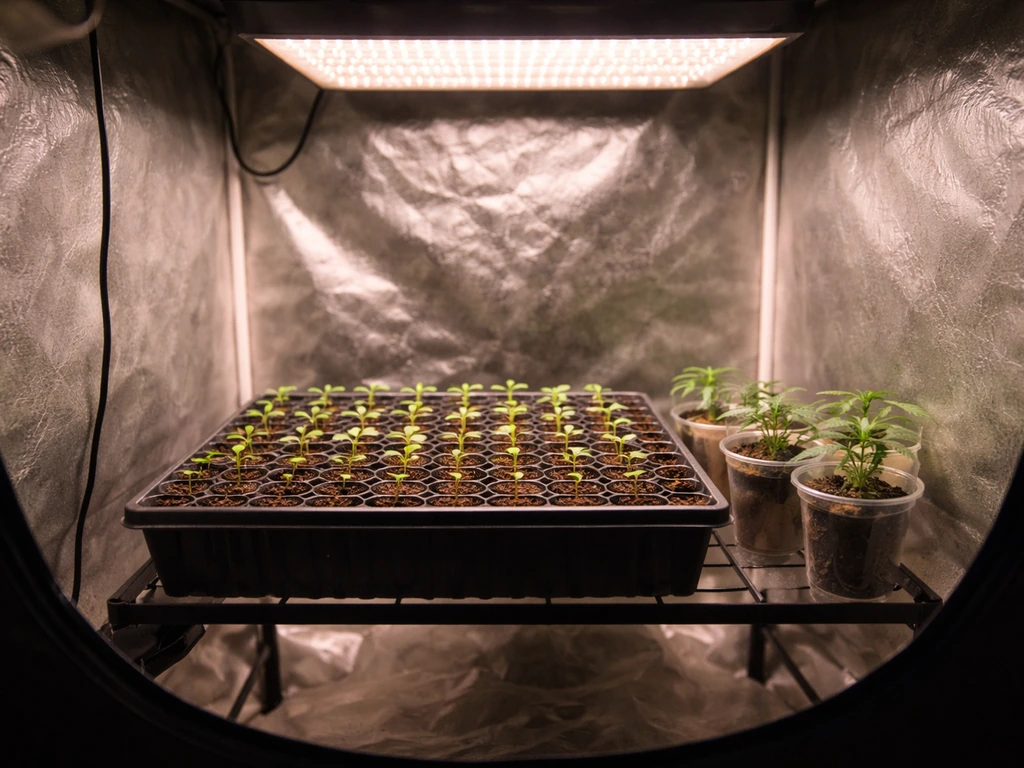
The Mars II is best suited for hobbyist growers who want a plug-and-play LED panel for seedlings and vegetative growth in small spaces, or who are picking up a used unit at a steep discount. It works reasonably well as a supplemental light in a larger setup or as a dedicated seedling/clone light. It is not the right choice if you're trying to push dense, resin-heavy flowers in a 3x3 or larger tent, or if electricity cost is a serious concern, the older diode technology runs less efficiently than modern quantum boards and generates more heat per useful photon.
- Good fit: small tent veg cycles, seedling trays, clone propagation, low-light houseplants, budget-conscious first-time growers buying used
- Not ideal: full-cycle flowering in anything bigger than a 2x2, growers prioritizing high PPFD efficiency, anyone comparing on a per-watt cost basis at current new prices
- Worth noting: the Mars II 400, 900, and 1600 share the same basic design philosophy but cover very different footprints — make sure you're comparing the right model for your space before committing
Specifications, build quality, and included features
Mars Hydro produced the Mars II in three main configurations. Third-party sources indicate the “Mars II 400/900/1600” exist as a product series, but at least one commonly cited site or wiki may not be an official manufacturer page and could be incomplete or variant-dependent Mars Hydro produced the Mars II in three main configurations.. The numbers in the name (400, 900, 1600) reflect nominal wattage marketing labels, not actual draw from the wall. Real-world wall draw is consistently lower, which is a common point of confusion when shopping this series.
| Spec | Mars II 400 | Mars II 900 | Mars II 1600 |
|---|---|---|---|
| Nominal label wattage | 400W | 900W | 1600W |
| Actual wall draw (approx.) | ~185W | ~400W | ~720W |
| LED count | ~200 diodes | ~450 diodes | ~800 diodes |
| Primary spectrum | Red/Blue + white | Red/Blue + white | Red/Blue + white |
| Cooling | Dual fans | Dual fans | Multiple fans |
| Dimming/Timer built-in | No | No | No |
| Footprint (veg, approx.) | 2x2 ft | 3x3 ft | 4x4 ft |
| Footprint (flower, approx.) | 1.5x1.5 ft | 2.5x2.5 ft | 3.5x3.5 ft |
Build quality is functional but basic. The chassis is a stamped aluminum housing with a reflective interior, and the diodes are mounted directly to the board without secondary optics or lenses. Cooling is handled by two small brushless fans on most models. The included hardware is minimal: a power cord, a hanging kit (daisy-chain style), and basic instructions. There is no built-in dimmer, no integrated timer, and no Bluetooth or app control. The IR and UV diode inclusion varies by production run, which is worth verifying on the specific unit you're buying, earlier batches had less UV/IR supplementation than later ones. Mars Hydro's warranty on the Mars II is typically 2 to 3 years depending on region and purchase date.
Light spectrum and coverage footprint
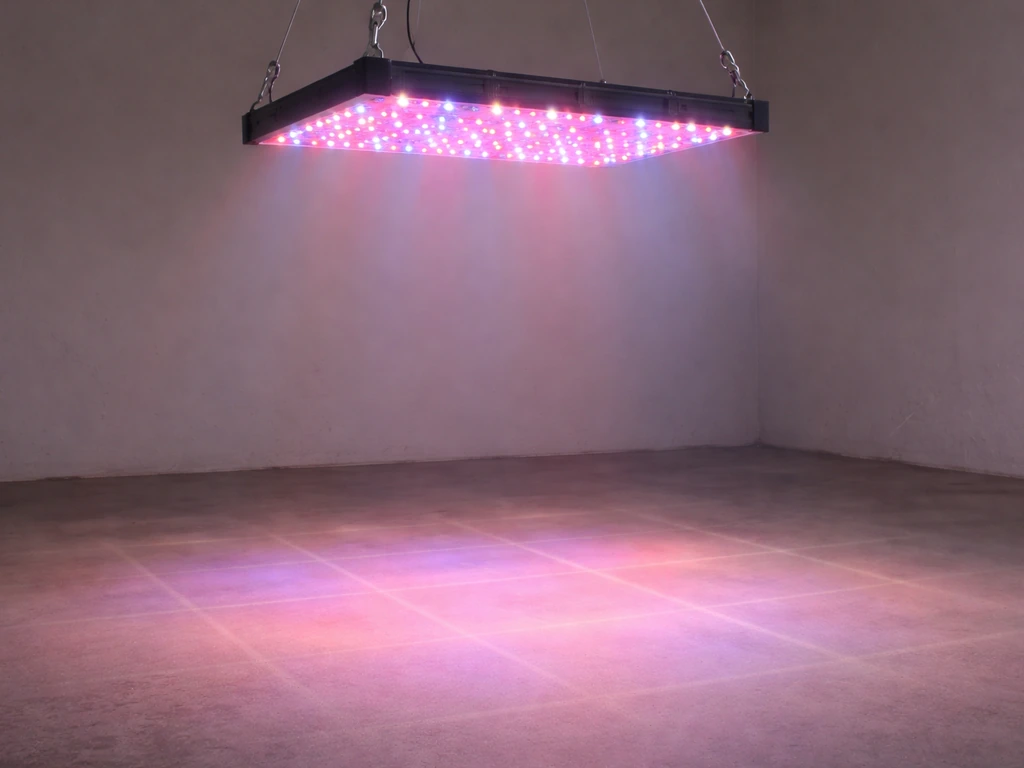
The Mars II uses a blended red/blue LED panel supplemented by white diodes and, in later production runs, some IR and UV emitters. The dominant peaks are around 630nm and 660nm (red) and 430nm to 460nm (blue), which covers photosynthesis efficiently but leans heavily toward the red-blue "blurple" appearance that gives older LED panels their characteristic purple glow. This spectrum works, but it's not the full-spectrum white light that newer quantum board fixtures produce, and some growers find it harder to spot pest damage or nutrient deficiencies under that color cast.
Coverage footprints are generous on paper and tighter in practice. Mars Hydro's stated veg footprint for the 400 model is around 2x2 feet, which is accurate if you're comfortable with PPFD levels in the 300 to 400 µmol/m²/s range across that area. Pull it in to a 1.5x1.5 for flowering and you get closer to the 600 to 800 µmol/m²/s range that most flowering plants need. Mounting height matters significantly: the Mars II 400 is typically hung 18 to 24 inches above the canopy for veg and 12 to 18 inches for flowering, and deviating from those ranges noticeably affects both intensity and uniformity.
Performance metrics: brightness, PPFD, and uniformity
Using a PAR meter across the Mars II 400's coverage area at 18 inches above the canopy, center readings typically land in the 450 to 550 µmol/m²/s range, with corner readings dropping to 150 to 250 µmol/m²/s. That's a significant uniformity gap, the center of your canopy is getting roughly twice the light the edges receive. For a single small plant or a tightly packed seedling tray centered under the light, this is fine. For a full 2x2 canopy of flowering plants, the edge plants will underperform noticeably compared to what's in the middle.
The 900 and 1600 models scale proportionally in total output, but the same center-heavy distribution pattern applies. This is a fundamental limitation of the flat-panel design with no secondary optics, light falls off aggressively toward the edges. Modern bar and quantum board fixtures spread light far more evenly across the same footprint, which is one of the main reasons the Mars II feels dated by today's standards even though raw lumen output is reasonable.
Efficacy, measured in µmol/J (micromoles of PAR per joule of energy consumed), comes in around 1.0 to 1.3 µmol/J for the Mars II series depending on model and production batch. Current top-performing fixtures from major brands hit 2.5 to 3.0 µmol/J. That gap means the Mars II produces roughly half the usable plant light per watt of electricity compared to modern high-efficiency panels, which has real cost implications over a full growing season.
Plant results by growth stage
Seedlings and clones
This is genuinely where the Mars II performs well. At 24 to 30 inches above a seedling tray, PPFD drops to a gentle 100 to 200 µmol/m²/s, which is exactly what new germinants and fresh clones need. Seedlings under the Mars II come up compact and green without the stretching you'd see under insufficient light. Because the panel spreads light softly at that distance, uniformity issues matter less at the seedling stage. It's a reliable propagation light, and the low heat output at that hanging height keeps the environment stable.
Vegetative growth
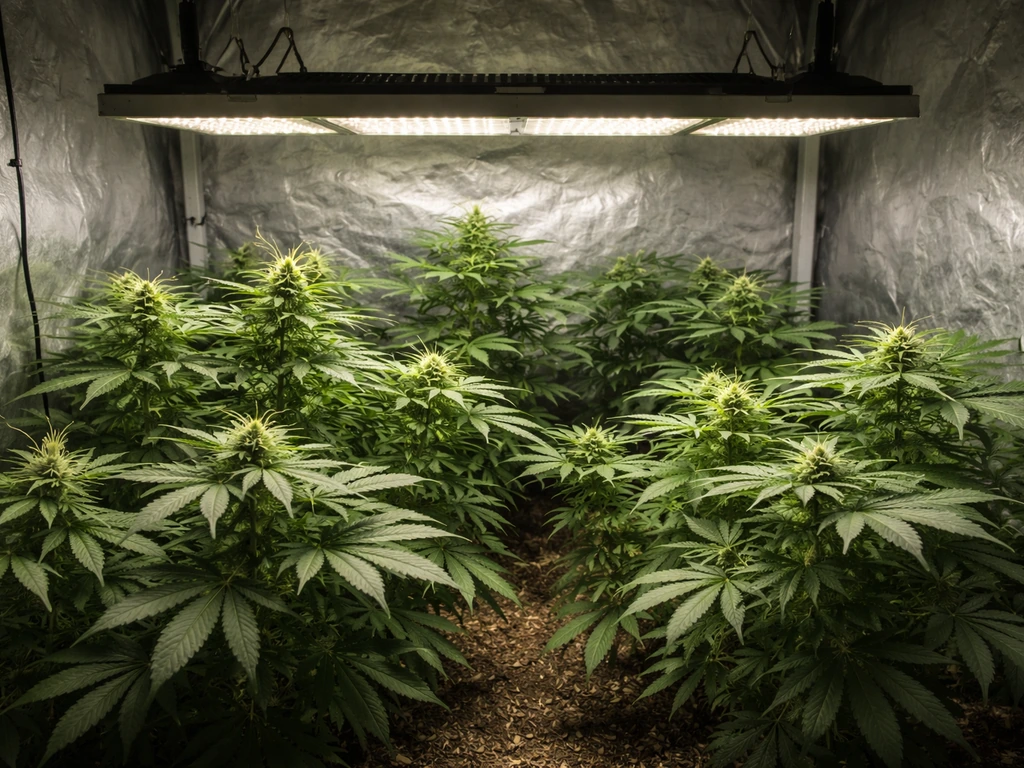
Veg performance is solid for plants in the center of the coverage area. Targeting 400 to 600 µmol/m²/s for most leafy plants and cannabis in veg, the Mars II 400 achieves this at the 18-inch height range for a footprint of roughly 1.5x1.5 to 2x2 feet. Node spacing is reasonable, leaf color is healthy, and growth rates are acceptable. Where it struggles is with larger canopy spreads, a 2x2 tent packed with multiple plants will show uneven development, with edge plants being noticeably more stretched and lighter green than center plants.
Flowering
Flowering is where the Mars II's limitations become most apparent. Getting consistent 600 to 900 µmol/m²/s across a full canopy during flower requires dropping the light to 12 to 14 inches on the 400 model, which can cause heat stress issues on taller plants and increases the uniformity problem at the edges. Yields are possible, growers running the Mars II 400 in a 2x2 with well-trained plants report reasonable harvests, but density and resin development will be less impressive compared to what a modern equivalent-wattage quantum board achieves in the same space. If flowering performance matters most, treat the Mars II as a veg-only or supplemental flowering light rather than your primary flowering driver.
Heat, noise, and what it costs to run
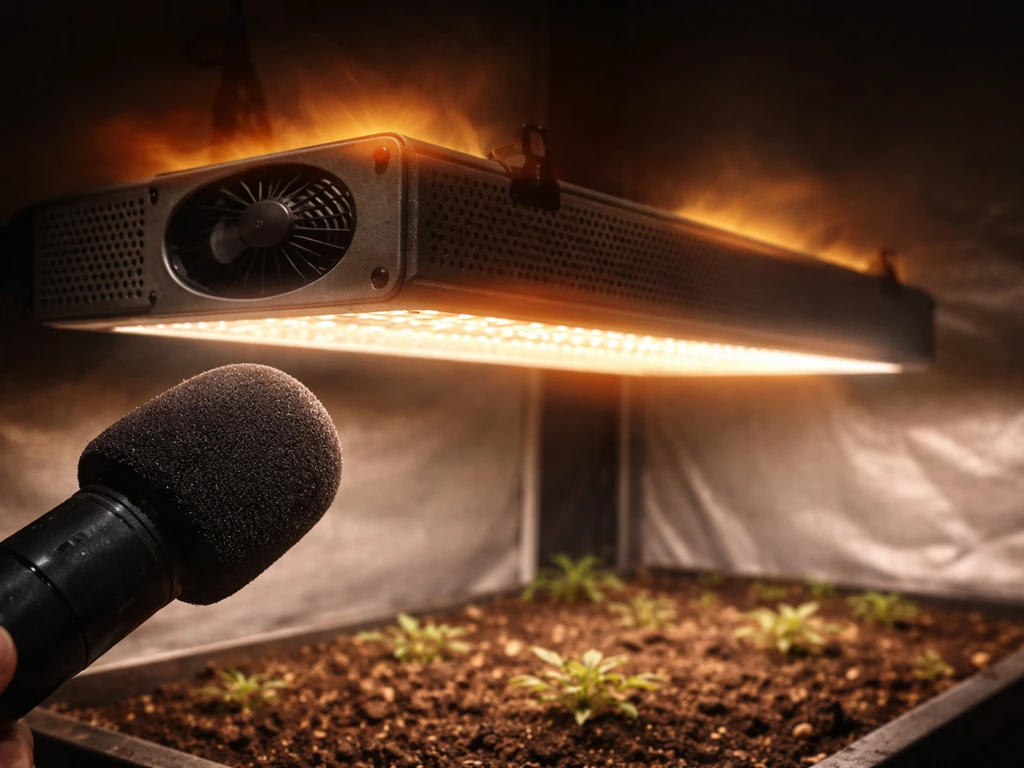
The Mars II runs warmer than modern LED panels. At the Mars II 400's actual 185W wall draw, the fans spin up noticeably and the fixture itself gets warm to the touch. In a small tent with limited airflow, ambient temperatures can rise 5 to 8°F above room temperature from the light alone, which means you need active tent ventilation even in cooler rooms. The fans are audible, not loud, but a steady hum that's noticeable in a quiet space. They're not variable-speed on most units, so there's no quiet mode.
Running cost is straightforward to estimate. The Mars II 400 draws about 185W continuously. At the U.S. average electricity rate of around $0.17 per kWh in 2026, running the light 18 hours per day during veg costs roughly $0.57 per day, or about $17 per month. Running 12 hours during flower drops that to about $0.38 per day, or $11.40 per month. Those numbers are manageable, but because the efficacy is low (around 1.0 to 1.3 µmol/J), you're paying more per photon than you would with a modern fixture that delivers the same PPFD at lower wattage.
Setup, mounting, and real-world tips
Setup is genuinely plug-and-play. The Mars II ships with a ratchet hanger set, and the light itself weighs around 5 to 7 lbs depending on model, so standard tent hanging bars handle it without issue. There's a single power cable and a power switch on the unit, that's the full control interface. Because there's no built-in dimmer or timer, you'll want a basic outlet timer (a $10 mechanical timer works fine) and, ideally, a separate dimmable power strip if you want any intensity control at the seedling stage.
- Seedlings and clones: hang 28 to 32 inches above the tray, target 100 to 200 µmol/m²/s, 18 hours of light per day
- Vegetative growth: hang 18 to 24 inches above canopy, target 400 to 600 µmol/m²/s, 18 hours per day
- Flowering: hang 12 to 18 inches above canopy, target 600 to 900 µmol/m²/s, 12 hours per day
- Use a PAR meter at least once to verify actual PPFD at your canopy — don't rely solely on manufacturer footprint claims
- Run a small oscillating fan inside the tent to move warm air off the canopy and improve CO2 distribution
- If you notice edge plants stretching while center plants look normal, consider training (LST or scrog) to reduce canopy variation
- Do not run the Mars II in an unventilated space — exhaust fan plus passive intake is minimum setup
One practical tip worth emphasizing: because the Mars II lacks dimming, you're working with on/off control only. If seedlings show any signs of light stress (cupping, bleaching, upward leaf curl), raise the light rather than trying to reduce intensity electronically. The ratchet hangers make this easy to adjust on the fly, and checking in every few days during the first two weeks saves a lot of recovery time.
Value versus alternatives, and what to buy instead
Compared to other grow lights in the same price bracket, the Mars II is hard to recommend at full new retail in 2026. If you want a broader look at comparable fixtures, you can compare these findings with other feit electric grow light reviews and real-world PPFD results Mars II.
The quantum board and bar-style LED market has moved fast, and there are fixtures available today in the same price range that outperform the Mars II on every measurable metric: higher efficacy (2. 0+ µmol/J versus 1. 0 to 1. 3), better uniformity, lower heat, dimming built in, and often quieter operation.
The Mars II's main competitive advantage is price on the used market and brand familiarity for first-time buyers who trust the Mars Hydro name.
| Light | Actual Draw | Efficacy (µmol/J) | Dimming | Best For | Value at New Price |
|---|---|---|---|---|---|
| Mars II 400 | ~185W | ~1.0–1.3 | No | Seedlings, small veg | Low (used only) |
| Mars Hydro TS 600 (modern) | ~100W | ~2.1 | Yes | 2x2 veg/flower | Good |
| Mars Hydro FC-E 3000 | ~300W | ~2.6 | Yes | 3x3 full cycle | Very good |
| Competitive quantum board (generic) | ~240W | ~2.2–2.5 | Yes | 3x3 full cycle | Good–Very good |
If you're comparing the Mars II to budget fluorescent or cheaper panel-style options like the Feit Electric or Great Value grow light lines, the Mars II wins on raw output and penetration depth for taller plants. If you're comparing the Feit Electric 2ft LED plant grow light review options, focus on real PPFD and uniformity, since those drive plant results more than marketing wattage.
Great Value 2 foot grow light reviews often focus on whether the cheaper panel-style approach delivers enough PPFD for a full 2x2 canopy Great Value grow light lines. If you are looking for Feit Electric grow light options, compare real-world coverage and brightness claims in our Feit Electric grow light reviews before buying.
But those comparisons highlight how niche the Mars II's sweet spot has become, it's better than basic strip lights but well behind current LED technology at similar prices.
Specific recommendations: if you already own a Mars II and it's working, keep using it, it still grows plants effectively, especially through veg. If you're buying new and your budget is $80 to $150, look at the current Mars Hydro TS or FC-E series instead; they're from the same brand with meaningfully better technology. If your grow space is 3x3 or larger and flowering performance matters, budget up to a bar-style or quantum board panel, the electricity savings over a full year of growing can offset the higher upfront cost fairly quickly at current energy prices. The Mars II 1600 covers a 4x4 footprint on paper, but at that scale and budget, dedicated modern fixtures are a smarter path.
Bottom line: the Mars II was a reasonable light for its era, and it still functions. But 'still functions' isn't the same as 'worth buying new today.' If the price is right (used, under $60 for the 400) and your application is seedlings or veg in a small space, go for it. If you want a deeper look at what to expect from true double-ended designs, see our double ended grow lights review for performance, coverage, and worth-it guidance. Otherwise, put that money toward a current-generation fixture and you'll get better results from day one.
FAQ
How can I adjust the Mars 2 brightness if it has no dimmer?
Because the Mars II has no built-in dimmer or controller, you typically have to manage “intensity” by changing hanging height and schedule. For seedlings, start on the higher end of the recommended distance, then lower gradually over 7 to 14 days, watching for cupping or bleaching. If you need quick correction, raise the light immediately rather than trying to “turn it down” electronically, since there is no dimming capability.
Can the Mars 2 be used as the only flowering light in a 2x2 tent?
Yes, but only if you use it like a supplemental propagation light. The Mars II center-heavy coverage means a full canopy will be uneven unless you tightly center plants or split the canopy into smaller zones. If you have a 2x2 tent, a single plant or a very small number of plants can work well; for multiple flowering plants filling the whole footprint, expect edge plants to receive substantially less PPFD than center.
What PPFD should I target with the Mars 2 for veg versus flower?
Your PPFD targets should change by stage, but also by how much of the canopy you’re actually covering. If you are trying to hit flowering range across the entire 2x2, you may need to lower the light into the range where the edges still won’t match the center. A practical workaround is training plants to keep the canopy mostly centered under the highest readings, or using the Mars II for veg plus a more even modern fixture for flower.
Do the Mars II model numbers (400, 900, 1600) match real power draw?
The most common mistake is assuming the listed wattage (400, 900, 1600) is what you draw. For the Mars II 400, actual wall draw is around 185W, so electricity estimates based on the marketing number will be wrong. Always calculate cost from real wattage, ideally from a watt meter on your exact unit.
Does every Mars 2 unit include UV and IR diodes?
First, verify your exact production run. UV and IR supplementation can vary, so two “Mars II” fixtures can behave differently in late flower and stretch control. If you care about those bands, check the listing or inspect for included emitters on the specific board, then confirm results with plant response, not just the advertised spectrum.
Why do my edge plants look worse than the plants in the center under a Mars 2 panel?
If corner plants look pale, stretch more, or show earlier nutrient stress, that’s consistent with the panel’s uniformity pattern. Don’t assume it’s a fertilizer problem first. Rotate plants weekly, center the most demanding specimens under the middle, and consider using fewer plants per square foot during flower so the whole canopy sits closer to the higher PPFD zone.
How sensitive is the Mars 2 to mounting height changes?
Yes, and the effect can be significant. The Mars II needs different hanging heights for veg versus flowering to avoid both under-lighting (stretch, pale leaves) and stress from excess intensity (bleaching, upward leaf curl). Use your first week as a calibration period, adjust by a few inches at a time, and keep notes so you can reproduce what worked.
Is the Mars 2 noticeably loud compared with newer LED fixtures?
Quiet operation is not its strong point. The small fans are typically audible and not variable-speed on most units, so in a bedroom or quiet room you may notice a steady hum. If noise matters, plan for a different placement, better airflow strategy, or consider a newer fixture with quieter thermal management.
Will the Mars 2 raise my grow tent temperature, and how should I plan ventilation?
If your ambient room temperature is already high, the Mars II can push tent air higher due to its warmer diode and fan-driven cooling design. In practice, you should size ventilation based on both heat from the fixture and heat from plants, then re-check temperatures after the first 24 to 48 hours running the light at your target schedule.
What timing setup is best for the Mars 2 since it has no built-in timer?
For a typical 400W-model-class setup, a mechanical outlet timer and a basic dimmable strip are helpful because the light itself is on/off only. If you want more control later (like easing clones), use a dimmable strip or separate driver upstream, but test carefully, since not every dimmable power setup behaves identically with LED drivers.
How do I verify I’m getting enough PPFD if I don’t have a PAR meter?
Don’t rely on “looks right” as your main proof, especially with the purple cast from red-blue spectra. Use a PAR meter if possible, or at least verify results by comparing plant morphology to expected stage outcomes (compact seedlings, reduced stretch in veg, controlled internodes in early flower). If you can’t measure PPFD, center planting, correct height, and a short ramp period are your best controls.