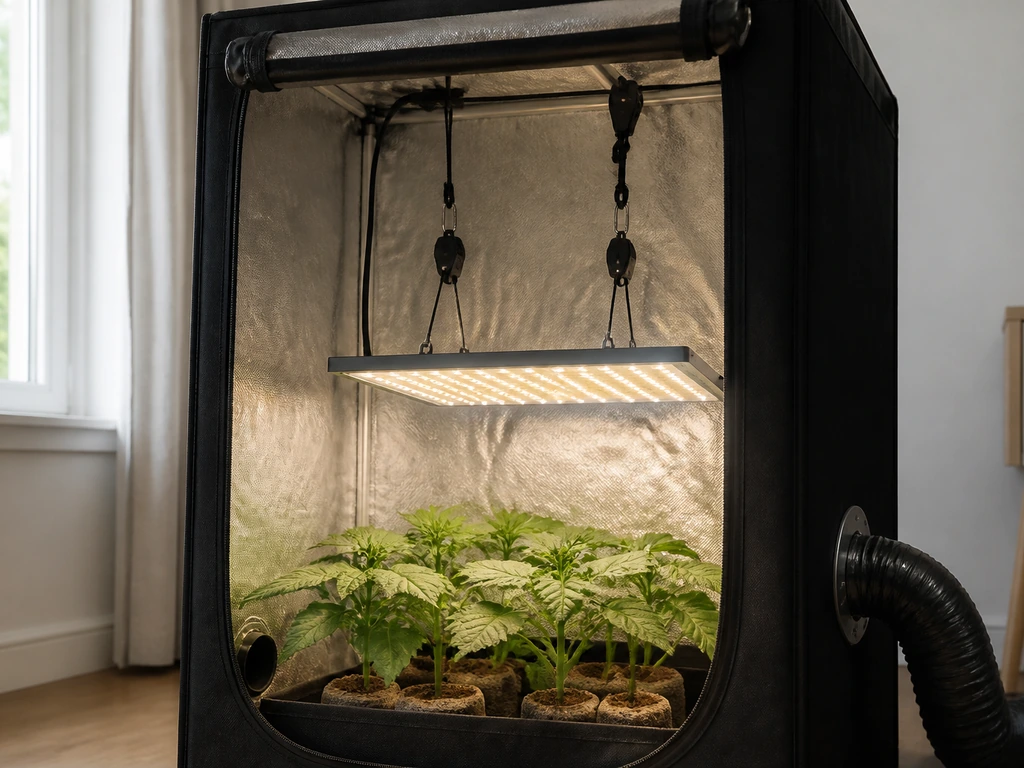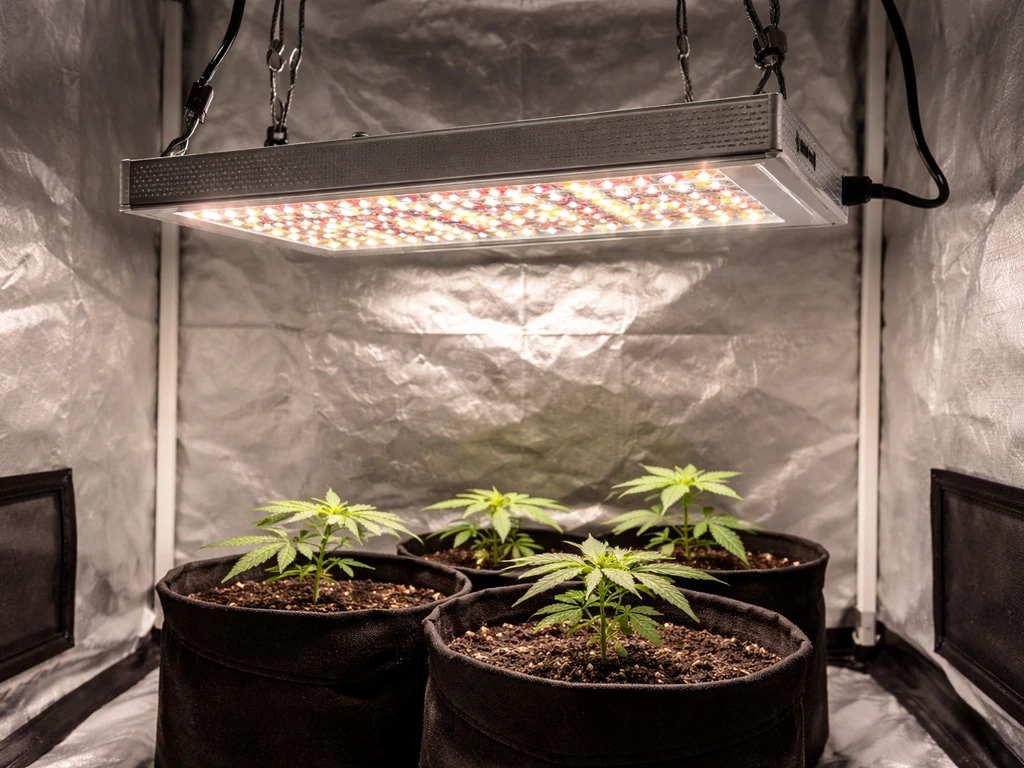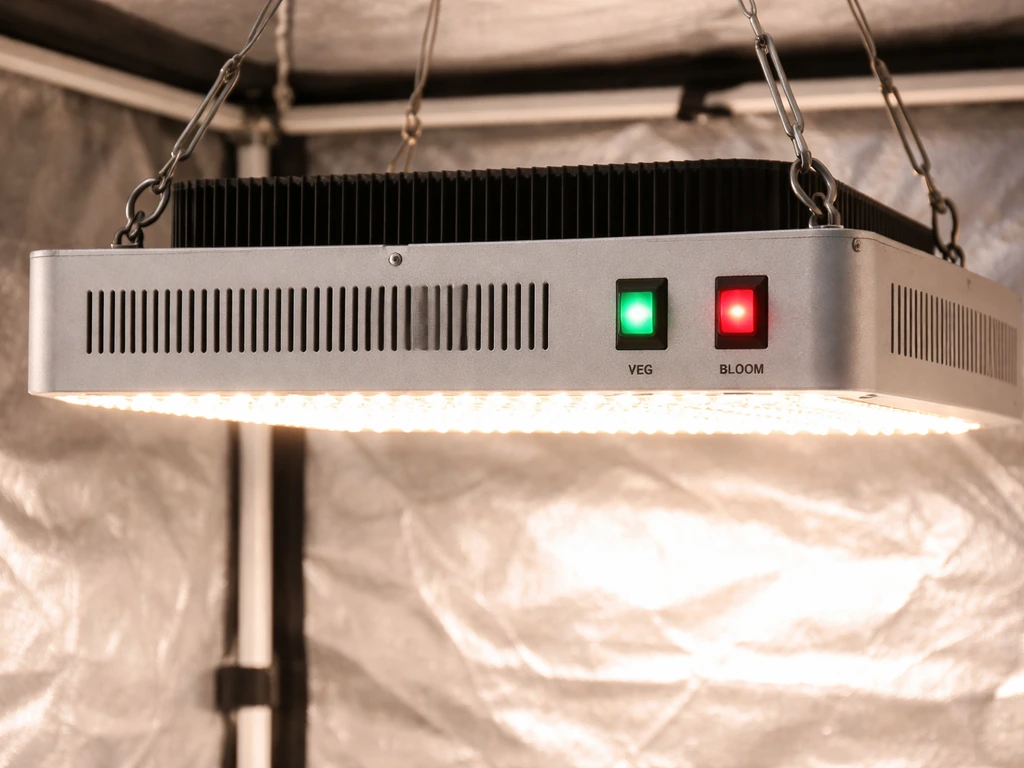
Feit Electric makes a solid, affordable lineup of grow lights that are genuinely worth considering for home growers, but they are not all equal. The 2-foot 60W fixture (GLP24H/V/60W/LED) is the standout for small shelves and seedling trays. The 4-foot 54W options are better for veg stages in a compact tent. The 16W PAR38 bulb (PAR38/GROW/LED/BX) is a situational pick at best. And the brand sometimes marketed as 'Smart Electric' or 'Smart Electrician' is not the same company as Feit, though the two get confused constantly online, so that needs some untangling before you spend money on either.
Feit Electric Grow Light Reviews: LED Models Compared

Marcus Caldwell
2 Apr 2026
Quick verdict: which Feit Electric grow light is actually worth buying
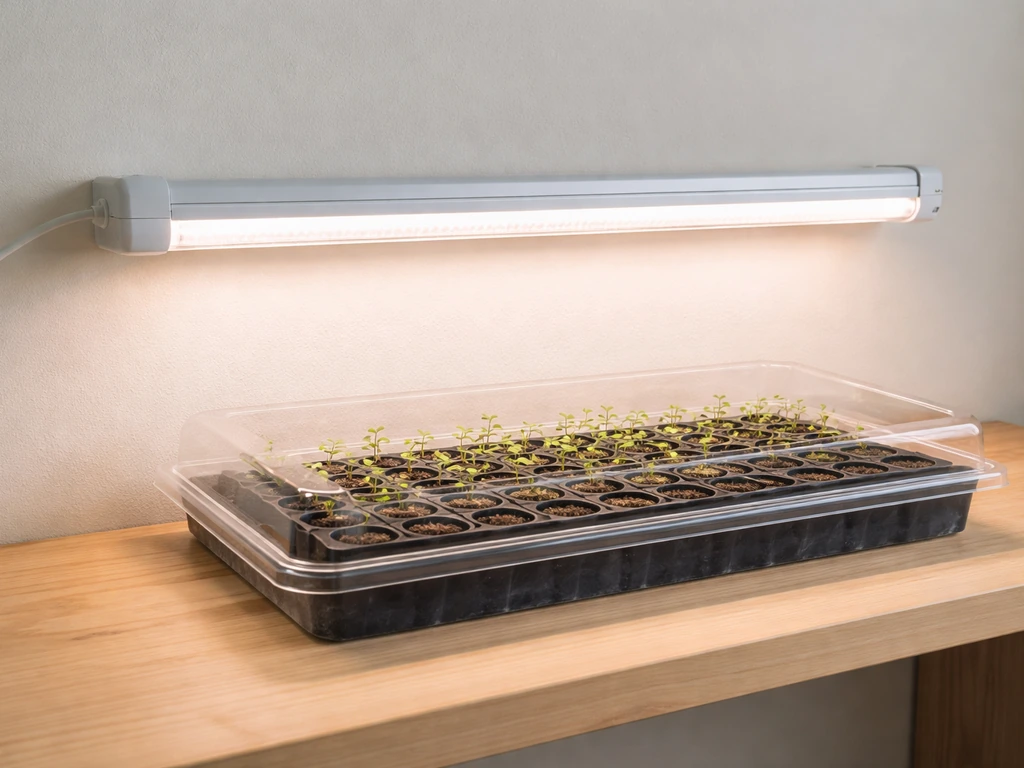
If you have a 2-foot shelf, propagation tray, or small herb garden, the GLP24H/V/60W/LED is the one to get. It runs on 120–277V, measures 23.8 in × 2 in × 4.3 in, and delivers a full-spectrum output that covers a narrow but usable footprint for seedlings and leafy greens. For a longer run, the 4-foot adjustable-spectrum model (GLP48ADJS/VM/54W/LED) adds meaningful flexibility because you can tune the spectrum output rather than being locked into a fixed white-blue blend. The full-spectrum fixed version (GLP48FS/VM/54W/LED) costs less and performs nearly as well for veg, but you give up that tunability. The PAR38 bulb works in a pinch for single-plant supplemental lighting but is not a primary grow light for anyone serious about output per watt. Start with the 2-foot or 4-foot fixture depending on your space, and treat the bulb as an accessory.
Model-by-model breakdown: fixtures vs. bulbs
Feit Electric 2ft. LED Plant Grow Light (GLP24H/V/60W/LED)
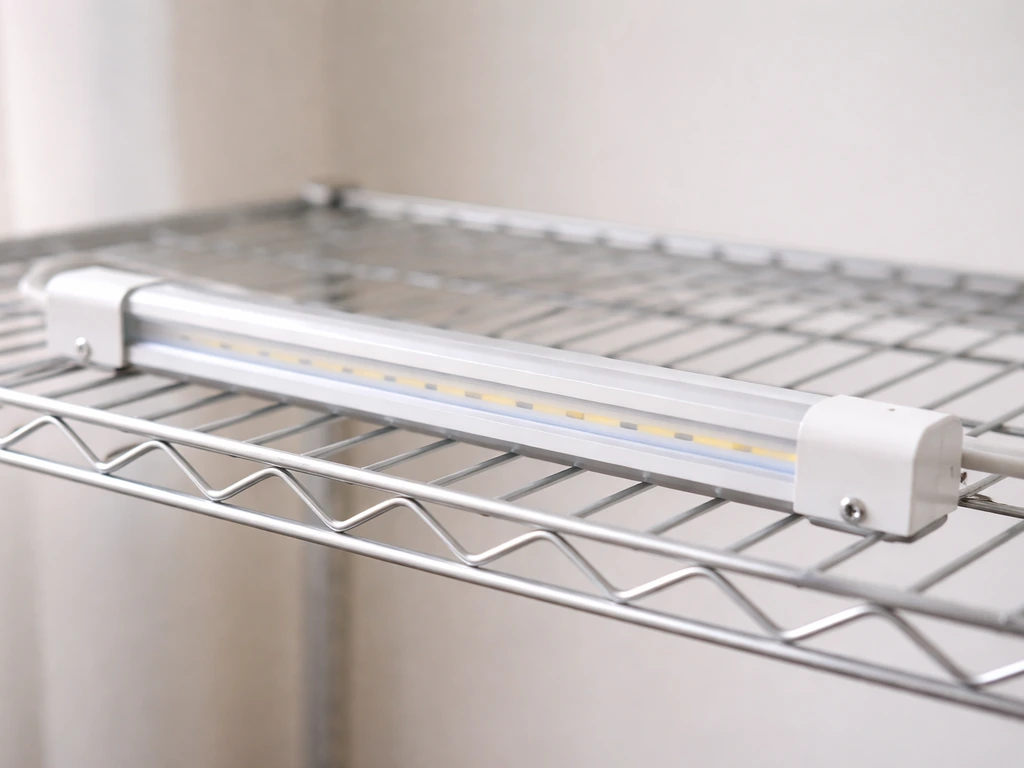
This is the model that shows up most in home-grower setups, and for good reason. The fixture is compact enough to fit a standard wire shelf (23.8 inches long, 2 inches wide, 4.3 inches tall), the wide voltage range of 120–277V means it works in almost any North American wiring setup without an adapter, and the full-spectrum output is genuinely broad rather than the pink-heavy blends you see from budget competitors. The fixture hangs flat, mounts easily with the included hardware, and runs noticeably cool compared to older fluorescent equivalents. If you want a deeper look at how this specific model performs against test benchmarks, the Feit Electric 2ft LED plant grow light review covers the PAR measurements and coverage maps in detail.
Feit Electric 4ft. 18W Full Spectrum G13 Base Tube (T48-GROW-LED)
This is a T8-style tube using a G13 base, designed to drop into an existing 4-foot fixture. At 18W (replacing a 32W fluorescent equivalent), it is the lowest-draw option in the lineup and makes sense if you are retrofitting an existing shop light setup. Output is measurably lower than the dedicated 54W fixtures, so do not treat this as a standalone heavy-hitter. It is best suited for low-demand plants or as supplemental lighting on a shelf that already gets some ambient light. The tradeoff is simplicity and low cost, not performance ceiling.
Feit Electric 4ft. 54W Adjustable Spectrum (GLP48ADJS/VM/54W/LED)
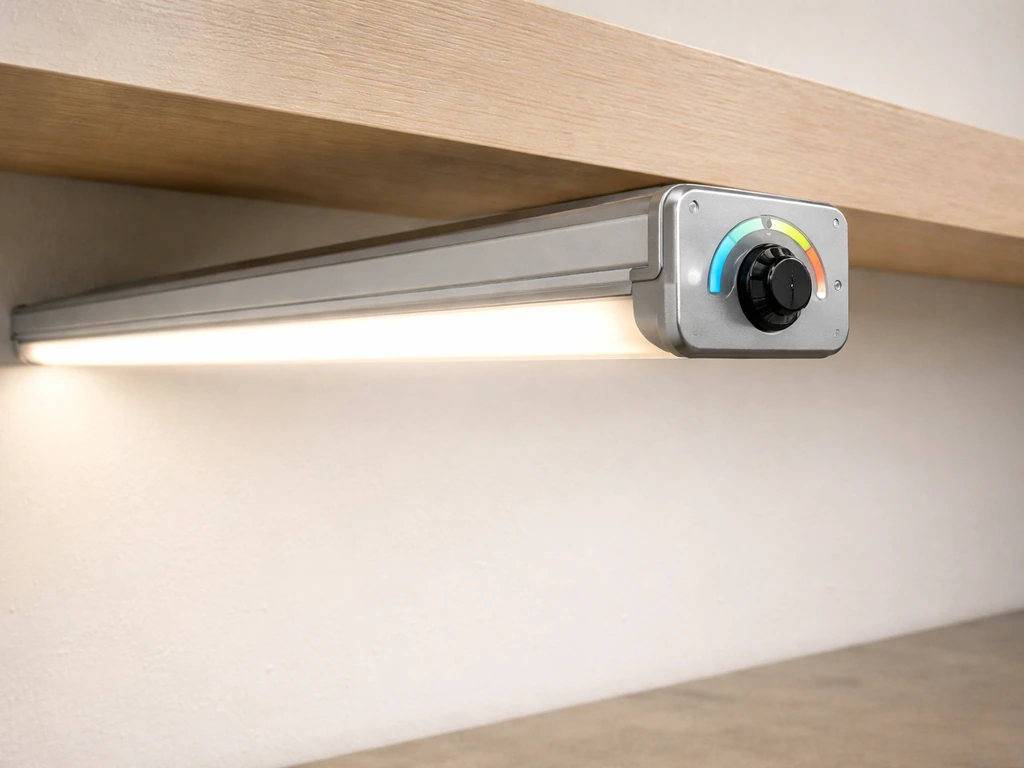
This is the most versatile fixture Feit makes in this lineup. The adjustable spectrum feature lets you shift the light blend between cooler (vegetative-friendly) and warmer (flowering-supportive) outputs, which is genuinely useful if you are running multiple growth stages in the same space at different times of year. At 54W, the output is meaningful without being excessive for a 4-foot zone. The vertical mount design also gives you flexibility in how you position the light relative to the canopy. It costs more than the fixed-spectrum version, and whether that premium is worth it depends entirely on how actively you plan to manage growth stages.
Feit Electric 4ft. 54W Full Spectrum Fixed (GLP48FS/VM/54W/LED)
Same wattage and form factor as the adjustable-spectrum model but without the tuning dial. The PPF and PAR data from the spec sheet are comparable, meaning you are not losing raw output by choosing this version. If you grow primarily in a vegetative stage or work with leafy greens and herbs that do not demand a flowering-optimized spectrum, this model is the better value. Save the premium for the adjustable version only if you genuinely need spectrum control.
Feit Electric 16W PAR38 E26 Grow Light Bulb (PAR38/GROW/LED/BX)
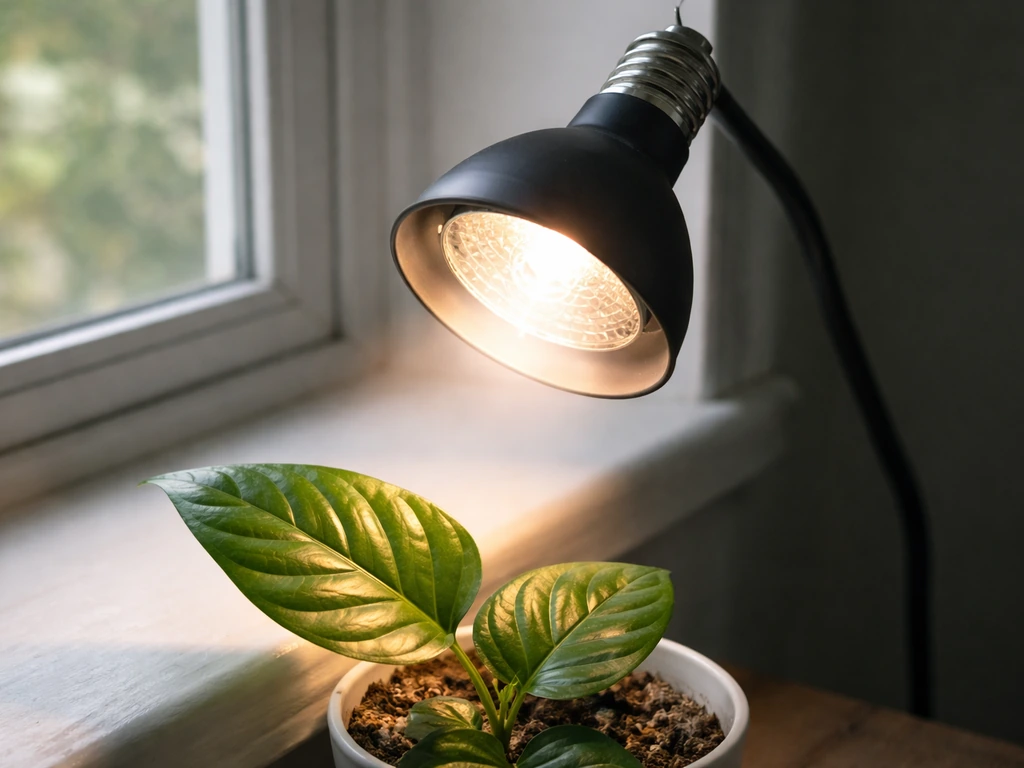
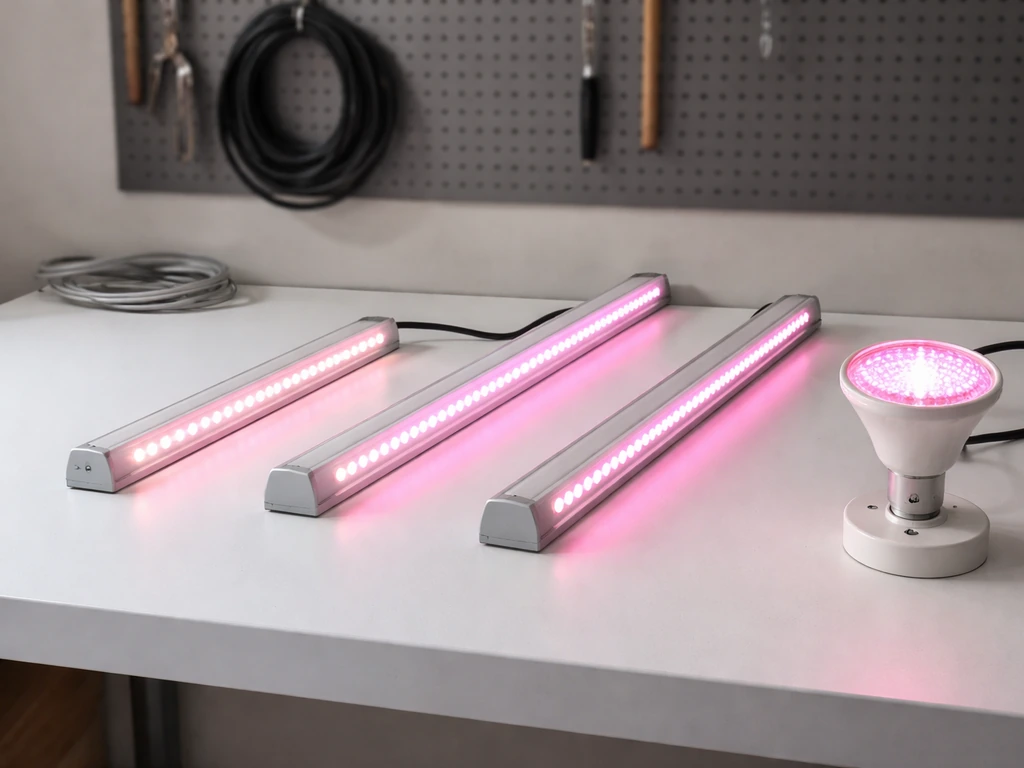
This is a screw-in grow light bulb, not a fixture, and that distinction matters. It uses a standard E26 base, runs at 16W, and the spec sheet lists beam angle and CCT alongside basic lumen efficiency data. The PAR38 form factor concentrates light in a narrower cone than a panel or tube, making it functional for a single potted plant directly underneath. For broader coverage, the photon density per square foot drops off quickly. Think of this as a targeted tool for windowsill plants, a single propagation dome, or supplemental spot lighting, not as a replacement for a dedicated grow light fixture.
Spectrum and real-world performance: what the numbers actually tell you
Feit markets all of these products as 'full spectrum,' but that term is broad. In practice, the 2-foot and 4-foot fixtures deliver a white-dominant output with blue and red peaks embedded in the phosphor conversion, which is a reasonable approach for general indoor growing. The adjustable-spectrum 4-foot model lets you shift the red-to-blue ratio, which affects chlorophyll A and B absorption directly. The fixed-spectrum 4-foot fixture holds a consistent color profile that tests out well for vegetative growth but is not optimized for the increased red-channel demand of flowering plants.
Coverage is where you need to be realistic. The 2-foot fixture covers a footprint of roughly 1.5 to 2 square feet at an effective mounting height for seedlings, which aligns with a single standard propagation tray. The 4-foot fixtures extend that to 3 to 4 square feet at moderate hanging height, suitable for a 2×4 tent section or a full wire shelf tier. Neither product line is designed for large tents or flowering rooms where you need high-intensity discharge levels. If you are evaluating grow lights at a higher intensity tier, looking at something like the double ended grow lights category gives a sense of where the output ceiling sits compared to LED fixtures at this wattage range.
For seedlings and early veg, the 60W 2-foot fixture performs above its price class. Germination rates hold up well, internodal spacing stays tight, and the low heat output means you can mount it close to the canopy without stress. Mid-veg to late-veg on the 54W 4-foot units is solid, especially with the adjustable version dialed toward cooler output. Flowering is where these fixtures start to show their budget ceiling, as the photon flux density is not high enough to push dense bud development on light-hungry plants like cannabis or tomatoes without supplemental lighting or very small canopy management.
Build quality, installation, and how long they actually last
The fixture housings on the 2-foot and 4-foot models are aluminum-bodied with a plastic diffuser, which is standard at this price point. Heat dissipation is passive and adequate for the wattage involved. You will not feel significant warmth on the housing after extended runtime, which is a good sign for LED longevity. The mounting hardware is basic but functional, and the wide voltage range on the 2-foot model eliminates one common installation headache.
The adjustable-spectrum 4-foot model adds a dial or switch for spectrum control, which is the only 'smart' feature in this lineup. There is no app control, no scheduling integration, and no dimming circuit on any of these models. If automated timers and programmable schedules matter to you, you will need to pair these lights with a separate outlet timer. That is not a dealbreaker for most growers, but it is worth knowing upfront so you budget for a basic timer if you do not already own one.
Reliability signals from the product data are reasonable for the price tier. Feit is a well-established brand with widespread retail distribution and accessible replacement/return channels, which counts for something over no-name imports. The PAR38 bulb, being a screw-in, has the most straightforward replacement path of any product in the lineup. For the fixtures, check the driver warranty terms before purchase because the driver is typically the first component to fail on budget LED fixtures.
Where these lights actually shine: matching the right model to your setup
Small shelves and propagation trays
The 2-foot 60W fixture is purpose-built for this use case. Mount it 4 to 6 inches above a seedling tray, run it 16 to 18 hours for propagation, and you will see consistent germination without the leggy stretching that underpowered or off-spectrum lights produce. The compact profile also means you can stack two of these on a wire shelf without blocking airflow between tiers.
Vegetative growth in a small tent or grow cabinet
Either 4-foot 54W fixture handles a 2×4 or single-tier cabinet well for veg. The adjustable version gives you more latitude as plants mature. Mount at 12 to 18 inches above the canopy, dial toward cooler spectrum during active veg growth, and you will get compact, healthy structure on most herbs, greens, and vegetable starts.
Flowering and fruiting plants
This is the use case where you need to set honest expectations. The 54W fixtures can maintain flowering on low-demand plants like certain herbs or strawberries, but they are underpowered for high-demand crops. If your goal is dense fruiting or heavy flowering, either supplement with additional fixtures or look at a higher-wattage panel. The adjustable spectrum helps by letting you shift toward the red channel during bloom, but wattage is the ceiling here, not spectrum tuning.
Single-plant and windowsill setups
The PAR38 bulb fits here. A single tropical houseplant, a compact herb pot, or a windowsill propagation station benefits from the targeted beam of the PAR38. Screw it into a gooseneck lamp or a pendant socket, position it 12 to 18 inches above the foliage, and it functions as a clean supplemental source without any fixture installation required.
Feit Electric vs. 'Smart Electric' grow lights: clearing up the confusion
The name 'Smart Electric' or 'Smart Electrician' shows up in the same search results as Feit Electric grow lights frequently, and it creates real confusion. These are not the same brand. 'Smart Electrician' is a separate house brand sold primarily through certain retail chains, and while some of its grow light products occupy a similar price tier and form factor, the two companies have no formal relationship. The product specs, warranty structures, and distribution channels are different.
In direct terms: Smart Electrician grow lights are generally positioned as entry-level retail-chain products, comparable to what you would find under store-brand labels. Feit Electric, while also widely sold through home improvement retailers, has a longer product history, more SKUs with documented spec sheets, and better-established customer support infrastructure. Neither brand competes with dedicated horticultural LED manufacturers at the premium tier, but between the two, Feit's documented PAR and PPF data on their spec sheets gives you more to evaluate before purchase. Feit Electric’s Grow Lighting FAQs explain that PPF measures the total amount of PAR photons produced each second. With Smart Electrician products, you are often working from marketing claims without the same level of technical documentation.
| Feature | Feit Electric (fixture) | Smart Electrician (typical) |
|---|---|---|
| Documented PAR/PPF data | Yes, on spec sheet PDFs | Rarely available |
| Spectrum type | Full spectrum, some adjustable | Full spectrum (marketing claim) |
| Wattage range covered | 16W bulb to 60W fixture | Varies by SKU, typically 10–45W |
| Voltage flexibility | 120–277V on select models | Standard 120V |
| Brand support/warranty | Established, accessible | Varies by retailer |
| Best use case | Shelves, small tents, single plants | Basic shelf or windowsill use |
If a reader arrives searching 'Smart Electric grow light reviews' specifically, the honest answer is: treat it like any unbranded retail grow light. Check whether the retailer accepts returns easily, look for actual PPF or PAR data rather than just lumen counts, and do not expect the same documentation depth you get from Feit. For a comparable budget retail alternative worth comparing, the Great Value 2-foot grow light sits in a similar market position and is worth reading alongside this guide to calibrate expectations for store-brand grow light performance.
How Feit compares to other LED grow light brands at this tier
Within the budget-to-mid LED fixture category, Feit holds up reasonably well, but it is not the only option worth considering. The Mars 2 LED grow light is a common comparison point for growers looking at panel-style fixtures in a similar price bracket, and it delivers higher raw wattage options that Feit's fixture line does not reach. The tradeoff is form factor: Feit's linear fixtures suit shelves and vertical stacking better, while panel lights like the Mars 2 are better for tent-ceiling mounts with broader canopy coverage.
The key performance metric to use for any comparison is photon efficacy (micromoles per joule), not raw lumens or wattage alone. Feit's spec sheets include PPF data, which lets you calculate this if you divide the PPF value by the input wattage. Do that math before comparing any two fixtures, and you will cut through a lot of marketing noise quickly.
What to check before you buy, and which model to pick
Before you place an order on any grow light, run through these practical checks to avoid buying the wrong fixture for your setup:
- Measure your grow space footprint first. The 2-foot Feit fixture covers roughly 1.5–2 sq ft effectively. The 4-foot fixtures cover roughly 3–4 sq ft. If your space is larger, plan for multiple fixtures or a different product category entirely.
- Identify your primary growth stage. Seedlings and veg favor the cooler-spectrum output that Feit's fixed full-spectrum models deliver well. If you need flowering support, consider the adjustable-spectrum 4-foot version or supplement with additional wattage.
- Pull the spec sheet before buying. Feit publishes PDFs for the GLP24H/V/60W/LED, GLP48ADJS/VM/54W/LED, GLP48FS/VM/54W/LED, and the PAR38 bulb. Look for PPF (micromoles per second) and divide by input watts to get efficacy. Anything above 1.5 µmol/J is competitive at this price tier.
- Check your mounting situation. The 2-foot model's narrow profile makes it ideal for wire shelves with tight tier spacing. The 4-foot vertical-mount models need more overhead clearance and are better for cabinets or tent environments with adjustable hanging hardware.
- Plan your timer setup. None of these fixtures include built-in scheduling. A basic mechanical outlet timer (under $10) is all you need, but factor it in.
- If you're comparing against Smart Electrician products at retail, ask specifically whether PAR or PPF data is available. If it is not, you are buying on marketing claims alone, which puts you at an information disadvantage.
For most readers landing on this article: if you are growing herbs, greens, or starts on a shelf or in a small cabinet and your budget is in the $30–$80 range, the Feit Electric 2-foot 60W fixture is the most defensible choice. Step up to the 4-foot adjustable-spectrum model if you are running a small tent with plants that will go through multiple growth stages. Use the PAR38 bulb only as a supplement. Skip the Smart Electrician line unless you find a specific model with documented PAR data and a solid return policy from the retailer. Those are the practical next steps, and they will hold whether you are buying today or revisiting this in a few months as inventory changes.
FAQ
How do I know if a Feit Electric grow light review model will cover my exact plant area?
Measure the shelf or tent canopy width, then match it to the fixture’s effective coverage. If your plants will be wider than the stated footprint (about 1.5 to 2 sq ft for the 2-foot unit, 3 to 4 sq ft for the 4-foot units), you will need either multiple fixtures or a higher output category, otherwise you will get uneven growth and leggy edges.
Can I mount the 2-foot or 4-foot Feit lights close to the plants, and what should I watch for?
Yes, but plan for temperature and airflow. The housings run cool for LED, yet “cool” is relative, in a closed tent heat still matters. Use a simple rule: keep at least a few inches of clearance for airflow, and recheck leaf temperature and stress after 3 to 5 days if you mount close to the canopy.
What metric should I use when comparing feit electric grow light reviews to other budget brands?
Do not rely on lumens alone. Instead, compare PPF or photon efficacy (PPF per watt) across models. If a listing does not provide PPF or PAR measurements, treat it as missing critical data and expect less predictable results, especially when comparing the Feit fixtures to store-brand alternatives.
Do Feit Electric grow lights need a smart controller, or can I run them with a timer?
Use a timer for run-time, because these lights do not offer scheduling, app control, or dimming. A basic outlet timer is usually enough, for example 16 to 18 hours for seedlings and early propagation, then reduce toward longer natural-light style cycles as plants mature.
How can I avoid accidentally buying the wrong “Smart Electric” brand when I search reviews?
Be careful with “Smart Electric” or “Smart Electrician” product pages that mix images or reuse descriptions. Confirm the manufacturer name, model number, and warranty terms on the retailer listing, and verify you are looking at Feit’s documented spec sheet for the exact SKU before paying.
Should I pay more for the adjustable-spectrum Feit 4-foot model or stick with fixed spectrum?
For multiple stages in the same space, the adjustable 4-foot model is the practical choice because you can shift spectrum between cooler and warmer outputs. If your crop schedule is fixed and mostly vegetative, the fixed-spectrum 4-foot version is often the better value, since raw output is comparable.
What should I do if my plants start flowering but growth looks slow or airy with Feit fixtures?
For flowering heavy feeders, the limiting factor is wattage and photon flux density, not just spectrum. If you see slow bud density or airy growth, add more light (additional fixtures or a higher output panel) rather than only changing the spectrum dial.
Can the Feit PAR38 bulb work as the only light for a full plant?
Assume the PAR38 bulb is a spot tool, not a replacement for a fixture. If you want coverage across a plant area larger than a single pot or propagation dome, you will run into fast drop-off in photon density with distance and get uneven performance.
When would the Feit 18W G13 tube be a good buy, and when should I skip it?
If you are retrofitting a shop light using the 18W G13 tube option, expect lower output than the 54W dedicated fixtures. It makes sense for low-demand plants or for supplementing an existing light source, but for full-cycle growth you should plan for additional lighting.
What hanging height should I use on day one, and how do I fine-tune it?
Start with the height guidance, then adjust based on plant response. For example, mount the 2-foot unit around 4 to 6 inches above seedlings, and the 4-foot units around 12 to 18 inches for canopy-level veg, then fine-tune after a week by watching for stretching or leaf stress.
What reliability detail should I check before buying Feit (or any budget) grow lights?
Look at the driver warranty terms, because budget LEDs often fail first at the driver rather than the diodes or housing. If the warranty is short, prioritize a retailer with easy returns, since replacement processes can be slower if the warranty requires shipping.
Is it safe to stack two of the 2-foot Feit fixtures on a wire shelf tier?
Stacking two 2-foot fixtures on a tier usually works, since the linear form is easy to fit without blocking airflow, but spacing still matters. Keep airflow between tiers and avoid overlapping footprints so you do not create overly hot spots directly under combined light.