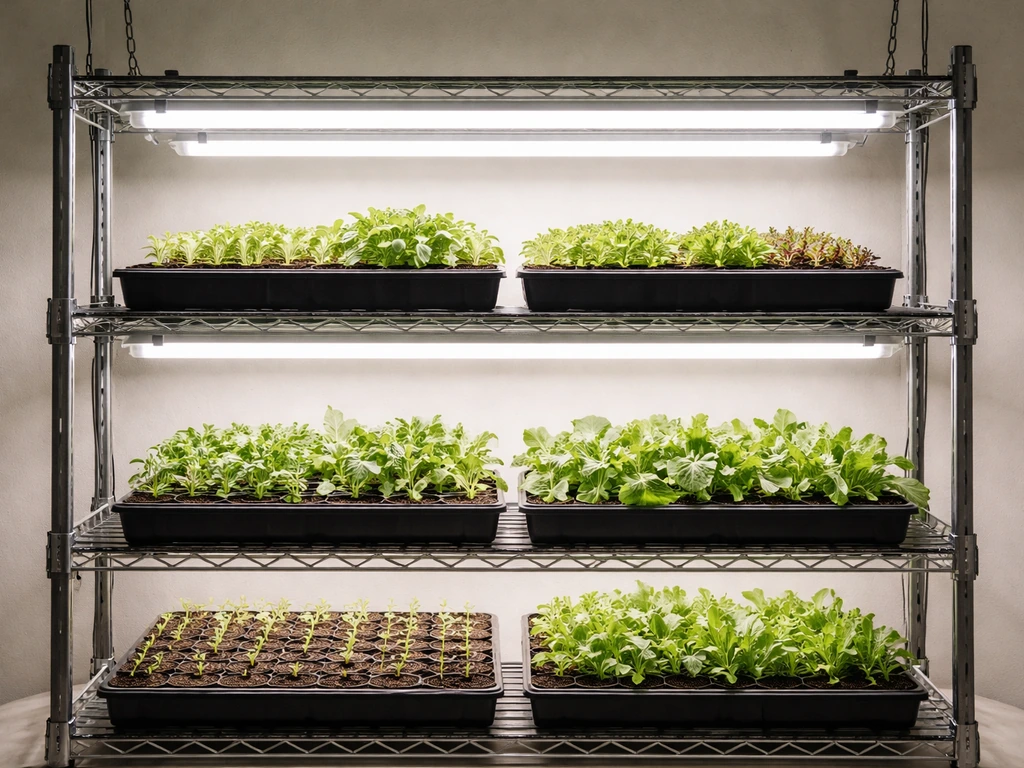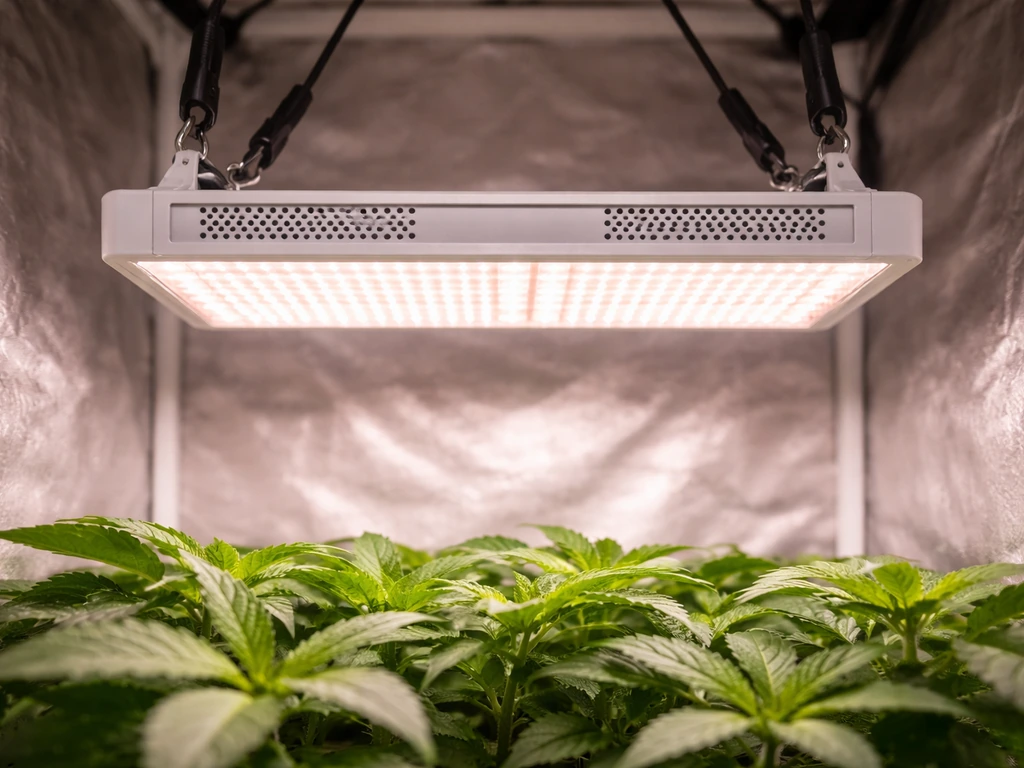
The Root Farm All-Purpose LED Grow Light is a compact, 45-watt, three-band LED panel designed for small indoor setups, think a single countertop herb garden, a seedling tray, or one or two potted plants. It covers a grow area of roughly 10 inches deep by 21.5 inches wide, sits on adjustable stand legs that go from 10 to 16.125 inches tall, and swivels 360 degrees so you can angle the light without moving the whole unit. It's not a tent light, not a full-cycle powerhouse, and not competing with the big-wattage panels from brands like Rousseau or Relassy, but for what it is, it's worth understanding exactly what you're getting before you spend money on it.
Root Farm Grow Light Review: Which Model to Buy

Marcus Caldwell
11 May 2026
What Root Farm LED grow light you're actually getting
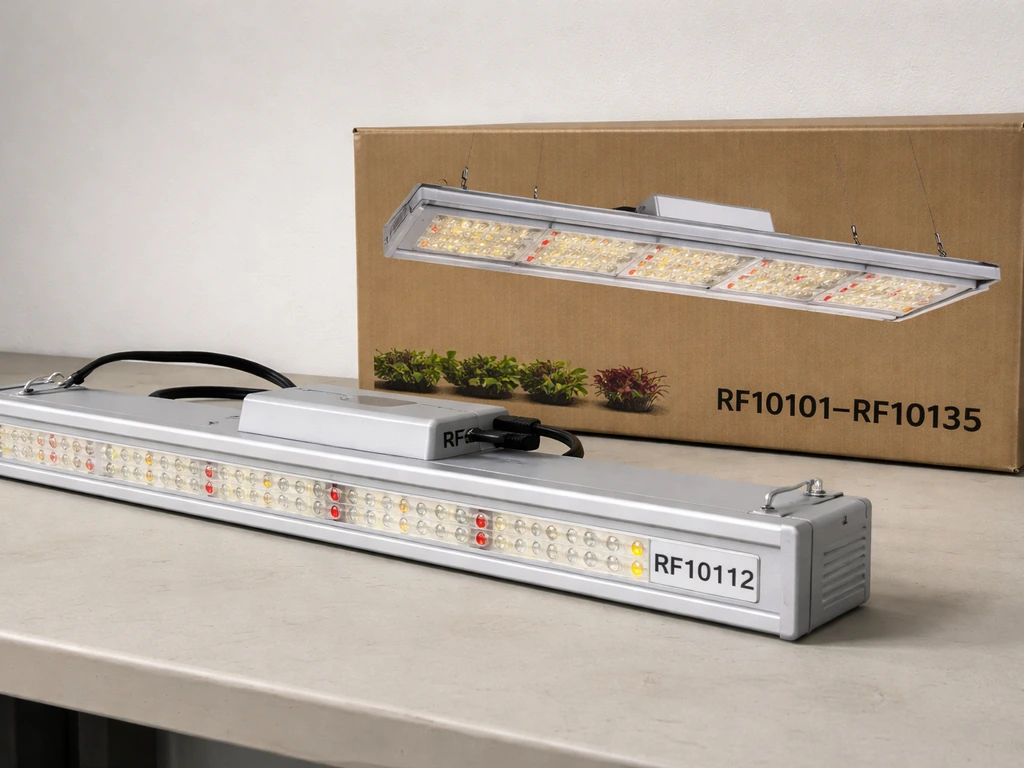
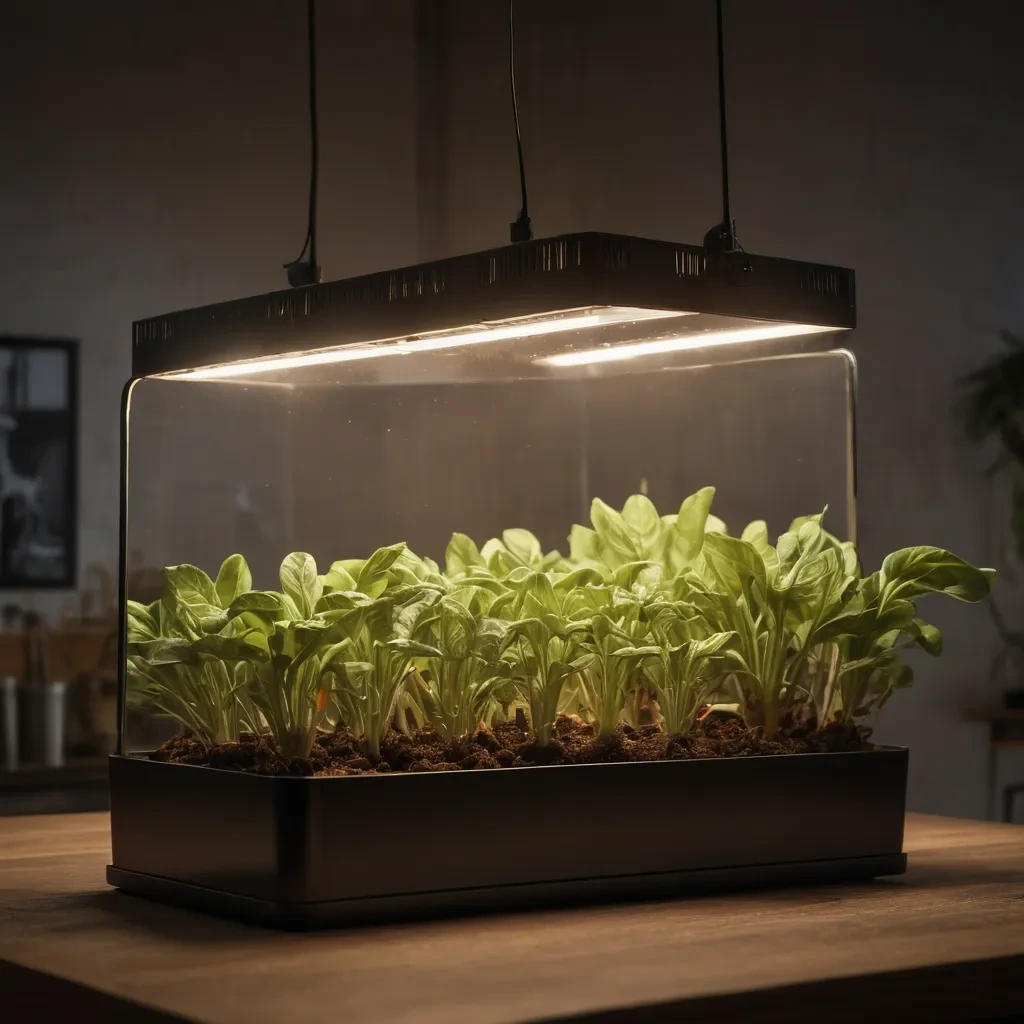
Root Farm sells one primary LED grow light under the All-Purpose LED Grow Light name, with model numbers RF10101 through RF10135 covering the same product across retail variations. The specs are consistent: 45W draw, 24VDC input at 1.8A, a rated lifespan of 25,000 hours, and a light panel mounted on an adjustable floor or tabletop stand. This is not a hanging panel, a bar-style fixture, or a quantum board, it's a standalone unit with legs, similar in concept to a desk lamp scaled up for plant use. That form factor is the first thing that tells you who this light is actually built for.
There are no multiple wattage tiers, no 100W or 200W version of this particular product. It's a single SKU family at 45W. If you were hoping to find a Root Farm option that scales up to a 2x4 or 4x4 tent, this isn't that light. For anything larger than a small countertop or shelf setup, you'll need to look elsewhere, and I'll get into the alternatives that make more sense at the end.
Setup, build quality, and included parts (what you'll notice fast)
Setup is genuinely quick. The stand legs are adjustable between 10 and 16.125 inches in height, and the light panel swivels a full 360 degrees on its mount. You're not drilling anything into a ceiling or threading ropes through ratchets, you just position the legs, angle the panel over your plants, and plug it in. For growers who don't have a tent or a dedicated growing area with overhead mounting points, that's a real convenience. It makes the Root Farm light especially practical for kitchen windowsill upgrades, apartment growing, and supplement lighting situations where you need to move the light around.
Build quality is modest but functional. The stand feels stable enough for a tabletop or countertop context but won't inspire a lot of confidence if you're nudging it regularly or setting it up on an uneven surface. The panel housing is plastic, which is standard at this price and wattage range. The 24VDC power draw and 1.
8A input means heat output is relatively low, this isn't a light that gets dangerously hot to the touch, and you won't need to worry much about heat stress on plants at standard operating heights. Included in the box is the light and stand assembly; you don't get a timer or any separate accessories, which is worth noting if you're counting on automating your photoperiod.
Coverage, brightness, and performance in real grow-space terms
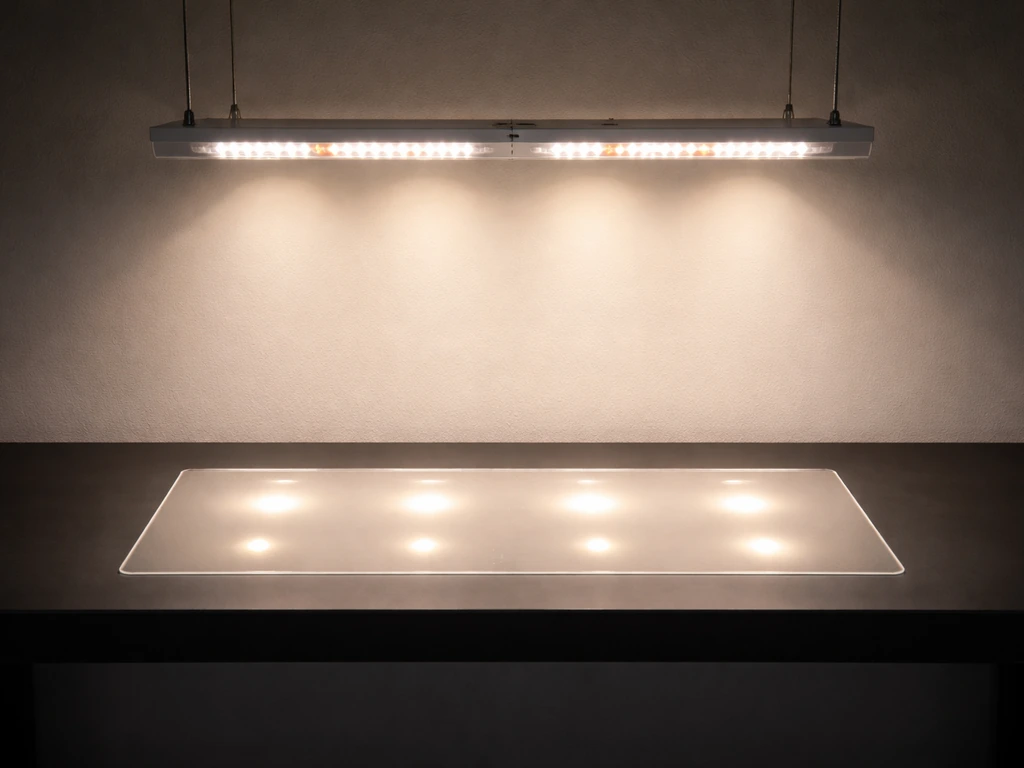
The official grow area is 10 inches deep by 21.5 inches wide. In practice, that translates to a long, narrow footprint, good for a row of herb pots along a shelf, a seedling flat, or a single larger plant positioned directly under the center of the panel. It's not well-suited to a square grow space. If you're thinking about a 2x2 tent, this light won't cover it evenly; you'd lose a lot of the corners and depth of that space.
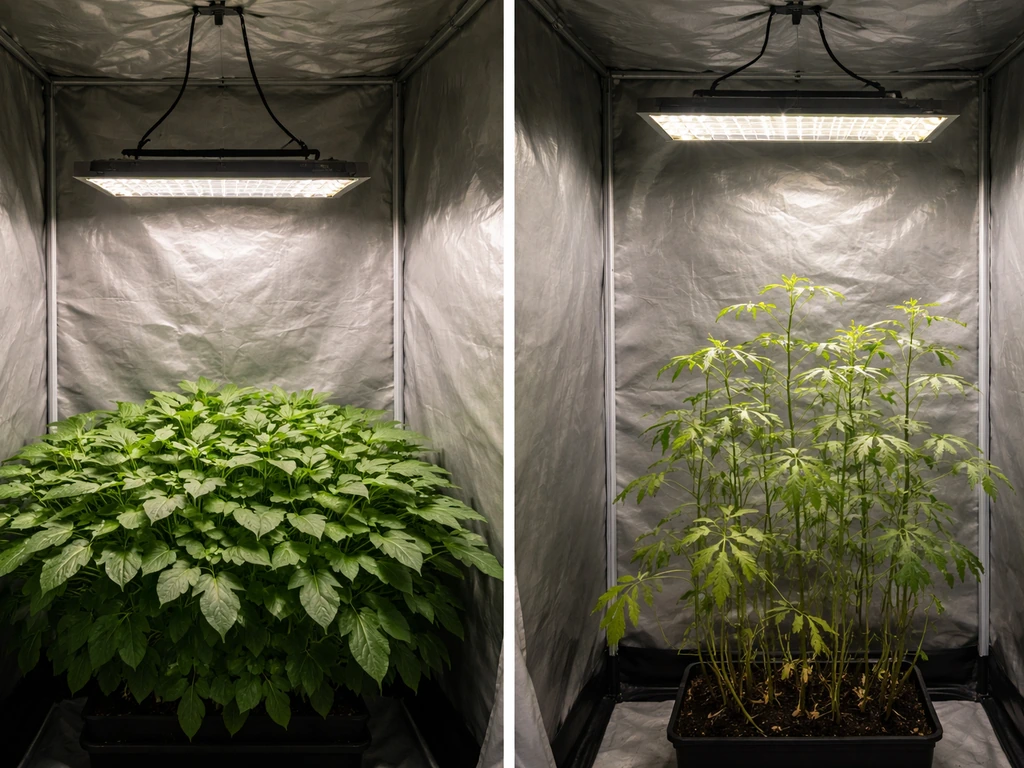
At 45 watts over roughly 215 square inches (about 1.5 square feet), the intensity is respectable for low-to-moderate demand crops like herbs, lettuce, spinach, and seedlings. Plants with higher light demands, tomatoes at fruiting stage, peppers pushing flower production, cannabis, will likely show slower growth and stretching at the low end of the adjustable height range compared to what a dedicated higher-wattage panel delivers. That's not a knock on the light; it's just physics. Forty-five watts can only push so many photons into a canopy, and the rated coverage area is already stretching that wattage pretty thin.
The 360-degree swivel is actually more useful than it sounds. Being able to tilt the panel at an angle lets you direct more intensity toward a plant that's positioned off-center or supplement light from a windowsill angle rather than pure overhead. For vegetable starts and herb maintenance, I found positioning the panel at a slight downward angle toward the plant canopy, with the stand at around 12 to 14 inches, produced the most even coverage of the plant rather than just the topmost leaves.
Spectrum and suitability by plant type and growth stage
The Root Farm uses what it calls Three Band LEDs: red, blue, and white. The Root Farm RF 10101, 10135 label PDF also shows the light using a three-band LED approach with red, blue, and white LEDs three-band LED approach (red, blue, and white).
Red is intended to drive reproductive growth, flowering, fruiting, budding. Blue targets vegetative development, specifically leaf and stem growth. White acts as a daylight-spectrum fill that softens the harsh purple cast you get from pure red-blue combinations and adds some broad-spectrum coverage. This is a practical, entry-level spectrum approach.
It's not a full-spectrum quantum board with a continuous curve across 380 to 780 nanometers, but it covers the two peaks that matter most for photosynthesis, the chlorophyll-a absorption peaks around 430nm (blue) and 680nm (red), plus white to fill some of the gaps.
For herb and leafy green growers, emphasizing the blue channel makes sense during the vegetative stage. For anyone trying to push flowering or fruiting, leaning into the red channel is the right call. The white channel is worth keeping on throughout, it makes it much easier to actually observe your plants for pests, discoloration, or deficiencies without the visual distortion of a purple-only environment, which is a practical benefit that gets underrated in spec sheets.
| Plant Type / Stage | Recommended Channel Emphasis | Expected Results |
|---|---|---|
| Seedlings | Blue + White | Strong stems, compact growth, reduced stretch |
| Herbs (basil, mint, parsley) | Blue + White | Dense, flavorful leaf production |
| Leafy greens (lettuce, spinach) | Blue + White | Fast vegetative development, good yields at scale |
| Flowering plants (early stage) | Blue + Red + White | Transition support, bud site development |
| Fruiting/flowering (peak) | Red + White | Improved flower and fruit set, though wattage limits output |
| Clones / propagation | Blue + White (low intensity) | Root development, minimal transpiration stress |
Where the Root Farm spectrum falls short is depth of penetration into a dense canopy and total photon output for heavy-feeding crops. If you're growing tomatoes or peppers through a full flowering cycle indoors and expecting supermarket-level fruit sets, 45 watts over a 10x21.5 inch area won't get you there on its own. In a r/microgrowery discussion, some users claimed the Root Farm 45W can be insufficient for flowering-only setups and work better for veg or supplemental use. As a supplement to natural light, though, it does meaningful work.
Pros, cons, and who it's best and worst for
- Simple plug-and-use setup with no tools or mounting hardware needed
- Adjustable stand height (10 to 16.125 inches) gives you flexibility over canopy distance
- 360-degree swivel lets you direct light without repositioning the whole unit
- Low heat output at 45W makes it safe around kitchen countertops and close plant proximity
- Three-band spectrum covers both vegetative and flowering stages adequately for low-demand crops
- 25,000-hour rated lifespan is solid for the price tier
- Narrow, long coverage footprint suits a shelf row or herb garden better than a square space
- 45W is not enough for full-cycle fruiting crops that need high PPFD across their canopy
- Coverage area (10x21.5 inches) is too narrow for anything resembling a 2x2 tent or larger
- No built-in timer — you'll need a separate outlet timer to automate photoperiods
- Plastic build quality feels modest; not the most durable option for long-term daily use
- No hanging option means it's limited to the stand-mounted configuration
- Limited scalability: there are no larger-wattage Root Farm LED models to grow into
This light is best for: apartment and kitchen herb growers, seedling propagation stations, vegetable starts before transplanting outdoors, anyone supplementing weak winter window light, and new growers who want a low-commitment, easy-setup option. If you're considering one for your own setup, this Relassy grow light review-style guide will help you compare options and expectations before you buy. It's worst for: anyone running a tent grow, growers trying to take flowering crops through a full indoor cycle, and anyone who needs to cover more than about 1.5 square feet of canopy evenly.
Value for money vs similar grow lights
The Root Farm All-Purpose LED sits in a crowded budget-to-mid entry segment. It competes with countertop and shelf-style LED panels from brands like Farmlite and Loriflux, which offer similar wattages and three-band or full-spectrum configurations at comparable price points. If you're comparing this kind of budget panel to a Farmlite option, this farmlite grow light review breaks down how it stacks up for small indoor setups. Where the Root Farm has a clear edge is the standalone adjustable stand, most shelf-style competitors either clip to a shelf edge or hang from a bar, which requires some kind of support structure. The Root Farm's legs mean zero installation overhead.
| Feature | Root Farm 45W | Typical Competitor (45-50W Shelf/Panel LED) |
|---|---|---|
| Wattage | 45W | 45-50W |
| Coverage Area | 10" x 21.5" | Varies (often square, 12"x12" to 18"x18") |
| Mounting Style | Adjustable stand legs | Clip or hanging mount |
| Spectrum | Red, Blue, White (3-band) | Full spectrum or 3-band depending on model |
| Heat Output | Low (24VDC, 1.8A) | Low to moderate |
| Timer Included | No | Sometimes |
| Setup Complexity | Very low (no tools) | Low to moderate |
| Best For | Countertop, shelf herbs/seedlings | Tent supplement, shelf grows |
If pure coverage area and photon output per dollar is your priority, some competitors do offer more square footage at similar wattages. But if ease of setup, portability, and flexibility to move the light between spots in your home matter more, the Root Farm's form factor is genuinely better for casual or apartment growers. For anyone who's looked at options like the Lee Valley or Rousseau grow lights in this size class, the Root Farm differentiates itself mainly through that freestanding adjustable stand rather than any significant spectral or wattage advantage. If you want to compare this with the Lee Valley grow light options in the same size class, check a Lee Valley grow light review before deciding.
On warranty and support: Root Farm is a product line under Scotts Miracle-Gro, which means there's brand infrastructure behind support requests, you're not dealing with a small overseas brand with no recourse. Scotts Miracle-Gro positions itself as a long-standing company in lawn and garden products, and it also supports hydroponics through its brand portfolio Root Farm is a product line under Scotts Miracle-Gro. That's worth something at this price tier, especially given the 25,000-hour rated lifespan claim.
How to choose the right model for your space (next steps)
Before you buy, measure your actual grow footprint. If the space you want to cover is roughly 10 inches deep and up to 21.5 inches wide, a kitchen shelf row, a propagation tray, or a cluster of three to four small herb pots, the Root Farm 45W fits well. If you're working with anything larger or squarer than that, you'll be underlit in the corners and edges, and you should be looking at a different product category entirely.
- Measure your grow area in inches — length and depth. If it fits within 10x21.5 inches, the Root Farm is a reasonable match.
- Decide what you're growing. Herbs, leafy greens, and seedlings: good fit. Fruiting crops at full indoor cycle: look for higher wattage options.
- Check your mounting situation. If you have no overhead structure and want a freestanding light, the Root Farm's adjustable legs solve that immediately.
- Buy a basic plug-in outlet timer separately ($8 to $15) — you'll want automated photoperiod control regardless of which light you choose.
- Start the light at the maximum height (16.125 inches) and observe plant response over the first week. If you see stretch or lean toward a window, lower the panel in 1-inch increments.
- Use the blue and white channels primarily for herbs and seedlings; add red when you're pushing flowering or fruiting crops.
- If your space or goals outgrow the Root Farm, consider stepping up to a dedicated quantum board or bar-style panel in the 100W to 200W range — other brands in that class offer significantly more coverage and output per watt.
The Root Farm All-Purpose LED is a buy for small-space, low-demand growers who want zero-hassle setup and a portable, freestanding light they can move around the house. It's a skip for anyone trying to run a serious tent grow, take fruiting crops through a full indoor cycle, or cover more than about 1.5 square feet of canopy. Know what you're growing, measure your space, and match the light to the job, and the Root Farm is honest about what job it's built for.
FAQ
Will the Root Farm 45W light be enough for a 2x2 tent if I move the plants closer?
Probably not evenly. The rated area is about 10 inches deep by 21.5 inches wide, which is roughly 1.5 square feet and long-narrow, so a 2x2 square will leave corners and edges dim even if you reduce plant spacing. If you want a tent, look for a panel designed for square coverage or higher total wattage.
How high should I mount the Root Farm light for best coverage?
Start with the stand around 12 to 14 inches for many seedlings and herb canopies, then adjust based on leaf response. If plants stretch or stay tall and leggy, lower the light or shorten your growth photoperiod strategy. If leaves feel hot or bleach, raise it slightly and reduce exposure time.
Does the three-band red, blue, and white spectrum mean I need different settings for veg and flower?
Not in the sense of separate controls, because the unit is built as a fixed three-band mix. What you can change is placement and height, and you can adjust your photoperiod. Lean more toward red by aiming for a lower canopy or closer placement during flowering, but do not expect the same effect as lights with separate dimming channels.
Is this light safe to run near kitchen counters, and does it get hot?
Heat output is relatively low because it uses 24VDC at about 1.8A, and the plastic housing is not designed to be a high-heat fixture. Still, keep it away from curtains or paper and ensure airflow, especially in warm rooms or when the stand is placed on reflective surfaces that can trap heat.
Can I use a timer with the Root Farm, since it does not include one?
Yes, but use a grow-rated or reliable plug-in timer, and confirm the timer’s load rating matches the light’s input current and voltage. Avoid cheap timers that have poor contact or drift, because small scheduling errors can affect seedlings and leafy greens.
What crops are most likely to succeed with this light long term?
Herbs, leafy greens, and seedling propagation are the best match because they do well at moderate light levels. Fruiting crops like tomatoes and peppers can work only as supplemental lighting or for partial cycles, because the small coverage and 45W output usually limit dense canopy penetration.
How many plants can I grow under one Root Farm panel?
For the labeled footprint, a practical range is several small herb pots in a row, or a seedling tray with most foliage positioned under the central beam. If you spread plants across the full width and depth, expect uneven intensity, so cluster plants within the central zone for best consistency.
Does the 360-degree swivel help with uneven shelf lighting or only with plant angle?
Both. The swivel lets you aim intensity toward plants that sit off-center or toward a windowsill direction where the natural angle is not overhead. It is most useful when your plants are not perfectly centered beneath the fixture, because it helps reduce the “bright top leaf, dim lower leaves” problem caused by angle.
Is the rated lifespan of 25,000 hours realistic for everyday use?
It is a manufacturer claim based on typical LED longevity testing, so actual life depends on your operating hours, heat conditions, and whether the unit is run consistently at stable temperatures. In practical terms, plan for performance to gradually decline over years, and treat it as a “designed for long use” fixture rather than a guarantee of identical output after 25,000 hours.
What should I check if the light arrives and doesn’t seem stable?
Confirm the legs are fully extended and seated correctly, then place it on a level surface. If you plan to move it often, be cautious about uneven tables, because the build is functional rather than rugged. Also check that the swivel mount is tightened so the panel stays where you aim it.
Do I need to worry about using it with standard household power in different countries?
Check the input requirements for your specific retail variant, since the review focuses on the light’s DC input and draw rather than your wall voltage. If the product listing does not clearly state your region’s AC compatibility, do not assume it is plug-and-play.
How do I decide between the Root Farm and a larger-wattage tent light?
Use Root Farm when your goal is small-space supplementation or propagation across about 1.5 square feet or less, especially if you need portability and no ceiling mounting. Choose a higher-output tent light when you need square coverage, dense canopy penetration, or full flowering and fruiting indoors, because the 45W class will generally underperform those goals.