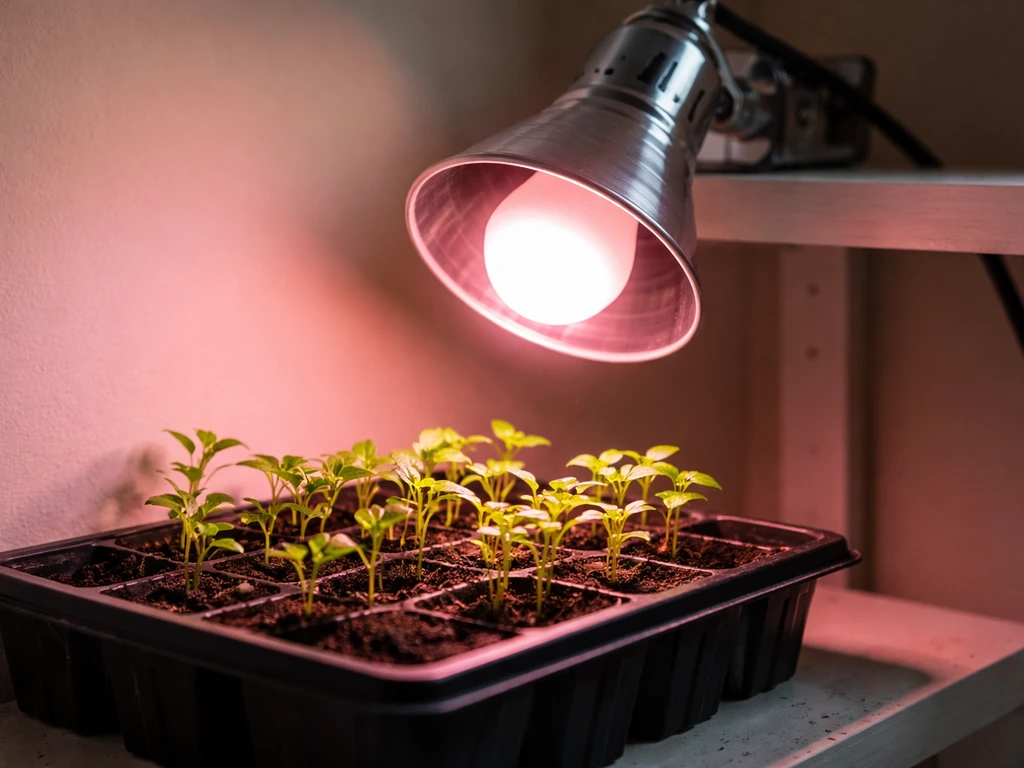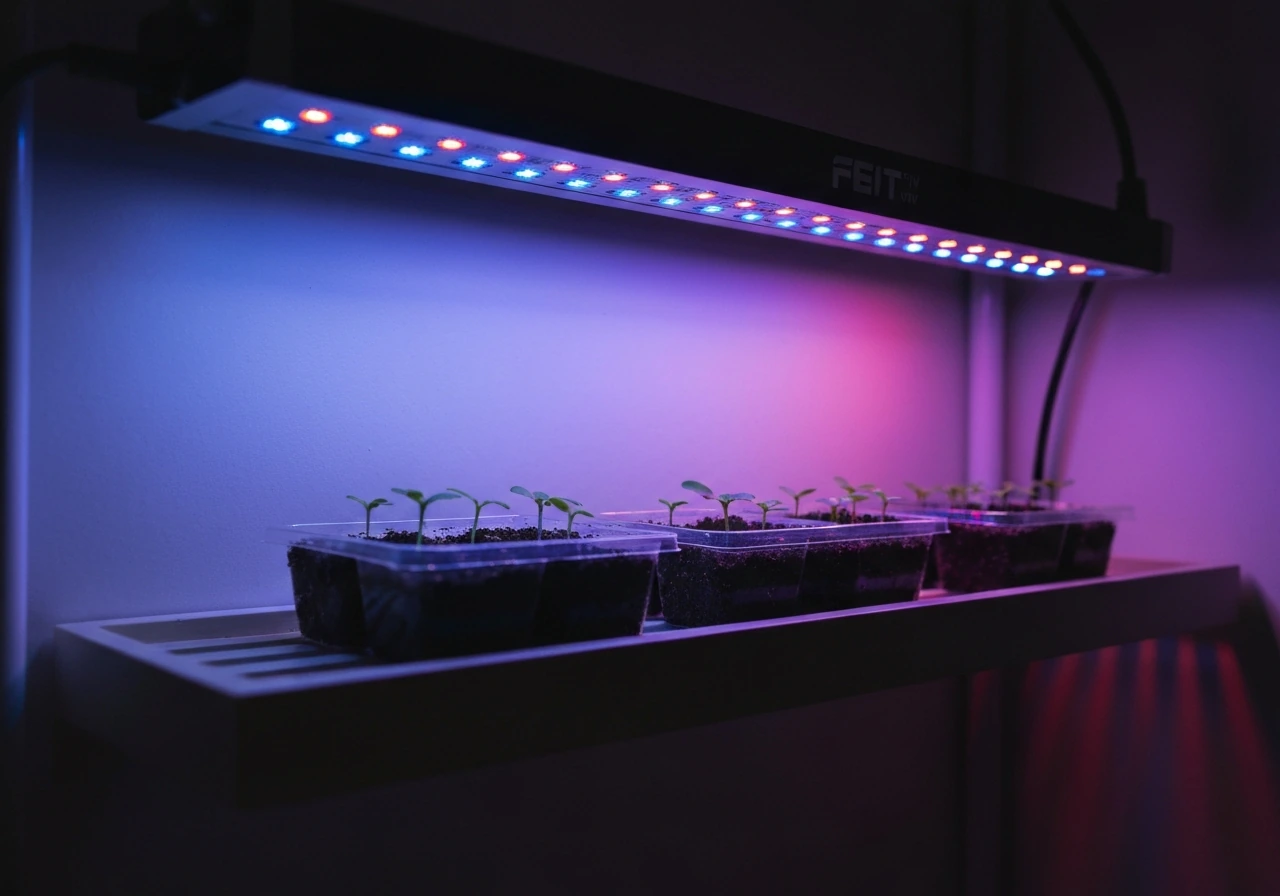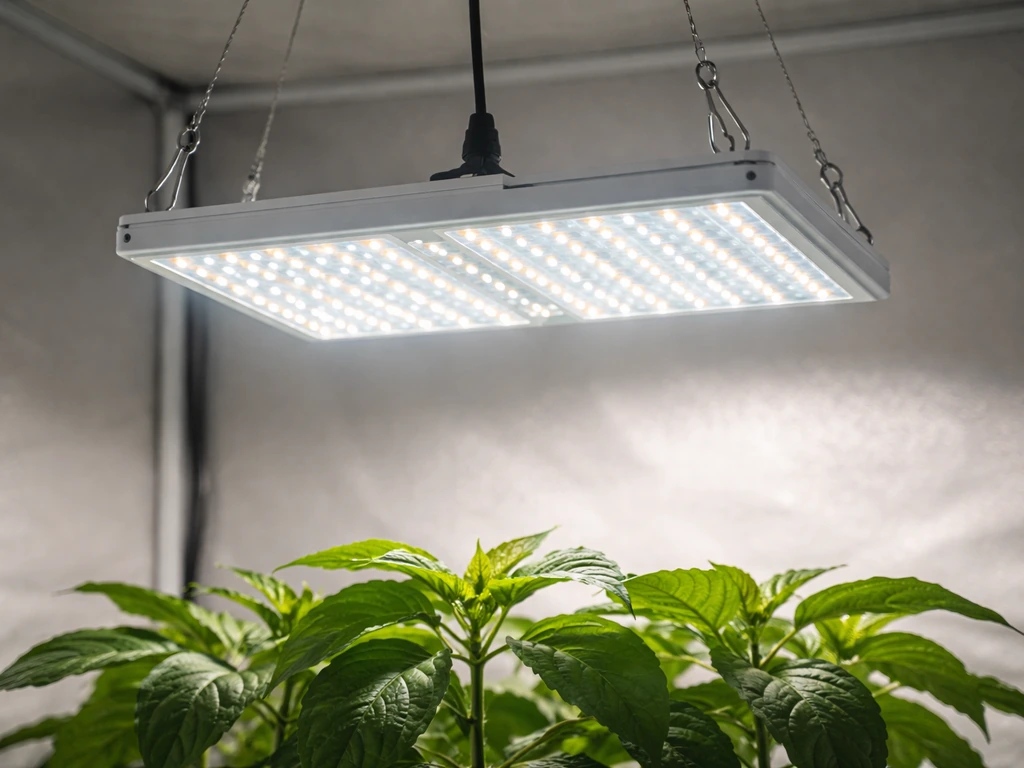
The Unifun grow light is a budget-tier LED option aimed at small indoor gardens, seedling trays, and houseplant enthusiasts. If you're searching for a Unifun grow light review, the short answer is this: it works for herbs, seedlings, and low-demand houseplants in tight spaces, but it has real limitations for fruiting or flowering plants, and some reliability concerns worth knowing before you spend anything. Here's everything you need to make that call.
Unifun Grow Light Review: Results, Coverage, Value

Marcus Caldwell
21 Apr 2026
What Unifun grow lights actually are
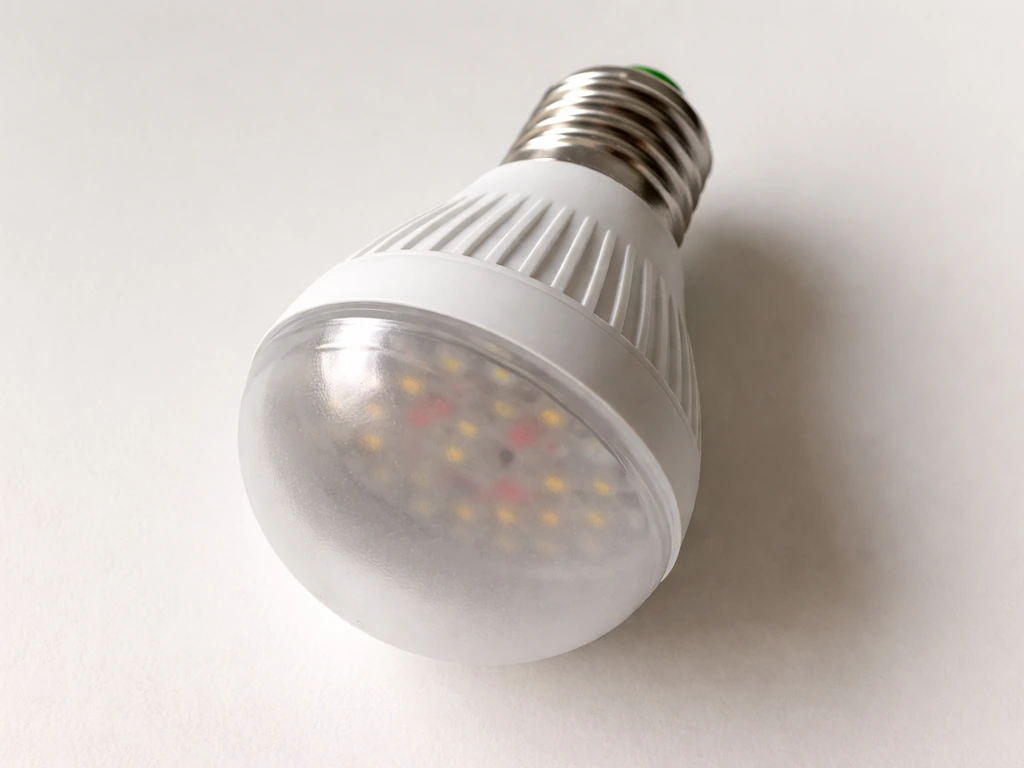
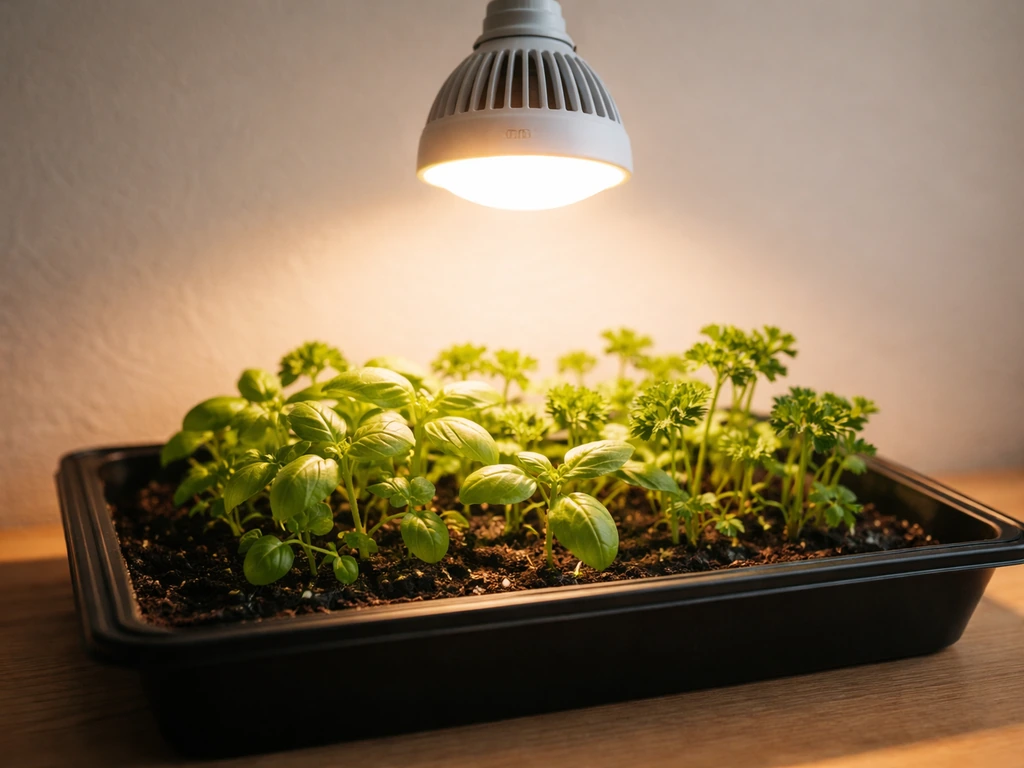
Unifun is a small-brand LED grow light manufacturer that sells mostly through Amazon and third-party retailers. Their product lineup is centered around E27 screw-base bulb-style grow lights, with the most commonly reviewed models being the 24W and 45W versions. There is also a '500W' panel listed in some places, though as I'll get to in a moment, that wattage figure is marketing language, not actual draw.
The 24W E27 model is probably the most widely available Unifun unit right now. Here are the specs that matter: it runs on AC 85–264V (universal voltage), carries an IP44 waterproof rating (splash-resistant, not submersible), uses a 9-red / 3-blue LED configuration, and is rated at a PPFD of 265 µmol/m²/s. The listed coverage area is 10.8 to 21.5 square feet, though that upper figure is at very low intensity and shouldn't be taken as usable growing area for most plants. The 45W version steps up the output and is marketed as a full-spectrum option for a slightly larger footprint.
The intended use case, based on specs and design, is small-scale indoor growing: a single shelf, a few pots on a windowsill, a seedling tray, or a small herb garden. These are not panel lights designed to cover a 3x3 tent or replace a serious HID setup. Think of them as a step up from a regular lamp, not a replacement for a purpose-built grow room light.
Unboxing, setup, and first-run checklist
Setup is about as simple as it gets because the E27 design screws into any standard lamp socket or pendant fixture. There's no control panel, no separate driver box, and no hanging kit required unless you're building a DIY overhead rig. Out of the box you get the bulb and that's essentially it. No timer, no dimmer, no adjustable spectrum controls.
For a proper first run, go through this checklist before leaving it unattended with plants:
- Screw the bulb into a socket rated for its wattage (24W or 45W) and confirm it seats fully before powering on.
- Start with a hanging or positioning height of 12–18 inches above your plant canopy for seedlings and herbs. For sensitive plants, start higher and move down gradually.
- Check the PPFD drop-off: at 265 µmol/m²/s at close range (24W), you're already below what most flowering plants want (typically 400–600+ µmol/m²/s for bloom). Adjust height based on plant stage.
- Run the light for a full photoperiod on day one (16 hours for veg, 12 for bloom) and check that it's still on at the end of the cycle. Early failures tend to show up in the first 48–72 hours.
- If you're using a timer (which you should), verify it cycles correctly and that the bulb actually switches off. Some users have reported no visible issues on day one only to see diode failures within weeks.
There are no dimmable or spectrum-switching controls on these bulbs. What you see is what you get, which keeps things simple but also means you have no flexibility to adjust intensity as plants grow without physically moving the fixture.
Coverage and real-world growing performance
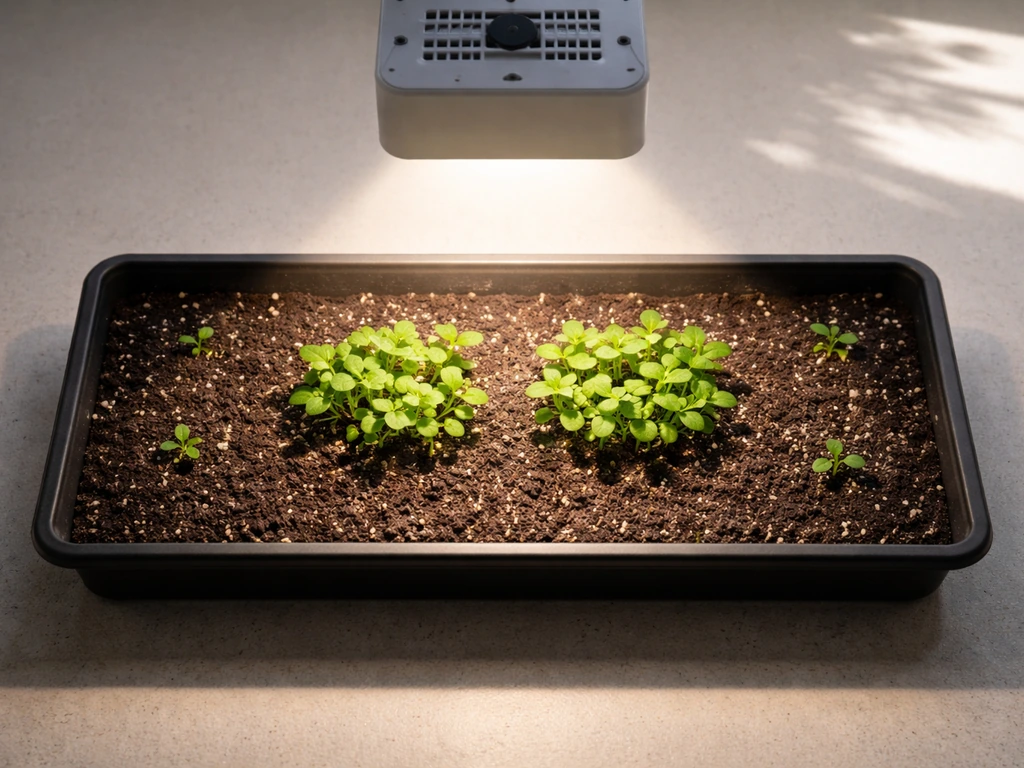
In practice, the 24W Unifun covers roughly 2–4 square feet of usable growing area at intensities meaningful to plants. The listed 10.8–21.5 square foot range is the light's footprint at very low lux levels, not a number you should plan a grow around. For a 2x2 space with herbs, leafy greens, or seedlings, one 24W unit is workable. For anything larger or more light-hungry, you'd need multiples, and at that point the value case weakens considerably.
Where it does well: seedling germination, leafy herbs like basil and mint, lettuce, and low-light houseplants. The red/blue spectrum combination does drive vegetative growth reasonably well, and at close range (8–12 inches) the PPFD is sufficient for plants that don't demand high DLI (daily light integral). Users growing microgreens or propagating cuttings report decent results.
Where it falls short: anything that needs sustained high PPFD for flowering or fruiting. A horticulture lighting reference that discusses PPFD and plant response notes that adequate intensity is critical for flowering and fruiting, which aligns with why fixed-output bulbs struggle to sustain the light levels needed for a productive cycle sustained high PPFD for flowering or fruiting. Even the 45W model, which gets flagged in buyer guides as potentially too weak for blooming, isn't going to push tomatoes, peppers, or cannabis through a productive flower cycle on its own. If your goal is to get a fruiting plant through to harvest, you need more light than these bulbs can realistically deliver, even stacked.
Spectrum and grow stages: how to use it for veg vs bloom
The 9-red / 3-blue LED ratio on the 24W model is a traditional 'blurple' spectrum that was popular in early-generation LED grow lights. Red LEDs (typically around 660nm) drive photosynthesis efficiently, while blue LEDs (around 450nm) support compact vegetative structure. This combination is genuinely effective for vegetative growth and seedling stages. Plant production research literature also uses PPFD (µmol/m²/s) and related light metrics to explain how light intensity drives vegetative growth and seedling outcomes This combination is genuinely effective for vegetative growth and seedling stages..
For bloom, the story changes. Flowering plants benefit from a broader spectrum, including far-red wavelengths, and higher overall intensity. The Unifun's fixed spectrum and modest PPFD means it's not optimally set up for bloom. You can still flower some low-demand plants under it, but don't expect the kind of dense, resinous buds or heavy fruit set that comes from a full-cycle light with proper intensity. Think of it as a veg and propagation tool first, with limited bloom utility.
Practical tip: if you're using the Unifun for seedlings or early veg with the intention of moving plants to a more powerful light later, it actually fits that workflow well. Use it for the first 3–4 weeks when light demand is lower, then transition to a proper panel or quantum board for mid-to-late growth. That's an honest and effective use of what this light does well.
Heat, build quality, and long-term reliability
This is where things get honest in a less flattering way. User reports on the Unifun E27 models include at least one unit that was mostly nonfunctional after one year, with three out of four LEDs no longer illuminating. Another user reported a fan seizing and half the diodes failing after several months of use. These aren't isolated anecdotes from rough users; they're early-failure patterns that show up in lower-tier LED bulbs with marginal thermal management.
The 1-year warranty on all installed parts is a decent backstop if you're buying from a seller who actually honors it, but warranty claims on small imported LED products can be hit or miss depending on the retailer. If you're planning to run this light 14–18 hours a day for a full growing season, the heat cycling that creates from turning on and off daily is hard on budget LED diodes. The IP44 rating means it can handle some humidity, which is useful in a grow tent, but that rating doesn't tell you much about long-term thermal durability.
One more flag on the wattage issue: a forum report of the Unifun '500W' panel measuring around 176W actual draw is a significant red flag about how the brand markets power. A 2022 round-up page also flags a product-name collision risk for searches like “Unifun,” where results can include unrelated “Hay Matin Lamp” listings rather than the grow lights Unifun '500W' panel measuring around 176W actual draw.
Whenever you see a large watt number from a small brand, check the actual draw spec in the fine print. A 176W actual draw isn't a bad light, but it's not a 500W light, and the PPF output difference between 176W and 500W is enormous. With the E27 models, the 24W and 45W figures appear to be closer to actual draw (those numbers are plausible for the form factor), but keep this general skepticism in mind.
Value for money: what you're actually getting for the price
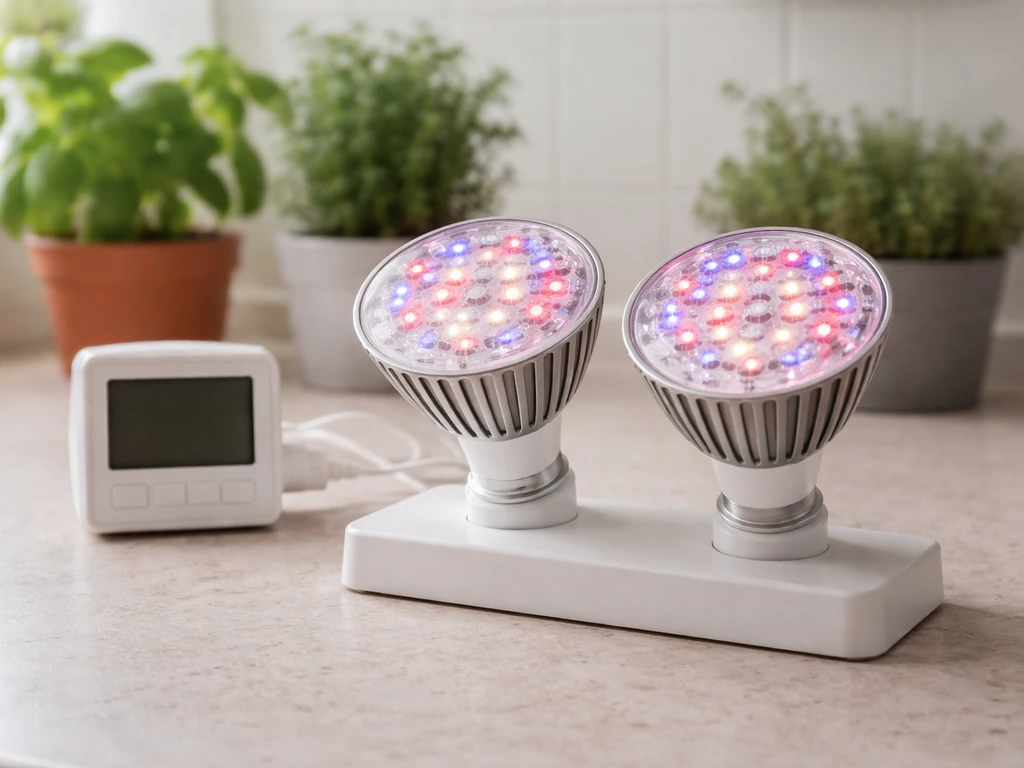
Unifun bulbs typically land in the $15–$35 range depending on wattage and retailer, which makes them feel low-risk. At that price point, if it works for 6–12 months on a herb shelf, most people would call it acceptable. The real value question is whether this is better than alternatives at a similar or slightly higher price.
| Light | Type | Actual Draw | PPFD (approx.) | Best For | Reliability Notes |
|---|---|---|---|---|---|
| Unifun 24W E27 | Screw bulb | ~24W | 265 µmol/m²/s | Herbs, seedlings, low-demand plants | Diode failures reported within 1 year |
| Unifun 45W E27 | Screw bulb | ~45W | Est. 400–450 µmol/m²/s | Veg, some low-demand flowering | May fall short for blooming; warranty 1 yr |
| Feit 19W LED Grow Bulb | Screw bulb | ~19W | Similar low range | Seedlings, herbs | Widely available, easy returns |
| Feit A19 Grow Light Bulb | Screw bulb | ~9–10W | Low intensity | Supplemental/ambient only | Very accessible, limited output |
| Dedicated quantum board (45–65W) | Panel/bar | 45–65W actual | 600–900+ µmol/m²/s | Veg through bloom, 2x2 coverage | Significantly better long-term value |
Compared to other screw-base grow bulbs like the Feit 19W or the Feit A19 grow light, the Unifun 24W gives you more raw output. If you specifically want a broader comparison of screw-in bulb power and results, the Feit 19W grow light review is a related option worth checking. But if you're willing to spend even $40–$60 more, you can get into proper small panel or bar-style lights from brands with longer track records and better build quality.
The cost-per-useful-output math doesn't favor budget screw bulbs once you factor in the realistic lifespan. If a Unifun diode array fails at 10 months, you haven't saved money compared to a $55 Fecida or FSGTek panel that runs two to three years. If you're comparing screw-in bulbs to a panel option, you may also want to read a FSGTek grow light review to see how the performance stacks up for longer cycles.
If you want to compare how another budget option performs over longer runs, check the Fecida 600W LED grow light review.
Who should buy the Unifun grow light (and who shouldn't)
Buy it if you're growing herbs, leafy greens, or seedlings on a shelf or windowsill extension, you have a very small footprint (1–3 plants in pots), you already have lamp sockets in place and want zero installation effort, and you're treating it as a short-term or supplemental light rather than a primary long-cycle grow light. It's also reasonable as a cheap propagation light if you're just trying to keep cuttings alive and roots developing before moving them under something better.
Skip it if you're growing anything that flowers or fruits, you need coverage for more than about 3–4 square feet, you're planning a continuous grow where the light needs to run reliably for 12–18 months, or you're comparing it against a proper LED panel and trying to decide which is the better investment. In any of those cases, spend a bit more and get a purpose-built panel or bar light from a brand with consistent build quality.
Next steps before you buy
- Measure your actual grow space in square feet. If it's under 3 sq ft, the 24W Unifun is viable. If it's 4+ sq ft, consider 2 units or look at a dedicated panel.
- Identify your plant stage and type. Seedlings and herbs: Unifun can work. Flowering or fruiting plants: look elsewhere.
- Check the retailer's return policy before purchasing, not just the warranty. Small brand warranties are only as good as the seller's willingness to process a claim.
- If you want a screw-base option with a more reliable track record, compare the Feit grow light lineup, which is more widely distributed with easier returns.
- If you're ready to step up to a proper panel and your budget is $50–$80, look at options from Fecida, FSGTek, or similar brands that offer genuine full-spectrum output and better build consistency for the same or slightly higher price.
- If your grow space is a 2x2 tent or larger, skip bulb-style lights entirely and go straight to a panel or quantum board rated for that footprint.
The Unifun grow light isn't a bad product in its correct context. If you want a quick, buyer-friendly overview, check out the feit grow light review for how it compares on performance, coverage, and value. A $20 screw-in bulb that keeps your herb shelf alive through winter is doing its job. The problem is when expectations exceed what the specs and build quality can realistically deliver. Know what you're getting, match it to your actual setup, and you won't be disappointed. If your needs are bigger than what this light can handle, it's better to know that before you buy than after your plants stall out.
FAQ
How high should I hang or place the Unifun bulb above my plants for best results?
Use a close working distance, about 8 to 12 inches for meaningful PPFD. If you move it farther away to cover more area, results often drop quickly because the light is not strong enough to maintain useful intensity across a wide footprint.
Can I run multiple Unifun bulbs together over one larger area?
You can, but only to a point. For a 2x2 area you may need one 24W bulb, for larger spaces you typically need multiple units, and overlapping shadows can reduce uniformity. Plan for more bulbs rather than expecting one to scale to a 3x3 tent.
Is the 45W model actually noticeably better for seedlings and herbs than the 24W?
Expect improvement, mainly in usable area and how close you can keep the plants. However, because both are fixed-spectrum, the real limitation is not just wattage, it is ceiling-level output and intensity uniformity, so you still should not rely on either for full-cycle flowering or heavy fruiting.
Does the lack of a dimmer or timer mean I should change my plant schedule manually?
Yes, you will need to use a separate plug-in timer at the outlet if you want consistent daily hours. Also, since these bulbs are not dimmable, changes in plant response are handled by repositioning the light, not by reducing intensity.
What’s the safest way to use the IP44 rating in a grow tent or near humidity?
Treat IP44 as splash resistance, not a guarantee for wet conditions. Keep the bulb and socket protected from direct spray and standing condensation, and avoid submerging the fixture or letting water pool at the base.
Will the Unifun work for flowering if I add more bulbs or stack them?
Stacking can help brightness, but it will not fix the fixed red and blue spectrum, and it still struggles to deliver sustained high PPFD needed for dense blooms or fruit set. If your goal is flowers or fruit harvest, a purpose-built full-spectrum panel with higher output is the better path.
Is the “500W” listing something I should ignore completely?
Don’t assume the printed watt number matches real power draw. When you see large marketing wattage on small brands, check the actual input draw in the product details or listing specs, because the actual performance can be closer to a mid-range bulb rather than a high-power panel.
What heat and reliability steps can I take to reduce LED failures?
Avoid operating in extreme heat, ensure the bulb is not enclosed in a poorly ventilated fixture, and do not run it in a way that traps heat around the socket. If possible, use it for supplemental or shorter early cycles rather than continuous 18-hour runs for months on end.
How long should I realistically expect it to last if I use it daily?
Budget screw bulbs can be okay for a partial cycle, but user reports include early LED failures, sometimes within a year. If you plan long sessions across a full season, treat lifespan as uncertain and consider a panel for better odds of multi-year operation.
What’s the best use case if I’m starting seedlings indoors and plan to move them later?
That workflow matches the bulb well. Use it during early veg and propagation for the first few weeks, then transition to a stronger, properly sized grow light for mid to late growth when light demand increases.
Can I use the Unifun bulb outdoors, for example on a patio greenhouse?
Typically no, unless the outdoor setup keeps it well protected from rain and wet contact. Even with IP44, outdoor exposure adds risks, especially at the socket and power connection, so prioritize weather-rated fixtures designed for outdoor use.
How do I decide between the Unifun bulb and a small LED panel for my budget?
If your goal is a short-term shelf or propagation light, the Unifun can make sense for installation simplicity. If you need consistent multi-month reliability over a larger footprint, compare total cost against a panel’s ability to cover your space without requiring many extra bulbs.