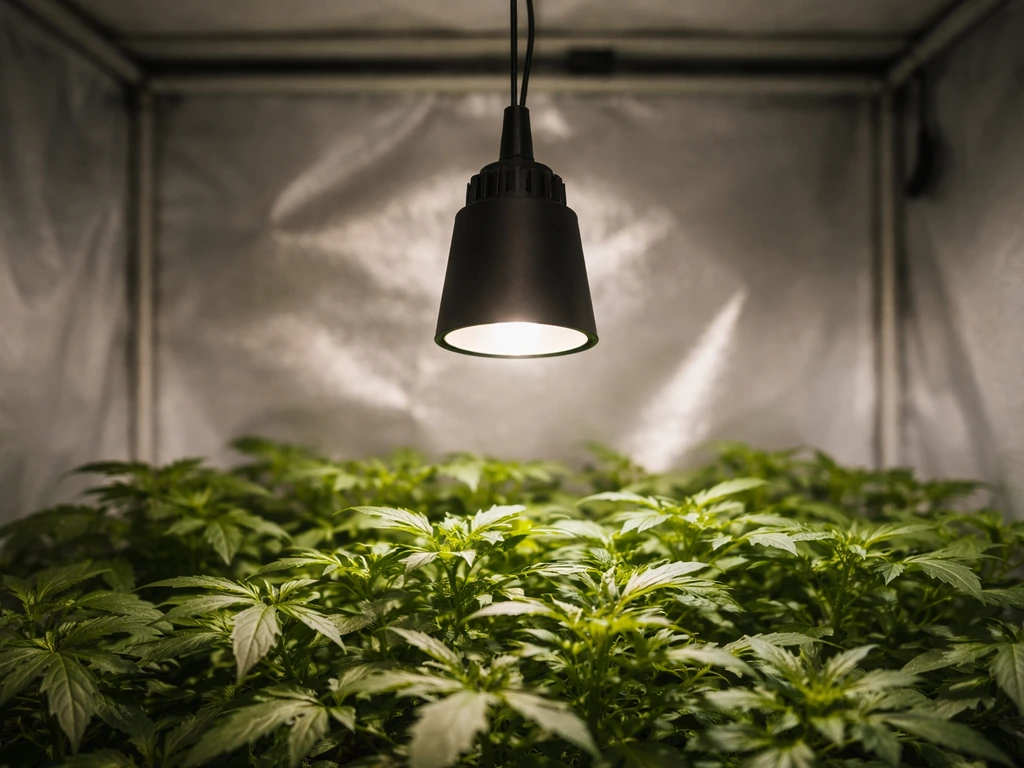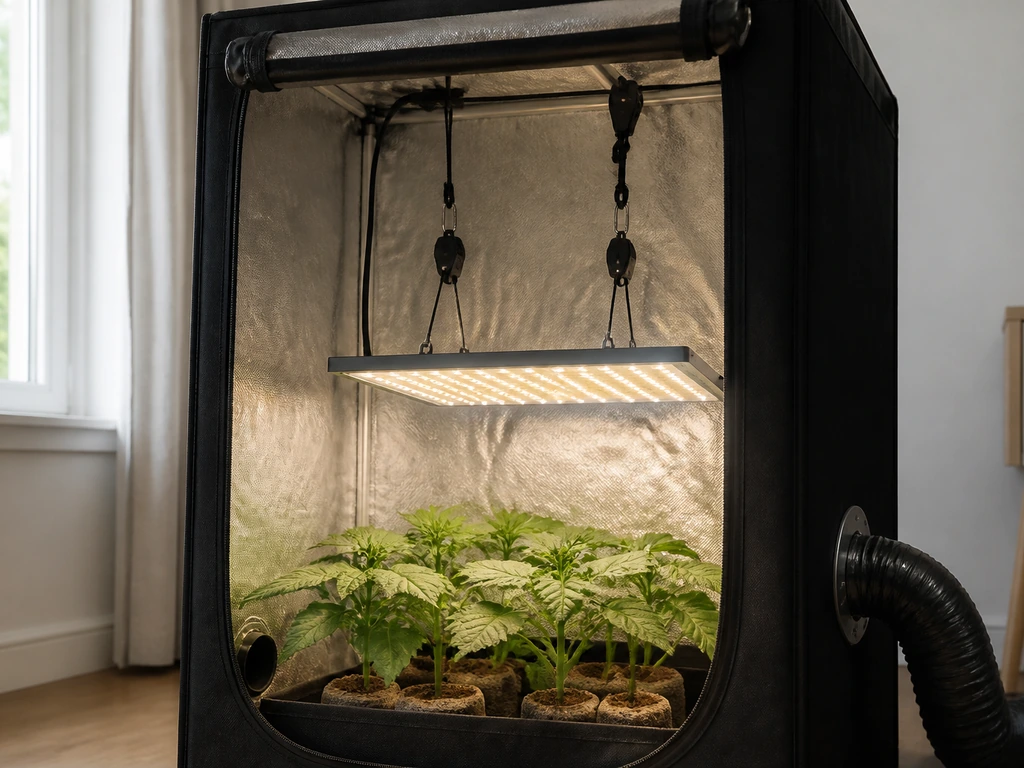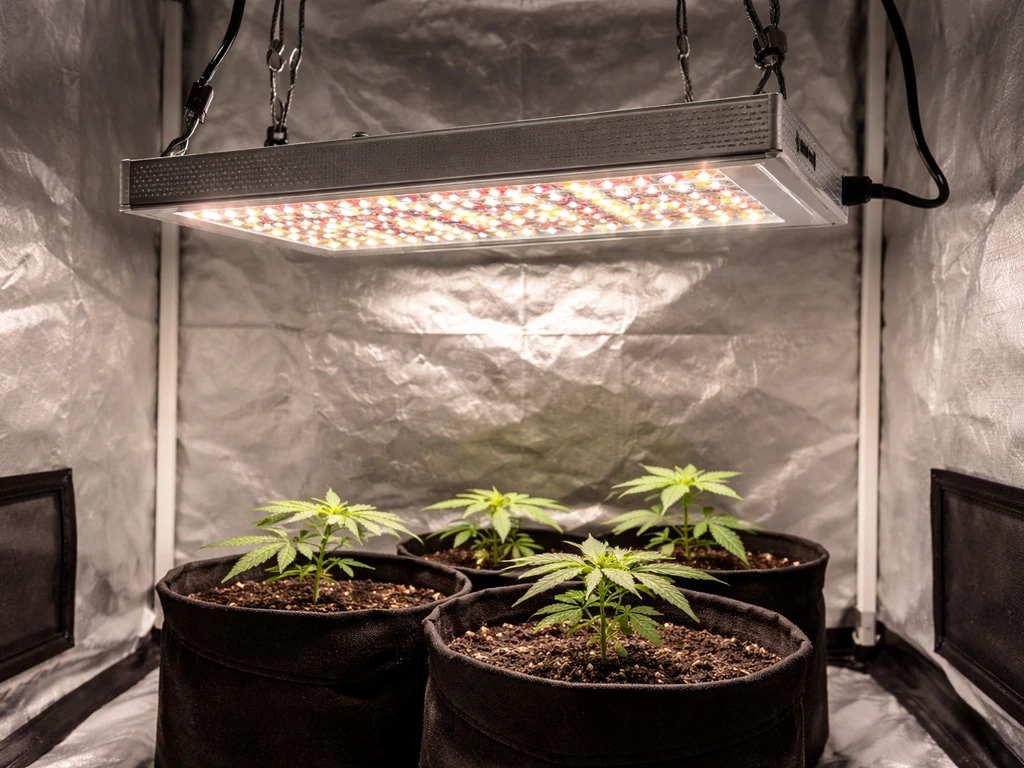
AC Infinity makes solid LED grow lights, and the IONBOARD series is genuinely worth considering in 2026. But "AC Infinity grow light" can mean a 115W board for a 2x2 tent or a 430W fixture for a 4x4 space, and those are very different buying decisions. This review covers all four main IONBOARD sizes, gives you honest performance data on each, and tells you clearly who should buy one and who should keep looking.
AC Infinity Grow Light Review: Models, Results, and Value

Marcus Caldwell
6 Apr 2026
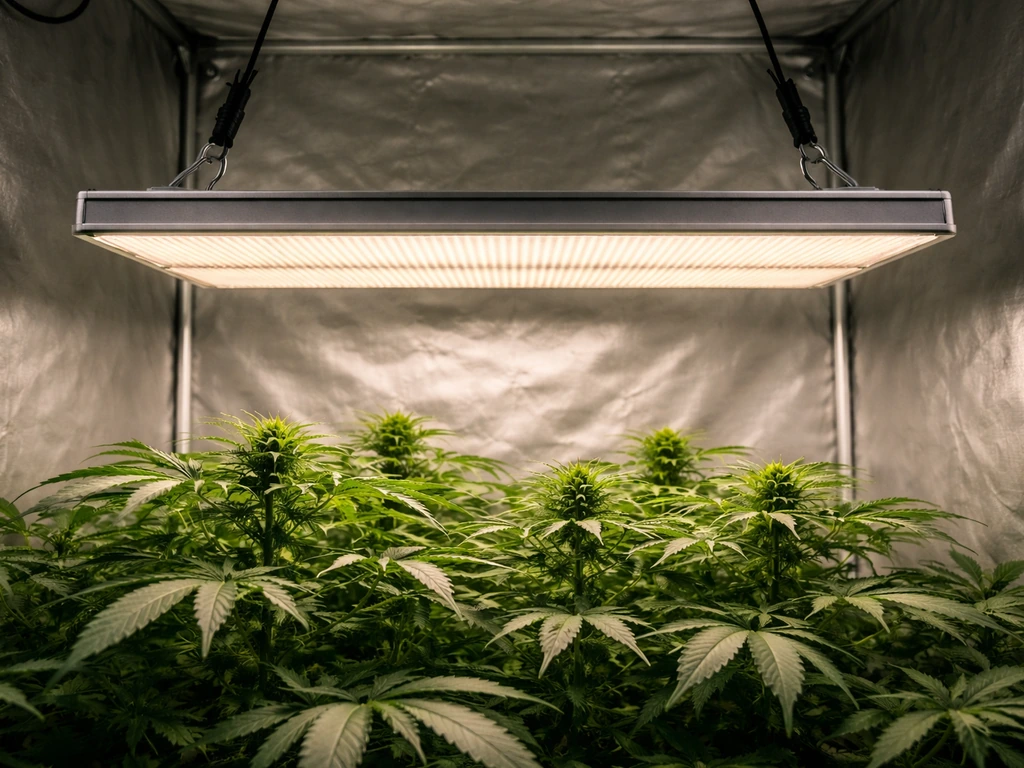
Which AC Infinity models this covers
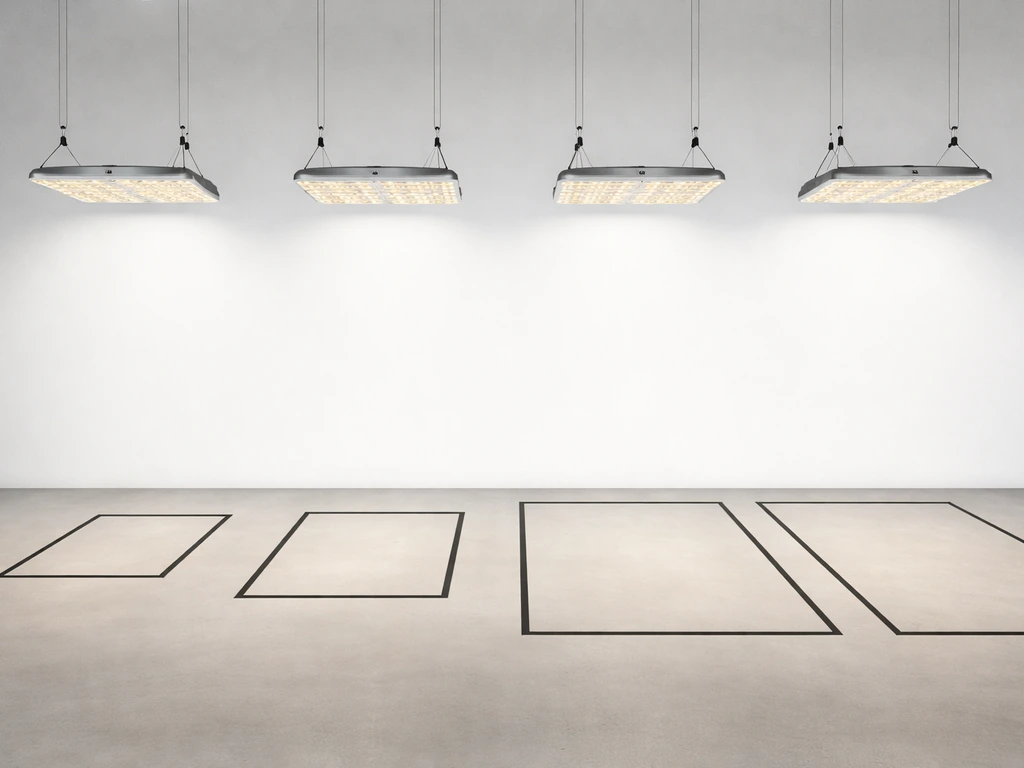
The AC Infinity IONBOARD lineup currently runs four core models sized to standard tent footprints. Here's a quick reference before we get into the details:
| Model | Wattage | Coverage Footprint | Primary Use Case |
|---|---|---|---|
| IONBOARD S22 | 115W | 2x2 ft | Small tent, solo plant, seedling/veg focus |
| IONBOARD S24 | 220W | 2x4 ft | Rectangular tent, multi-plant veg/flower |
| IONBOARD S33 | 260W | 3x3 ft | Mid-size tent, full cycle grows |
| IONBOARD S44 | 430W | 4x4 ft | Larger tent, serious flowering production |
All four sit within the same product family and share the same spectrum philosophy, diode platform, and UIS smart-controller ecosystem. The differences are wattage, footprint, and how much PPFD headroom you have at canopy level. I'll reference specific model numbers throughout so you're never guessing which size I'm talking about.
Spectrum and core specs: what's actually inside
Every IONBOARD model runs a full-spectrum mix built around 3000K and 6500K white LEDs, supplemented by 660nm red and 730nm far-red diodes. The 3000K warm whites push energy into the red/orange range plants use heavily during flowering, while 6500K cool whites fill in the blue end for vegetative growth and photosynthetic efficiency. The 660nm adds a targeted red boost for chlorophyll absorption peaks, and 730nm far-red triggers the Emerson enhancement effect, which basically increases the efficiency of the 660nm light when both are present simultaneously. That's a well-rounded recipe, and it's the same approach you see on reputable commercial boards.
The S22 uses Samsung LM301H diodes, which are a proven, efficient bin-grade choice. AC Infinity lists peak PPFD at 1098 µmol/m²/s for the 115W S22 and 1726 µmol/m²/s for the 220W S24. Those peak numbers are measured at close range at the center point, so real-world canopy averages across the full footprint will be lower. That's normal and expected with any board light. The S33 (260W) and S44 (430W) scale up intensity accordingly. At 430W, the S44 has enough headroom to push serious flowering intensity across a 4x4 without needing to supplement.
Build quality, cooling, and controls
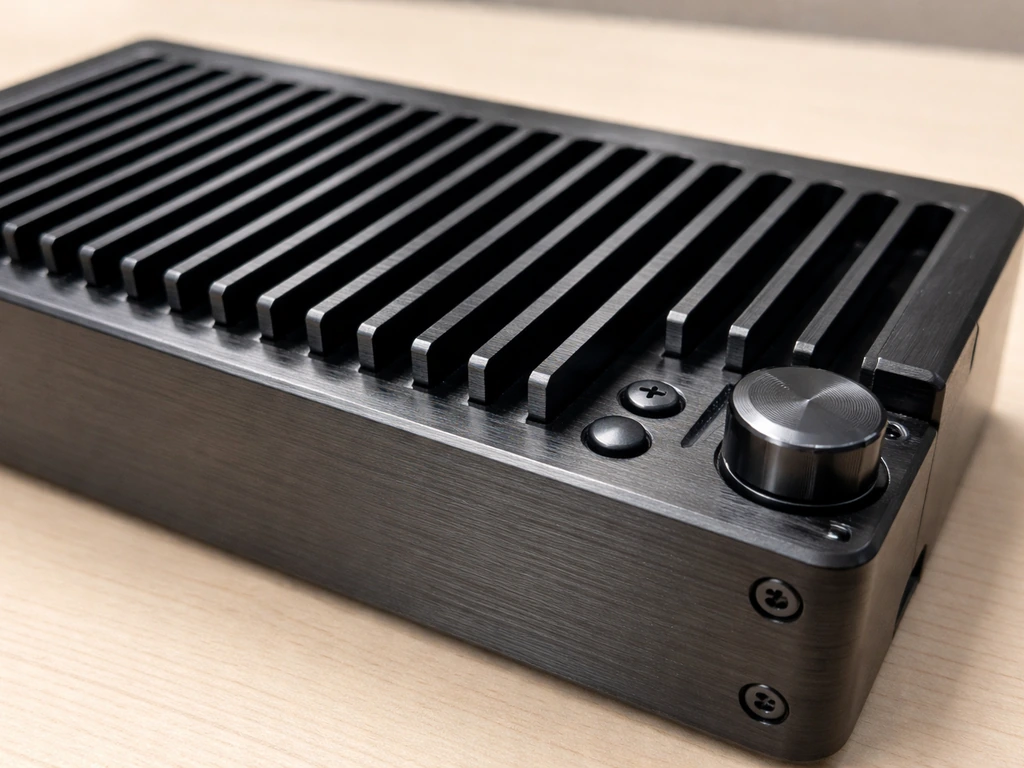
The IONBOARD frames are black anodized aluminum, which serves two purposes: it looks professional and it acts as a passive heatsink. There are no fans. AC Infinity calls this "no-noise heat dissipation," and the thermal design genuinely works at the wattages these boards run. Fanless operation is a real advantage for grow tents because it keeps ambient noise down and removes a failure point. The tradeoff is that passive cooling demands adequate airflow in the grow space, so make sure your tent ventilation is handling the heat load from the room, not relying on the fixture itself.
Diode spacing is described as algorithmically optimized to reduce hot spots and widen the spread. In practice, the boards produce reasonably uniform light distribution across their rated footprint, though the edges of any fixed-size board will always see some falloff. The construction feels sturdy without being heavy. Hanging hardware is included and straightforward.
Dimming and smart control
This is one area where AC Infinity differentiates itself. Every IONBOARD has a manual dimming knob that steps intensity in 20% increments from 0 to 100%. Turning the knob to the UIS position either shuts the light off or hands control over to a connected smart controller. AC Infinity’s integration notes also explain how its UIS/platform behavior works, including limitations on adapter-based power and control when using third-party lights [hands control over to a connected smart controller](https://acinfinity.
com/pages/ac-infinity-ecosystem/controlling-other-brands-lights. html). That means you can automate dimming schedules, tie the light into your environment controller, and run ramp-up/ramp-down curves if your controller supports it. The S24 uses AC Infinity's IB-200 LED driver with a digital dimming timer included.
The S33 and S44 are also fully integrated into the UIS ecosystem. If you're already running AC Infinity fans and a controller in your tent, having the light on the same platform is genuinely convenient.
Real-world performance: coverage, intensity, and grow results
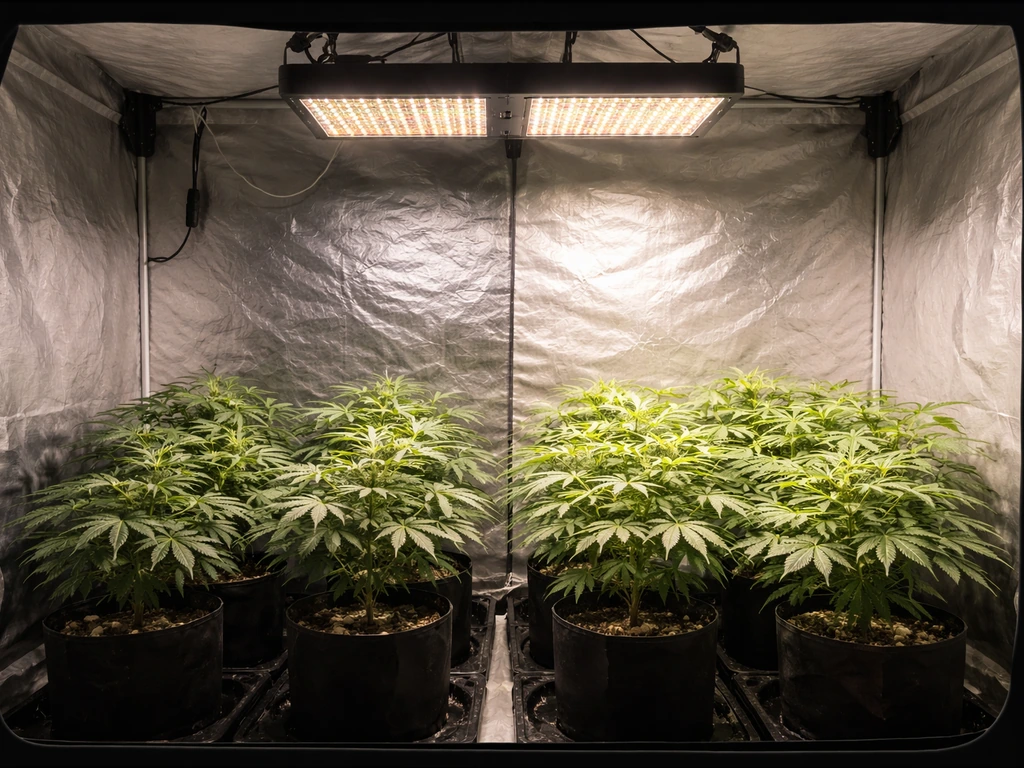
Coverage claims on LED specs sheets almost always reflect ideal conditions. Here's how the IONBOARD series holds up when you put those numbers against actual grow use. The S22 at 115W is appropriate for a single-plant 2x2 if you're running it at full power during flower. At 80% or below, it's comfortable for veg and stretchy seedlings, but you won't push high-stress training plants to explosive flowering with dimmed-down output in a 2x2. Run it at 100% for flower and keep your canopy within the rated footprint.
The S24's 220W for a 2x4 is more comfortable territory. At full power you're hitting respectable PPFD levels at the canopy, and the rectangular form factor matches standard 2x4 tent geometry well. The S33 at 260W for a 3x3 is a sweet spot for growers who want a square footprint without jumping to the S44's power draw. The S44 at 430W is the one to choose if you're doing a full 4x4 flower run and want to avoid supplementing with a second fixture. All models benefit from dialing the intensity up gradually as plants mature rather than blasting seedlings at full power from day one.
What plant stage is each model best suited for
AC Infinity's own manual gives you a useful starting point here. Their stage guide recommends keeping all models at roughly 1.5 feet above the canopy across all growth stages, adjusting intensity instead of height. Suggested intensity levels are 40% for seedlings, 80% for vegetative growth, and 100% for flowering. That's conservative guidance, which is smart. Seedlings and young clones are light-sensitive, and running any board at full power 18 inches above day-old seedlings is a fast way to stress them.
For seedlings, the S22 or S33 dimmed to 40% is plenty. If you're starting seeds under the S44, dim it down significantly and raise the fixture or you'll get bleaching. Vegetative growth responds well to the 6500K component in the spectrum mix, and the IONBOARD handles veg effectively at 80% across all four models. Flowering is where the 660nm and 730nm diodes earn their place. The far-red 730nm in particular helps stretch the effective use of your red-peak light, and you'll see that payoff in bud density if the rest of your environment (CO2, VPD, nutrients) is dialed in.
Setup, height, and mistakes to avoid
Hanging is simple. The ratchet hangers included with IONBOARD models let you adjust height without tools. Follow the 1.5-foot starting recommendation, but treat it as a baseline and adjust based on what your plants are actually showing you. Upward stretching with pale new growth usually means the light is too far or too dim. Tight internodes and slightly tacoed (curling up at the edges) leaves suggest the light is too close or too intense.
The most common mistake I see with board lights like these is running them at full power too early in the grow cycle. Start at 40-50% for the first two weeks regardless of plant stage. The second common mistake is placing the board off-center in the tent and then wondering why one side of the canopy outperforms the other. These boards have a defined coverage footprint, and centering them matters. Finally, if you're using the UIS controller integration, make sure your scheduling is set correctly before lights-out on day one. Forgetting to set the photoperiod and accidentally running 24 hours of light on photoperiod-sensitive plants is an avoidable problem.
How AC Infinity stacks up against the competition
The IONBOARD series competes in a crowded mid-tier market where Samsung diodes, full-spectrum boards, and passive cooling have all become table stakes. The AC Infinity advantage is the UIS ecosystem integration and solid build quality at reasonable price points. If you want a premium bar-style LED with higher raw efficiency ratings and more sophisticated optics, you'll pay significantly more from brands like Fluence or HLG.
If you're looking at budget options, it's worth reading a hyper tough grow light review to understand what trade-offs come with lower price points before assuming cheaper means comparable performance. For a budget-friendly alternative and a direct comparison point, you can also check the hyper tough grow light review to see what you gain or lose versus the UIS-integrated IONBOARD approach.
For a different take on smart-integrated LED boards with premium diode choices, soltech grow light review covers a brand that prioritizes aesthetic design and targeted spectrum for specific plant types, which may suit certain hobbyists differently. If you're evaluating commercial-leaning options with strong horticultural science behind their spectrum choices, an illumitex led grow light review is worth reading before finalizing your decision. AC Infinity sits between these worlds: more feature-rich than true budget lights, more accessible than commercial-tier fixtures.
For shoppers comparing simple plug-and-play fixtures without ecosystem integration, checking out utilitech grow light reviews gives a clear picture of what a bare-bones approach looks like at lower costs. And if you're specifically deciding between compact strip-style or small-form-factor lights for a tight space, a hyper tough 24 inch grow light review shows how much you're giving up in controllability and spectrum depth by going that route.
Side-by-side comparison at similar wattage
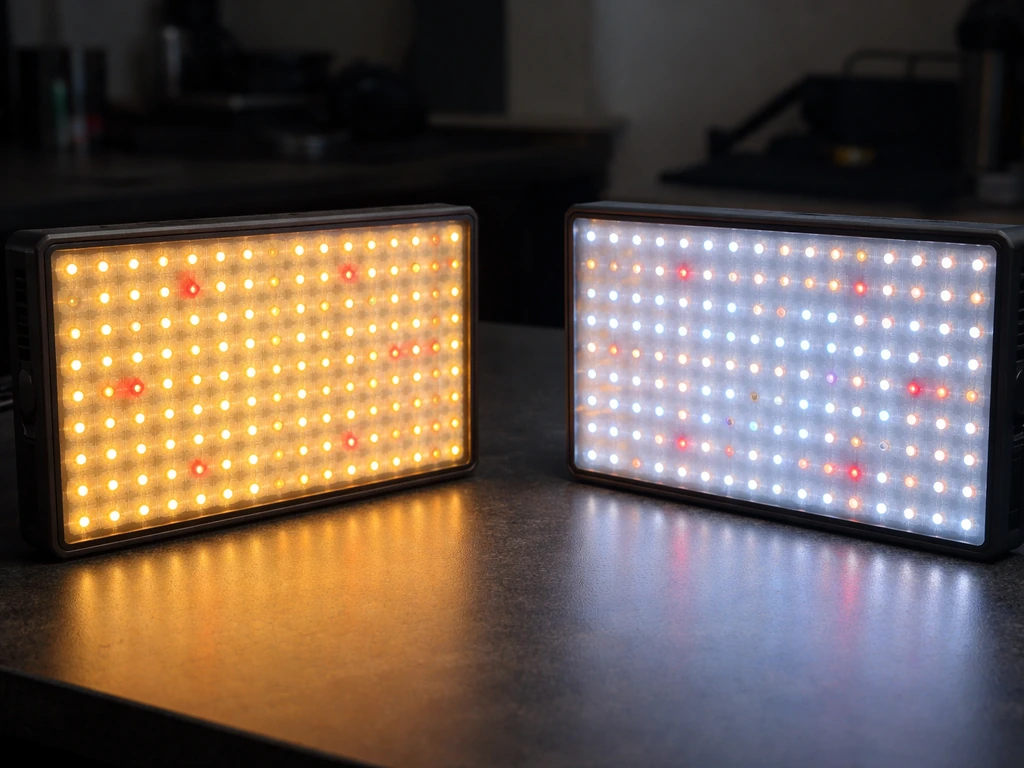
| Feature | AC Infinity IONBOARD S33 (260W) | Comparable Mid-Tier Competitor |
|---|---|---|
| Diode platform | Samsung LM301H | Varies (LM301B or LM301H common) |
| Spectrum | 3000K + 6500K + 660nm + 730nm | Similar mix common in category |
| Cooling | Passive aluminum frame, fanless | Passive or low-noise fan |
| Smart control | UIS ecosystem, app/controller integration | Rare at this price tier |
| Coverage | 3x3 ft rated | Typically 3x3 ft rated |
| Dimming | 20% increments via knob + UIS | Analog knob only (usually) |
| Value | Mid-tier pricing, strong feature set | Lower price, fewer controls |
Should you buy an AC Infinity IONBOARD? Here's who it's right for
Buy an IONBOARD if you're running a standard-size tent (2x2 up to 4x4), you want fanless operation, and you either already use AC Infinity's UIS ecosystem or plan to. The dimming control and smart-controller compatibility give you room to grow your automation setup without buying a new fixture. The Samsung LM301H diodes are a proven platform, and the spectrum mix handles full-cycle grows without needing supplemental lighting.
Skip it if you need the absolute highest efficiency ratings available (look at HLG or Gavita commercial fixtures instead), if you're on a tight budget and the smart features aren't useful to you (cheaper boards will save you money), or if your grow space is an odd size that doesn't map cleanly to the 2x2, 2x4, 3x3, or 4x4 footprints. Also skip the S22 if you're planning to flower high-demand plants in a 2x2 at full intensity for months; the 115W ceiling is workable but not generous.
For most hobbyist indoor gardeners in 2026, the IONBOARD S33 or S44 offer the best combination of real-world capability, ecosystem integration, and honest build quality at their price points. Start with the model that matches your tent size, run conservative intensity levels for the first few weeks, and you'll have a fixture that performs reliably through many grow cycles.
FAQ
Can I run an AC Infinity IONBOARD at very low dimming levels for seedlings and clones without risking stretching or bleaching?
Yes, the boards are capable of dimming from the physical knob, but “0%” is effectively off and the safest approach is still to start low and ramp. If you use UIS automation, confirm the dimming curve is set to your intended photoperiod so you never combine an aggressive intensity ramp with a wrong schedule.
How sensitive is canopy performance to placing the IONBOARD slightly off-center in the tent?
Light spill matters most when you need strict tent control. Because the fixtures are bar-style boards with a defined footprint, centering reduces edge intensity drop, but any wall or reflective surface can increase effective exposure. If you have light leaks or a mostly non-reflective tent, plan to raise intensity slightly rather than raising the fixture too much.
If the PPFD specs are peak numbers, what’s the best way to confirm coverage in my actual tent?
Measure at canopy with a PAR meter if possible, because the stated peak PPFD values are center-point and idealized. If you cannot measure, treat the 1.5 foot guideline as a starting point, then adjust using plant response, spacing, and leaf color instead of assuming the full rated output is uniform across every square inch.
What happens to temperature and performance if my tent ventilation is not strong enough for a fanless light?
If your grow space airflow is marginal, passive cooling can become your limiting factor. Use your tent exhaust and room HVAC to handle the heat load, then monitor temperature near the fixture and inside the tent. If temps climb unusually fast during a full-intensity run, improve ventilation before increasing wattage.
Can I leave the IONBOARD at high intensity for the entire grow cycle, or do I need to change settings during different phases?
For most growers, “longer than flowering” is less about the spectrum and more about whether your intensity is appropriate as plants mature. The key is progressive dimming and keeping canopy within the rated footprint. If you notice leaf clawing, very dark foliage, or tip burn, back off intensity rather than extending the same settings blindly through the entire cycle.
What’s the most common UIS scheduling mistake that causes problems, and how do I prevent it?
For photoperiod-sensitive plants, scheduling mistakes can cause real setbacks. With UIS integration, double-check both the photoperiod and any ramp or dimming schedule triggers, and verify the lights do not stay on during the “off” window after controller configuration changes.
Is the S22 actually enough for a 2x2 if I grow larger plants or use high-stress training?
Don’t assume “less wattage equals easier” in a small tent. A 2x2 run on the S22 can work well if you commit to proper canopy size and keep intensity where it belongs for flowering. If your plant is large or you plan heavy training, the effective canopy area increases, and you may outgrow the fixture’s headroom.
How much do I need to adjust CO2 and VPD to get the most benefit from the IONBOARD spectrum in flower?
Yes, but watch the combination of spectrum and environment. The 730 nm far-red component helps with the efficiency of the red range, yet bud density still depends on CO2, VPD, and nutrients. If your environment is inconsistent, you might interpret “good light” as “not as strong results,” even when the fixture is functioning correctly.
If I use two smaller IONBOARDs instead of one larger model, will coverage and results be better or worse?
You can, but the tradeoff is distribution and control. A single board centered in the tent simplifies uniformity, while multiple fixtures require careful spacing and dimming balance so you do not create two high-intensity zones. If you do combine fixtures, measure at multiple canopy points and synchronize dimming schedules through UIS if you have it.
What plant signs should tell me whether to adjust height versus dimming when results look off?
Start by using the stage-based baseline the article mentions (seedlings around 40%, veg around 80%, flowering around 100%) and then refine. Look for upward stretching and pale new growth for “too dim or too high,” and for tacoing or overly dark leaves for “too close or too intense,” then adjust one variable at a time, height first, then intensity.