Alibaba LED grow lights are not a brand. That's the first thing to get straight before you spend any time reading reviews. Alibaba is a marketplace hosting hundreds of manufacturers and wholesalers, each listing their own fixtures under their own specs, certifications, and quality controls. When you search "Alibaba LED grow light review," you're not looking up one product, you're trying to evaluate an entire ecosystem of imports that can range from genuinely solid quantum board fixtures to poorly binned, fire-risk junk with fake certifications. This guide will help you tell the difference and decide whether the price gap over a branded light is actually worth the risk.
Alibaba LED Grow Light Review: Specs, Performance, and Best Picks

Marcus Caldwell
14 Apr 2026
What Alibaba LED grow lights actually are (and why reviews are all over the place)
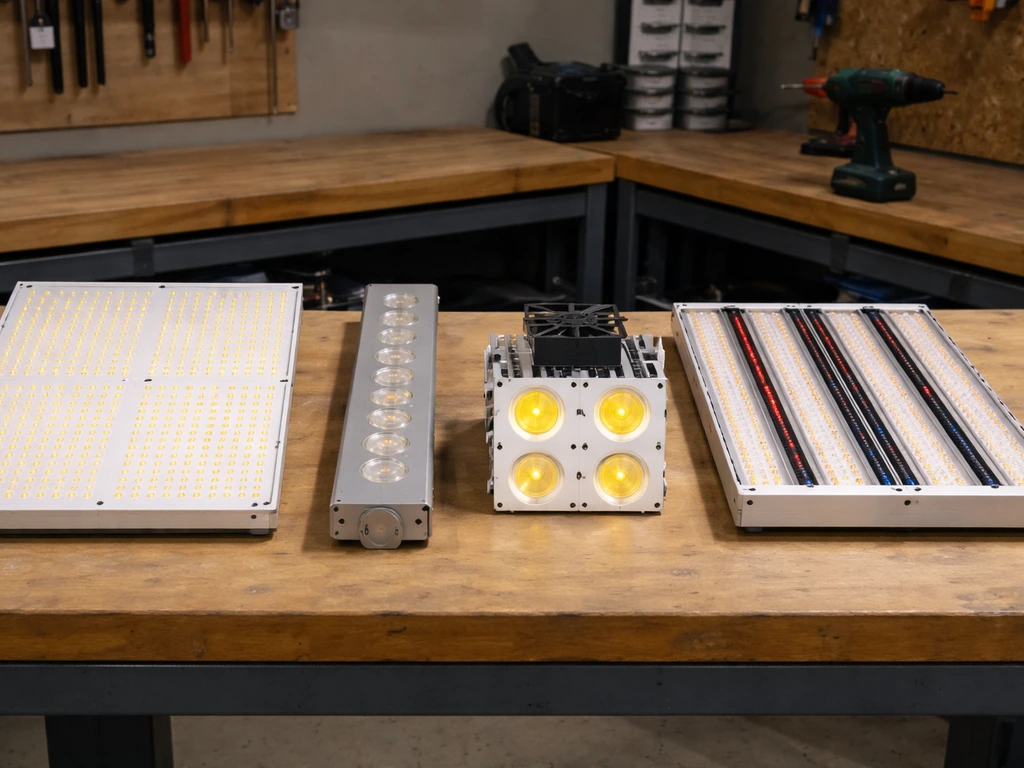
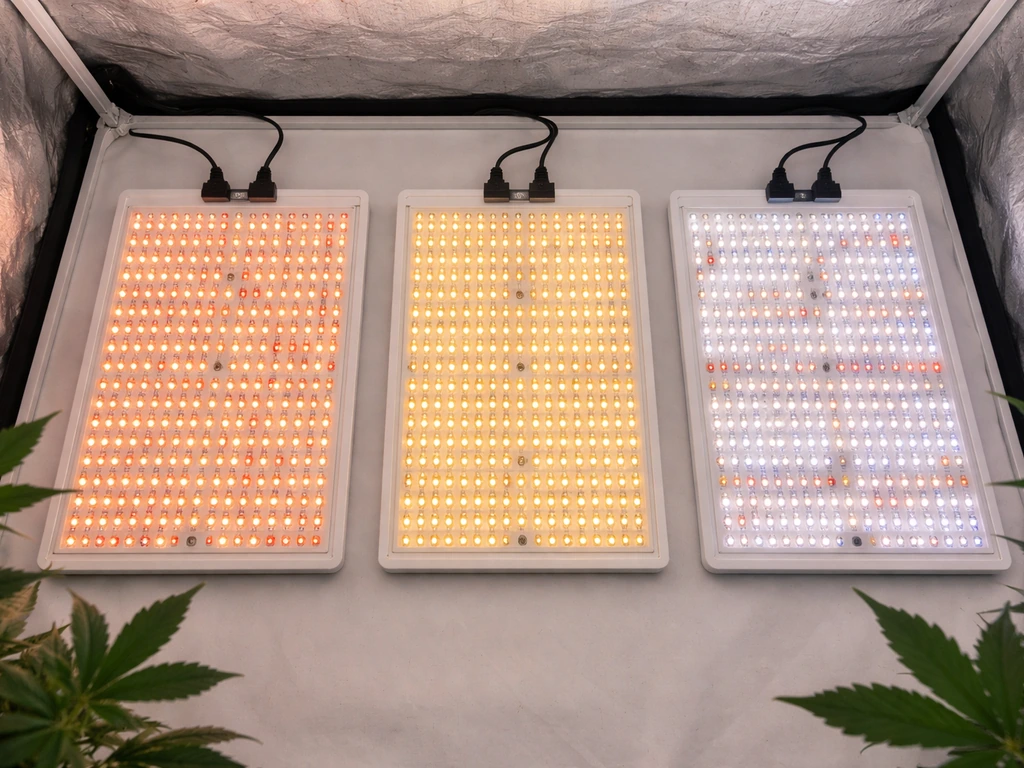
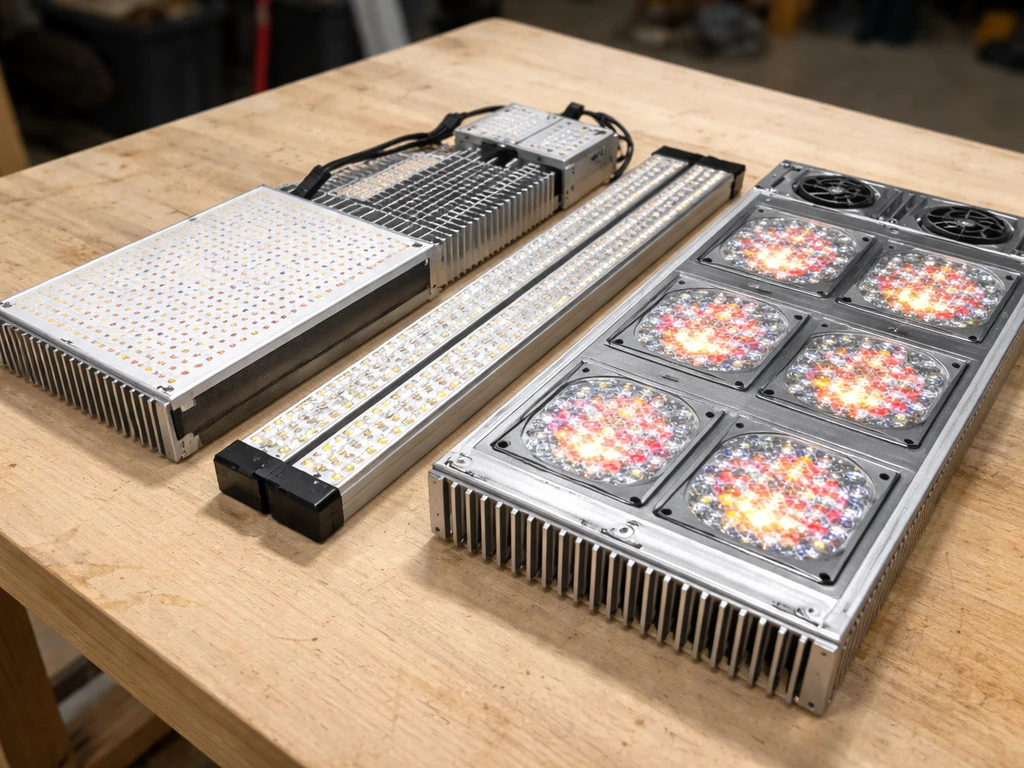
Alibaba's grow light category includes quantum board panels, bar-style fixtures, COB arrays, and hybrid "full spectrum" designs. Many listings reference popular diode brands like Samsung LM301H to signal quality, but the actual assembly, driver quality, thermal management, and binning consistency vary wildly from seller to seller. Some listings are direct from competent OEM manufacturers who also supply well-known US brands. Others are assemblers buying whatever chips are cheapest that week. Because Alibaba is structured as a B2B sourcing platform, many "category pages" are platform-level aggregations rather than single-brand product pages, so there's no universal spec standard tying any two listings together.
This is the core reason reviews differ so dramatically. One buyer gets a legitimately efficient fixture at a fraction of the retail price. Another buyer gets a "600W full-spectrum" light that measures far lower than expected output and delivers severe hotspots across the canopy. Both reviews are honest. They just received completely different products from different sellers operating under the same marketplace umbrella. If you're also considering lights sourced through AliExpress, the same variability applies, and many of the same sellers operate on both platforms.
Choosing the right spectrum and wattage for your plants
The most common mistake when shopping Alibaba grow lights is leading with wattage. Wattage tells you how much electricity the fixture draws, not how much usable light actually reaches your plants. The metric you want is PPFD (Photosynthetic Photon Flux Density), measured in micromoles per square meter per second (µmol/m²/s). Your target PPFD depends almost entirely on what you're growing and what growth stage you're in.
| Growth Stage / Crop Type | Target PPFD (µmol/m²/s) | Notes |
|---|---|---|
| Seedlings / Cuttings | 100–300 | Too much intensity causes stress; err low |
| Leafy greens / Herbs | 100–300 | Low-light crops; higher PPFD wastes energy |
| Vegetative growth | 400–600 | Most houseplants and cannabis veg fall here |
| Flowering / Fruiting | 600–900 | Higher CO2 environments can push past 900 |
Spectrum matters, but don't get misled by vague "full spectrum" claims. A listing that says "full spectrum" has told you almost nothing. What you actually want is the spectral power distribution (SPD) graph, which shows the relative output at each wavelength. Most productive grow fixtures for general indoor use will emphasize blue (around 450nm) for vegetative growth and red (around 660nm) for flowering. White-light quantum boards that blend multiple phosphor wavelengths are generally more versatile and easier to verify than fixtures that just stack colored LEDs and call it a day. If an Alibaba seller can't provide an SPD graph on request, that's a red flag.
On wattage: Alibaba's own selection guidance (buried in their product-insights pages) explicitly states that a lower-watt fixture can outperform a higher-watt one if it's thermally managed and spectrally optimized. A fixture advertised as "1000W" that actually draws 100W from the wall is a marketing watts listing, not an actual power figure. Always look for "actual draw" or "true wattage" in the specs, and treat any number without that clarification as approximate at best and misleading at worst.
How to evaluate a fixture before you buy (or after it arrives)
Brightness and PAR/PPF output
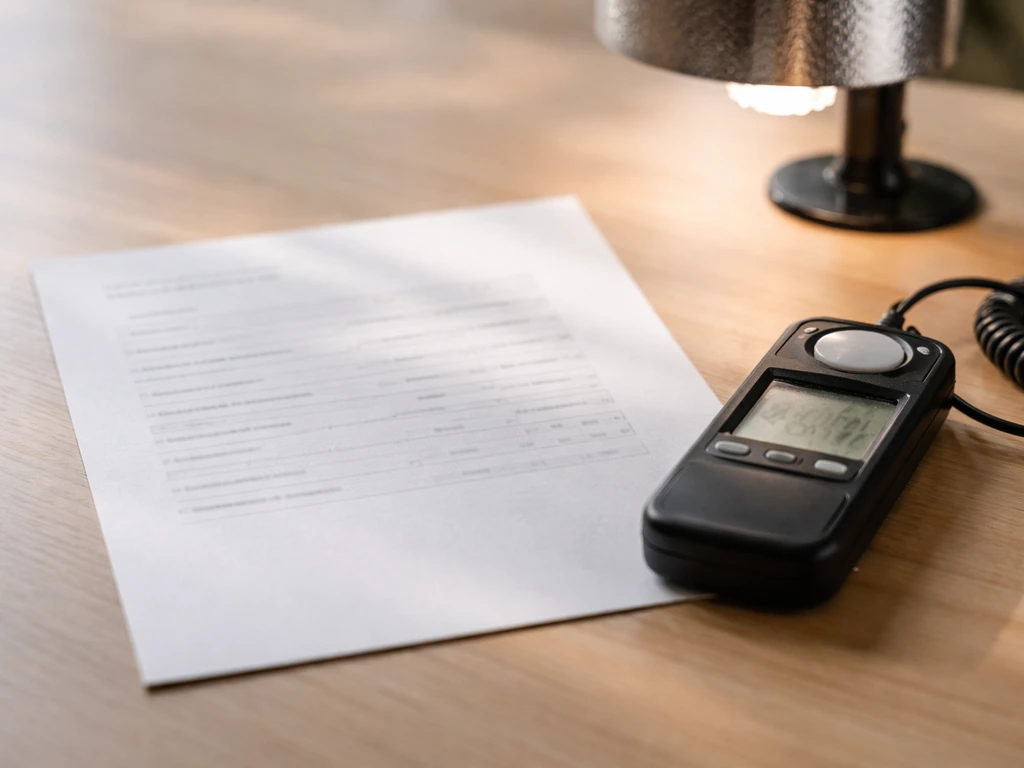
The number most worth chasing on any spec sheet is PPF (Photosynthetic Photon Flux), measured in µmol/s. This tells you the total photon output of the fixture. From PPF you can estimate PPFD at your canopy by factoring in mounting height, beam angle, and coverage area. If the listing doesn't publish PPF or a PPFD map at a stated height, you're flying blind. A handheld quantum sensor (Apogee's SQ-520 is a widely referenced option in horticultural lighting circles) is the most reliable way to map actual output once the fixture arrives. Map a grid at canopy height, take readings at multiple points, and average them, don't just measure the hot center.
One important note on meters: lux meters and foot-candle meters don't translate cleanly to PPFD because they weight the spectrum for human vision, not plant photosynthesis. A fixture heavy in green or yellow wavelengths will look brighter to a lux meter than it actually is for your plants. Use a PAR/quantum meter, or at minimum apply a conversion factor calibrated to your specific fixture's spectrum, which is rarely provided by Alibaba sellers.
Coverage uniformity
Coverage area claims on Alibaba listings almost always refer to maximum footprint, not optimal growing footprint. A "4x4 coverage" claim might mean the light throws some photons onto a 4x4 area, but the edges may receive a fraction of the center PPFD. Uniformity is best assessed by grid-mapping at canopy height, similar to how commercial growers plan installations. The goal is to keep PPFD variation across the canopy within a reasonable range (ideally within 20-30% of the average). If beam angle data is provided in the spec sheet, you can use online PAR calculators to estimate spread before purchasing; if it's missing, assume the footprint claim is optimistic.
Efficiency per watt
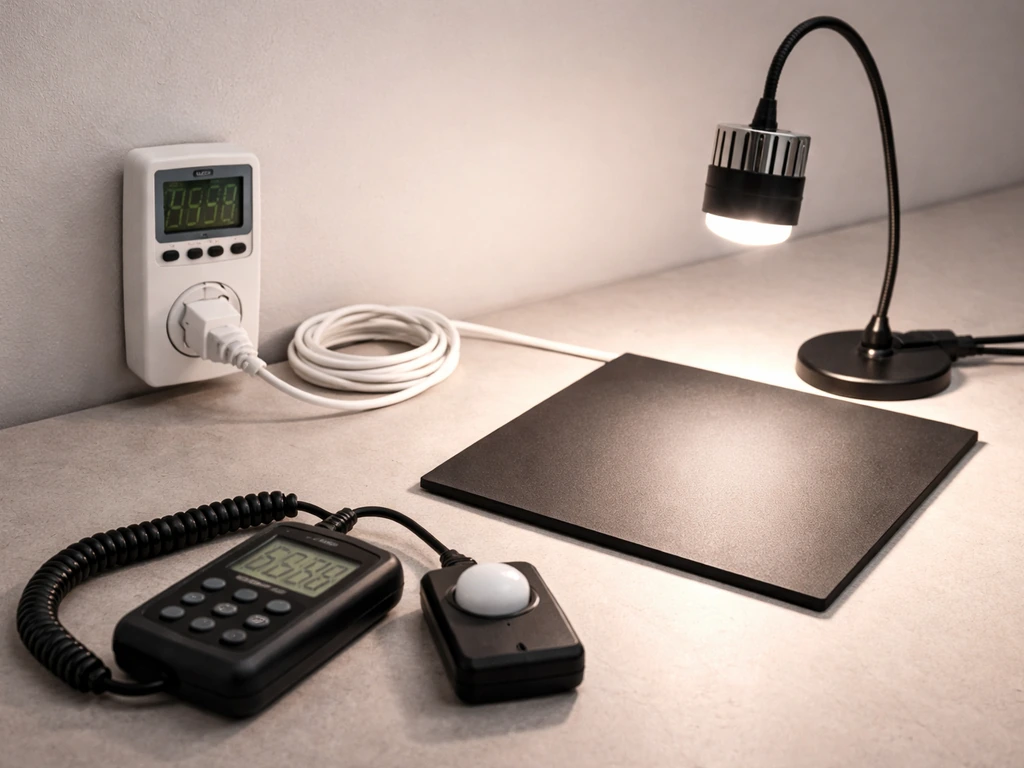
Photosynthetic Photon Efficacy (PPE), expressed in µmol/J, is the efficiency metric to look for. Quality mainstream fixtures in 2026 commonly hit 2.5–3.0+ µmol/J. Many budget Alibaba units land in the 1.5–2.2 range. Some don't publish this number at all. If a seller claims 3.0+ µmol/J but won't provide a test report or IES file, treat it skeptically. High-quality diodes and a good driver can get there, but so can fabricated spec sheets.
Build quality issues you'll actually run into with budget Alibaba LEDs
Driver quality is the most common failure point in budget Alibaba fixtures. Cheap drivers run hotter, have shorter lifespans, and often produce voltage fluctuations that stress the LED chips over time. Name-brand drivers like Meanwell are a legitimate selling point when verified, but some listings claim Meanwell and ship with no-name alternatives. Ask for the driver model number before ordering and cross-reference it.
Heat management is the next area to scrutinize. LED chips themselves don't fail as often as the thermal pathway around them does. Thin, poorly machined heatsinks or inadequate thermal paste will allow junction temperatures to rise, shortening chip life and reducing output over time. Bar-style fixtures generally handle heat better than dense panel designs at the same wattage because they spread the heat load across a larger surface. If a fixture runs hot to the touch within the first few hours of use at normal hanging height, that's a thermal design issue.
Dimming behavior on budget units is also inconsistent. Many Alibaba fixtures include a dimmer knob, but the actual dimming curve is often non-linear or cuts out at certain percentages. Some dimmers introduce flicker at lower settings, which doesn't affect plant growth directly but is worth knowing if you're running a mixed-use space. If dimming integration with controllers matters to you, verify compatibility before assuming it.
Safety certifications deserve their own paragraph because this is where the real risk sits. UL has publicly warned about blank" rel="noopener noreferrer">counterfeit UL marks appearing on LED products, noting that these marks mean the product was never evaluated to safety standards. Importing thousands of lamps with fake UL markings has resulted in federal prosecution in at least one documented US case. When you see "CE/UL/RoHS" listed on an Alibaba product page, that text alone is not verification. OSHA’s NRTL program is the U.S. framework for safety testing and certification for covered equipment, and OSHA publishes lists of NRTLs and their applicable standards and testing scopes blank" rel="noopener noreferrer">not verification. Ask for the actual certificate files and test reports. CE marking is self-declared in many product categories, ETL is a recognized third-party alternative to UL for the US market, and RoHS is a materials restriction standard, not a safety certification. Know the difference.
Which grow spaces work best with Alibaba lights (and which don't)
Small grow tents (2x2 to 3x3)
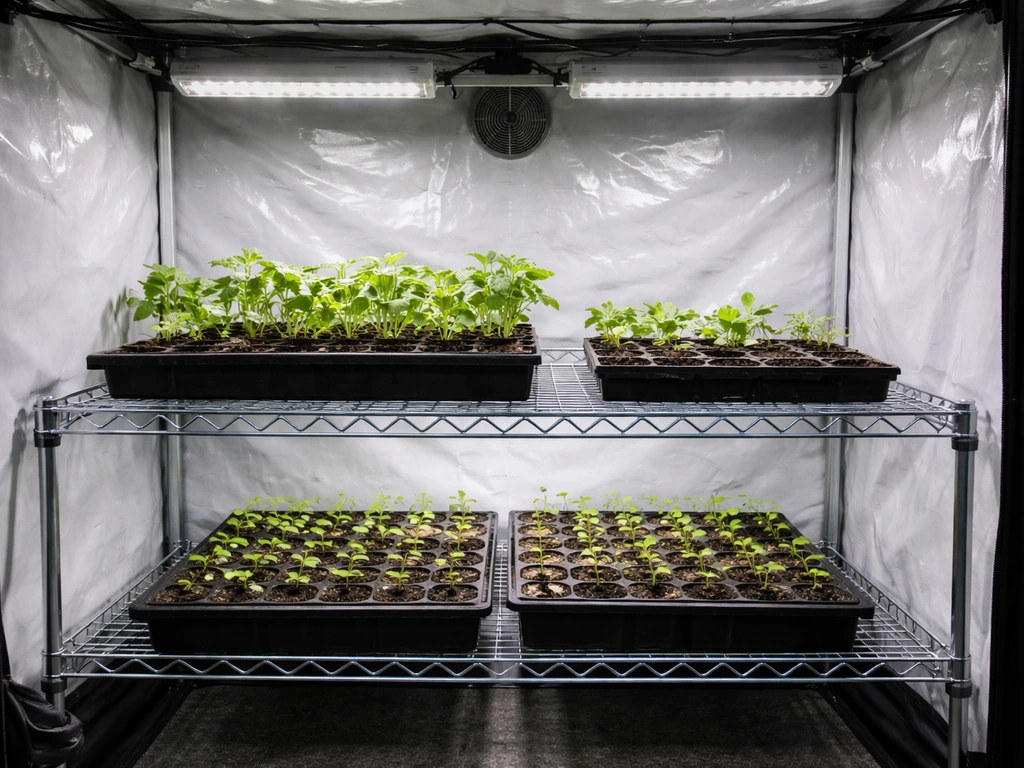
This is where budget Alibaba fixtures make the most sense. A 2x2 tent for seedlings or leafy greens needs modest PPFD (100–300 µmol/m²/s) and low actual wattage (50–120W true draw is often plenty). The financial and safety stakes are lower, you can test the fixture in a contained environment, and if the unit underperforms or fails, the loss is manageable. Quantum board panels in the 100–150W actual draw range are a reasonable starting point for a 2x2 veg or herb setup, assuming the seller provides verifiable output data.
Shelf and rack setups
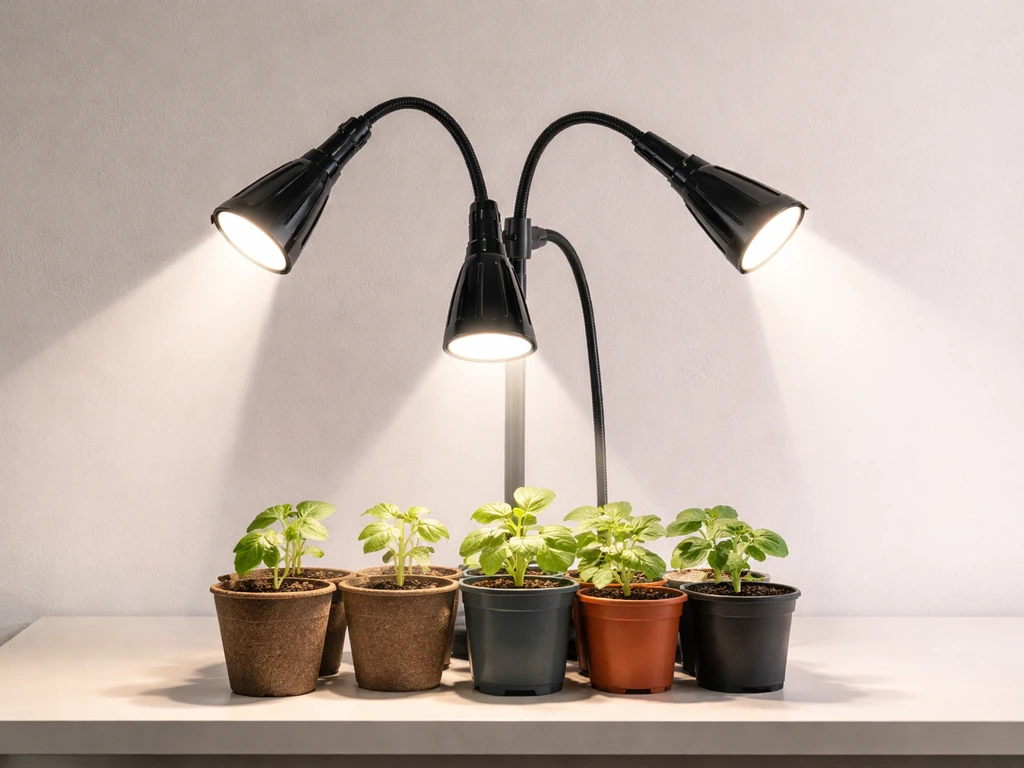
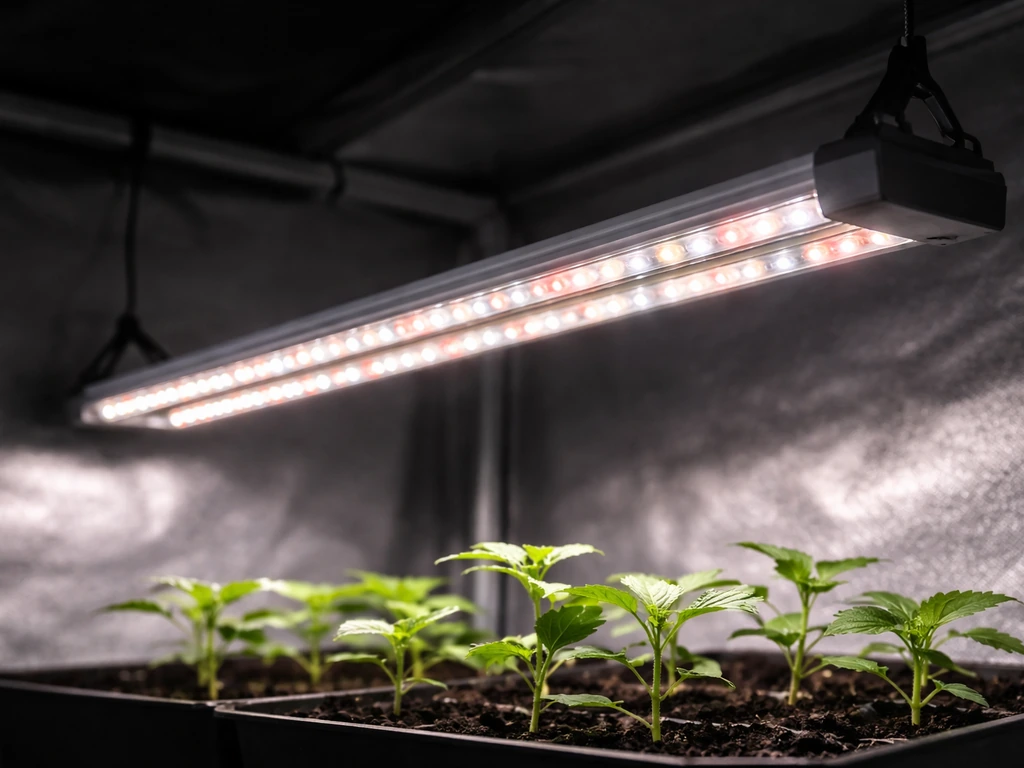
Shelf grows for microgreens, seedling propagation, or houseplant supplemental lighting are a solid match for budget bar-style or strip-style Alibaba LEDs. These applications need low to moderate PPFD, the mounting geometry is fixed, and you're not depending on the light as the sole variable in a high-value crop cycle. Just confirm the fixture's actual draw fits your shelf's electrical capacity and the heat profile is appropriate for the enclosed space.
Larger grows (4x4 and beyond)
This is where I'd hesitate to recommend rolling the dice on an unverified Alibaba fixture. A 4x4 flowering tent needs 600–900+ µmol/m²/s average PPFD, genuine 400–600W actual draw, and consistent coverage uniformity across the whole canopy. If a fixture underperforms by 20-30% or fails mid-cycle, the crop impact is significant. For larger spaces, either spend the time to rigorously vet a specific Alibaba manufacturer (request samples, get test reports, verify the driver specs), or put the budget toward a branded fixture with a documented track record. The savings on a larger fixture may not justify the risk compared to the cost of a failed grow cycle.
Alibaba vs. AliExpress vs. branded grow lights: an honest comparison
Alibaba is primarily B2B, meaning minimum order quantities apply on many listings, and you're dealing more directly with manufacturers. AliExpress is the retail arm of the same parent company, lower MOQs, but less opportunity for pre-order spec verification. Amazon grow lights sit in a different category: they include branded products, third-party imports, and some outright rebranded Alibaba stock, so you're still not guaranteed quality, but return policies are more consumer-friendly.
| Factor | Alibaba Imports | Known Branded Grow Lights |
|---|---|---|
| Price per watt (actual draw) | Often lower, sometimes significantly | Higher, but more predictable |
| Spec accuracy | Highly variable; marketing watts common | Generally verified by third parties |
| Safety certification | Often self-declared or unverified | UL/ETL certifications typically real |
| Warranty / returns | Complicated; usually factory warranty only | US-based support, clearer process |
| PPF/PPFD documentation | Frequently missing or inconsistent | Usually published; IES files available |
| Uniformity data | Rarely provided | Often included in product documentation |
| Long-term support | Depends heavily on seller relationship | Brand continuity and replacement parts |
For a closer look at how specific established brands measure up, the Aglex grow light review and Agrobrite grow lights review both cover fixtures with published output data and real-world coverage testing, which gives you a useful baseline for what documented performance looks like versus marketplace speculation.
The honest take: if you're a hobbyist with a small grow and patience for due diligence, a well-vetted Alibaba source can save you real money. If you're running a more serious setup, value crop reliability, or don't want to spend hours verifying specs and certifications, a branded fixture is the lower-risk path. The price gap between budget imports and mid-tier branded fixtures has also narrowed in recent years, which shifts the math further toward known brands for anything above a casual herb shelf.
If you want a comparison that digs into a different end of the market, the Ankace grow light review covers entry-level branded fixtures that often compete directly on price with Alibaba imports while offering more predictable quality control.
How to buy safely on Alibaba: a practical checklist
Before you place an order, treat vetting the seller as seriously as you'd treat vetting any other supplier. Here's the process that gives you the best odds of a good outcome.
- Request actual certification files, not just listing text. Ask for the CE test report, ETL certificate, or UL cert file. A legitimate supplier will have these documents. If they send you a photo of a sticker or tell you it's "included in the shipment," walk away.
- Get the actual draw wattage confirmed in writing. Ask: "What is the actual power consumption at the wall, measured in watts?" If the answer is vague or references 'equivalent watts,' that's your answer.
- Request a PPF rating and a PPFD map at a stated hanging height. If the seller can't provide this, ask for an IES file or a third-party photometric test report. A manufacturer confident in their product will have at least one of these.
- Ask for the driver brand and model number. Cross-reference it against the manufacturer's official product list. Meanwell publishes all their driver specs publicly; if the model number doesn't match anything in their catalog, something is wrong.
- Check seller trade history and response quality. Look for Alibaba's verified-supplier badges, years in operation, and transaction history. Read the negative reviews specifically — they reveal the pattern of problems, not just the worst-case outlier.
- Request a sample before placing a large order. For any purchase above a few hundred dollars, this is worth the extra cost. Run the fixture for at least 30 days, measure actual PPFD with a quantum meter, and check driver temperature under load.
- Screenshot everything before ordering. Product description, spec tables, certification claims, and your chat with the seller. If there's a dispute, Alibaba's trade assurance process requires documentation. If the listing changes after you order, you'll want the original.
- Understand the returns and warranty terms before committing. Most Alibaba sellers offer factory warranty (commonly 1–3 years), but return shipping to China on a defective fixture often costs more than the light itself. Negotiate for local repair or replacement-unit terms if you're ordering in volume.
One final note on specs you can verify yourself after delivery: mount the fixture at the claimed hanging height, set up a grid of at least 9 measurement points across your canopy area, and take PPFD readings with a quantum sensor. Average those readings and compare to the seller's claim. If you're seeing less than 70-80% of the advertised PPFD at center, the listing was misleading. Document it with photos and your meter readings. That's your evidence for any dispute, and it's the same process a credible reviewer would use to evaluate any fixture before recommending it.
FAQ
Can I buy an Alibaba LED grow light that has a dimmer and still rely on the PPFD numbers at different brightness levels?
Yes, but only if the listing provides verifiable output at your mounting height. Look for PPF plus beam angle or a stated mounting distance, then do your own PPFD grid test on arrival. If the seller only provides “coverage” marketing numbers, dimming can change uniformity, not just total intensity, so you may end up with weaker edges than expected.
What dimming method should I look for if I want to use an external grow light controller with an Alibaba fixture?
Typically, no. Most budget Alibaba fixtures lack a reliable way to maintain output stability under dimming, and some drivers can produce flicker or a shifted spectrum. If you plan to run a controller, ask the seller what dimming protocol the driver supports (0 to 10V, PWM, or resistive) and request confirmation of flicker performance if the seller has any test data.
Do I just match a PPFD target from another grower’s setup, or should I adjust for my specific grow space?
For many growers, it does not. PPFD targets depend on crop, growth stage, and canopy architecture, but also on whether you can correct for overlap and reflectivity. If you are growing in a tent with reflective walls, your effective PPFD can be higher than bare-room measurements, so calibrate using your own grid at the actual canopy height rather than copying someone else’s recommendation.
If the listing names good LED chips, does that guarantee the fixture will perform well, especially for long runs?
Ask for the driver model number, input voltage range, and the driver’s datasheet, then confirm the fixture’s actual wall draw at 100% and at any dimmed setting you plan to use. Even with a brand-name chip like LM301H, mismatched drivers can throttle performance or increase heat, which changes long-term output.
When two Alibaba lights claim the same wattage, what is the best way to decide which one will actually deliver more usable light?
Yes. For example, two lights with similar stated wattage can produce very different PPFD if one is underbinned, poorly binned, or has inefficient optics. A practical approach is to compare PPF (µmol/s) and PPE (µmol/J) first, then check whether they provide PPFD at a specified mounting height or enough data for you to model spread.
What should I ask the seller for to verify safety certifications, and what red flags mean “not actually tested”?
If the certificate is real, the seller should be able to provide the actual document files or the issuing organization details. Be cautious of screenshots that do not include a document ID, product model name, and test scope. For US market use, also confirm whether they have ETL instead of only CE claims.
Will an Alibaba grow light marketed for “universal voltage” perform correctly in my country’s power (for example 240V)?
Do not plan on it without evidence. Many Alibaba drivers can run in a wide input range, but some fixtures will not hold output at your voltage, and others may draw more current at 240V than expected. Confirm the fixture’s rated input range and ask for an “actual draw” test across the voltages you might use, then verify with a plug-in watt meter when it arrives.
Is it worth re-measuring PPFD after the fixture heats up, or is the first reading enough?
It can, especially in enclosed tents. Mounting height affects your PPFD, but so does how heat builds up around the driver and heatsink. If the fixture runs hot during your first few hours, the driver may derate later in the photoperiod, reducing output. After install, recheck at least center PPFD after the fixture warms up, not just immediately after turning it on.
I don’t own a quantum meter yet. Can I use a lux meter to estimate PPFD from an Alibaba light listing?
In most cases, you should not rely on a lux or foot-candle reading to set PPFD. Plant-relevant output depends on photon flux across the PAR wavelengths, not brightness to human eyes. If you do not have a quantum meter, ask the seller for PAR/PPFD maps or request a PPE and PPF-based calculation they can support, then still verify with a proper meter if you’re optimizing for a full-cycle crop.
How do I judge whether a “4x4” or “5x5” Alibaba light actually covers uniformly enough for flowering?
Coverage claims are usually optimistic about the edges, so evaluate uniformity with your grid test plan. Use at least 9 measurement points across the canopy, then compare how far the lowest points fall below the average. If the listing only gives a maximum footprint and no beam angle or PPFD map, treat edge performance as unknown until you measure.