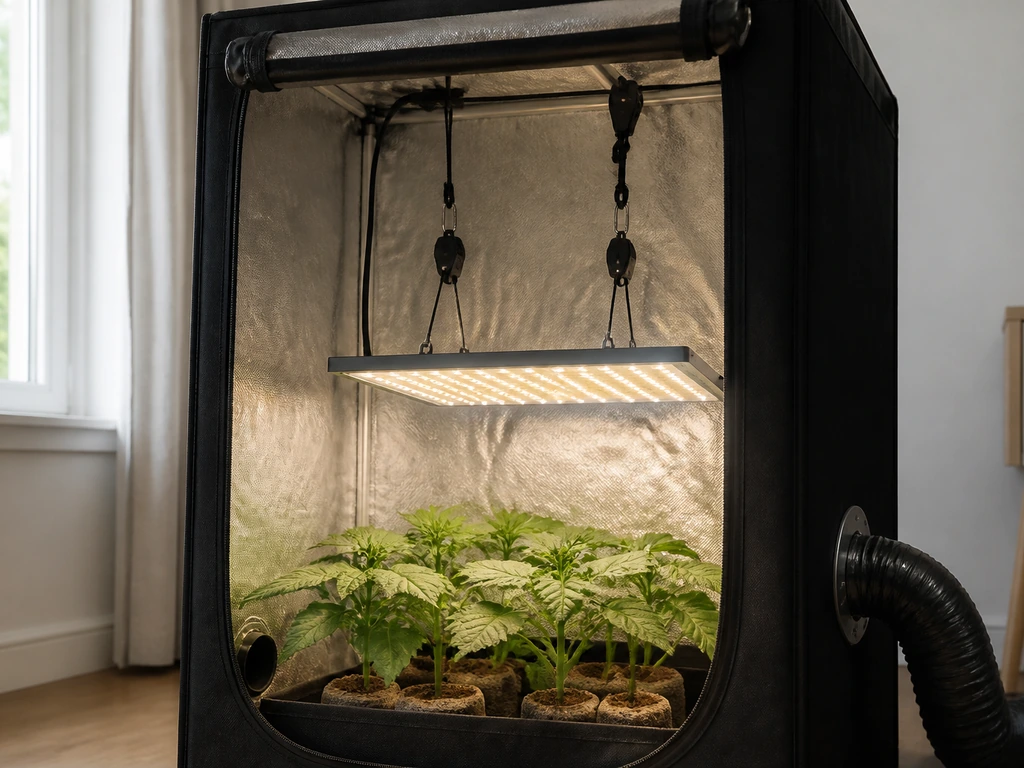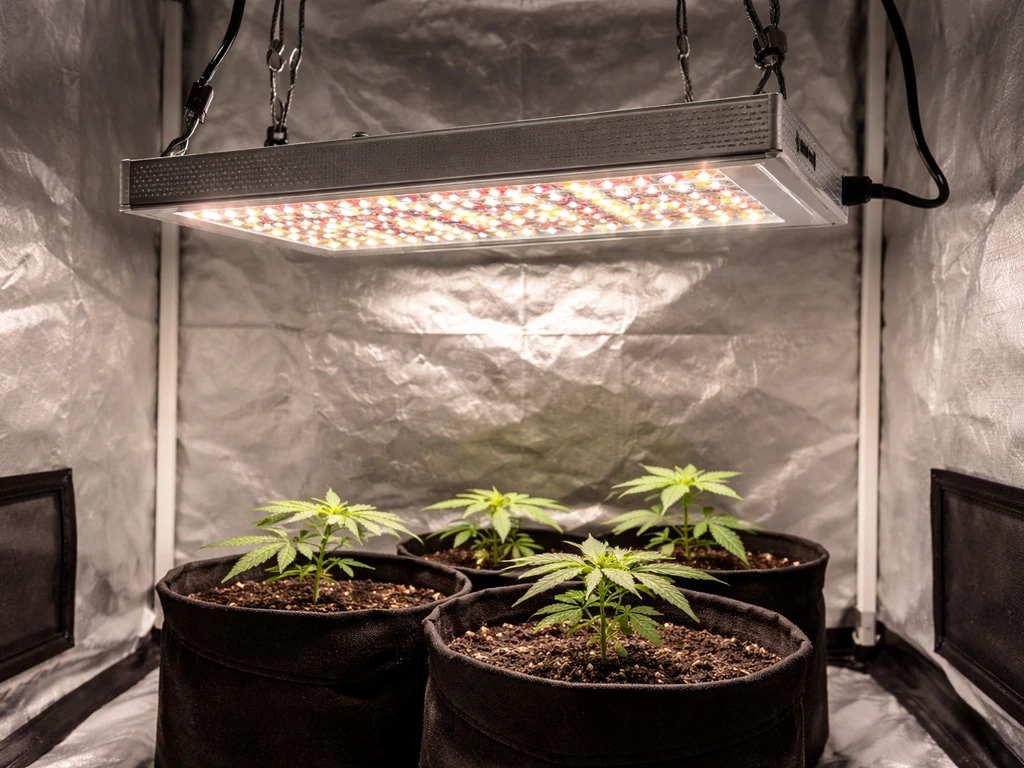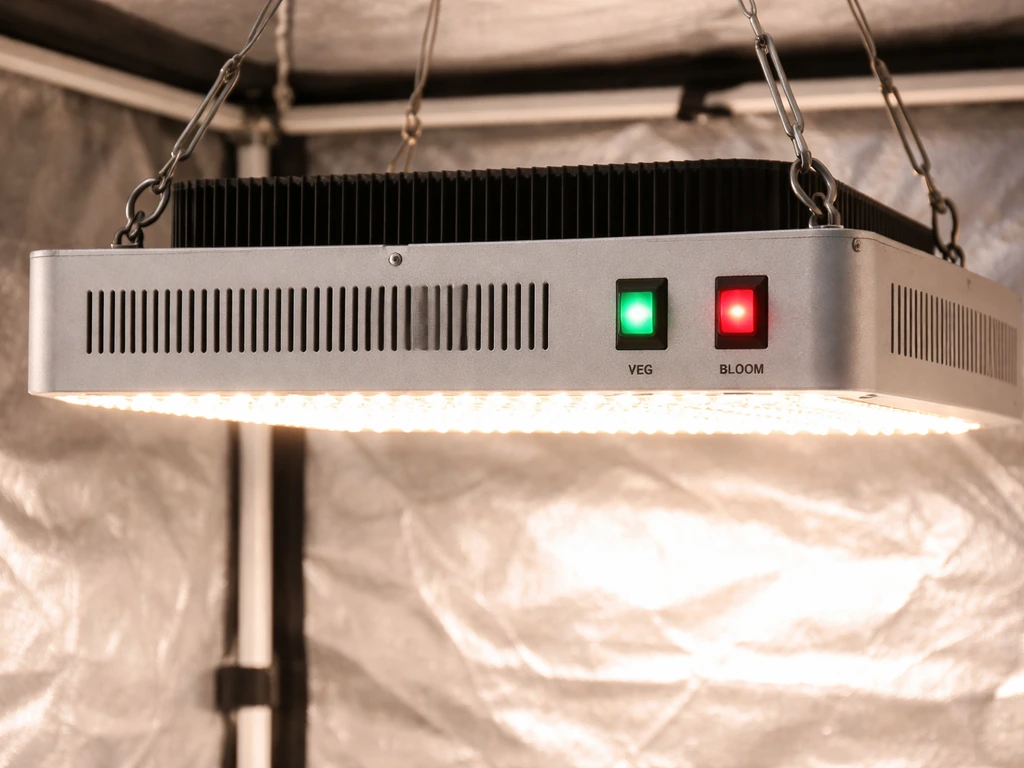
Spider Farmer makes solid LED grow lights. Not the cheapest, not the most cutting-edge, but consistently reliable performers that hit their coverage claims reasonably well and back everything with a five-year limited warranty. If you're shopping for a grow light and Spider Farmer keeps coming up in your research, the short answer is: yes, they're worth considering, especially if you want predictable results without chasing the latest spec-sheet numbers from a brand you've never heard of.
Spider Farmer Grow Light Review: Best Models for Any Space

Marcus Caldwell
3 Apr 2026
Quick take: which Spider Farmer grow lights are worth it
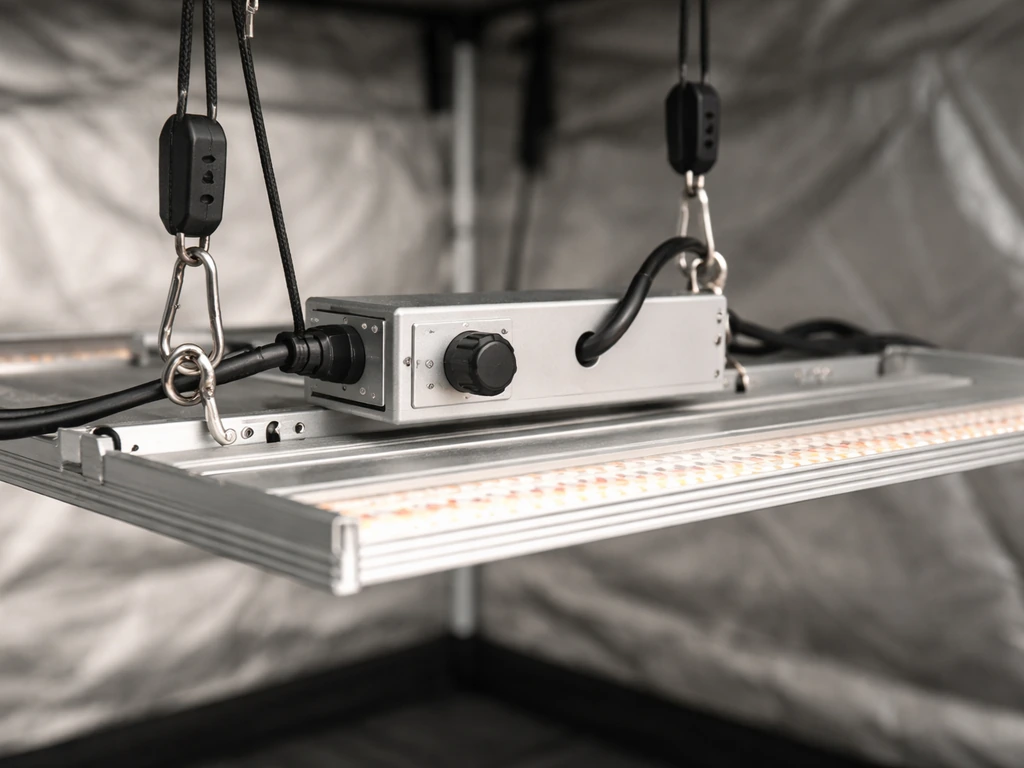
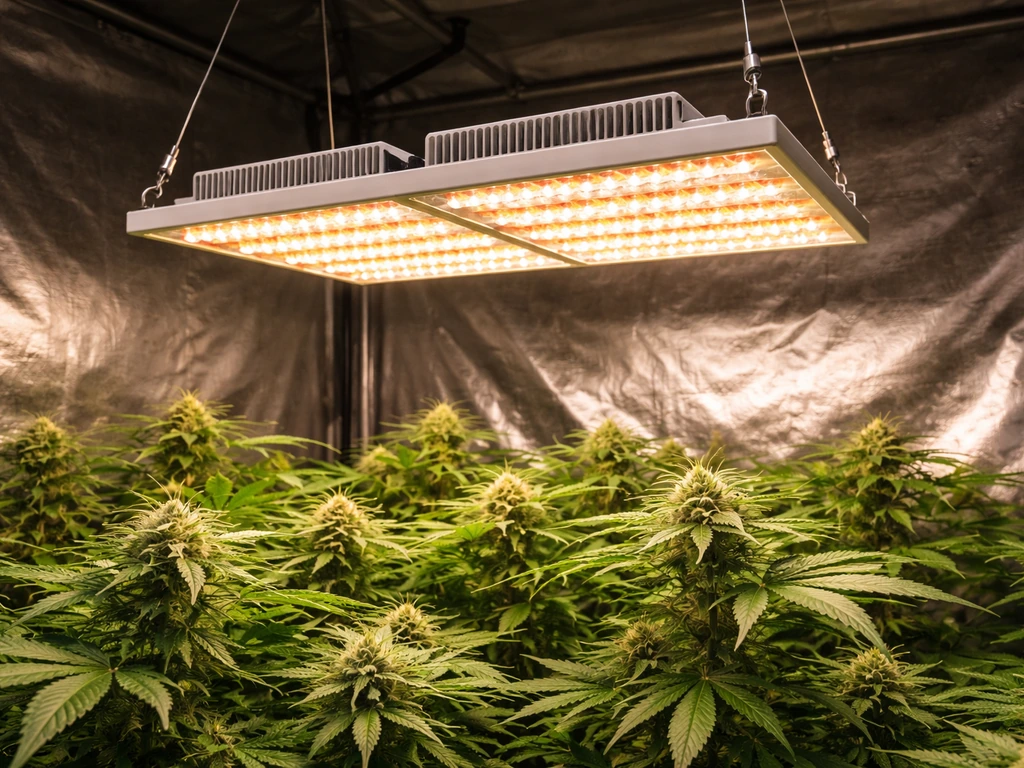
The SF series (SF1000, SF2000, SF4000, SF7000) is the core lineup most people are shopping. Each model is a full-spectrum, dimmable LED grow light using Samsung LM301 diodes in a quantum board-style layout. They're not bar-style fixtures like some newer-gen competitors. The SF1000 is the entry point for small spaces, and it genuinely works well in a 2x2 tent. The SF4000 is the sweet spot for serious hobbyists with a 4x4. The SF7000 is the step-up for 5x5 coverage and is foldable for easier shipping. None of them will disappoint if you match the model to the correct tent size. The bigger risk is buying too small or expecting a veg-coverage rating to hold up during flower.
The model lineup: wattage, coverage, and what each is built for
Spider Farmer's SF series scales fairly cleanly by wattage and tent size. Here's how the main models break down.
| Model | Power Draw | Flower Coverage | Veg Coverage | Key Feature |
|---|---|---|---|---|
| SF1000 | ~100W | 2x2 ft | 3x3 ft | Entry-level, dimmable, ratchet hangers included |
| SF2000 | ~200W (±5%) | 2x4 ft | 3x5 ft | Mid-range, good for single-plant or short rows |
| SF4000 | ~450W | 4x4 ft | 5x5 ft | Best seller, strongest mid-tier option |
| SF7000 | ~650W | 5x5 ft | 6x6 ft | Foldable, high-output, largest SF-series unit |
All four use full-spectrum white light tuned to a broad spectrum that supports both vegetative growth and flowering without needing to swap fixtures or change settings. There's no separate UV/IR booster channel or programmable spectrum control in the standard SF line. The dimmer is a simple analog knob, which works fine in practice. Spider Farmer also sells SE-series and G-series lights with more refined spectrum options and higher efficacy ratings, but for most hobbyists comparing SF models, the lineup above covers 90% of purchasing decisions.
If you're specifically evaluating the smaller end of the range, the Spider Farmer SF1000 deserves a close look before assuming you need to step up. The 100W draw is real, the coverage for a 2x2 is honest, and the included ratchet hangers mean you can be running lights the same afternoon it arrives.
Real-world performance: PPFD, coverage, and uniformity numbers
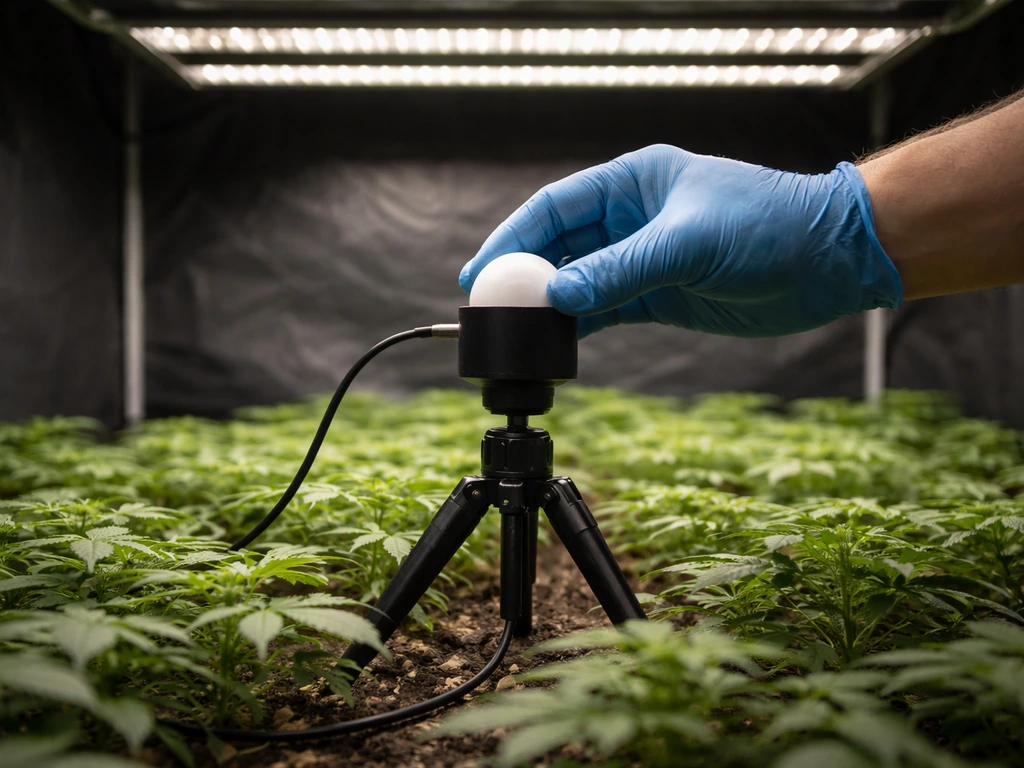
Manufacturer PPFD numbers are always best-case-scenario readings taken at the single brightest center point. Independent testing tells a more useful story. Here's what third-party reviewers and measurement-based tests have reported across the SF lineup.
SF1000 at real heights
At roughly 18 inches above canopy, the SF1000 produces center-point PPFD readings in the 500 to 600 µmol/m²/s range. That's workable for veg and early flower but sits at the lower end of what most cannabis or fruiting vegetable plants want during peak flower (typically 600 to 900+ µmol/m²/s depending on strain). The PPFD map in the SF1000 EVO manual shows readings at 12, 14, and 18 inches, and you can see light intensity drop off noticeably toward the edges of a 2x2, which is typical for a single quantum board. For leafy greens, herbs, and seedlings, this light is more than adequate. For flowering plants, you'll want to dial the dimmer to 100% and keep the canopy at 12 to 14 inches.
SF2000 range and variability
Independent measurement tests on the SF2000 show output ranging from roughly 350 to 620 µmol/m²/s depending on distance. The 200W (±5%) wall-draw spec is accurate based on outlet measurements. This variability across the map is the real-world picture of a 2x4 quantum board: strong in the center, softer toward the long edges. If you're running a 2x4 tent with a single SF2000, rotating your plants regularly improves uniformity significantly. For a 3x3 application, the SF2000 covers that space better than the SF1000, and the center PPFD numbers are genuinely usable for flower.
SF4000: the benchmark model
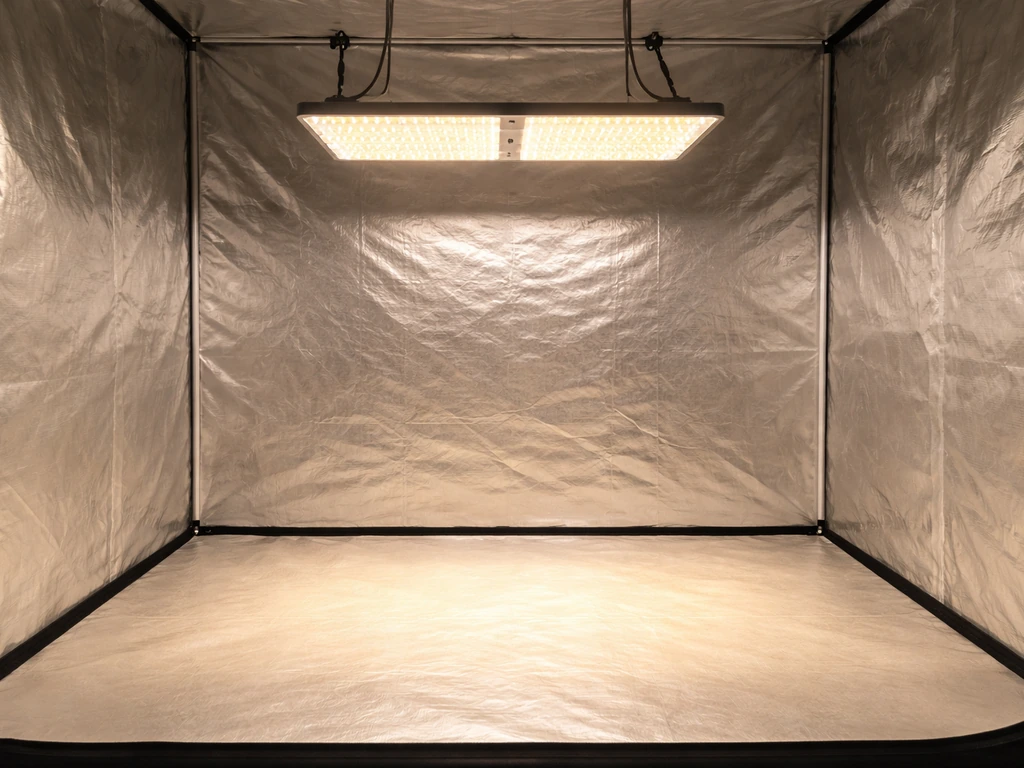
MIGROLIGHT's measured test of the SF4000 is one of the more rigorous independent data points available. Their wall measurement came in at 438 watts (the manufacturer lists 450W, so that's within a normal tolerance range), and the average PAR across a 4x4 footprint was 644 µmol/m²/s. That converts to a system efficiency of approximately 2.06 µmol/J. For context, that's a respectable number for this class of light, though newer bar-style fixtures are pushing past 2.5 µmol/J. If you're comparing Spider Farmer to brands like Mars Hydro at this tier, the SF4000 holds its own on coverage uniformity even if it doesn't lead on raw efficiency.
SF7000 at the top of the range
Coco For Cannabis independently tested the SF7000 and recorded a maximum PPFD of approximately 1000 µmol/m²/s at 54 cm (about 21.5 inches) above canopy across the 5x5 footprint. The average PPFD across their full PAR map was 569.1 µmol/m²/s. That average sounds lower than the peak, but 569 µmol/m²/s as a floor average across a 5x5 area is solid. Their ePAR data adds additional nuance beyond the basic PAR map, so if you're maximizing yield in a 5x5, the SF7000 does give you real headroom to push intensity without creating extreme hotspots.
Build quality, heat, noise, and what actually comes in the box
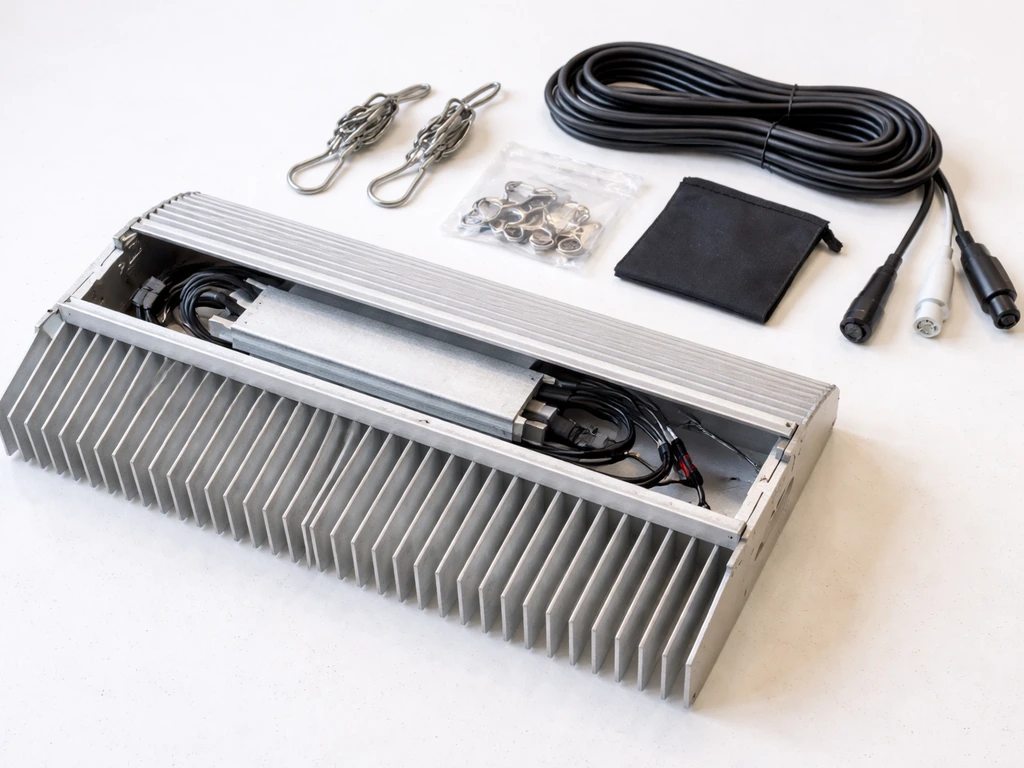
Spider Farmer lights are built to a quality level that matches or exceeds the price point. The aluminum heatsinks are chunky and functional. Passive cooling (no fans in most SF models) means zero fan noise and no moving parts to fail. Thermal management is effective enough that you can hang these lights in a sealed tent and not worry about heat damage to the fixture itself, though the heat output from the LEDs still goes into your grow space and affects ambient temps.
On noise: the lights themselves don't hum in most setups. There are anecdotal community reports of SF2000 units buzzing at certain dimming percentages, which is a known quirk of some dimmer circuits. It's not universal, but it's worth knowing that if you run the SF2000 partially dimmed and notice a faint buzz, you're not alone. Turning it to 100% or to a different setting often resolves it.
The SF7000 is foldable, which is genuinely useful for anyone who's ever tried to get a 650W grow light through a tent door without scratching anything. The mounting system uses standard adjustable ratchet hangers. Spacing the light correctly at the right height matters more than most people expect, and Spider Farmer includes hang-height guidance in the manual for each model.
Warranty and reliability: the honest picture
Spider Farmer offers a five-year limited warranty on its LED grow lights. That's one of the better coverage periods in the mid-tier grow light market. The warranty covers manufacturer defects but not damage from abnormal use, which includes water exposure, voltage errors, dropping the unit, or taking it apart yourself. Keep the light dry, run it at the rated input voltage, and don't open it up, and you're covered.
In terms of real-world reliability, the SF series has a strong track record across a large installed base. That said, community forums do include isolated failure reports, including at least one case of an SE/SF7000-class unit failing after purchase. Anecdotal failures happen with every brand at scale. Spider Farmer's support response time for warranty claims has been generally positive in community feedback, which matters as much as the warranty length itself.
Value vs alternatives: where Spider Farmer sits in the market
The SF1000 has been selling around $90 USD, which puts it in a competitive position for the 2x2 category. At that price, the center-point PPFD of 500 to 600 µmol/m²/s at 18 inches is reasonable, though comparison data shows the Mars Hydro TS1000 delivering a higher center reading (around 743 µmol/m²/s at 12 inches versus Spider Farmer's approximately 634 µmol/m²/s at the same height). If raw peak intensity in a small tent is your primary metric, that gap is real. If consistent canopy spread and brand support matter more, Spider Farmer holds up.
At the SF4000 tier, GrowExpert360 lists the SF4000 at 3.14 µmol/J efficiency in a price range of $400 to $500, versus the Mars Hydro FC4800 at 2.85 µmol/J for $370 to $440. Interestingly, the SF4000 wins on efficacy at that price tier despite being slightly more expensive. MIGROLIGHT's independently measured 2.06 µmol/J figure is lower than that spec-sheet number, which is a reminder that manufacturer efficacy figures and third-party measurements don't always align, but even the measured figure is competitive.
If you're considering similar-wattage alternatives from other brands, a comparison like the VS4000 LED grow light review covers how a comparable quantum board-style light stacks up in a 4x4 application. For bar-style fixtures that push higher efficiency ratings, brands like Spydr operate at a different price point entirely, targeting commercial-scale growers rather than hobbyists.
| Model | Approx. Price | Measured Efficiency | Coverage (Flower) | Best For |
|---|---|---|---|---|
| SF1000 | ~$90 | N/A (center PPFD ~500-600 at 18") | 2x2 ft | Seedlings, herbs, small tents |
| SF2000 | ~$150-180 | N/A (350-620 range tested) | 2x4 ft | Single-plant or small veg rows |
| SF4000 | ~$400-500 | ~2.06 µmol/J (measured) | 4x4 ft | Serious hobbyist 4x4 flower tent |
| SF7000 | ~$550-650 | Avg PPFD 569.1 across 5x5 | 5x5 ft | High-output 5x5 applications |
For those comparing mid-range budget-tier options more directly, the VS2000 LED grow light and VS1000 from Viparspectra offer a useful reference point in the same price range, especially if you're trying to understand what you gain or give up by choosing Spider Farmer over similarly priced quantum board competitors.
Best picks by grow space and crop type
Beginners and small-space growers (2x2 to 2x4)
Start with the SF1000 for a 2x2 tent. It's uncomplicated, light enough to mount without needing extra support, and handles herbs, leafy greens, and even a single cannabis plant in veg without issues. For a 2x4 or a slightly more demanding 2x2 flower grow, step up to the SF2000. The extra 100 watts makes a noticeable difference at the canopy edges, and the added coverage means you're not fighting intensity drop-off as hard.
Intermediate growers running a 4x4
The SF4000 is the right call here. An average of 644 µmol/m²/s across a 4x4 at proper hanging height is strong enough for flowering cannabis, fruiting vegetables like tomatoes and peppers, and anything else that needs high light levels. Don't run the SF2000 in a 4x4 and expect flower-level results. The math doesn't work; you'll get light reaching the canopy but not enough intensity across the whole space.
Advanced growers and larger setups (5x5 and above)
The SF7000 at 650W handles a 5x5 with real headroom. The tested maximum of 1000 µmol/m²/s and an average of 569 µmol/m²/s across that footprint means you can push demanding crops without the light being the limiting factor. The foldable design also helps with tent access. If you're running a 4x8 or similar rectangular space, two SF4000s will give you better uniformity than one SF7000, since the SF7000 is optimized for a square footprint.
Setup checklist and what to actually expect
Before you hang the light, go through this list. It will save you a troubleshooting session later.
- Match the model to your flower coverage target, not your veg coverage. The veg ratings are generous; the flower ratings are where you should anchor your decision.
- Start the light at the upper end of the recommended hang height (18 to 24 inches for most models) and watch your plants for the first week before lowering.
- Run the dimmer at 50% for the first few days with new seedlings or clones. Full power at close range can stress young plants even with good genetics.
- Check the actual wall draw with a plug-in power meter if you want an honest electricity cost estimate. The SF4000's measured 438W versus the stated 450W is a minor difference, but manufacturer specs aren't always the final word.
- Keep the dimmer at 100% during flower and lower the fixture to 16 to 18 inches above the canopy (with good airflow) to maximize PPFD at the plant tops.
- If you hear buzzing at partial dimming, try a different setting. This is more a dimmer circuit quirk than a defect, but document it and contact support if it persists.
- Register your purchase for the five-year warranty. Spider Farmer will ask for proof of purchase; keep the receipt.
- Do not expose the fixture to dripping water or humidity condensation directly on the unit. Sealed tents with proper airflow and a good inline fan keep moisture off the light and protect the warranty.
On tent airflow: Spider Farmer sells their own inline fans alongside the grow lights. Their 6-inch inline fan is rated at 402 CFM and 32 dB, which is quiet enough for a home setup. Even if you buy a different brand fan, make sure your exhaust capacity matches your tent volume. Heat from a 450W or 650W light in a sealed tent adds up fast, and no grow light, regardless of brand, overcomes poor thermal management at the tent level.
Spider Farmer grow lights are a dependable, well-supported choice in the mid-tier LED market. They're not the most efficient lights you can buy at any given wattage, and they don't have the advanced spectrum controls of higher-end fixtures, but the combination of honest coverage specs, real-world PPFD performance that mostly backs up the marketing, solid build quality, and a genuine five-year warranty makes them a low-risk pick for most indoor growers. Spider Farmer’s SF7000 product page provides PPFD-related specifications and graphics as part of its published materials honest coverage specs, real-world PPFD performance that mostly backs up the marketing. Match the model to your tent size, hang it at the right height, and they'll do exactly what they're advertised to do.
FAQ
Should I buy an SF series light based on the tent size label, or based on crop type (veg vs flower)?
Use tent size to choose the model, then adjust distance and dimmer for the crop. For flower, the SF1000 is more sensitive to being under-powered, so many growers either increase hanging height precision (closer canopy) or step up to SF2000/SF4000 instead of relying on the “2x2 veg” assumption.
How close should I hang an SF light if I want to maximize yields without bleaching plants?
Start with the manufacturer’s recommended starting height, then move in small increments after observing leaf response over 3 to 5 days. If you run the dimmer high, keep extra distance control, since hotspots form near the center and can look like leaf burn even when the edges seem fine.
Do Spider Farmer SF lights need extra UV or IR supplementation?
In the standard SF series, there is no dedicated UV/IR booster channel and no programmable spectrum control. For most hobby setups you can run these as-is, but if you’re chasing specific research-style outcomes (for example, strong UV effects for certain cultivars), you would typically add external supplemental LEDs rather than expecting that capability from the standard SF lineup.
Is the dimming knob “set and forget,” or does dimming change noise and performance?
Dimming is analog, so it can be convenient, but community reports indicate occasional buzzing on some SF2000 units at certain dim levels. If you notice noise, try running at 100% with a lower hanging height, or switch to a different dim setting, rather than tolerating a persistent buzz.
What’s the best way to improve uniformity if my tent has a hot center and weaker edges?
For quantum-board setups, uniformity improves with plant rotation and correct spacing. Rotate plants regularly, confirm canopy is level (uneven canopy exaggerates edge drop-off), and avoid running the light outside its intended footprint, especially for an SF4000 in a smaller-than-4x4 space where center brightness can dominate.
Can I run an SF4000 or SF7000 in a 4x8 or 4x6 space efficiently?
Not with one light. The SF7000 is optimized for a square 5x5 footprint, so in a rectangular space you’ll usually get better results by using two fixtures (for example, two SF4000 for better distribution across a 4x8) or by splitting the canopy into two zones with independent lights.
Are Spider Farmer SFPPFD numbers realistic at typical grow-light heights, or do manufacturers overstate them?
Center-point PPFD values are often measured at the brightest location and at specific distances, so they are best treated as optimistic reference points. For decisions, it helps to plan around average coverage behavior and to verify your own canopy PPFD if you have access to a meter, since edge drop-off matters for flowering performance.
Does the five-year warranty cover use in high-humidity tents or near splashing water?
The warranty covers manufacturer defects, but it does not cover damage from abnormal conditions such as water exposure. In practice, keep the driver and any exposed electronics protected, manage runoff and splashes, and avoid direct misting toward the fixture even if the tent is humid.
What power setup should I use for the SF series, especially if I’m in a different country?
Run the unit at its rated input voltage and avoid “wrong-voltage” operation. If you’re using an adapter or transformer, choose one sized for the fixture’s actual draw and stable under load, since voltage errors are specifically considered abnormal use.
Are passive-cooled Spider Farmer lights safe in sealed tents, or will heat build up around the fixture?
The lights use passive cooling in most SF models, which eliminates fan failure points and usually reduces noise. However, the LED heat still enters the grow space, so you need real exhaust and intake planning based on total wattage and tent volume, otherwise the fixture can stay cool while the grow environment overheats.
Do I need to use Spider Farmer’s hangers, or can I swap mounting hardware?
You can use compatible adjustable hangers, but keep the spacing and height guidance from the manual as your baseline. If you change suspension hardware, ensure the light hangs perfectly level and secure, since a slightly tilted canopy can worsen intensity gradients and make “wrong model” feel like an underpowered fixture.
What should I check if my SF light seems underpowered after installation?
Confirm the height above canopy, verify the dimmer position (and listen for any buzzing that suggests an odd dim setting), and make sure the plants are actually within the intended footprint. Also check that your exhaust and airflow aren’t causing canopy stress, since heat or nutrient issues can mimic low-light symptoms even when the light is performing normally.
Is it smarter to buy the SF1000 and “make it work,” or spend more for SF2000/SF4000?
If you’re growing flower or heavy fruiting crops in the tent area you plan to fill, SF2000 or SF4000 generally reduces risk because edge intensity holds up better. The SF1000 is best treated as a true small-space veg or light-demand flower option, not a universal substitute for larger-flower footprints.