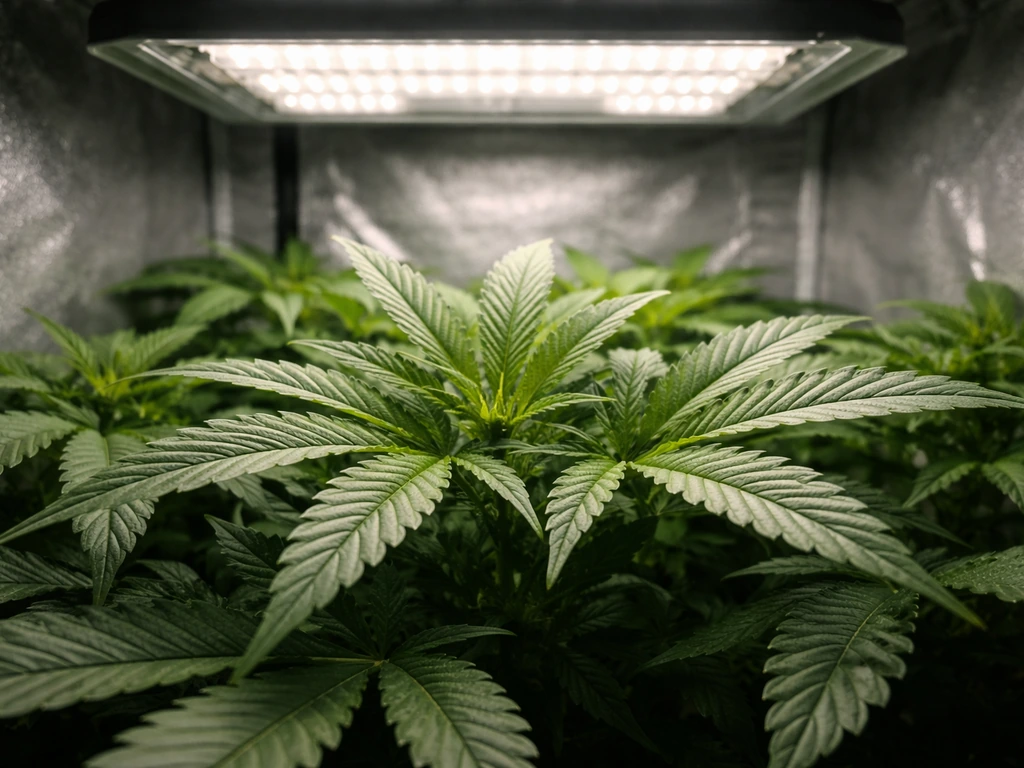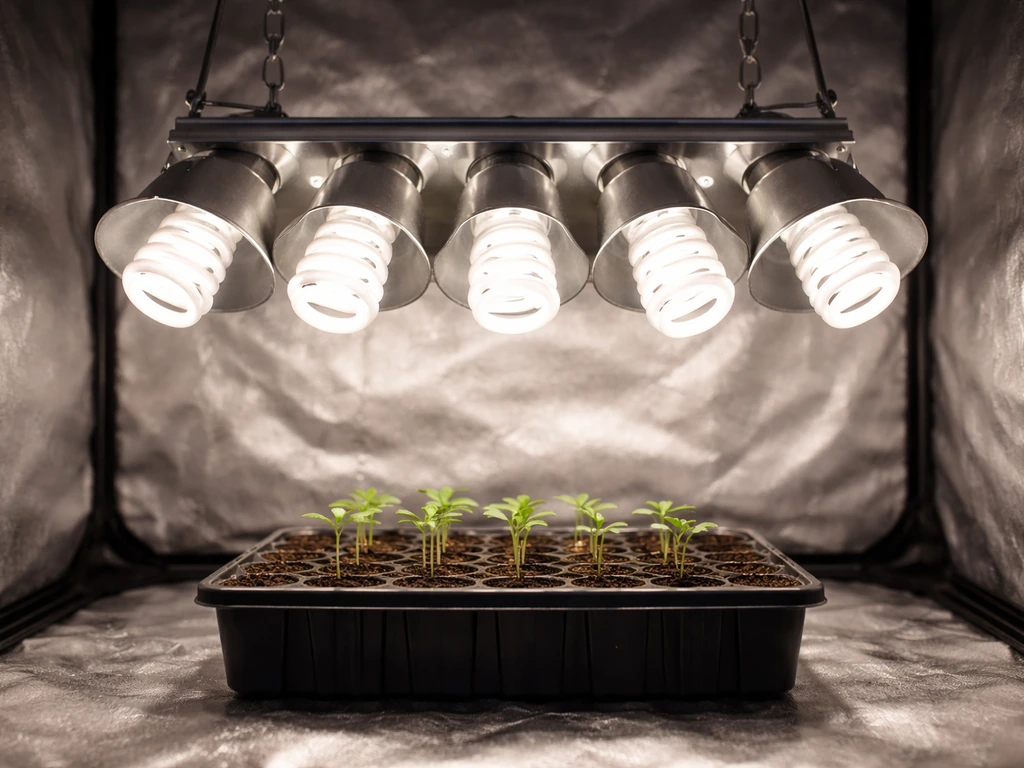
CDM grow lights are ceramic discharge metal halide systems, most commonly built around a 315W lamp. The name CDM comes from Philips' product line (the MasterColor CDM family), but growers use it interchangeably with CMH (ceramic metal halide) and LEC (light emitting ceramic). If you're shopping for a "CDM grow light" today, you're almost certainly looking at either a standalone Philips CDM lamp (like the CDM-T Elite 315W/942 or 315W/930) to drop into a compatible fixture, or a complete system like the Dimlux Expert Series 315W that bundles ballast, reflector, and lamp together. If you want a quick sylvania grow light bulb review-style take on how the bulb performs, focus on spectrum and PPFD distribution first complete system. These are genuinely good lights for small-to-medium grows, especially for growers who want better spectrum quality than a standard HPS setup without jumping fully into LED territory.
CDM Grow Light Review: Results, Coverage, Cost, and Best Use

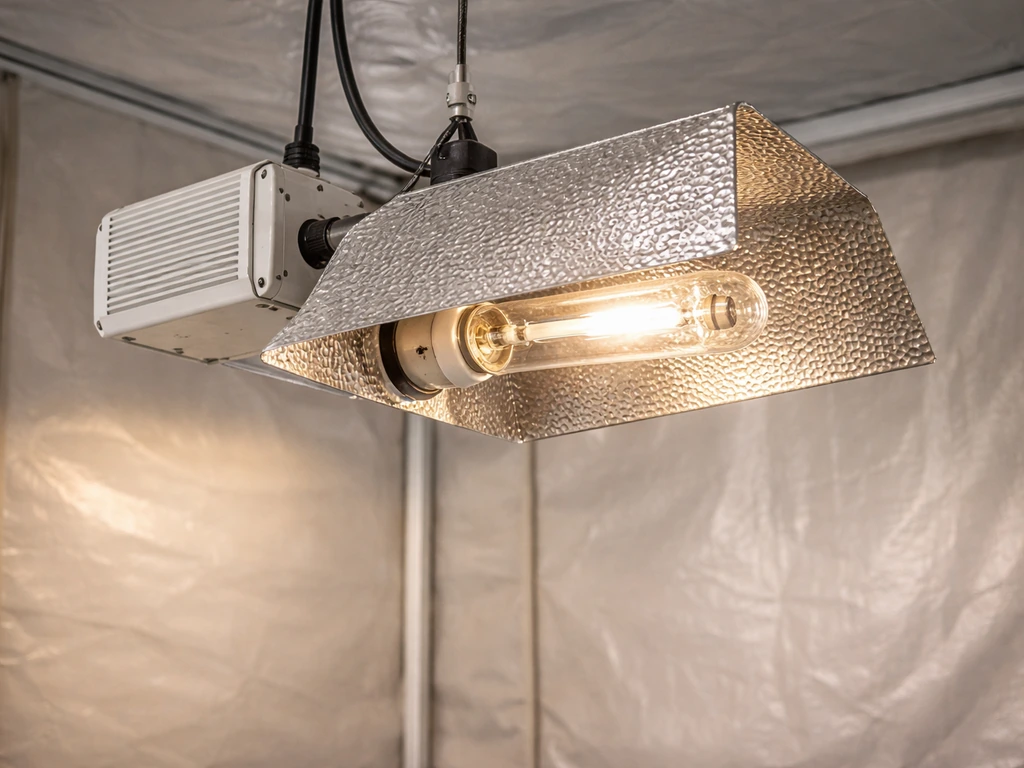
What "CDM grow light" actually refers to
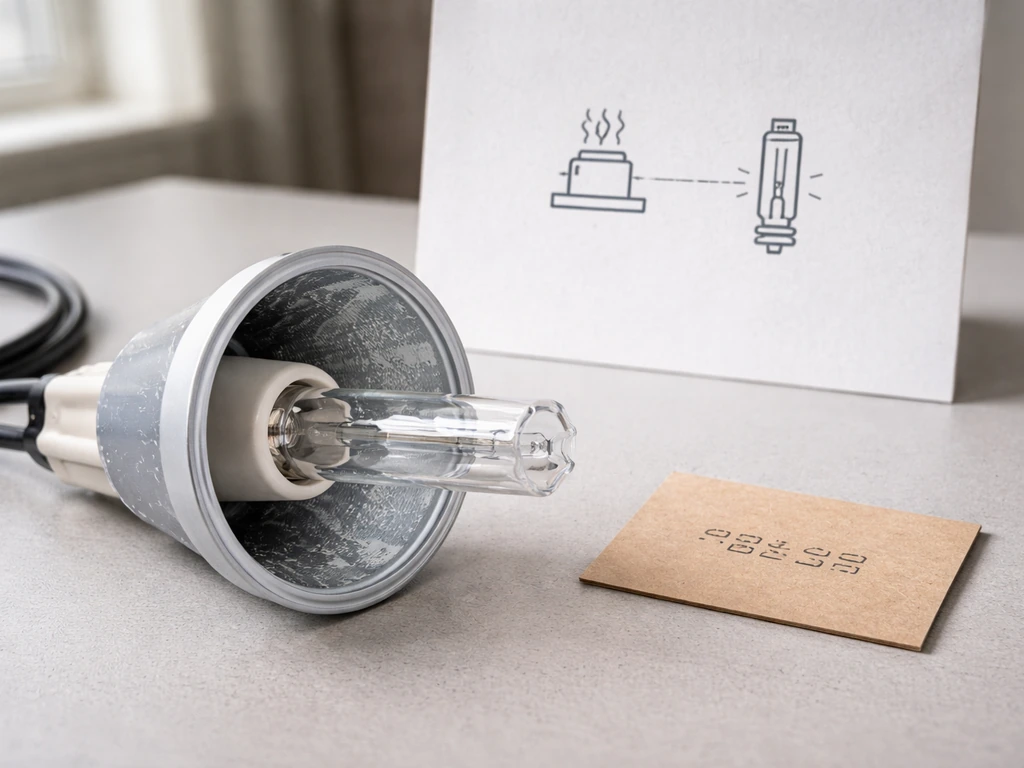
The CDM name originates with Philips' MasterColor CDM product family. In catalog terms, CDM stands for ceramic discharge metal halide, and the lamp codes tell you everything you need: CDM-T Elite 315W/942 is the 4200K variant (a crisp, broad-spectrum white light well-suited to veg and mixed cycles), while the 315W/930 is the 3000K "Agro" variant, warmer and optimized for flowering. Both run at 315W and share the same fixture base, so you can swap between them depending on your grow stage. Other naming conventions you'll see for the same core technology include CMH, LEC, and occasionally "ceramic arc metal halide." They all describe the same lamp type. For the purposes of this review, the primary system under examination is the 315W CDM/CMH class, with specific reference to the Dimlux Expert Series 315W as a representative complete fixture and the Philips MasterColor CDM-T Elite lamp family as the benchmark bulb.
There are also complete commercial fixtures from brands like Dimlux that ship the entire system: the Dimlux Expert Series 315W Full Spectrum comes with an Xtreme 315W ballast, a CDM 315W lamp, and either an Ultra Optics or Alpha Optics 98 reflector depending on the variant. That's a meaningful distinction from buying just a lamp, because reflector design and ballast quality directly affect your PPFD output and long-term reliability.
Quick verdict: who this light is actually for
The 315W CDM/CMH system is the right choice if you're growing in a 3x3 or 4x4 tent, want full-spectrum output that genuinely outclasses HPS on spectrum quality, and are comfortable with a light that draws real power and generates real heat. It's especially well-suited to growers who run mixed veg-to-flower cycles in a single space, because the 4200K CDM lamp handles both stages competently without needing a lamp swap. If you're specifically chasing flowering performance and already own HPS infrastructure, the 3000K Agro variant is worth the swap. Where CDM starts to make less sense: if you're running a large space (say, 5x5 or bigger) with a single unit, coverage gets thin at the edges; if your electricity cost is high and you're running 18-hour veg cycles, the real-world draw of around 331W adds up quickly compared to modern LED alternatives.
Real performance: coverage, PPFD, and uniformity
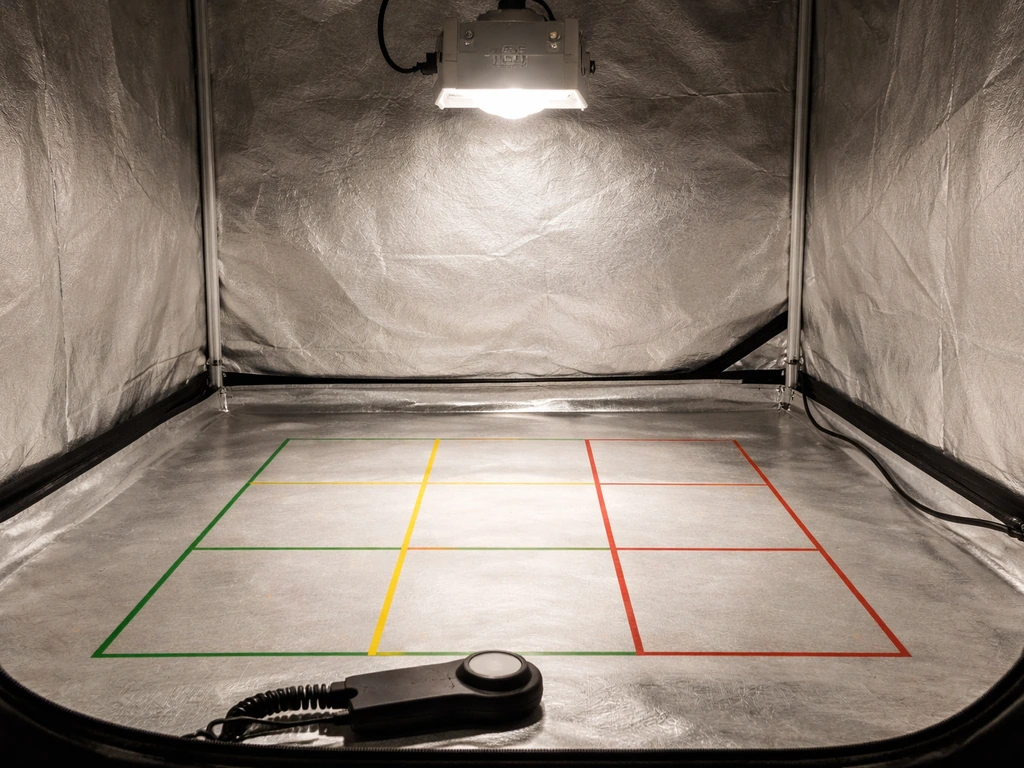
In practice, a 315W CDM system in a quality reflector covers a 3x3 footprint well and a 4x4 footprint adequately. "Adequately" is the honest word here: center PPFD at a reasonable hanging height of around 18-24 inches above canopy is strong, typically in the 500-800 µmol/m²/s range depending on reflector efficiency and hanging height, but edge uniformity in a 4x4 drops noticeably. Independent PAR mapping tests run by growers and retailers on CMH/LEC 315W setups consistently show this center-to-edge falloff pattern. For seedlings and early veg, hang the lamp high (24+ inches) and the lower intensity is an asset. For late veg and flower, dropping to 18 inches or closer brings the center intensity up but makes the edge uniformity worse. The best compromise for most tent growers is 20-22 inches in flower.
The spectrum quality is where CDM genuinely earns its reputation. The 4200K variant puts out a balanced white light with solid UV and IR fractions that HPS doesn't match. This translates to measurably better terpene production and leaf development in crops that respond to spectrum quality, something growers running CDM side-by-side against HPS in the same room notice quickly. The Agro (3000K) variant skews warmer and pushes more red energy into the canopy during flowering, which works well for high-demand flowering crops. GrowersHouse's CMH 315W lamp comparison test using a Sun System 315W LEC fixture confirmed that the Philips CDM-T Elite Agro-class lamp delivers better PAR distribution per watt in the red-heavy spectrum than most competing CMH lamps in its class.
Build quality, heat management, and reliability
The Dimlux Expert Series is the benchmark for build quality in this category. The ballast is digital and runs quietly under normal conditions. The reflector, whether you get the Ultra Optics single-bounce design with Miro Silver mirrors or the Alpha Optics 98 variant, is genuinely well-engineered and materially better than cheap imported CMH hoods. The single-bounce reflector concept minimizes light degradation before it hits the canopy, which shows in PPFD output. Total fixture draw at the 315W setting is 331W at 230V (per Dimlux's own spec documentation), so plan your wiring and electricity budget accordingly.
Thermal management is where CDM systems require more attention than LED alternatives. The lamp runs hot, and without adequate airflow through the reflector and out of your tent, ambient temperature in a sealed space climbs fast. An inline fan ducted through the reflector is not optional in most setups, it's the baseline. With proper airflow the system is stable, but expect to manage heat actively.
Reliability is generally good but not perfect. The most commonly reported failure mode in CDM/CMH systems is ballast ignition issues: the ballast fails to strike the lamp cleanly, especially as the system ages. Grower forum reports (including UK420 threads with multiple accounts) describe symptoms like a lamp that takes 3 or more strike attempts before holding, or a ballast that buzzes and fails to ignite overnight. These aren't universal failures, but they're the thing to watch for as the system ages past 2-3 years. Keeping connections clean and replacing the lamp on schedule (before full end-of-life) reduces strike problems significantly.
Value breakdown: efficiency, lifespan, and running cost
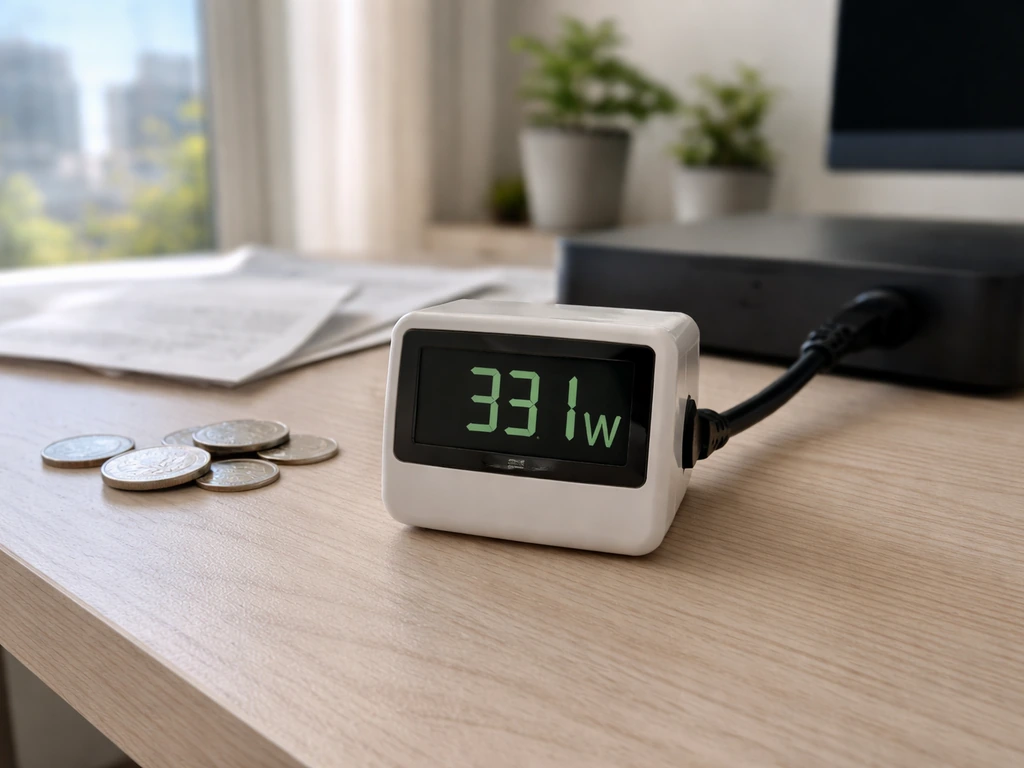
At 331W actual draw, running a CDM system for 12 hours per day costs roughly 4 kWh per day. At a common US electricity rate of $0.16/kWh, that's about $0.64/day or around $19/month for a single flower-cycle light. Over a 6-month crop cycle that's roughly $115 in electricity. That's not insignificant, and it's higher than a comparable LED system at the same coverage footprint. However, the upfront cost of a quality CDM system (complete fixture in the $300-500 range depending on brand and reflector) is substantially lower than a comparable-coverage premium LED.
The Dimlux Expert Series carries a 3-year warranty on the ballast and a 1-year warranty on the bulb. Lamp replacement is the ongoing cost to budget: CDM lamps should be replaced every 10,000-20,000 hours (depending on whether you're using the 50% or 90% survival rate figures Philips publishes), but most indoor growers replace annually or every other season to maintain peak output. Philips CDM-T Elite lamps in the 315W class run $40-80 depending on variant and vendor, so lamp replacement is a manageable recurring cost rather than a budget shock.
| Factor | 315W CDM/CMH (e.g., Dimlux Expert) | Equivalent LED (e.g., 300-320W bar light) |
|---|---|---|
| Actual draw | 331W | 300-320W |
| Coverage (practical) | 3x3 well / 4x4 adequate | 4x4 well / 5x5 possible |
| Upfront cost | $300-500 (complete fixture) | $500-900+ |
| Lamp replacement cost | $40-80 per lamp annually | None (LEDs rated 50,000+ hrs) |
| Spectrum quality | Excellent, full-spectrum with UV/IR | Excellent (varies by brand) |
| Heat output | High, requires active cooling | Moderate |
| Ballast warranty | 3 years (Dimlux) | 3-5 years typical |
| Setup complexity | Moderate (airflow critical) | Low to moderate |
Setup tips: hanging height, coverage planning, and controls
For seedlings and clones, hang the 315W CDM at 30-36 inches above the canopy and run it at a reduced intensity if your fixture supports dimming. The Dimlux Expert Series offers multi-step dimming across several power levels including 165W, 205W, 245W, 280W, 315W, and even 345W/380W overdrive settings, which gives you real flexibility to match intensity to growth stage without buying a separate fixture. For veg, 24-30 inches at 245-280W is a solid starting point. For flower, 18-22 inches at full 315W (or up to 345W if your lamp and ballast support it) is the standard recommendation.
Always run this light on a quality mechanical or digital timer. CDM lamps need a proper cool-down period (typically 5-15 minutes) before they can re-strike after being switched off, so avoid cheap timers that interrupt mid-cycle or flicker. If your ballast has a soft-start or soft-off feature (Dimlux's Expert Series includes this), use it. It extends lamp life noticeably by reducing thermal shock at startup and shutdown.
For coverage planning: if your tent is 3x3, one 315W CDM unit is genuinely sufficient for flower. If you're working with a 4x4, it'll cover the space but the corners will be softer. In a 4x4 you can compensate with good reflective mylar on the walls and by rotating plants periodically. A 5x5 with a single 315W CDM is undersized for flowering, consider two units or look at a higher-wattage alternative.
How CDM compares to other grow light types
The CDM/CMH 315W sits in an interesting middle position in the grow light market. Compared to a 315W CMH system (which is essentially the same technology under a different brand name), the differences come down to fixture quality and lamp sourcing rather than core technology. The 315W CMH category as a whole is covered in more depth in the 315W CMH grow light review, which looks at the same lamp class across multiple fixture brands. The 315W CMH category as a whole is covered in more depth in the 315W CMH grow light review, which looks at the same lamp class across multiple fixture brands.
Against CFL grow lights, CDM wins on efficiency and canopy penetration without much contest. A 300W dual spectrum CFL setup (comparable wattage) produces lower PPFD at canopy, less spectrum depth, and similar heat management challenges without the reflector engineering that makes CDM systems perform well. CDM is the clear upgrade if you're moving up from CFL. Against HPS, CDM trades some raw red-spectrum intensity for significantly better full-spectrum output, including UV fractions that HPS misses entirely. For crops that benefit from terpene and resin development, CDM consistently outperforms HPS at the same wattage.
The real competition for CDM today is quality LED. Modern LED bar lights in the 300-400W class from brands like Grower's Choice, Spider Farmer, or HLG match or exceed CDM PPFD output, run cooler, use similar or less electricity, and don't require lamp replacement. The honest trade-off is upfront cost: a quality LED in this class costs $200-400 more than a CDM system. For a grower who replaces lamps regularly and values spectrum quality, CDM is still a defensible purchase in 2026, especially at the lower upfront price. For a grower planning to run the same setup for 3-5 years without ongoing lamp replacement costs, the LED math gets more favorable over time.
What to buy and what to do next
If you're buying a CDM grow light today, the clearest recommendation is to go with a complete fixture rather than sourcing lamp and ballast separately. If you specifically want a Casalux dual head CMH setup, check its build, coverage pattern, and spectrum against this same 315W class a CDM grow light. The Dimlux Expert Series 315W is the benchmark in this category for build quality and reliability, with the 3-year ballast warranty and quality reflector engineering backing it up. If budget is a constraint, other complete 315W CMH fixtures from reputable distributors are viable, but verify the ballast warranty and reflector material before buying.
For lamp selection: start with the 4200K (315W/942) CDM-T Elite if you're running a mixed veg-to-flower cycle in one space. Switch to the 3000K Agro variant if you're in a dedicated flowering room and want to optimize red-spectrum output for that stage. Buy a digital timer (not a cheap analog dial type) rated for at least 15A. Make sure your inline fan and ducting are sized to handle the heat before you flip the switch for the first time.
If after reading this you're not certain CDM is the right call for your space, the most useful comparison is against the 315W CMH category broadly, or against the CFL grow light options if your budget is tighter. The CDM system earns its place in a 3x3 to 4x4 grow, delivers real spectrum quality, and is reliable when maintained properly. It's not the most future-proof technology on the market, but it's a proven, well-understood system that still performs.
FAQ
Is a “CDM grow light” the same thing as CMH or LEC, and does that mean any lamp will fit any fixture?
They describe the same core ceramic discharge lamp type, but compatibility is not universal. To avoid a mismatch, verify the lamp form factor (for example CDM-T) and the fixture’s intended wattage and base, then confirm the ballast matches that lamp class (and often the exact lamp family codes).
What’s the safest way to hang a 315W CDM in a 4x4 when edge coverage is weaker?
Start around 20-22 inches for flower for a middle-ground compromise, then improve corners before changing height again. Use reflective wall coverage and rotate plants periodically, because dropping the fixture for higher center PPFD typically makes corner uniformity worse.
How do I prevent the “ballast won’t strike” problem as the light ages?
Keep electrical connections clean and secure, and replace the lamp before it reaches full end-of-life. If your setup uses any extension wiring, check for loose crimps or corrosion, because unstable contact can contribute to failed ignition after warmups and cool-downs.
Can I run CDM on a basic on-off timer, or do I need a specific control setup?
Use a timer rated for the circuit load and avoid any timer that might interrupt during a cycle. CDM needs a cool-down window before re-strike (often 5-15 minutes), so if power flickers or the timer chatters, you can accelerate strike issues and lamp wear.
Do I need dimming, or can I just run 315W full time?
Full time works, but dimming helps reduce heat and stress in veg or early flower, where you often do not need maximum PPFD. If your fixture supports multiple power levels, use the lower settings for veg (for example around 245-280W) and only step up near flowering to keep canopy conditions stable.
What airflow setup is actually required, and what happens if I don’t duct the heat out?
At minimum, you should provide directed airflow through the reflector area and exhaust out of the tent. Without that ducting, the lamp’s heat buildup can raise tent ambient temperatures quickly, which can reduce reliability and make the whole grow environment harder to control.
How do I choose between 4200K (942) and 3000K (Agro) for mixed grows?
If you run veg and flower under one fixture, the 4200K 315W/942 is the practical choice because it supports both stages without swapping lamps. Choose 3000K Agro if you are dedicated to flowering and want a warmer red-skewed spectrum, but expect less versatility if you switch stages frequently.
What electrical planning should I do before buying, given the real draw is higher than 315W?
Plan around the typical total fixture draw (often about 331W at the stated operating voltage) rather than the lamp’s rated wattage. Also confirm your breaker, wiring gauge, and timer rating can handle continuous use, and account for additional fixtures if you are combining systems.
Is it worth buying the lamp only, then sourcing a cheaper reflector and ballast separately?
Usually no, unless you are confident you can match ballast output characteristics, reflector geometry, and lamp run mode correctly. The reflector and ballast quality strongly influence real PPFD and reliability, so a mismatched “parts bin” setup often performs worse than a vetted complete fixture.
How often should I replace the CDM lamp to keep performance stable?
Expect ongoing output decline before end-of-life, so don’t rely on “it still lights” as your replacement trigger. Many growers replace on an annual or every-other-season schedule for peak results, rather than waiting until late in the lamp’s rated hours.
Will a single 315W CDM handle a 5x5 tent by moving plants or using reflectors?
It is generally undersized for flowering coverage. Reflective walls help, but the center-to-edge falloff and overall intensity limitations mean you will likely see weak corners and inconsistent results, so consider two units or a higher wattage approach.
How does CDM compare to LED if I care about long-term cost and not just upfront price?
CDM can be cheaper at purchase, but you will pay recurring lamp replacement and deal with higher heat management. If you plan to keep the same footprint for several years, LED economics often improve because you avoid frequent bulb costs and typically use less power for comparable canopy output.