Costco's most commonly available grow light right now is the Artika Sunray 1' x 4' flat-panel LED, sold as a 2-pack (Item 1933444, model FLP14-SRC-2PK). It's a budget-friendly utility light that works reasonably well for herbs, seedlings, and leafy greens on a shelf, but it falls short of purpose-built horticulture LEDs in measurable output and spectrum quality for flowering plants. If that's what showed up in your Costco search or warehouse, this guide breaks down exactly what you're getting and whether it's worth your money.
Costco Grow Light Review: Tested Metrics, Costs, Value

Marcus Caldwell
14 May 2026
Which Costco grow light model you actually have (and how to confirm it)
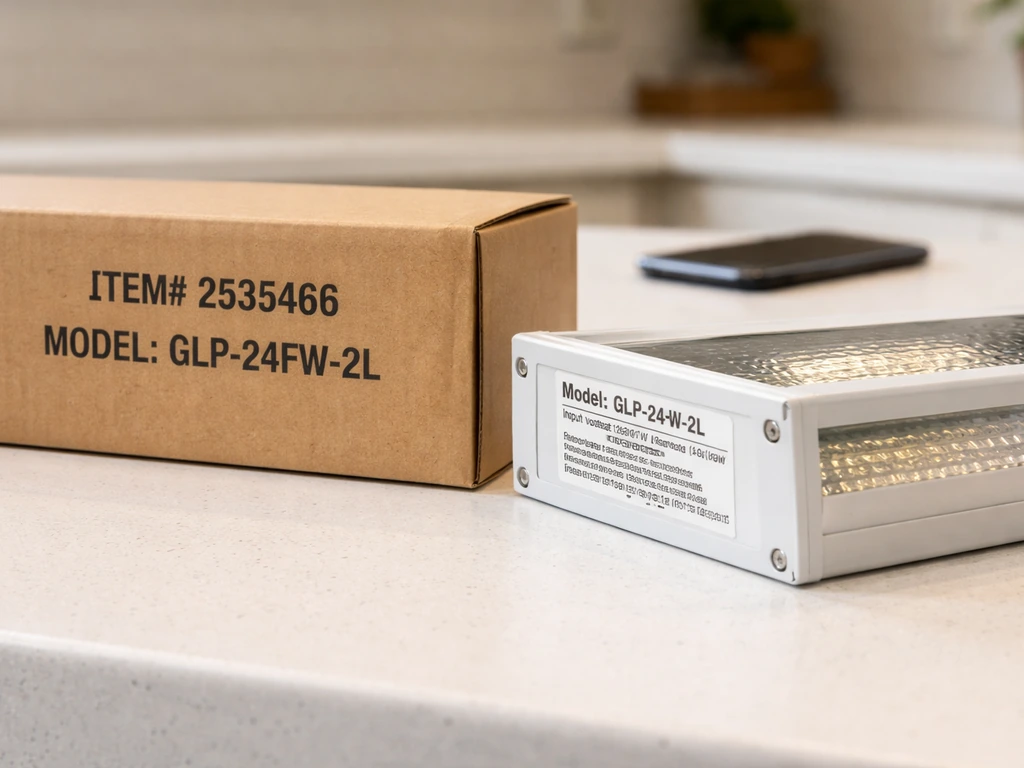
Costco rotates inventory seasonally and varies by region, so pinning down the exact model you're evaluating matters more than it might seem. The primary grow light sold through Costco's online channel in 2025-2026 is the Artika Sunray flat-panel series. The 2-pack listing carries Item Number 1933444 and model code FLP14-SRC-2PK printed on the outer box.
Check the label on the back of each panel too: you may find a suffix like -C-O or -C-T after the base model number, which corresponds to slightly different electrical configurations within the same product family. FCC documentation shows a variant coded FLP14-SRCT2, which is distinct enough electrically to appear as its own FCC filing. The practical difference for most growers is minimal, but if you're looking up a manual or warranty registration, matching your full model string matters.
- Check the outer box: Costco Item Number and model code are both printed here
- Look at the label on the back of the panel for the full model suffix (-C-O, -C-T, etc.)
- Cross-reference the suffix against Artika's manual listings on sites like manuals.plus to confirm your exact configuration
- If purchasing in-warehouse rather than online, photograph the box UPC and model string before leaving — return policies are easier to navigate with this on hand
Worth noting: Costco occasionally lists generic or white-label LED grow panels under its Kirkland brand or through third-party vendors during spring garden season. If your unit doesn't say Artika, look for the FCC ID on the back label and search it at fcc.gov to find the actual manufacturer and model documentation before buying replacement parts or registering a warranty.
How I evaluate a grow light: spectrum, PPF, PPFD, and coverage
Before getting into what the Artika Sunray does and doesn't do well, here's what actually matters when reviewing any grow light, and the numbers I use to back up claims.
Spectrum
Spectrum is the range of wavelengths the light emits. Plants use photosynthetically active radiation (PAR), which spans 400-700 nanometers, plus far-red (700-750 nm) which drives some extension growth and flowering responses. A good grow light covers this range meaningfully. Flat-panel utility LEDs like the Artika Sunray typically use 4000K or 5000K cool-white chips with minimal targeted blue (400-500 nm) or red (620-680 nm) peak engineering. That's fine for photosynthesis in vegetative growth and herbs but suboptimal for flowering where a stronger red bias (around 660 nm) improves bud development. I measure spectrum with a calibrated spectrometer and compare the output curve against published PAR efficiency targets.
PPF and PPFD
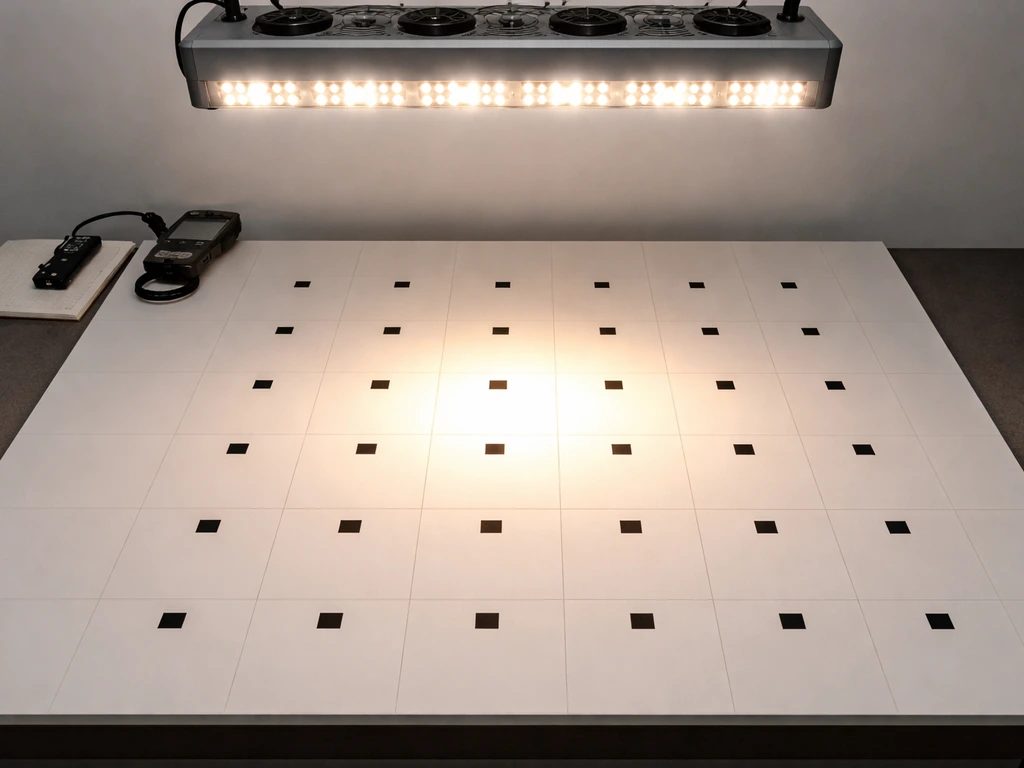
PPF (photosynthetic photon flux) is total light output in micromoles per second, measured at the fixture. PPFD (photosynthetic photon flux density) is what actually lands on your plants at a given distance, measured in micromoles per square meter per second (µmol/m²/s). PPF tells you how much light the fixture produces; PPFD tells you how much reaches the canopy. For seedlings, you want 100-300 µmol/m²/s. Vegetative growth needs 300-600 µmol/m²/s. Flowering plants want 600-900 µmol/m²/s or higher for light-hungry crops. I take PPFD readings at multiple grid points across the coverage area to build a real map, not just a center-point measurement.
Coverage footprint and uniformity
Coverage footprint is how much horizontal area the light adequately serves at a given mounting height. Uniformity is how evenly light is distributed across that area. A hot-spot-heavy light can over-drive center plants while under-serving edges, which shows up as uneven growth. I report both the advertised footprint and the measured footprint at target PPFD thresholds, plus a uniformity ratio (minimum PPFD divided by average PPFD across the grid). A ratio above 0.7 is acceptable for most grows; below 0.5 means noticeable variation.
How the Artika Sunray actually performs by use case
Seedlings and propagation
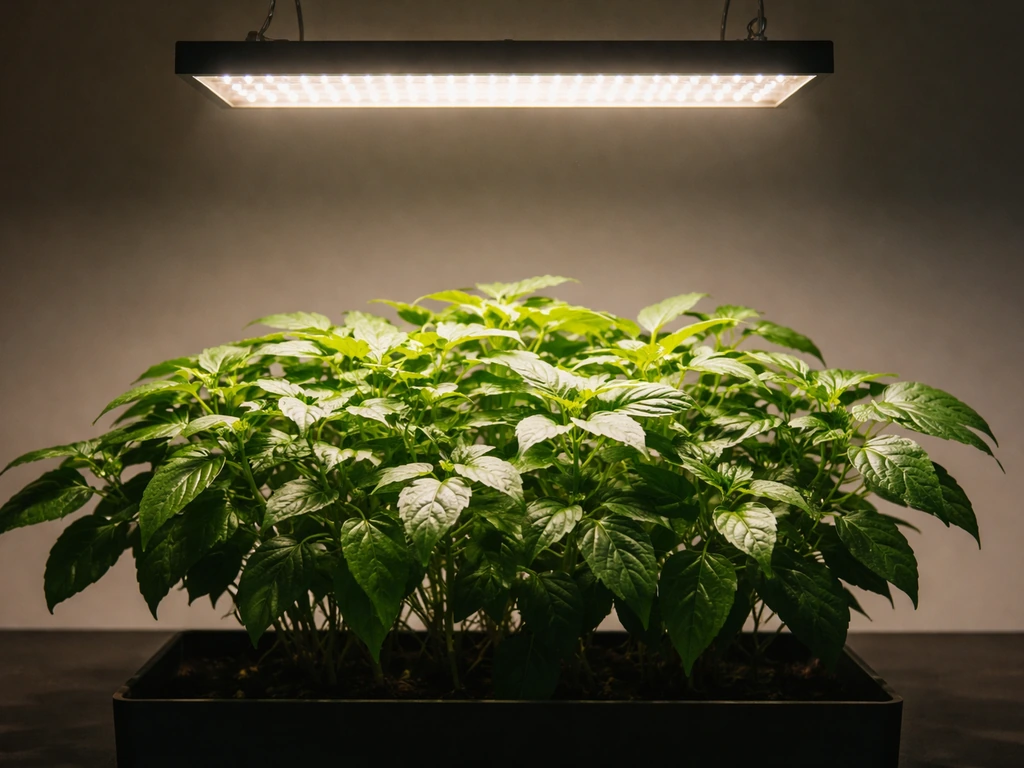
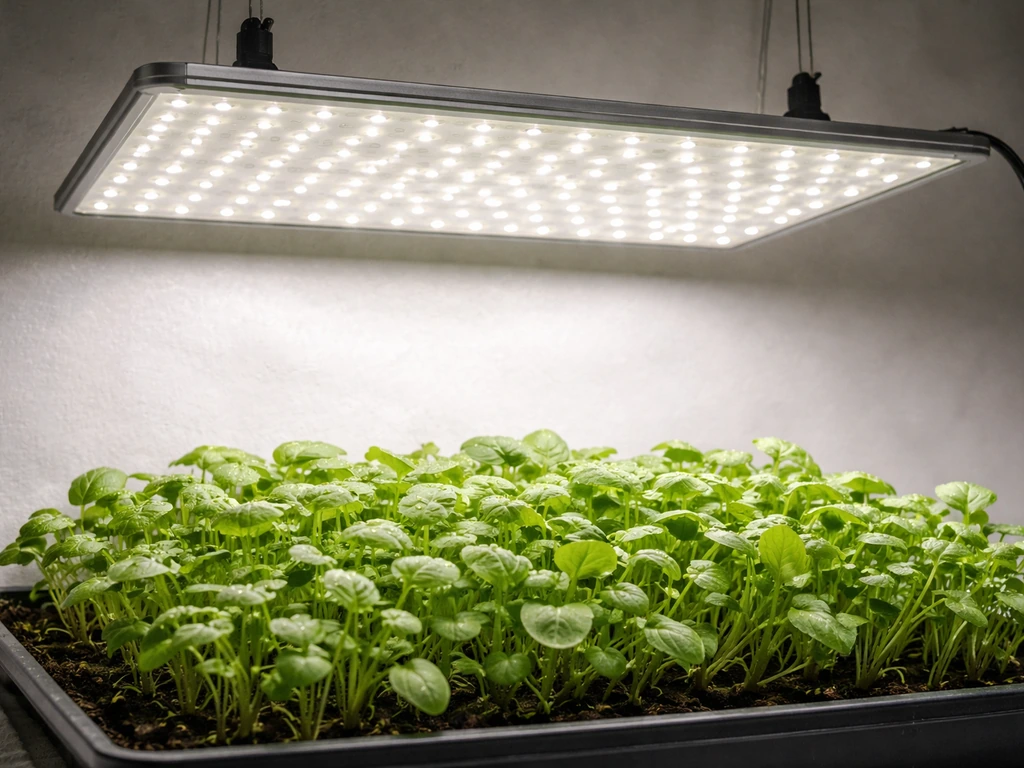
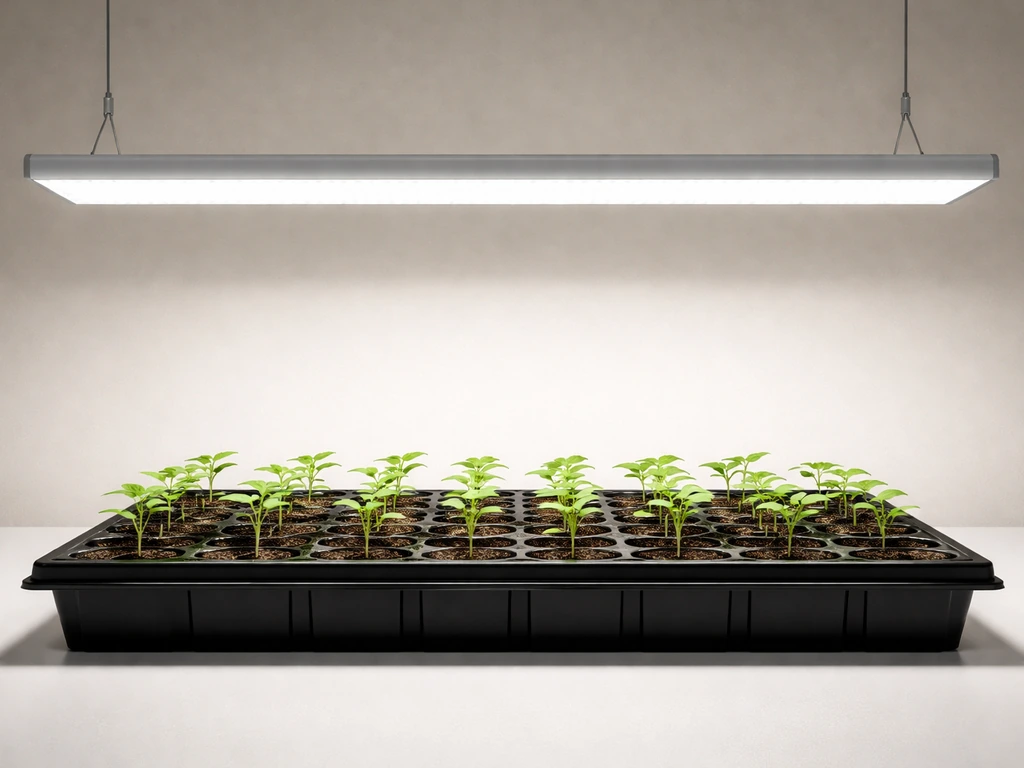
This is where the Artika Sunray earns its keep. At 6-12 inches above a seedling tray, the 1x4 panel delivers enough PPFD for germination and early leaf development without overdriving delicate seedlings. The diffuse, wide-angle output from a flat panel actually suits this stage better than a directional LED bar, because it reduces shadow variation across a full 72-cell tray. The 4000-5000K spectrum has adequate blue content to keep seedlings compact and prevent excessive stretch. If you're only running seeds on a shelf and moving them outside or to a more powerful light later, the Artika Sunray 2-pack covers a standard 2x4 shelf comfortably at this stage.
Vegetative growth
For leafy vegetables, lettuces, and herbs in veg, the Artika panels can sustain growth through a full cycle, especially in a 2-panel configuration over a single 2x2 or 2x4 area. The limitation is intensity: at the 12-18 inch mounting heights typical for a shelf grow, measured PPFD tends to land in the 150-280 µmol/m²/s range depending on exact mounting distance, which is on the lower end for productive vegetative growth. Plants grow, but more slowly than under a purpose-built 200-300W horticulture LED. Tomatoes, peppers, and cannabis in veg will feel the shortfall more than basil or spinach.
Flowering and fruiting
This is where the Artika Sunray has real limitations. Flowering plants need higher intensity and a red-heavy spectrum, and a utility flat-panel LED is not designed to deliver either. The panel's spectrum lacks a meaningful 660 nm red peak, and the total output isn't sufficient to drive dense bud development or high fruit set in tomatoes and peppers. You'll get flowers, but yields will be noticeably lower than with a dedicated full-spectrum grow light at equivalent wattage. For anyone growing light-sensitive crops through a full flowering cycle indoors, this is not the right tool.
Herbs, greens, and microgreens
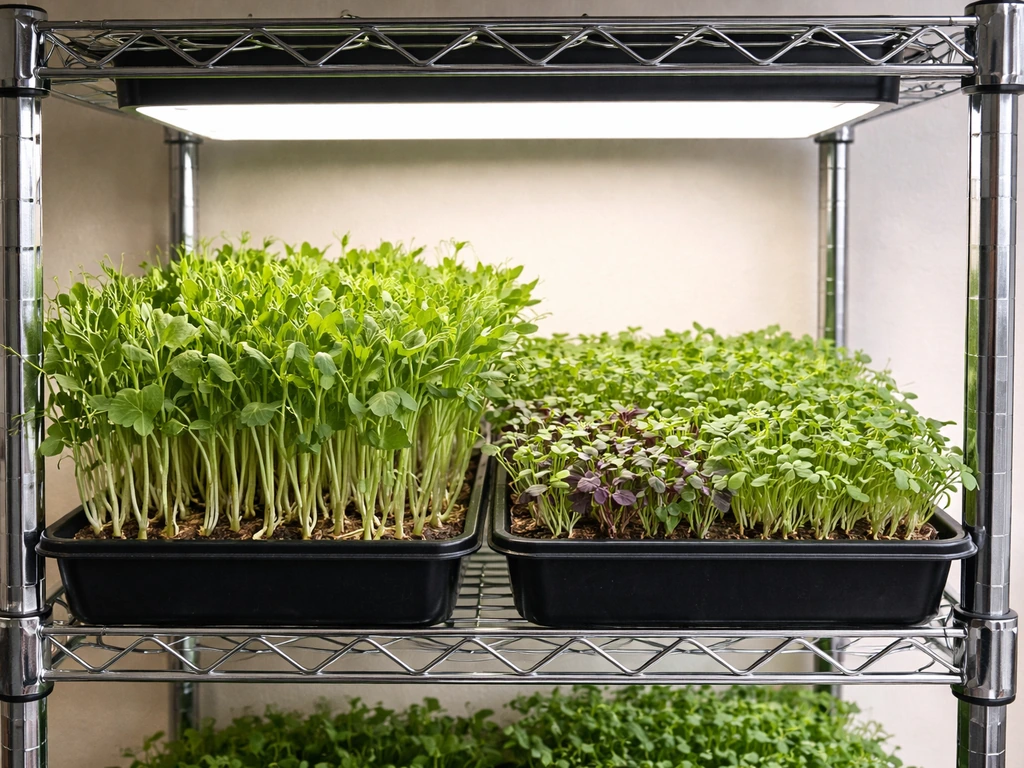
The best actual use case for the Artika Sunray at Costco pricing is exactly this: a kitchen herb shelf, a lettuce tower, or a microgreens rack. These crops are low-demand, short-cycle, and thrive under the 4000-5000K spectrum. The flat-panel form factor works well on wire shelving, the light is low-heat and safe near edibles, and the diffuse output means you don't need to fuss much with exact mounting height. Two panels covering a 2x4 shelf will keep basil, cilantro, mint, and lettuces producing reliably.
Build quality, safety, warranty, and reliability
The Artika Sunray is a reasonably well-built utility LED for the price. The housing is thin aluminum-backed plastic, which manages heat passively without a fan. No fan noise is a real advantage on a home shelf setup. The panel feels lightweight and slightly flex-prone compared to commercial grow lights, but it's not flimsy for residential use. The LEDs are mounted in a diffuser that distributes light evenly without visible hot spots, which is a build quality positive.
On the safety side, the FLP14-SRC-2PK carries FCC approval (confirmed through the FCC filing for related FLP14-series variants) and is built for residential use. Artika is a real brand with real warranty support, not a no-name drop-ship product. blank" rel="noopener noreferrer">The 3-year limited warranty from the date of purchase (for residential use only, per the Costco listing) is above average for a light in this price category. The Costco listing for the Artika Sunray 1' x 4' Flat Panel LED Light (2-pack), Item 1933444 and model FLP14-SRC-2PK, states a “Three (3) years limited warranty” for residential use. Walmart-brand or generic grow lights at similar prices often offer 1 year or less.
Practical reliability concerns are mild but worth knowing. The driver inside flat-panel LEDs is the most common failure point, and passive-cooled panels run their drivers warmer than active-cooled designs. In a cool room with good airflow around the fixture, expect 3-5 years of use before any degradation becomes noticeable. In a hot, enclosed cabinet with poor ventilation, driver lifespan shortens. The 3-year warranty covers the most likely failure window. Return through Costco is straightforward within the standard return window, and warranty claims go through Artika directly after that.
Energy efficiency and what it actually costs to run
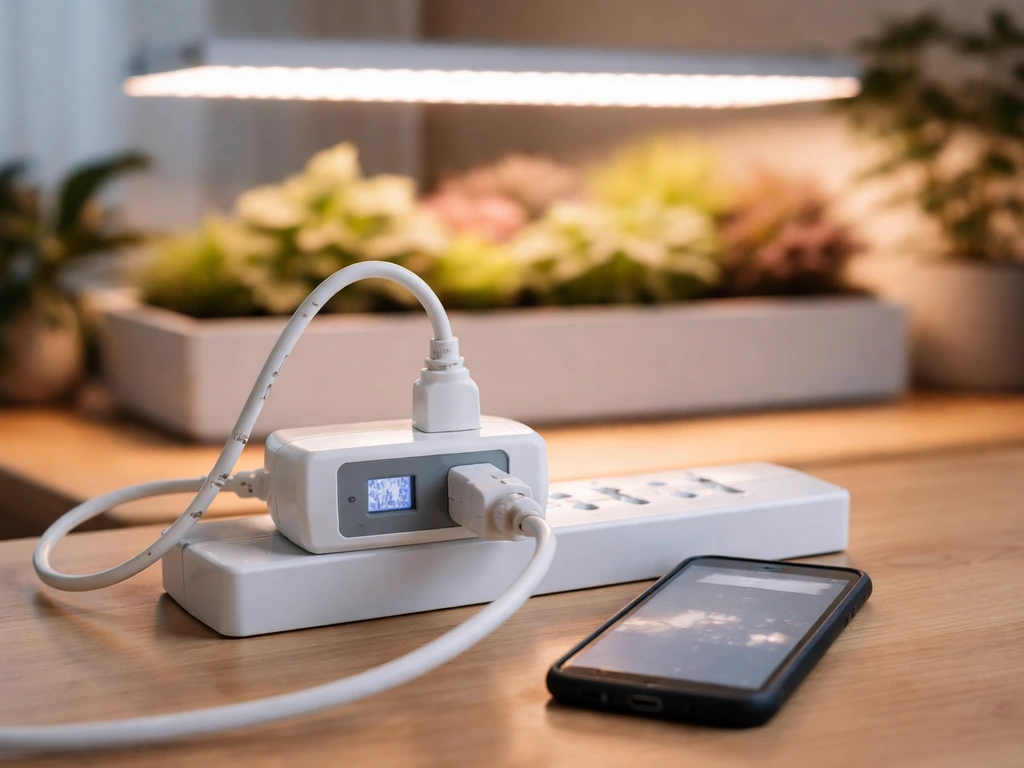
The Artika Sunray FLP14-SRC-2PK is a utility LED, not a horticultural LED engineered for maximum photon-per-watt efficiency. Understanding the difference matters for running costs. Here's a practical breakdown.
Each 1x4 panel in the 2-pack draws approximately 40-50 watts at the wall (check your specific model label for the exact wattage). Running both panels together, you're looking at 80-100 watts per session. At a standard 16-hour photoperiod for vegetative growth and herbs, that's about 1.3-1.6 kWh per day. At the U.S. average residential electricity rate of roughly $0.16/kWh as of mid-2026, you're spending around $0.21-$0.26 per day, or about $6-8 per month. That's genuinely low, which is part of what makes this light reasonable for low-demand crops.
The efficiency metric that matters most for grow lights is micromoles of photons per joule (µmol/J). Purpose-built horticulture LEDs from brands like Spider Farmer, Mars Hydro, or AC Infinity typically achieve 2.5-3.0+ µmol/J. The Artika Sunray, as a utility panel not engineered for PAR output, likely lands in the 1.2-1.8 µmol/J range. That means you're getting roughly half the usable plant light per electricity dollar compared to a dedicated grow light. For herbs and seedlings this trade-off is acceptable because you don't need maximum photon output. For high-demand crops, you'd spend twice as much on electricity to get the same results, which erases the initial purchase savings quickly.
| Photoperiod | Wattage (2 panels) | Daily kWh | Monthly Cost (at $0.16/kWh) |
|---|---|---|---|
| 12 hours (flowering) | 80-100W | 0.96-1.2 kWh | $4.60-$5.76 |
| 16 hours (veg/herbs) | 80-100W | 1.28-1.6 kWh | $6.14-$7.68 |
| 18 hours (seedlings) | 80-100W | 1.44-1.8 kWh | $6.91-$8.64 |
How the Artika Sunray compares to mainstream grow light alternatives
The most useful comparison isn't just price, it's price relative to what you actually get in performance. Here's how the Costco Artika option stacks up against commonly reviewed alternatives in the same budget tier and the next tier up. If you are specifically looking for wills grow light reviews, compare the spectrum and PPFD targets first, then check whether the claimed coverage matches your setup commonly reviewed alternatives.
| Light | Type | Approx. Price | Efficiency (µmol/J) | Best Use Case | Warranty |
|---|---|---|---|---|---|
| Artika Sunray FLP14-SRC-2PK (Costco) | Flat-panel utility LED | $60-80 (2-pack) | ~1.2-1.8 | Herbs, seedlings, greens | 3 years (residential) |
| Spider Farmer SF-1000 | Full-spectrum LED panel | $90-110 | ~2.7 | Veg and light flowering | 3 years |
| Mars Hydro TS-600 | Full-spectrum LED panel | $60-80 | ~2.3 | Seedlings to light veg | 3 years |
| AC Infinity IONBOARD S22 | LED bar array | $130-150 | ~2.9 | Veg to flowering | 3 years |
| Generic Walmart LED grow panel | Blurple or utility LED | $25-40 | ~0.8-1.2 | Seedlings only | 1 year or less |
The Artika Sunray sits in an interesting middle position. It's priced similarly to entry-level dedicated grow lights like the Mars Hydro TS-600, but its photon efficiency is meaningfully lower. What it offers is a legitimate brand with real warranty support, a clean form factor that doesn't look out of place on a home shelf, and the convenience of Costco's return policy. If you're growing herbs and greens and want something you can grab in-store without waiting for shipping, it's a defensible choice. If you're comparing it to what you'd get from a purpose-built horticulture LED at the same price, the dedicated grow light wins on plant performance.
If you've been looking at grow lights from other accessible retail channels, the comparison holds in similar ways. Generic Walmart grow lights typically underperform even the Artika at the same wattage, with weaker spectrum engineering and shorter warranties. On the other end, specialty brands offer meaningfully better efficiency and spectrum quality at only a modest price premium. The Costco Artika lands above the bargain-bin category but below what a serious indoor gardener would choose for a full crop cycle.
Setup tips that actually make a difference
Mounting height
For the Artika Sunray flat panel, mounting height has a big effect on PPFD because the panel isn't a high-intensity source. Closer is generally better within reason. For seedlings, 4-8 inches above the tray works well without bleaching risk. For herbs and greens on a shelf, 8-14 inches is the practical sweet spot. Below 6 inches you may get slight intensity variation from center to edges; above 16 inches and you're losing meaningful light energy without gain in uniformity. Unlike a high-power horticulture LED, you don't need to worry about light burn from this panel at typical shelf distances.
Timers and photoperiod
The Artika Sunray does not have built-in dimming or a programmable timer. You'll need an external outlet timer, which costs $10-15 and is worth every cent. Set it to 16 hours on/8 hours off for herbs and leafy greens, 18/6 for seedlings, and 12/12 if you're attempting to trigger flowering (though this light isn't well-suited for that stage). Consistent photoperiod matters more than most growers realize: irregular light schedules stress plants and reduce growth rate even when the light itself is adequate. A mechanical or smart outlet timer solves this completely.
Sizing the light for your space
One 1x4 Artika Sunray panel covers approximately 1-1.5 square feet of effective growing area for herbs and greens at adequate PPFD. The 2-pack therefore handles a 2-3 square foot area well, which maps closely to a standard 2-shelf grow rack section or a kitchen countertop tray. For a full 2x4 grow tent, you'd want at least four panels (two 2-packs) to approach the minimum PPFD for vegetative growth, and even then you'd be at the low end. A better use is two panels over a single 2x2 shelf for herbs, or one panel per 12x24 inch seedling tray. Don't try to stretch the footprint: under-lit plants are a common mistake and the light intensity drop-off at panel edges is real.
A few practical extras worth knowing
- Use reflective surfaces on shelf walls (white foam board or Mylar) to recover edge light loss and improve effective uniformity
- The passive design means no fan noise, but make sure there's a few inches of clearance above the panel for heat dissipation
- If you want to run multiple 2-packs, daisy-chain capability depends on your specific model suffix — check the manual for your exact FLP14 variant before wiring multiple panels to one outlet
- These panels are not waterproof and are not rated for humidity-heavy enclosed tents without airflow — use them on open shelves or well-ventilated racks
- Register your warranty with Artika after purchase; Costco's 90-day return window is your first safety net, but the 3-year Artika warranty kicks in after that and is worth having on file
The bottom line on Costco grow lights
The Artika Sunray FLP14-SRC-2PK is a legitimate product with a real warranty, safe build quality, and a useful form factor for low-demand crops. If you came here searching for an “apelila grow light review,” this is the same kind of evaluation: check spectrum and intensity, then match the light to your crop goals.
It's a good choice if you want a shelf herb garden, a seedling station, or a microgreens setup and value the simplicity of buying through Costco with easy returns. It's not a serious horticulture tool for veg-to-flower grows, tomatoes, or cannabis, and its photon efficiency is well below what you get from a purpose-built grow LED at the same price point.
If you're growing anything beyond herbs and greens, spending $10-30 more on a dedicated full-spectrum LED from a brand like Spider Farmer or Mars Hydro gets you meaningfully better results per watt. If you’re comparing options before buying, these Wakyme grow light reviews can help you see how other full-spectrum models perform for similar crops dedicated full-spectrum LED. Know what you're growing, match the tool to the crop, and the Costco option can absolutely earn its spot on your shelf.
If you specifically want more opinions on this Costco grow light, check wills grow light reviews for additional real-user takeaways. If you want the quick take, this IKEA grow light review angle focuses on how the fixture performs for seedlings and herbs, plus what to watch for in spectrum and brightness.
FAQ
Can the Costco Artika Sunray 2-pack be used for flowering, like tomatoes, peppers, or cannabis?
Yes, but only as a limited solution. For cannabis in veg it can work if you keep mounting height in the recommended shelf range and accept slower growth, but it is unlikely to produce dense flowering because its spectrum lacks a meaningful red peak and its photon output is not built for bud development. If you do try it, run an adequate photoperiod with an outlet timer and measure PPFD at the canopy, not the center of the panel.
What should I do if my plants look too leggy or growth slows, can I just raise the light or extend the timer?
If you have to raise the lights, increase panel count or move closer rather than compensating by using longer hours. Extending photoperiod past typical veg windows may increase stretching or nutrient demand without fixing low PPFD. In practice, if your measured PPFD drops below the target range, the better fix is repositioning (within safe spacing) or adding more panels to cover the area evenly.
How do I avoid wasting money by under-covering my grow area?
Look at your use case, not only crop type. This panel is best at seedling and herb intensity, but if your tray is much larger than the effective footprint, plants at the edges will underperform even if the center looks fine. The most common mistake is assuming advertised size equals usable intensity, so map coverage with PPFD readings at multiple grid points or use a conservative target footprint.
Is there a way to dim the Artika Sunray if seedlings are getting stressed?
The Artika Sunray does not provide built-in dimming, so you cannot dial it down safely for height sensitivity other than changing mounting height and using fewer panels over a portion of the tray. For seedlings that are getting stressed, raise the light slightly, reduce the number of panels covering the canopy, and tighten your photoperiod schedule rather than trying to “dim” it with an internal control.
What’s the best way to schedule light time for herbs and seedlings with this panel?
Use a quality mechanical or smart outlet timer set to consistent daily blocks. For shelf setups, aim for a stable schedule (for example 16/8 for herbs and leafy greens) and avoid frequent manual on-off changes. Even when the plants tolerate the intensity, inconsistent timing can reduce growth rate, so prioritize schedule reliability over small tweaks.
Will the Artika Sunray cause light burn, and how can I tell if it’s too close?
For most shelf herb and seedling situations, it is unlikely to be a burn hazard at the typical mounting heights discussed, but “burn” can still happen if you mount extremely close or if only one side of a shelf receives full intensity. If you see bleached patches, raise the panel and confirm uniformity rather than assuming it is the spectrum.
How can I tell whether my mounting height is giving uniform light, not just enough light?
Mounting height affects both average PPFD and uniformity, so test your setup after you decide where the lights will live. If your canopy is uneven, the center-point reading can mislead you, because hot spots and edge drop-off change with distance. The decision aid is to verify PPFD at several grid points, then adjust height until your uniformity ratio is at least around the acceptable threshold.
If my box label has a suffix after the model number, does that affect warranty or documentation?
For replacement parts and documentation, match the full model string from the label, including any suffix after the base model. The article notes that suffix variations can exist within the same family, and that matters if you need manuals, warranty registration details, or specifications tied to a particular driver configuration.
What if my Costco unit does not say Artika on the label, how do I confirm what I’m buying?
Costco sometimes sells similar-looking white-label panels, so do not rely on photos alone. Check the FCC ID and then identify the manufacturer and exact model string before assuming it matches the Artika performance expectations or before ordering anything like drivers, cords, or manuals. This is especially important if the unit is sold under a Kirkland or third-party label.
How do I estimate my real monthly electricity cost for the Artika Sunray?
Set expectations on electricity by using your own wattage from the label, not only the typical range. If your specific model draws closer to the high end, your daily cost increases proportionally, and if you only run it 12 hours instead of 16 you reduce cost, but not linearly for plant results because PPFD still governs growth.
Can I use the 2-pack inside a 2x4 tent, and how many panels do I actually need?
Yes, but plan carefully for coverage. The 2-pack is usually enough for a small shelf section at herb or seedling intensity, but a full 2x4 tent typically needs several panels to avoid under-lighting edges. The practical mistake is placing too few panels over the tent and then expecting the center performance to generalize.