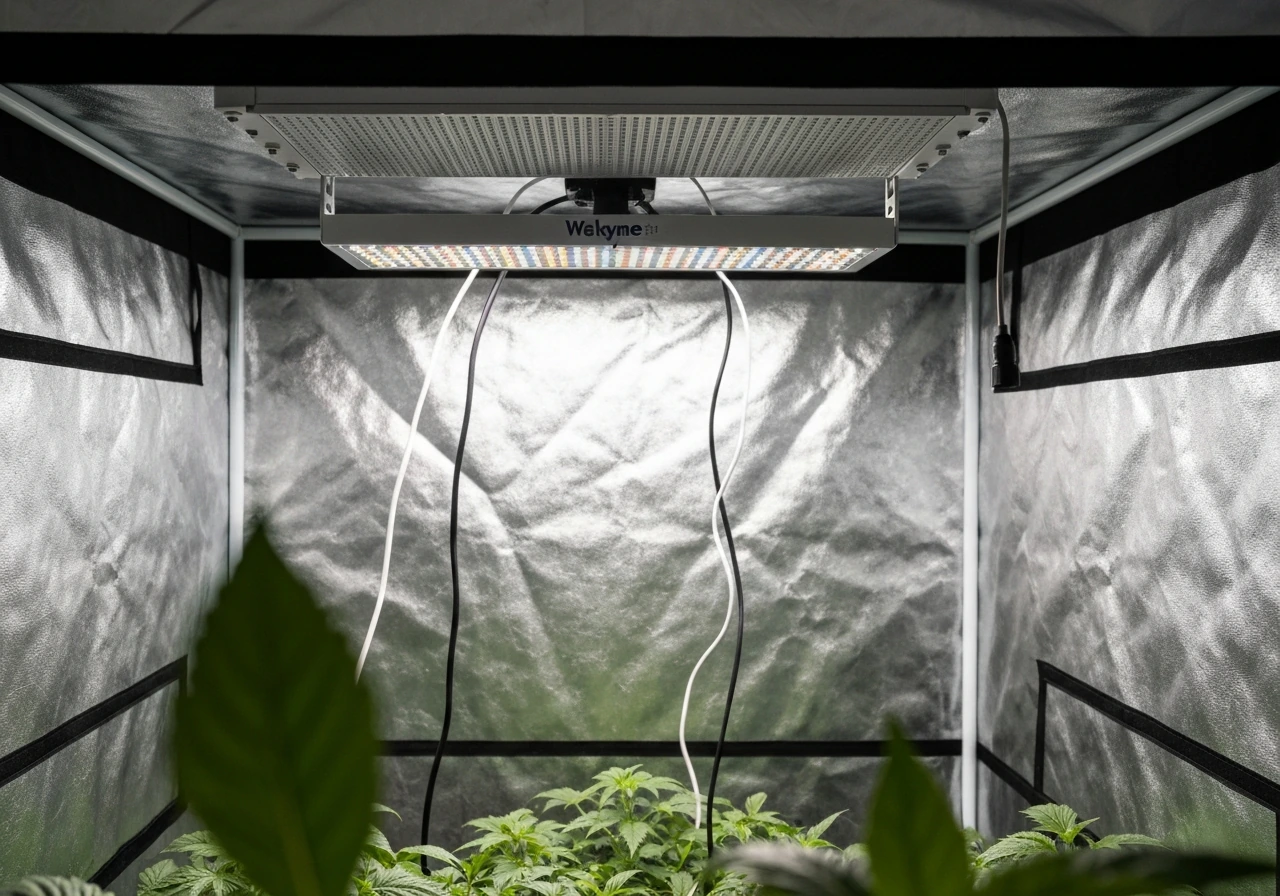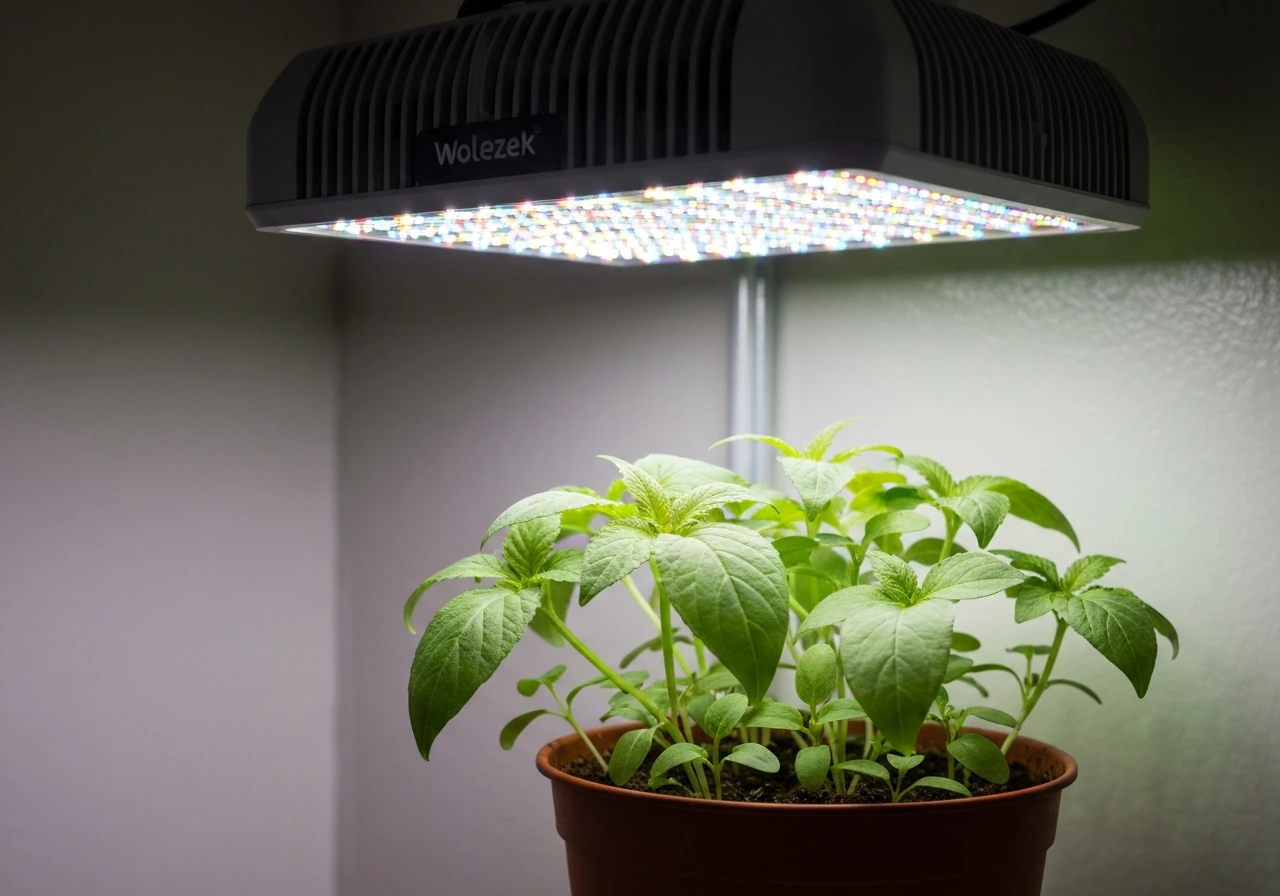
Wills grow lights are a budget-tier LED brand sold primarily on Amazon and through third-party marketplaces. If you've landed here after searching for reviews, the short answer is: they're functional, affordable lights that work reasonably well for small grows and early plant stages, but you need to understand exactly what you're buying before you expect them to carry a full flowering cycle in anything larger than a 2x2 or 2x3 tent. The 'wattage' numbers on the box are marketing figures, not actual power draw, and the PPFD data Wills publishes is thin. This review digs into what the models actually are, what they can and can't do, and which one (if any) makes sense for your setup.
Wills Grow Light Reviews: Best Models Tested for Indoor Plants

Marcus Caldwell
19 Apr 2026
Which Wills grow light models are people actually talking about?
The Wills lineup is a little scattered across listings, so it helps to pin down the specific models before comparing anything. Most searches resolve to a handful of distinct products: the WILLS 600W (available in at least two versions, including a Reflector-Series and an Upgraded 600W with dual veg/bloom switches), the WILLS WL-6500 (marketed as a 640W unit with a 6x6 ft coverage claim), and the WILLS WD-6 (sold in 100W and 600W variants under the same model name). There are also older 'dual chip' 600W listings that have been flagged for inflated review counts on review-analysis tools like Fakespot, so keep that in mind when reading user feedback on those specific listings.
The naming creates real confusion because '600W' means something different across every version. The MercadoLibre listing for the 600W, for example, specifies ~102W actual power draw, which is a massive difference from 600W. The WL-6500 is advertised as 640W but does not disclose its true draw clearly in the listing. When you see a Wills listing, always scroll past the headline wattage and look for 'actual wattage,' 'energy consumption,' or the product spec sheet. If that number isn't there, that's your first warning sign.
Quick verdict: who should buy Wills, and who should skip it
Buy a Wills grow light if you're starting seeds, propagating cuttings, or growing low-to-medium-light herbs and greens in a small space (think a 2x2 to 3x3 area). The 600W models at their actual ~100W draw are honestly fine for that use case and the price point (around $83 CAD on Amazon) is hard to argue with. If you're doing full-cycle cannabis grows, fruiting vegetables, or anything that demands high PPFD at canopy (say, 600+ µmol/m²/s consistently across a 4x4 tent), skip Wills entirely. You'll hit the ceiling fast and end up buying a second light anyway. Brands with published, third-party-verified PPFD maps and actual wattages in the 200-400W true draw range will give you far better results per dollar at that scale.
What actually matters when reviewing a grow light like this
Most grow light marketing is built around numbers that aren't directly useful to your plants. Lux, for example, measures light intensity weighted toward human vision, not plant photosynthesis. One user measurement cited for a Wills 600W was 'over 65,000 lux' at a specific distance with both switches on, and that sounds impressive, but lux doesn't tell you what your plants are actually receiving in photosynthetically active wavelengths. The number you want is PPFD (photosynthetic photon flux density), measured in µmol/m²/s, which tells you how many photons in the 400-700nm range are hitting a square meter every second.
From there, you multiply PPFD by your photoperiod in hours to get DLI (daily light integral), which is the real driver of growth rate and yield. Seedlings typically need a DLI of around 6-12 mol/m²/day. Vegetative growth benefits from 15-25, and flowering plants often want 25-40 or higher depending on species. A quantum/PAR meter is the only reliable way to verify that a fixture is actually delivering what you need at canopy height, and a calibrated Apogee or similar sensor will always outperform a smartphone lux app converted to PPFD estimates.
Beyond raw PPFD, coverage uniformity matters a lot. A light might hit 800 µmol/m²/s directly underneath but drop to 200 at the edges of a 3x3, which gives you uneven growth across the canopy. Spectrum quality, dimming resolution, build durability, and heat management round out the practical review criteria. Wills addresses all of these features to some degree, but not always in ways that are independently verifiable.
Model-by-model breakdown
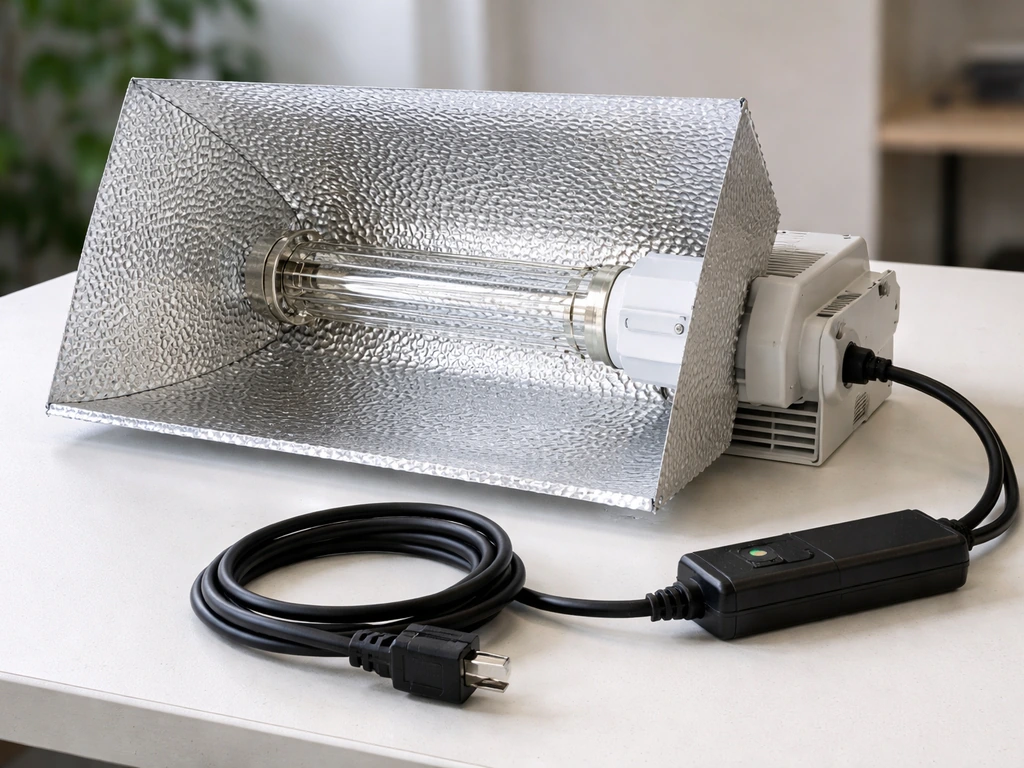
WILLS 600W (Reflector-Series and Upgraded versions)
This is the most commonly reviewed Wills model. The actual draw on the 600W is approximately 100-102W based on the product spec listings, which puts it in the same ballpark as a quality 100W LED from a more reputable brand. 101GrowLights reports the WILLS Newest Reflector-Series 600W consumes about 102W of power and includes a dual Veg/Bloom switch plus daisy-chain capability. It uses a dual-switch design with separate Veg and Bloom modes, daisy-chain capability (up to 6 units per chain), and a reflector housing designed to concentrate output downward. The listed coverage claim is up to 4.5x4.5 ft, but realistically that's for low-demand plants. For any kind of canopy that needs intensity, treat this as a 2x2 to 2.5x2.5 ft light in practice. The Reflector-Series version carries a two-year warranty and advertised customer support, which is better than many budget competitors.
Build quality is middle-of-the-road for this price tier. The 600W uses a double high-speed fan and an aviation aluminum heatsink, and heat output is genuinely lower than comparable HPS or MH setups of similar output. Noise from the fans is noticeable in a quiet room but not disruptive. Setup is fast, usually under 10 minutes, and the daisy-chain function is actually useful if you're filling a larger space with multiple units instead of buying a single high-output fixture. The veg and bloom switch design is simple but effective for basic cycle management.
WILLS WL-6500 (640W, 6x6 ft claim)
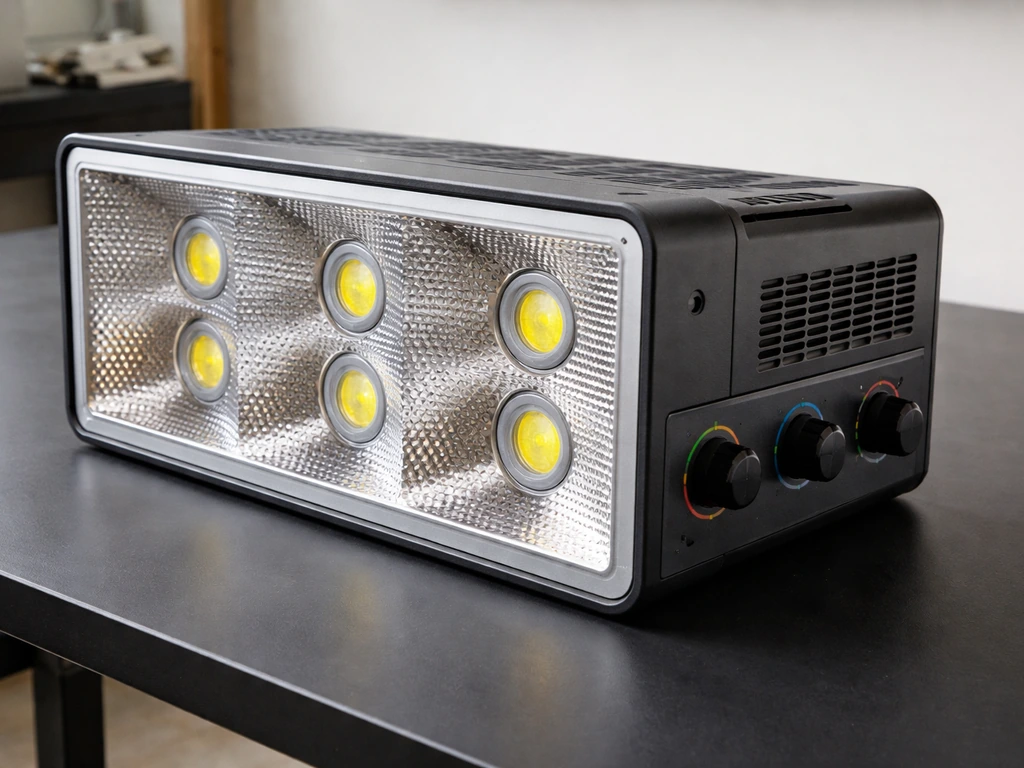
The WL-6500 is Wills's most feature-rich model on paper. It's sold as a 640W fixture with a 6x6 ft coverage footprint and includes three separate dimming controls: one each for Veg, Bloom, and UV channels. The LED mix includes 660-665nm red, 730-740nm far-red, 3000K warm white, and 6500K cool white emitters, plus dedicated UV and IR supplemental diodes. The IP65-rated waterproof power supply and PC cover with 90% light transmittance are legitimate features worth noting. The aluminum heatsink on the back is described as high-dissipation, and there's no fan noise concern from the heatsink itself, though the power supply fan (if present) would be the noise source to check.
The problem with the WL-6500 is the same transparency issue: the listing claims 640W but does not clearly state the actual draw. A 6x6 ft coverage claim at meaningful PPFD for flowering plants would require a fixture actually drawing 600W or more with solid efficiency, which would be genuinely impressive at this price. Without an independently measured PPFD map, treat the 6x6 claim as best-case for low-demand plants and expect usable flowering coverage closer to 4x4 ft. The three-dimmer design with UV/IR control is genuinely useful for dialing in spectrum at different growth stages, and this model is the better pick if you want spectrum flexibility over a larger footprint.
WILLS WD-6 (100W and 600W variants)
The WD-6 is a slightly older model line, sold in both 100W and 600W versions under the same naming. Physical dimensions are roughly 12.5 x 8.5 x 2 inches (for the units listed in the auction catalog), making this a compact bar-style or panel fixture. It includes Veg and Bloom spectrum switching and fits a daisy-chain use pattern. These appear frequently in used/liquidation markets. The 100W variant is straightforwardly useful as a small supplemental light or for a dedicated seedling tray. The 600W WD-6 follows the same caveats as the 600W Reflector-Series: actual draw is far below 600W, and real coverage is limited to small footprints.
| Model | Advertised Wattage | Est. Actual Draw | Coverage Claim | Dimming/Controls | Spectrum Features | Daisy Chain |
|---|---|---|---|---|---|---|
| WILLS 600W Reflector-Series | 600W | ~100-102W | Up to 4.5x4.5 ft | Veg/Bloom switches | Full spectrum, dual chip | Yes (up to 6 units) |
| WILLS Upgraded 600W | 600W | ~100-102W | Up to 4.5x4.5 ft | Veg/Bloom switches | Full spectrum, 10W chips x60 | Yes |
| WILLS WL-6500 | 640W | Not disclosed | 6x6 ft (claimed) | 3 dimmers: Veg/Bloom/UV | Multi-channel: 660nm, 730nm, 3000K, 6500K, UV, IR | Not specified |
| WILLS WD-6 100W | 100W | ~100W (likely accurate) | Small/seedling area | Veg/Bloom | Full spectrum | Yes |
| WILLS WD-6 600W | 600W | ~100W (estimated) | Small footprint | Veg/Bloom | Full spectrum | Yes |
Value, operating cost, and what to expect over time
At roughly $80-100 USD for the 600W models, Wills sits at the very low end of the grow light market. Running a 100W actual-draw unit at $0.12/kWh for an 18-hour vegetative cycle costs about $0.22 per day, or roughly $6.50 per month. At a 12-hour flower cycle it drops to around $0.14 per day, or about $4.30/month. These are genuinely low operating costs, and it's one of the most defensible arguments for the Wills 600W in a small veg/herb setup.
The lifespan claim on the WL-6500 listing is 50,000 hours for the LEDs themselves, which at 18 hours/day would be roughly 7.6 years before the diodes hit their rated end-of-life. In practice, the first failure point in budget LED fixtures is usually the driver or the fans, not the diodes, so real-world longevity depends more on build quality of those components than on the LED rating. The two-year warranty on the Reflector-Series 600W is a reasonable safety net for the price. That said, independent durability data on Wills fixtures past the two-year mark is sparse. Budget appropriately.
Compared with similarly priced options in the budget segment, Wills holds its own on upfront cost but falls behind brands that publish honest actual-wattage specs and PPFD maps. If you want, you can use this Walmart grow light review as a starting point to sanity-check wattage, coverage, and real PPFD before you buy. If you want a second, more mainstream option to compare against this Wills setup, see the ikea grow light review. If you're spending $100 and want the most verifiable performance, there are brands at a similar or slightly higher price point that publish independently tested data, which makes it easier to know what you're getting. Wills is a reasonable gamble for a first light or a low-stakes setup; it's a harder sell if you're going into a more serious grow.
Which Wills model fits your space and growth stage
Here's how to match a Wills model to your actual situation, using realistic performance expectations rather than the advertised coverage claims.
- Seedlings and propagation in a 2x2 tent: The WILLS 600W Reflector-Series or WD-6 100W works well here. Keep it at 24 inches or more above the tray to avoid bleaching tender seedlings. Either Veg switch on is sufficient; no need for both.
- Herbs and greens in a 2x2 to 2.5x2.5 space: The 600W models at full Veg+Bloom output cover this comfortably. These plants don't need high PPFD, and you'll likely get satisfying results without overthinking it.
- Full vegetative cycle in a 3x3 tent: Workable with one WILLS 600W, but you'll want to hang it at 18-20 inches and monitor for canopy edges getting less light. Daisy-chaining two units solves this if the budget allows.
- Flowering in a 2x2 to 2.5x2.5 space: This is the realistic limit for the 600W models in flower. Keep expectations calibrated: light-hungry cultivars like tomatoes or cannabis may need supplemental light or a second unit to hit adequate PPFD for peak flowering.
- Larger spaces (4x4 and beyond): The WL-6500 is a better match if you need to cover more ground, but verify actual draw before buying. Alternatively, daisy-chaining 3-4 units of the 600W model with the Veg+Bloom channels running is a viable (if less elegant) option.
- Multi-stage room with veg and flower simultaneously: The WL-6500's three-channel dimming (Veg/Bloom/UV independently) gives you more flexibility to tune the spectrum for different zones or stages without buying separate fixtures.
How to verify performance after you buy, and fix it if results disappoint
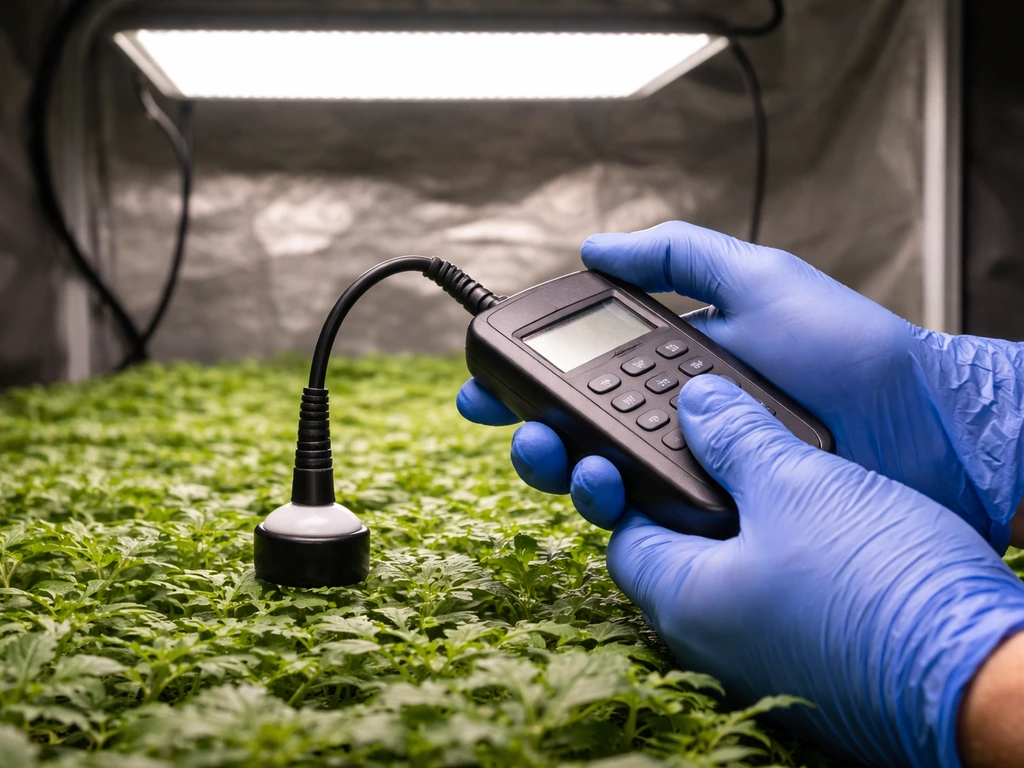
Measure before you trust the specs
The single most useful thing you can do after receiving any grow light, including Wills, is measure actual PPFD at canopy height using a quantum sensor or PAR meter. A calibrated sensor like an Apogee SQ-520 or similar handheld quantum meter will give you readings in µmol/m²/s that you can directly compare against DLI targets for your crop. Do a simple grid measurement: take readings at 9 points across your grow area (3x3 grid) at the height your canopy will sit, and average them. If center PPFD is dramatically higher than edges, raise the fixture or consider adding a second unit to improve uniformity.
Don't rely on smartphone apps that convert camera input to lux and then lux to PPFD. The conversion factor varies widely by light spectrum and these apps have known accuracy issues, as any experienced grower will tell you. Even a basic handheld PAR meter is a worthwhile investment if you're growing more than a tray of herbs.
Common underperformance issues and how to address them
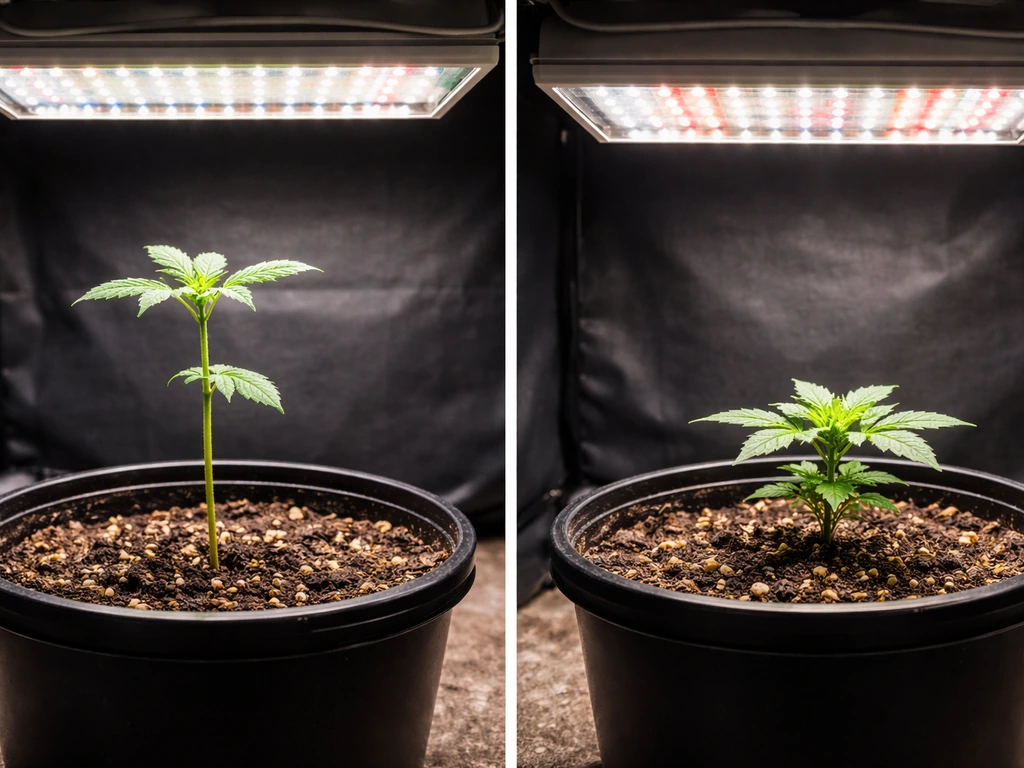
- Plants are stretching and leggy: This is usually a PPFD deficiency. Lower the fixture 2-4 inches at a time and re-check. If you're already at the minimum recommended distance (around 18-20 inches for most Wills models) and still seeing stretch, you need more total light output, either a second unit daisy-chained in or a higher-output fixture.
- Canopy edges look lighter green or grow slower than the center: Classic uniformity problem. Raise the fixture slightly to spread the beam wider, or rotate plants weekly so all positions get equal center exposure over time.
- Leaves are bleaching or showing light burn near the top: Too close, or too much intensity for the strain/stage. For the 600W models, 20-24 inches is a safe starting point and you can reduce from there gradually.
- No improvement after weeks under Veg-only switch: Turn on the Bloom channel too. Some growers keep Veg-only for early seedlings, but most plants after week 2-3 benefit from running both channels, especially if blue and red are both part of the full-spectrum mix.
- Fixture isn't delivering expected results in flower: This is where Wills lights most often disappoint buyers who expected performance beyond their actual draw. The honest solution is adding a second Wills unit via daisy chain or supplementing with a dedicated high-output light for flower. Adjusting distance alone won't change the total photon budget the fixture can emit.
Checking the wattage claim yourself
A simple plug-in power meter (often called a Kill-A-Watt or similar) costs under $20 and tells you exactly how many watts your fixture is drawing from the wall in real time. Plug the grow light in through the meter with all channels at full power and you'll have your real consumption number within seconds. For the Wills 600W models, expect to see around 100-110W. If you want a quick walkthrough, read the Costco grow light review next to compare expectations on wattage, coverage, and real PPFD around 100-110W. For the WL-6500, this measurement is particularly important because the listing is vague about actual draw. Whatever you measure is the number you use to calculate your electricity cost and efficiency in µmol/J.
If you're comparing Wills against other brands at a similar price, this site covers budget and mid-range options across the spectrum, including units from brands like Wakyme, Wolezek, and Apelila that sit in a similar tier with their own trade-offs. If you are also considering Apelila fixtures, use the same verification steps to confirm real wattage and PPFD at canopy height before you commit. If you're also looking at Wakyme options, use this same approach to find trustworthy wakyme grow light reviews and verify the actual wattage and PPFD. If you are also considering a Wolezek grow light, it helps to apply the same verification approach and check actual wattage and PPFD instead of relying on marketing coverage claims. The same verification steps apply to all of them: measure actual draw, measure PPFD at canopy, and build your setup decisions around those real numbers rather than the advertised specs.
FAQ
How can I tell if the “600W” Wills listing I’m looking at is the real 100W draw version or a higher-draw variant?
Before buying, look for a stated “actual wattage,” “power consumption,” or a spec sheet that lists input watts. If none is shown, use a plug-in power meter after arrival and record watts at full power with every channel enabled. If your meter shows around 100 to 110W, treat it as a small-footprint light even if the page claims 600W.
Will Wills grow lights work for full flowering if I raise the light higher or add more hours?
Raising the fixture higher usually reduces canopy PPFD and worsens edge coverage, it rarely compensates for underpowered output. More hours can help, but only up to the point your DLI target is met, and many Wills units will still struggle with uniformity across a larger tent. The better move is to keep your canopy within a smaller footprint (often closer to 2x2 or 2.5x2.5), or add a second unit and confirm PPFD with a meter.
What PPFD or DLI targets should I use if I’m unsure what my plant needs?
Start with DLI targets rather than marketing wattage. As a baseline, aim for roughly 6 to 12 mol/m²/day for seedlings, 15 to 25 for vegetative growth, and 25 to 40+ for flowering depending on species and cultivar. Then measure canopy PPFD at your actual hang height and adjust photoperiod or dimming to hit those DLI numbers.
Can I rely on lumen or lux readings instead of PPFD for choosing a Wills light?
Not reliably. Lux is weighted for human vision and changes with spectrum, so it can significantly overstate or understate what plants receive. If you only have a phone, treat it as a rough consistency check at best, the decision metric should be PPFD measured with a quantum or PAR meter at canopy height.
How do I measure coverage uniformity with a Wills light so I know if edges are getting enough?
Do a simple grid test, for example a 3x3 grid across the area you plan to grow in, at the exact canopy height. Record PPFD at each point, calculate the average, then compare the lowest third of readings to the center. If edges are far lower, you’ll see uneven growth, and you should reduce area per fixture or add another light to balance intensity.
What should I check on the WL-6500 dimmers before trusting the spectrum control claims?
Confirm two things after you install it: whether dimming channels reduce power proportionally (not just light output perception), and whether the UV and IR channels are actually present and operational. Because the listing may not clearly state actual draw, your plug-in meter reading is crucial, then verify PPFD changes with the dimmer settings using a PPFD meter.
Are there any noise or heat concerns specific to using Wills lights in small tents?
Expect fan noise from the air movement system, especially in quiet rooms or small tents where sound reflects off fabric walls. Heat is usually manageable compared to traditional HPS-style setups at similar output, but you should still check temperatures at canopy height and ensure the driver and fans are not being blocked by the tent wall or ducting.
Is daisy-chaining multiple Wills fixtures safe and does it change performance?
Daisy-chaining can be convenient, but verify the maximum units per chain stated for your exact model and power supply version. Also measure real watts and PPFD again after adding units, because shared power limits and placement can affect uniformity and total coverage. If the listing gives vague limits, do not exceed them.
How do I calculate electricity cost per plant if I’m using a controller, not fixed on/off timers?
Base your calculation on real energy draw. Measure watts with a plug-in meter at the same dimmer and channel settings you plan to use, then multiply by your controller schedule’s average on-time hours per day. For accurate results, measure in the same growth stage because changing dimming and channels can change actual power draw.
What’s the most common buying mistake with Wills lights for people reading “reviews”?
Assuming the wattage and coverage claims are comparable to real high-output fixtures. Many reviews are about small tents and seedling stages, and some listings have confusing or inflated specs. Always verify actual wattage from the listing if possible, then confirm with a meter after delivery and judge suitability by measured canopy PPFD and uniformity.
Do I need a warranty-approval plan if I’m buying Wills from Amazon or third-party sellers?
Yes, because warranty handling can vary by seller. Save screenshots of the exact listing and model variant you purchased, and document the measured actual wattage and any defects shortly after unboxing. If possible, test fans and dimmer channels early so you have a clear timeline for support.