IKEA's VÄXER grow lights are worth buying for one specific use case: a small countertop herb or leafy green setup where you want something tidy, low-effort, and reasonably priced. Outside of that narrow lane, the honest answer is that most serious indoor growers will run into limitations pretty quickly. Here's exactly what you're getting, how it performs, and whether it's the right fit for your plants.
IKEA Grow Light Review: VÄXER Bulbs and Fixtures Tested

Marcus Caldwell
15 Apr 2026
What IKEA actually sells: the VÄXER lineup explained
When people search "IKEA grow light review" they usually mean one of two things: the IKEA VÄXER LED cultivation light (a dedicated linear fixture designed for the KRYDDA/VÄXER hydroponic shelf system) or the IKEA VÄXER LED plant light bulb in PAR30 format, which screws into a standard socket. These are genuinely different products and worth separating before you buy.
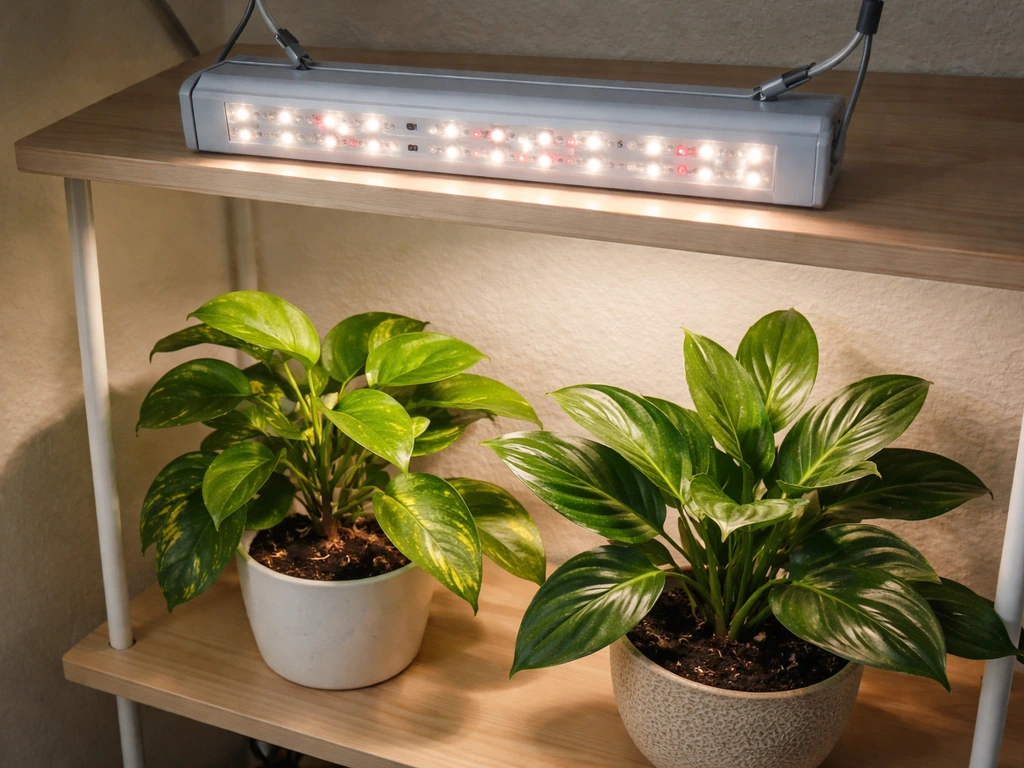
The VÄXER LED cultivation light (IKEA item number 70333454) is a silver-coloured bar fixture built specifically to mount over the KRYDDA/VÄXER countertop hydroponic system. IKEA offered it in two lengths priced between £27 and £37 depending on the variant, and the fixture uses a built-in LED source rated for blank" rel="noopener noreferrer">approximately 25,000 hours. This is the product you'll find referenced in IKEA's own assembly manuals, including the "VÄXER cultivation insert set" documentation that specifies a 41 cm cultivation light. IKEA’s official “VÄXER cultivation insert set” documentation specifies a 41 cm cultivation light variant, including its cultivation light positioning details. You cannot use this fixture independently from the VÄXER system without a bit of DIY mounting.
The VÄXER LED plant light bulb (item number 403.174.79 for the E26 base version; item number 20544171 for the E27 base version sold in Australia and some other markets) is a PAR30 bulb you can drop into any compatible lamp socket. Both are rated at approximately 25,000 hours of LED life, and both are explicitly non-dimmable. The PAR30 form factor is a slightly larger reflector bulb, roughly the size of a standard spotlight, aimed downward at your plants. This is the product most people mean when they search for an "IKEA grow light bulb review."
The spectrum: what this light is actually designed to grow
The VÄXER products use an LED spectrum biased toward blue and red wavelengths, which is the standard plant-growth approach you'll see across the category. Blue light (roughly 400 to 500 nm) drives compact vegetative growth and is especially useful during seedling and herb production stages. Red light (roughly 620 to 700 nm) supports flowering and fruiting, though the VÄXER system was clearly designed with edible herbs and leafy greens in mind, not fruiting crops.
The important caveat here is that IKEA does not publish PPFD (photosynthetic photon flux density) data for any VÄXER product. PPFD, measured in micromoles per square metre per second (µmol/m²/s), is the number that actually tells you how much usable light your plants are receiving. Without it, you're working from estimates. The best available figure from third-party comparisons puts the IKEA VÄXER linear fixture at roughly 880 lumens, but lumens measure human-perceived brightness, not plant-available light. Until you measure PPFD yourself with a quantum meter, treat any IKEA brightness claim as a rough guide rather than a cultivation spec.
In practical terms, the spectrum is fine for herbs like basil, chives, and parsley, and for lettuce, spinach, and microgreens. It is not the tool for pushing tomatoes, peppers, or cannabis through a full flowering cycle. The light profile fits the product's design intent: a clean countertop kitchen garden, not a high-output grow room.
Real-world performance: coverage, brightness, and hanging distance
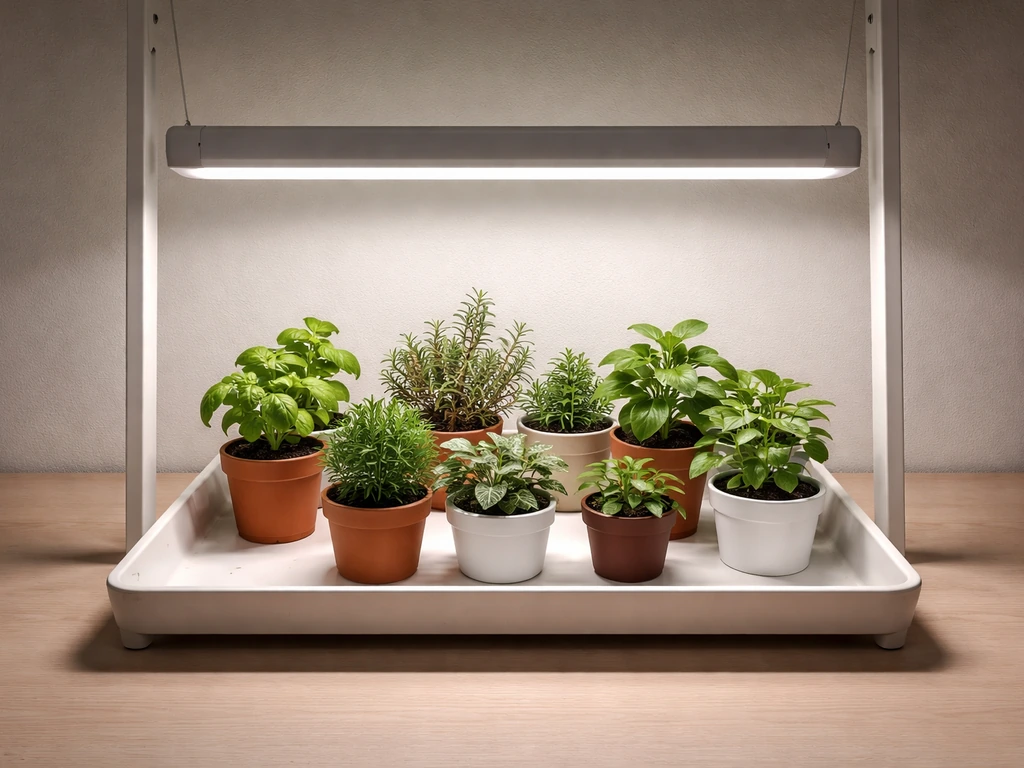
IKEA's own guidance recommends positioning the VÄXER PAR30 bulb approximately 30 cm (about 12 inches) from the plant canopy. That's a reasonable starting point for low-to-medium light-demand crops, but it matters a lot for coverage. At 30 cm, a single PAR30 bulb is realistically illuminating a footprint of roughly 20 to 25 cm in diameter with useful intensity. If you're trying to cover a full 60 cm shelf with one bulb, the edges of that shelf are going to be underlit.
The VÄXER linear fixture handles coverage a little better because it distributes light along a bar rather than a single point, which is why it pairs well with the KRYDDA/VÄXER shelf trays. Even so, the fixture is sized for countertop trays of herbs and seedlings, not for anything approaching a 60x60 cm tent footprint. Users on grow light forums have noted that the VÄXER setup is adequate for maintaining herbs in a low-light environment but that seedlings destined for outdoor transplanting often stretch (etiolate) under it, which signals insufficient intensity.
One useful real-world signal: growers who have used the VÄXER PAR30 bulb primarily as ambient illumination (rather than as a dedicated cultivation light) report that the light output is pleasing to look at but that plant results are inconsistent, particularly when competing with the variable light demands of different crops sharing the same shelf. If your setup mixes herbs with seedlings, expect uneven results.
Build quality, heat output, controls, and reliability
The build quality on both VÄXER products is consistent with what you'd expect from IKEA: functional, clean-looking, not premium. The fixtures feel light in hand and the connectors in the cultivation system are straightforward to assemble. Nothing about the construction suggests it'll fail early, and the 25,000-hour LED life rating is standard for quality LED products (that's roughly 6 to 8 years at 8 to 10 hours of use per day).
Heat output is low, which is one of the genuine advantages of the VÄXER LEDs. You can run the fixture close to your plants without burning foliage, and the system doesn't require fans or active cooling in a normal countertop environment. This makes the IKEA setup safer and simpler for beginners who aren't yet managing airflow in a grow tent.
Controls are minimal to the point of being nearly absent. Both the fixture and the bulb are non-dimmable, so there's no intensity adjustment available. You control light dose entirely through distance and photoperiod (how many hours per day the light runs). This isn't unusual in entry-level grow lights, but it does limit your ability to dial in light levels for crops with different intensity requirements. If you want dimming, you're looking at a different product entirely.
How IKEA compares to other grow lights at similar and higher price points
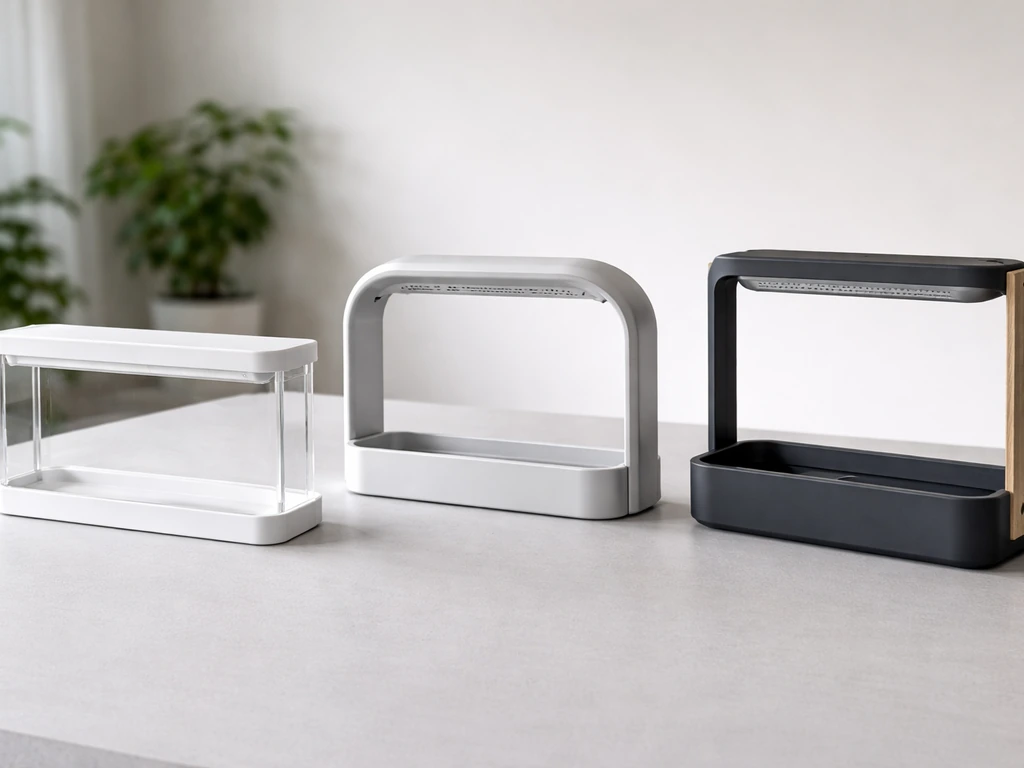
The VÄXER fixture priced at £27 to £37 sits in the lower end of the dedicated grow light market. At that price point, it competes with a range of generic LED panel options and specialty bulbs. The honest assessment is that the IKEA product wins on aesthetics and brand trust for general shoppers, but loses on measurable output when compared to purpose-built options at similar prices.
| Product type | Approx. price range | PPFD published? | Dimmable? | Best for | Weakness |
|---|---|---|---|---|---|
| IKEA VÄXER linear fixture | £27 to £37 | No | No | Countertop herb/leafy green shelf | Low output, system-dependent |
| IKEA VÄXER PAR30 bulb | ~£10 to £15 | No | No | Single-pot herbs, small seedling tray | Very limited coverage area |
| Budget LED panel (e.g. 45W full-spectrum) | £25 to £50 | Sometimes | Sometimes | Small tent, seed starting, veg | Build quality varies widely |
| Mid-range bar/quantum board (e.g. 100W+) | £80 to £200 | Usually | Usually | Full-cycle veg and flower, larger shelf | Higher upfront cost |
| Retailer-branded options (e.g. Walmart, Costco) | £20 to £60 | Rarely | Sometimes | Casual indoor gardening | Inconsistent quality control |
If you're shopping at big-box retailers for grow lights, it's worth knowing the full landscape. A Costco grow light option, for instance, can sometimes land in a similar price bracket with slightly more output, though availability varies by region and season. The IKEA option has the advantage of consistent in-store availability and predictable quality, which matters if you'd rather pick something up today than wait for a delivery.
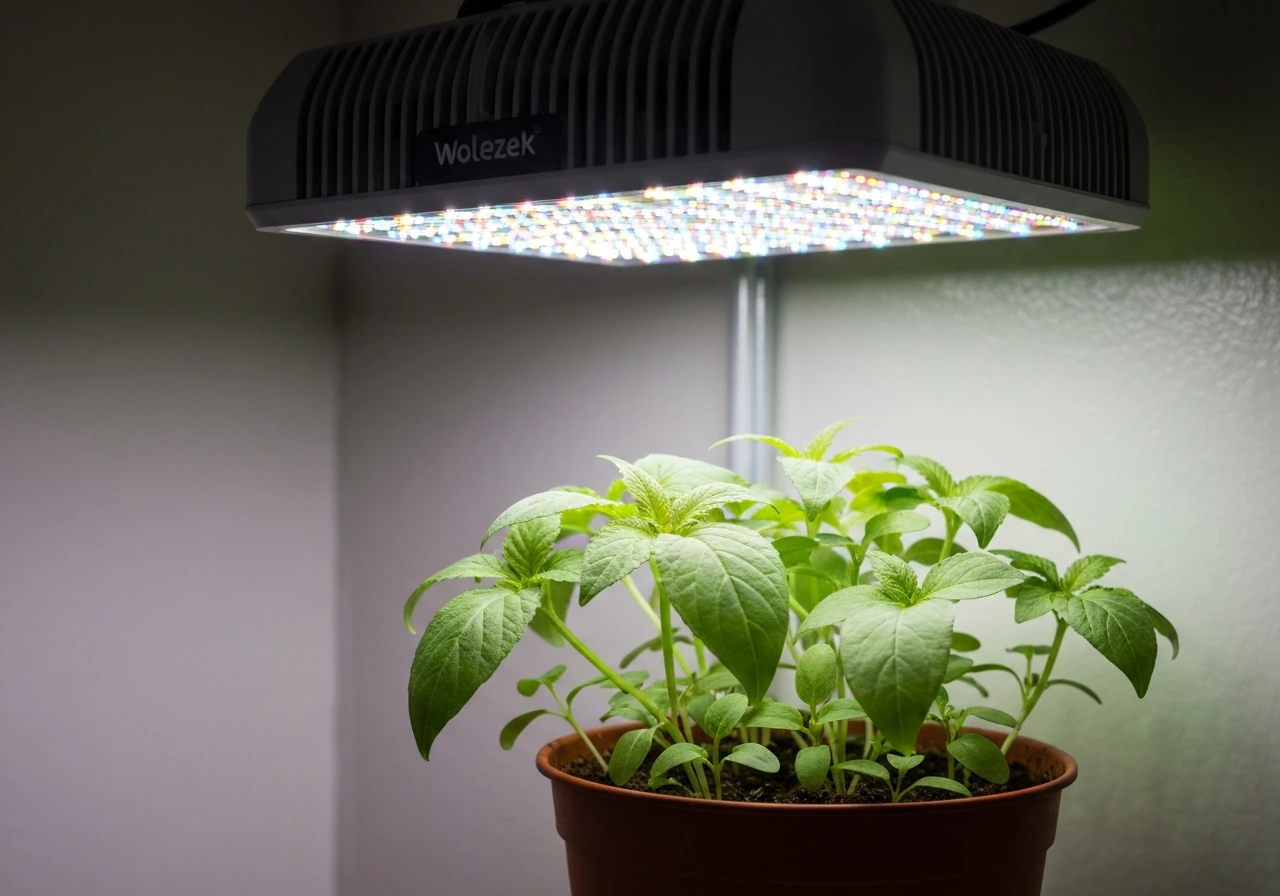
On the other hand, if you're willing to research before you buy, there are purpose-built options with published PPFD specs that will give you measurably better results for seed starting and vegetative growth. Brands like Wolezek offer fixtures with more output per pound than IKEA, as you'll find when comparing specs in a Wolezek grow light review. Similarly, shoppers comparing budget-tier options often find that purpose-built grow light brands outperform lifestyle-brand alternatives on raw plant results even when the price tags look similar.
Setup recommendations by crop type and grow space
Countertop herb shelf or KRYDDA/VÄXER hydroponic system
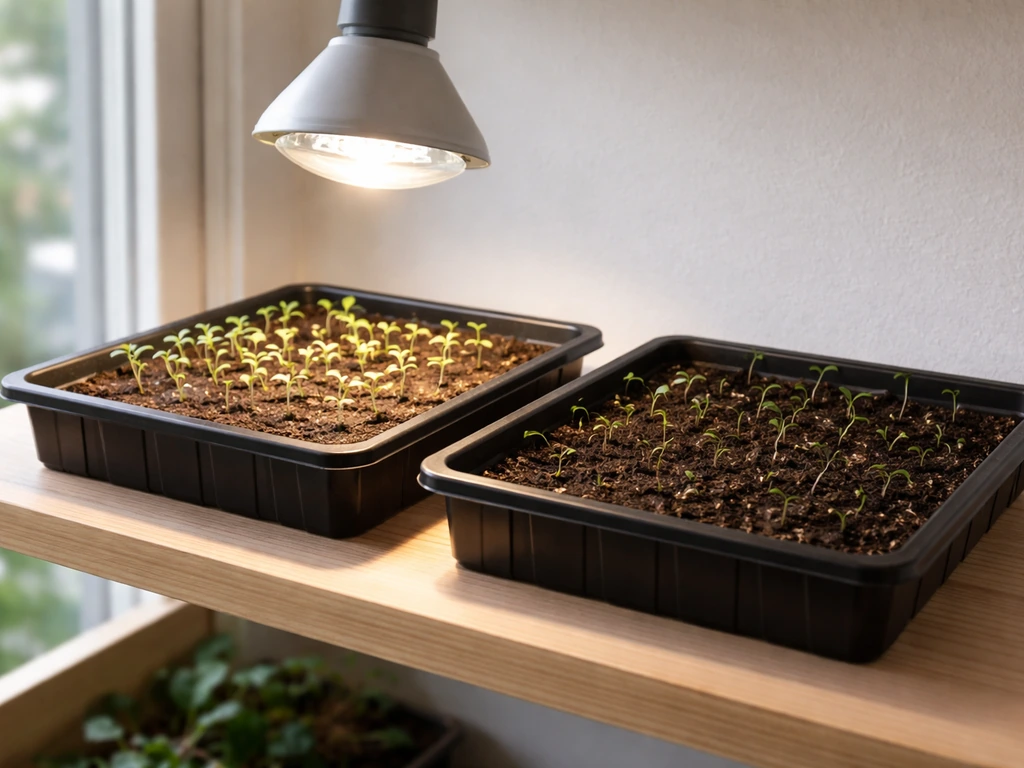
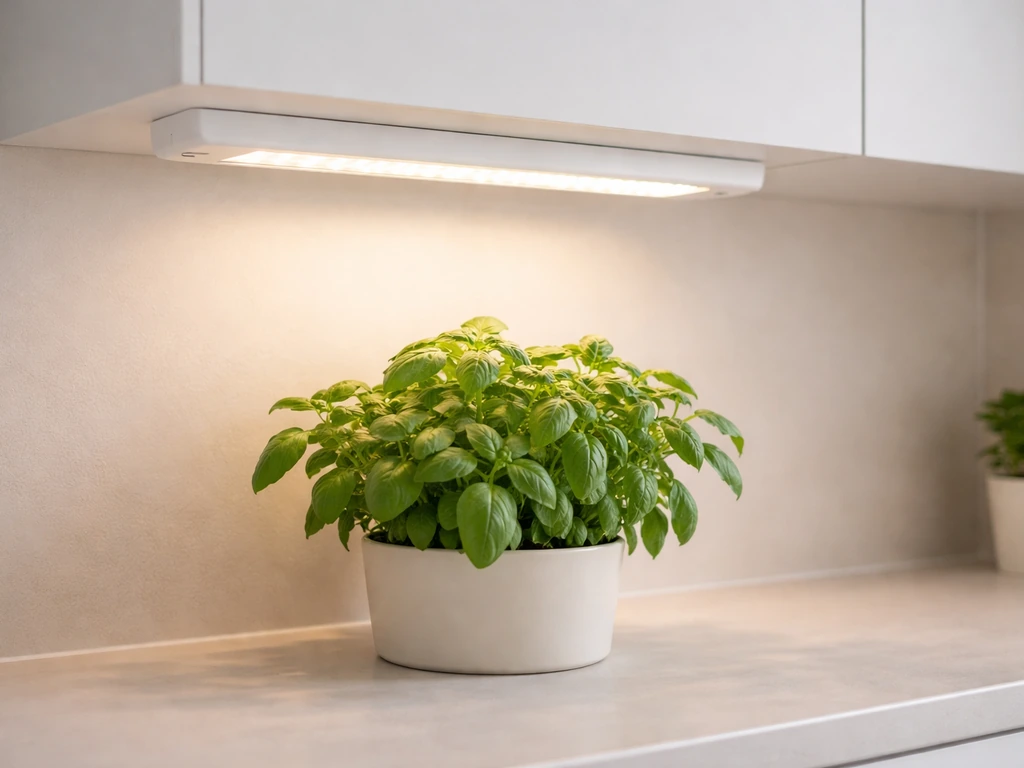
This is where the IKEA VÄXER system genuinely works. If you're running the integrated KRYDDA/VÄXER countertop unit with the matching cultivation light, you're using the product exactly as designed. Mount the fixture at the height specified in the assembly manual (aligned with the insert tray), run it 14 to 16 hours per day, and you'll get consistent results with basil, chives, lettuce, and similar low-to-medium light crops. Replace the water and nutrients on schedule and the light will do its part.
Seed starting on a shelf
Using a single VÄXER PAR30 bulb for seed starting is workable but marginal. Position it at 20 to 25 cm above your seed tray (closer than the standard 30 cm recommendation, to maximise intensity) and run it 16 to 18 hours per day. Watch for stretching in the first week as a signal that your seedlings aren't getting enough light. If stems are elongating and leaning, the light is either too far away or too weak for that particular crop. Tomatoes, peppers, and brassicas started under the VÄXER will likely need to move to stronger light before transplant.
Grow tent use
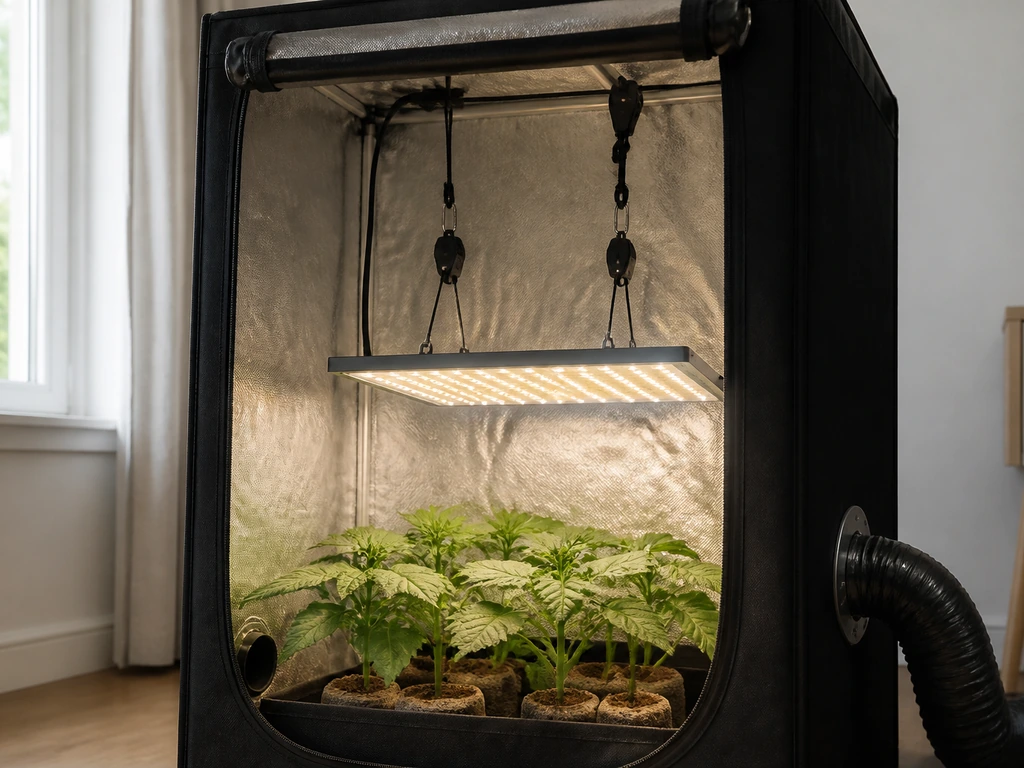
Don't try to run a grow tent with IKEA VÄXER products. The output simply isn't there. A standard 60x60 cm tent needs something in the 100W to 150W range with documented PPFD levels of 400 to 600 µmol/m²/s for vegetative growth. The VÄXER system, estimated at around 880 lumens for the linear fixture, falls well short of that threshold. Spend that budget elsewhere. For tent-specific options at the entry level, the Walmart grow light category includes some panel options that are at least sized for tent use, even if their quality varies.
Timeline expectations
- Herbs from seed to harvest: 6 to 10 weeks under 14 to 16 hours of daily light, positioned at 25 to 30 cm. Results are reliable for basil, mint, and chives.
- Lettuce and leafy greens from transplant to harvest: 3 to 5 weeks under 14 to 16 hours. The system handles this well.
- Seedlings for outdoor transplant: 4 to 8 weeks, but watch for stretching from week two onward as an early warning sign.
- Fruiting crops (tomatoes, peppers): Not recommended. The light output is insufficient for productive fruiting.
Who the IKEA VÄXER is right for, and who should look elsewhere
The IKEA VÄXER is the right choice if you want a clean, low-maintenance countertop herb garden and you're buying the whole KRYDDA/VÄXER system together. It's also a reasonable option if you want to add a single grow bulb above a small pot of herbs on a kitchen shelf and you're not expecting miracles. The aesthetic is better than most grow lights, the heat output is low, and the setup is genuinely simple. For beginners who would otherwise not buy any grow light at all, IKEA is an accessible entry point.
You should look elsewhere if any of the following describe you: you're starting seeds for outdoor transplant and need compact, sturdy seedlings; you're growing fruiting or flowering plants; you need to cover more than a 30 cm footprint per bulb; you want dimming controls to manage light intensity; or you want any PPFD data to confirm you're delivering the right light dose. In those cases, a dedicated grow light brand will serve you much better. Options worth comparing include the Wakyme grow light range or the Wills grow light lineup, both of which are positioned at similar or modest price points but with more output documentation and flexibility for different crop types.
It's also worth considering that IKEA's grow light products are not always available in all markets, and some variants have been discontinued in certain regions. If availability is uncertain near you, looking at a dedicated grow light brand from the start is the more reliable path. An Apelila grow light, for instance, is an example of a purpose-built option that ships reliably through major online channels and comes with more grower-specific documentation than the VÄXER line offers.
The practical checklist before you buy
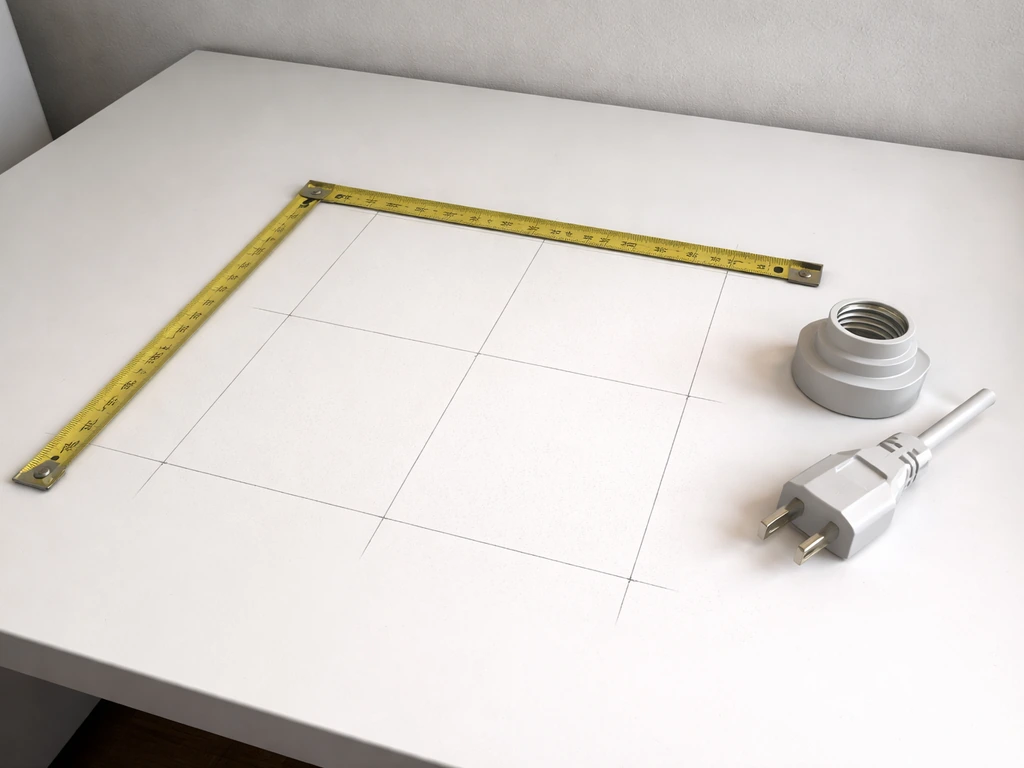
- Measure your grow space: if it's larger than roughly 30 cm x 30 cm per bulb, you need more than one VÄXER unit or a different product.
- Confirm which socket type you need: E26 (North America) or E27 (Australia, Europe, UK) before ordering the PAR30 bulb.
- Decide whether you're buying the whole KRYDDA/VÄXER system or just the bulb: the fixture is designed for the system and doesn't mount easily elsewhere without DIY.
- Set a photoperiod timer at 14 to 16 hours per day from day one rather than leaving the light on continuously.
- Plan your hanging or mounting distance at 25 to 30 cm from the canopy and adjust based on whether plants show stretching (too far) or bleaching/curling (too close).
- If you plan to measure your light properly, pick up a quantum PAR meter to check actual PPFD, since IKEA does not publish this figure.
The bottom line is that the IKEA VÄXER is a decent lifestyle product that happens to grow plants, rather than a grow light that happens to look good. That distinction matters when you're choosing where to spend your money. For the kitchen herb gardener who values simplicity and aesthetics, it's a legitimate recommendation. For anyone pushing toward more serious cultivation, a purpose-built light with real PPFD specs is the better investment from day one.
FAQ
Can I use the IKEA VÄXER cultivation fixture without the KRYDDA/VÄXER hydroponic shelf system?
Not as a true plug-and-play setup. The fixture is designed to mount over the specific tray/insert system, so if you skip the shelf you’ll need DIY brackets to hold it at the correct height and aim. Even then, you may get uneven coverage because it’s a bar intended for the countertop layout rather than random plant spacing.
Are the VÄXER products dimmable, and can I add a dimmer anyway?
They are non-dimmable, so a standard in-line dimmer is not a reliable fix and may cause flicker or reduced longevity. If you need intensity control, the practical workaround is changing distance and photoperiod, but for precise output you’ll want a different fixture that supports real dimming or has adjustable driver settings.
What light timer schedule should I use for herbs and lettuce with the VÄXER?
A common starting point is 14 to 16 hours per day for herbs and leafy greens, then adjust based on plant response. If you see stretching or slow leaf development, increase time first (within a reasonable daily range) before trying to “blast” plants by lowering the light too aggressively, since dropping distance can cause heat and stress even with low overall output.
How close should I mount the PAR30 bulb to avoid stretching or under-lighting?
IKEA suggests about 30 cm, but seedlings often benefit from being closer, around 20 to 25 cm, while watching closely for early signs of stress. If you move it too close and plants pale or show burn-like discoloration at leaf tips, raise the bulb slightly. For coverage, proximity helps intensity, but it doesn’t magically widen the effective footprint.
Will the VÄXER work for starting seeds for outdoor transplanting?
It can work, but it’s a riskier choice than purpose-built seed-starting lights because you’re relying on estimates rather than PPFD. The key indicator is the first week, if stems elongate and the plant looks leggy, intensity is likely too low. In that case, either raise the light by reducing distance, increase daily runtime, or plan to move seedlings to a stronger light sooner.
Can I use one VÄXER bulb to cover a wide shelf or multiple pots?
Usually not effectively. A single PAR30 bulb realistically covers only a small footprint, so plants at the edges will receive less usable light. If you want uniform results across a longer shelf, use multiple bulbs or switch to a bar-style fixture sized for your tray layout, otherwise expect uneven growth.
Why do my results look inconsistent even though the plants are on the same shelf?
Variation usually comes from uneven distance and crop light needs. With non-adjustable intensity, small spacing differences between pots, or mixing tall and short plants, creates a wide range of received light. If you want more predictable results, keep a consistent canopy height (use a uniform tray height) and group similar crops together.
What does the lack of PPFD mean for choosing the right light intensity?
It means you cannot confirm delivered usable light, so buying becomes more trial-and-error. Without PPFD you should treat any performance claims as rough context, and rely on growth signals (leaf color, compactness, stretching rate) plus your setup measurements like distance and runtime. If you can borrow a quantum meter, that’s the fastest way to turn uncertainty into a measurable decision.
Is the VÄXER spectrum suitable for flowering or fruiting plants like tomatoes or peppers?
It’s generally not ideal for a full flowering or fruiting cycle. The spectrum is biased toward blue and red, which is fine for general vegetative growth, but fruiting usually demands higher intensity and more controlled light dosing. For tomatoes or peppers, expect to switch to a stronger grow light when plants transition from seedlings to later stages.
How many hours per day is too much for the VÄXER to run?
More time is not always better. Many leafy crops tolerate longer days, but continuous over-lighting can stress plants and slow growth or cause abnormal leaf posture. If you’re extending beyond typical ranges, watch for symptoms like pale leaves, stalled growth, or scorched edges, and then reduce runtime in small steps.
Does low heat mean I can put the light directly against leaves?
Not automatically. Even with low heat output, direct contact is still risky because LED fixtures can create localized hotspots and reduced airflow. A safer approach is to maintain a small gap consistent with your crop needs, and prioritize canopy clearance while checking leaf condition after 48 to 72 hours.
What’s the most reliable way to tell if the VÄXER bulb is too far away or too weak?
Look for stem elongation and leaning, plus slower leaf expansion in the first week. If plants grow taller and thinner than expected for their variety, distance or intensity is likely insufficient. If leaves look unusually dark or you see edge browning, the bulb may be too close or the runtime too long, so adjust both before changing crops.
Are there any common buying mistakes when shopping for an “IKEA grow light review” product?
The biggest mistake is mixing up the two different VÄXER products: the linear cultivation fixture for the KRYDDA/VÄXER system versus the PAR30 bulb that fits standard sockets. Make sure you’re buying the fixture or bulb that matches your hardware and footprint needs, and confirm the base type (E26 vs E27) for your region and lamp socket.