Quick verdict: is the FEIT 19W LED grow light worth it
The short answer is yes, but with a clear asterisk. The FEIT 19W LED grow light (model GLP24FS/19W/LED, and its adjustable-spectrum sibling GLP24ADJS/19W/LED) is a genuinely capable fixture for low- to medium-light plants in the vegetative stage, and it punches reasonably well for its wattage class. At roughly $50 retail, it delivers a measured PPFD of 743 μmol/m²/s at 18 inches, which is solid for herbs, leafy greens, seedlings, and early veg work. If that describes your grow, it earns a straightforward recommendation. If you are pushing flowering plants that need 800 to 1,000+ μmol/m²/s, or you are covering more than a couple of square feet, you will hit its ceiling fast. Know what you need before you buy.
What it is, specs, and where it fits
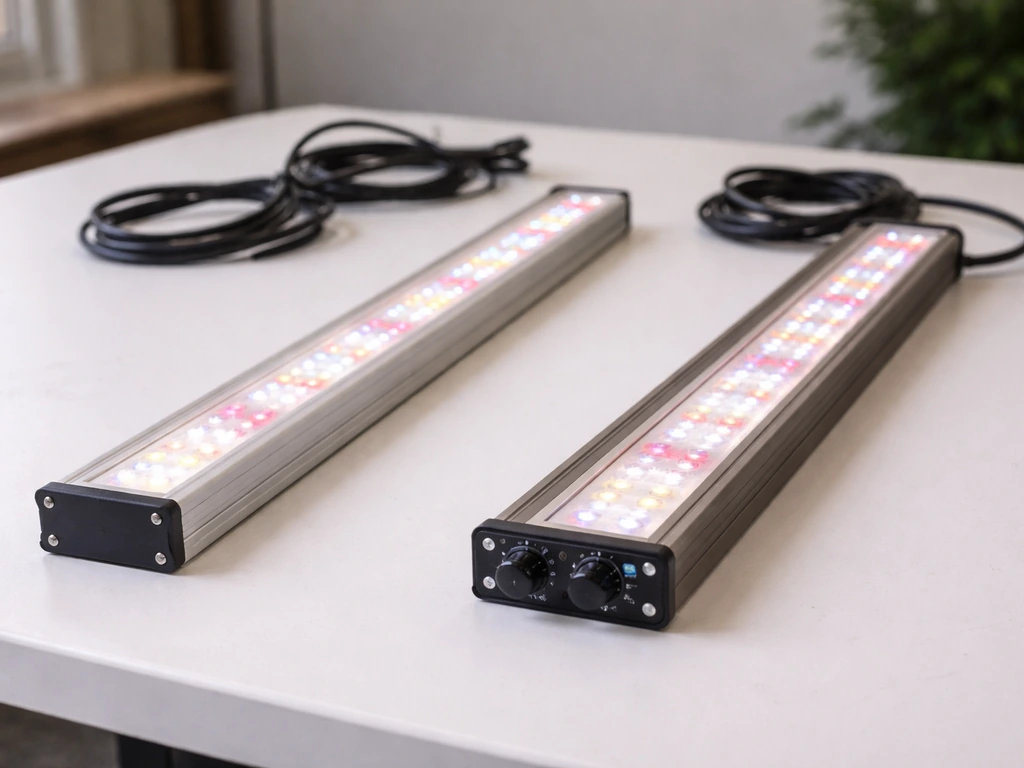
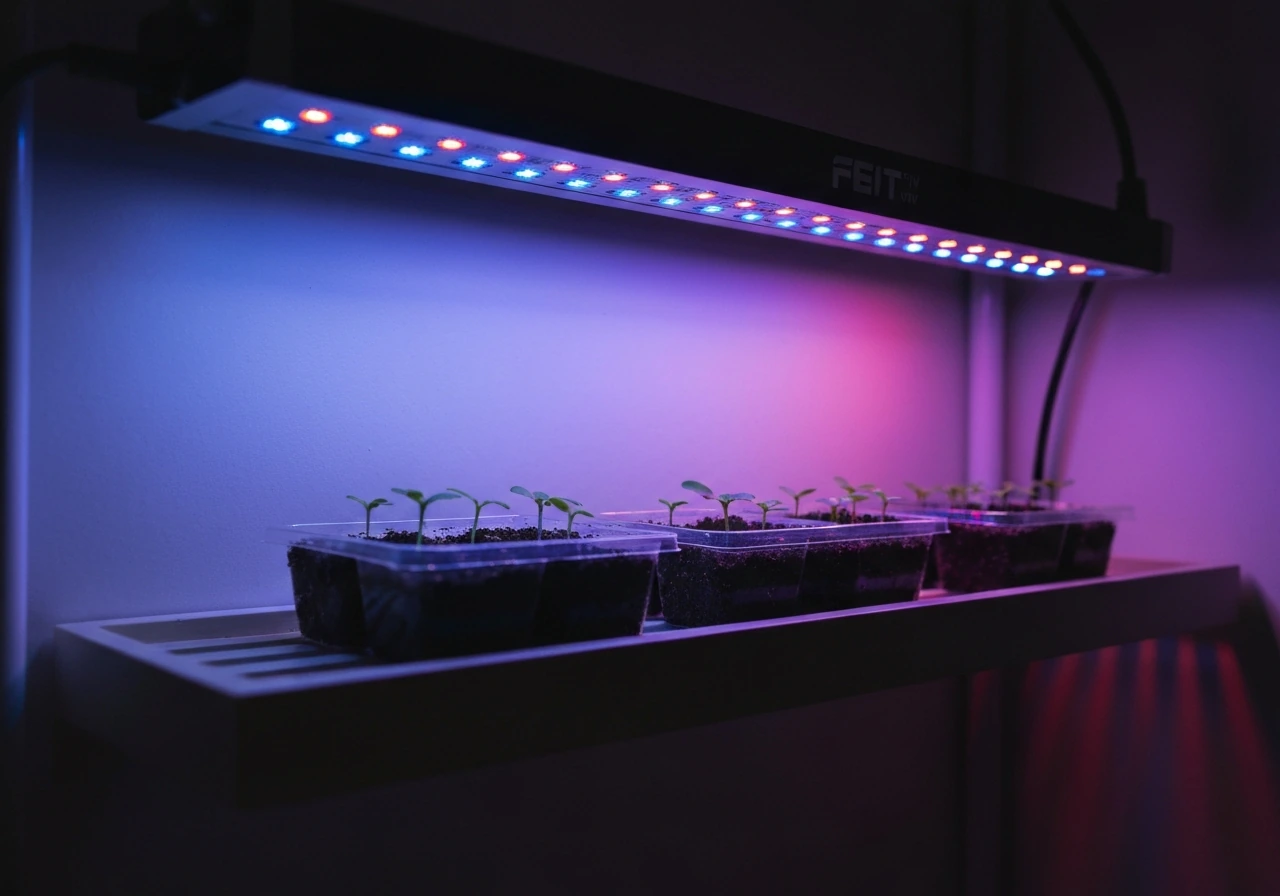
The FEIT 19W LED grow light comes in two closely related 24-inch bar-style variants. The standard model, GLP24FS/19W/LED (UPC 017801743708), is a fixed full-spectrum fixture. Distributor-style listings using the same GLP24FS/19W/LED model and UPC can help corroborate that model/UPC pairing blank" rel="noopener noreferrer">GLP24FS/19W/LED model and UPC pairing. The second, GLP24ADJS/19W/LED, adds a selectable 3-spectrum function that lets you dial between spectrum modes rather than running a single fixed output. Both share similar physical footprints: the GLP24FS measures 1.73 in (H) × 23. The GLP24ADJS/19W/LED Feit Electric spec sheet lists the fixture’s physical dimensions and identifies FEIT as the issuing company. 33 in (L) × 4.9 in (D), and the ADJS variant is approximately 23.7 in (L) × 4.8 in (W) × 1.9 in (H). Both draw 19 watts at the wall.
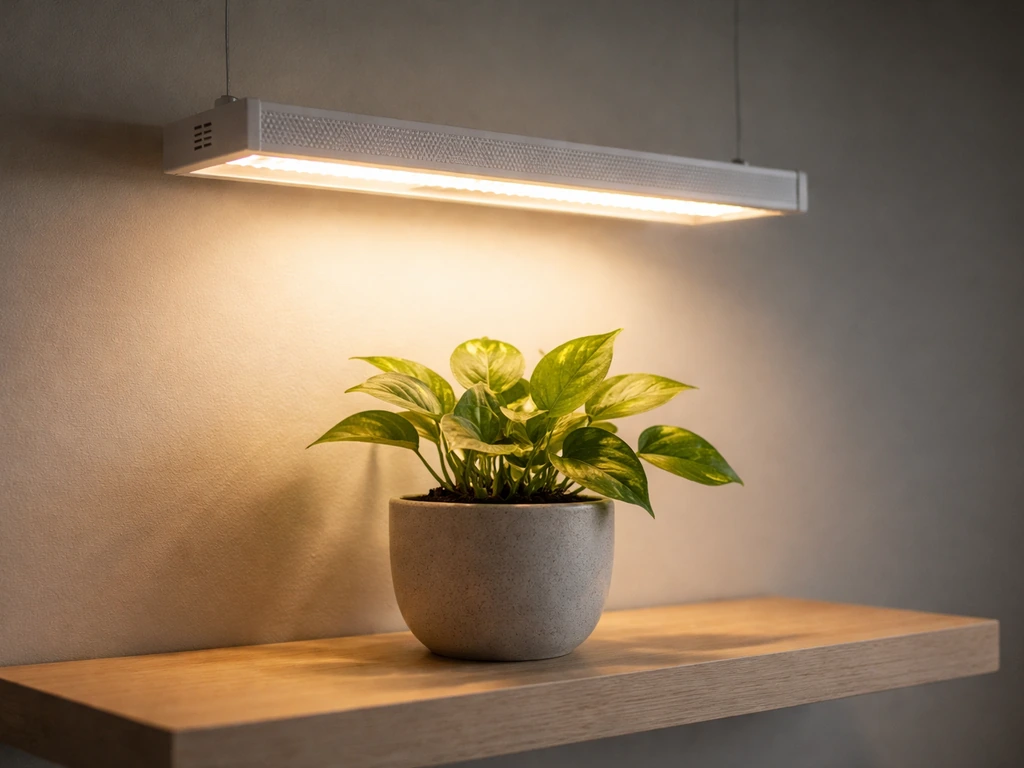
The bar form factor matters for how you use this light. It is not a panel, and it is not a bulb replacement. It is a slim, linkable strip fixture designed to sit above a shelf, propagation tray, or small grow area. The adjustable model includes a 6-inch wire for hanging so you can control canopy distance. You can also mount either variant flush to a ceiling or shelf underside. The ADJS model can be daisy-chained with up to five units, which is useful if you want to scale coverage without running multiple power cords.
| Spec | GLP24FS/19W/LED | GLP24ADJS/19W/LED |
|---|
| Wattage | 19W | 19W |
| Length | 23.33 in | 23.7 in |
| Width/Depth | 4.9 in | 4.8 in |
| Height | 1.73 in | 1.9 in |
| Spectrum | Fixed full-spectrum | Selectable 3-spectrum |
| Mounting | Flush or hanging | Flush or hanging (6-in wire included) |
| Linkable | Check model page | Up to 5 units |
| Approx. retail price | Check current listing | ~$50.99 |
The best use cases for this fixture are propagation trays, herb gardens, small shelving units, and low-light houseplants that need a boost. It is also a reasonable supplemental light when paired under an existing overhead setup. It is not the right tool for a 2×4 tent or anything that requires broad, uniform canopy coverage across multiple square feet from a single unit.
Light output and PPFD
The most meaningful number here is the PPFD reading: 743 μmol/m²/s measured at 18 inches. For context, most vegetative plants want somewhere between 200 and 600 μmol/m²/s, and seedlings are happy below 300. That 743 reading directly under the bar at 18 inches means this light has enough intensity for active vegetative growth at a sensible hanging distance. Pull it to 24 inches and that number drops, which can actually be useful for delicate seedlings or low-light tropical houseplants. The PPFD figure comes from controlled-distance testing, so treat it as a ceiling, not a guarantee across the full footprint.
Spectrum
The standard GLP24FS runs a fixed full-spectrum output blending blue and red wavelengths with some white diodes, giving plants a reasonably balanced diet across veg and early bloom. The ADJS variant is more interesting: its selectable 3-spectrum design means you can shift emphasis depending on your plant's growth stage. In practice, the full-spectrum mode on either unit covers herbs, leafy greens, and most houseplants without any tinkering. The spectrum flexibility on the ADJS is a legitimate upgrade if you want one fixture that can serve multiple stages, but do not expect it to transform a 19W bar into a bloom powerhouse.
Heat and build quality
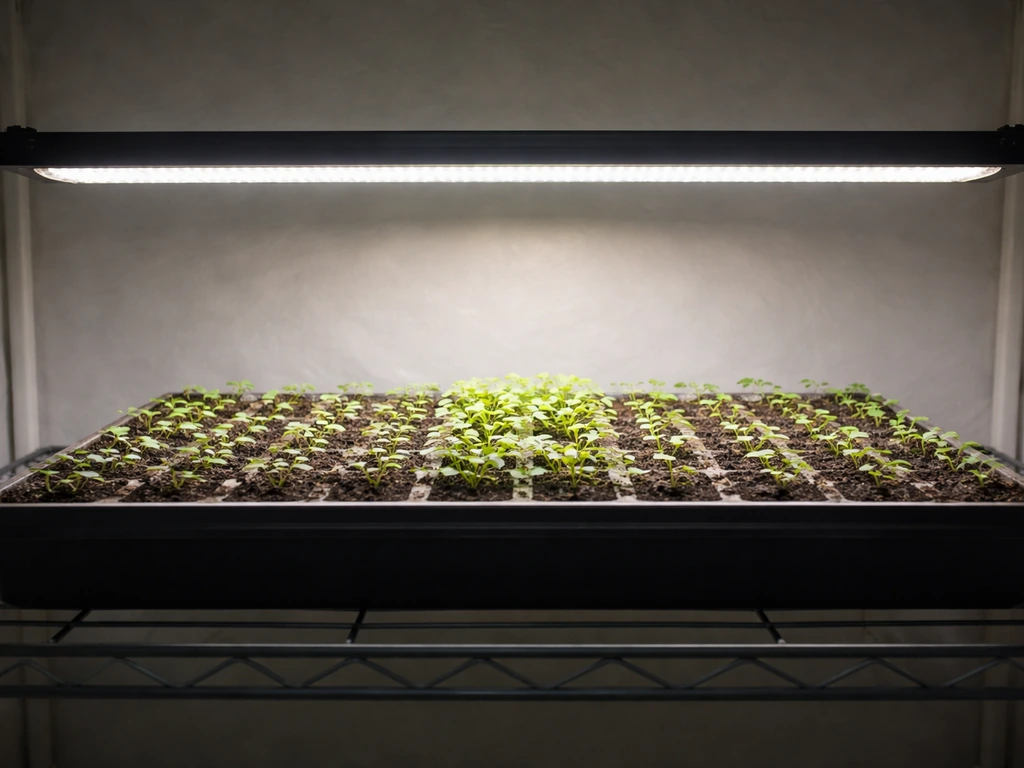
At 19 watts, heat is not a meaningful concern. The fixture stays warm to the touch during extended runs but never reaches temperatures that threaten plants or require active cooling. The bar housing is lightweight plastic and aluminum, which is standard for this price tier. It feels solid enough for a shelf or propagation setup, but it is not built for rough handling. The mounting hardware included is basic. If you are hanging it from a grow tent bar or a wire shelf, budget a few minutes to figure out your rigging before you commit to a final position.
The bar form concentrates light in a strip pattern, which is ideal for rectangular propagation trays or a single shelf row but creates falloff toward the edges. At 18 inches, the hotspot is real: the center of the bar delivers the most intensity, and you will notice a gradient toward the ends. For a single 10×20 propagation tray, that coverage is reasonable. For a wider or deeper footprint, link two or three units side by side rather than relying on one bar to do everything.
Setup guide: height, runtime, and coverage planning
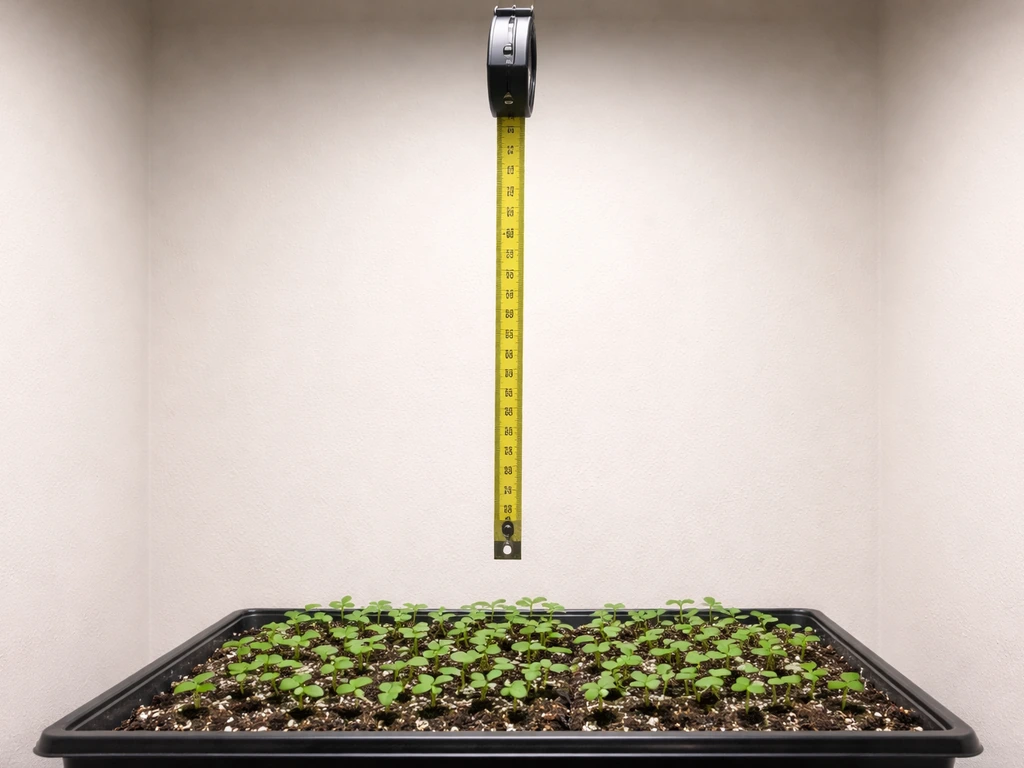
Getting the setup right makes a bigger difference than most people expect with a light in this wattage class. Here is what the numbers and practical use tell you:
- Mounting height for seedlings: 24 to 30 inches above the canopy. At that distance, intensity drops to a gentler level that avoids light stress on freshly germinated plants.
- Mounting height for vegetative plants: 18 to 24 inches. This is where the 743 μmol/m²/s figure applies. Adjust based on how your plants respond in the first week.
- Runtime: 16 hours on, 8 hours off for seedlings and most herbs. For actively growing vegetables, 14 to 16 hours is a common sweet spot. Avoid running it 24/7 as most plants benefit from a dark period.
- Coverage planning: one unit covers roughly a 1 to 2 square foot effective zone at 18 inches. For a standard 10×20 propagation tray, one bar is adequate. For a 2×2 space, use two to three linked units for better uniformity.
- Linking: if you are using the ADJS model, link up to five units from a single power cord for a cleaner shelf setup without cable clutter.
- Testing adjustment: after the first week, check for stretch (plants reaching toward the light, indicating too much distance) or bleaching/cupping (indicating too close). Adjust by 2-inch increments and wait 3 to 4 days before re-evaluating.
Plant stage guidance: seedlings, veg, and flowering
This fixture is most at home during propagation and the vegetative stage. Seedlings do well under it at 24 to 30 inches, where the intensity is gentled by distance. Herbs, lettuce, spinach, and similar low- to medium-light crops thrive under a 19W bar at proper height with a consistent light schedule. Tropical houseplants that need a brightness boost in winter are another strong fit.
For flowering, the honest answer is that 19W is marginal. Most flowering plants, especially fruiting crops like tomatoes and peppers, want sustained high PPFD across a wider area. The ADJS model's spectrum flexibility helps somewhat, but wattage is the ceiling here, not spectrum. If you are growing anything through a full flowering cycle, treat this light as a supplemental fixture rather than your primary source, or plan to link multiple units overhead.
Where this light genuinely shines: cloning, seed starting, herb shelves, and keeping houseplants healthy through a low-light season. For those use cases, it does the job cleanly and without overcomplicating your setup.
FEIT 19W vs other grow lights: comparisons and value
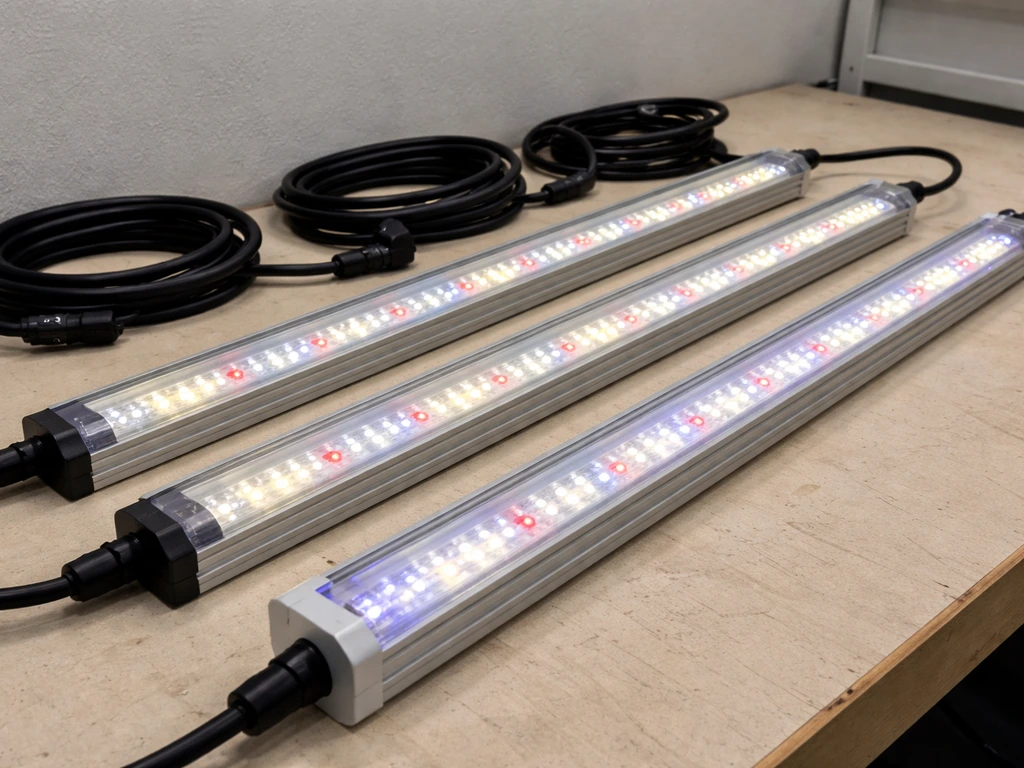
The 19W bar-style grow light category is crowded. To give you a honest picture, here is how the FEIT 19W stacks up against comparable fixtures in the same wattage and form-factor class. If you want a broader look at the brand's full lineup before making a call, the Feit grow light review covers their other models and helps you understand where the 19W fits in their overall range.
| Light | Wattage | Form Factor | Approx. PPFD at 18in | Approx. Price | Best For |
|---|
| FEIT GLP24FS/19W/LED | 19W | 24-in bar | 743 μmol/m²/s | ~$40-$50 | Seedlings, herbs, veg |
| FEIT GLP24ADJS/19W/LED | 19W | 24-in bar | Similar to above | ~$50.99 | Multi-stage, linked setups |
| Fecida 600W (actual ~100W) | ~100W | Panel | Higher PPFD | ~$70-$90 | Full-cycle veg/flower |
| Comparable 20W bar (generic) | 20W | Bar/strip | Varies widely | ~$25-$40 | Propagation, herbs |
| V99-class LED panels | Varies | Panel | Higher uniformity | ~$60-$100+ | Larger canopy, flower |
At $50, the FEIT 19W sits at the upper end of the budget bar-light category. Generic 20W strips often undercut it on price, but FEIT's build quality, spectrum consistency, and the selectable-spectrum option on the ADJS model justify the gap for most buyers. If your budget stretches to $70 to $90 and you need flowering support, a panel-style fixture like the ones covered in the Fecida 600W LED grow light review will serve you better across the full plant cycle. For seedlings and herbs on a shelf, the FEIT 19W holds its own without apology.
Value per watt at 19W comes in at roughly $2.60 to $2.70 per watt at the ADJS price point, which is not exceptional but is fair given the spectrum flexibility. Compare that to the Fecida grow light, which typically offers lower cost-per-watt at higher actual wattages, though the two products are not directly competing for the same use case.
If you are comparing bar-style fixtures specifically, some competitors like the FSGTek grow light and the Unifun grow light operate in a similar footprint and price range. The FSGTek line sometimes edges ahead on raw PPFD per dollar in direct comparisons, while Unifun competes on spectrum blending. The FEIT's advantage is brand support, consistent spec documentation, and the linkable design that makes it easy to scale a shelf setup without buying entirely new hardware.
It is also worth benchmarking the FEIT 19W against its own A19 bulb sibling: the FEIT A19 grow light is a screw-in bulb format that suits a single plant or a desk lamp setup, while the 19W bar fixture is meant for a larger horizontal footprint. They are not direct substitutes, but knowing which form factor fits your space saves you a return trip.
For shoppers who want to see how lights in this general class perform against less common brands, the Green Fingers grow light review and the V99 grow light review both cover bar and panel options at comparable price points that are worth a quick look before you finalize your decision.
Common issues and how to fix them
Hotspots and uneven coverage
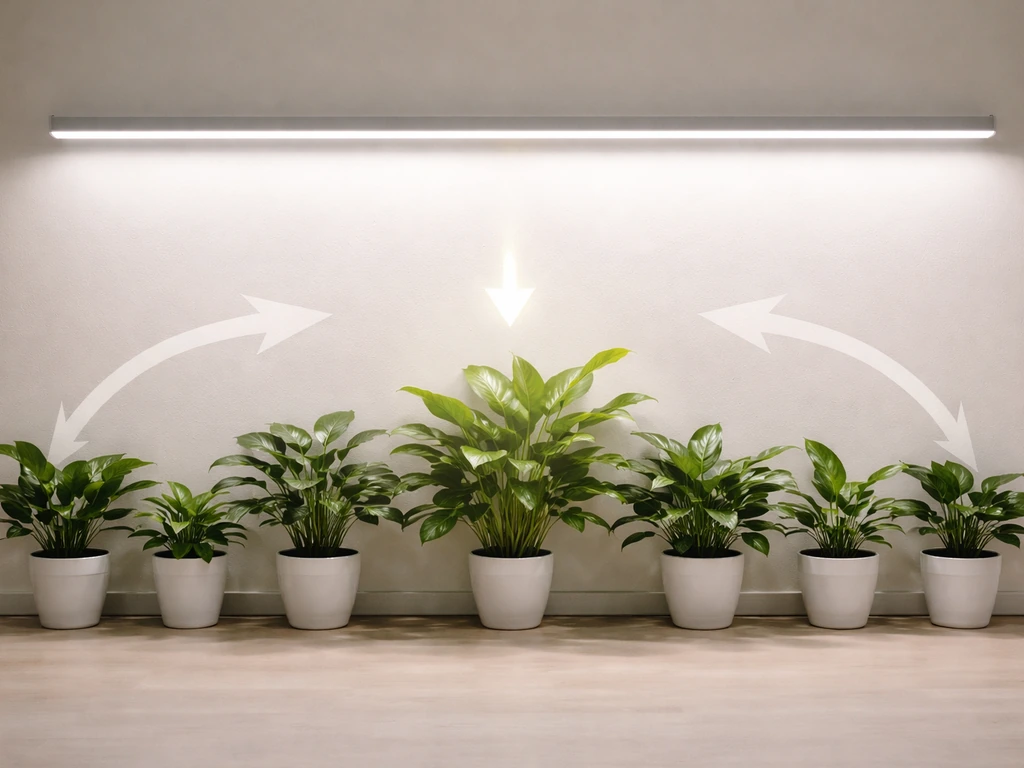
The most common complaint with any bar-style fixture is light concentration in the center. If you notice the plants directly under the middle of the bar outpacing those at the edges, the fix is usually adding a second bar offset by 12 inches rather than moving the existing one. You can also rotate your trays every few days to even out exposure if a second fixture is not in the budget yet.
Weak results and slow growth
If growth is slower than expected, the most likely culprits are distance (too far from the canopy), runtime (not enough hours per day), or the wrong plant category for this fixture. Check distance first. At 30 inches or more, a 19W bar simply does not deliver enough intensity for active vegetative growth. Drop it to 18 to 22 inches and increase the photoperiod to 16 hours before assuming the light is the problem.
Placement mistakes
Running one bar over a 2×4 grow space and expecting full coverage is the most common placement error. A single 24-inch bar covers a strip, not a wide rectangle. Span two or three linked bars across the width for anything larger than a single 10×20 tray. Also avoid mounting flush to a low shelf ceiling without checking the distance to your plant tops. Below 12 inches, even 19W can stress light-sensitive seedlings.
Spectrum settings on the ADJS model
A few users leave the ADJS model locked on a single spectrum mode and never explore the selectable options. If you are in vegetative growth, use the blue-dominant or balanced setting. If you are running the fixture over mature plants attempting any kind of fruiting, shift to the red-heavy spectrum. The difference in response time is usually visible within two to three weeks of consistent use.
Decision checklist and next steps for your grow space
Before you buy, run through this quickly:
- Are you growing seedlings, herbs, leafy greens, or low- to medium-light houseplants? The FEIT 19W is a solid fit.
- Is your grow area a single shelf, propagation tray, or roughly 1 to 2 square feet per bar? Go for it.
- Do you need linkable bars to cover a longer shelf run without multiple power plugs? The ADJS model handles up to five in a chain.
- Are you trying to flower tomatoes, peppers, or cannabis through a full bloom cycle as your only light source? Look at higher-wattage panel fixtures instead.
- Is your budget under $55 and your space small? The FEIT 19W is one of the better-documented, better-built options in its class at this price.
- Do you want spectrum flexibility from a single bar fixture? Choose the GLP24ADJS/19W/LED over the fixed GLP24FS.
If you decide to go ahead, here are the practical next steps: buy the ADJS model if you can find it near the $50.99 price point, since the spectrum flexibility costs almost nothing extra and gives you more room to experiment. Hang it at 20 inches to start, set a 16-hour timer, and observe your plants after 7 to 10 days. Adjust height by 2-inch increments based on growth response. If you are covering more than a single tray, order two and link them from the start. If you find yourself wanting more intensity after dialing in height and runtime, that is the signal to add a second bar or step up to a panel-style fixture for your next grow cycle.
For comparison shopping before you commit, it is worth spending 10 minutes with the Green Fingers grow light review if you want a different brand's take on the bar-style format, or checking how the FEIT 19W's closest panel competitors perform by reading the V99 grow light review for a wattage-class comparison that may shift your decision. The FEIT 19W is a well-behaved, honest performer for what it is. Match it to the right job and it will not let you down.